Pipefitter Welder Salary: Essential Information and Useful Advice
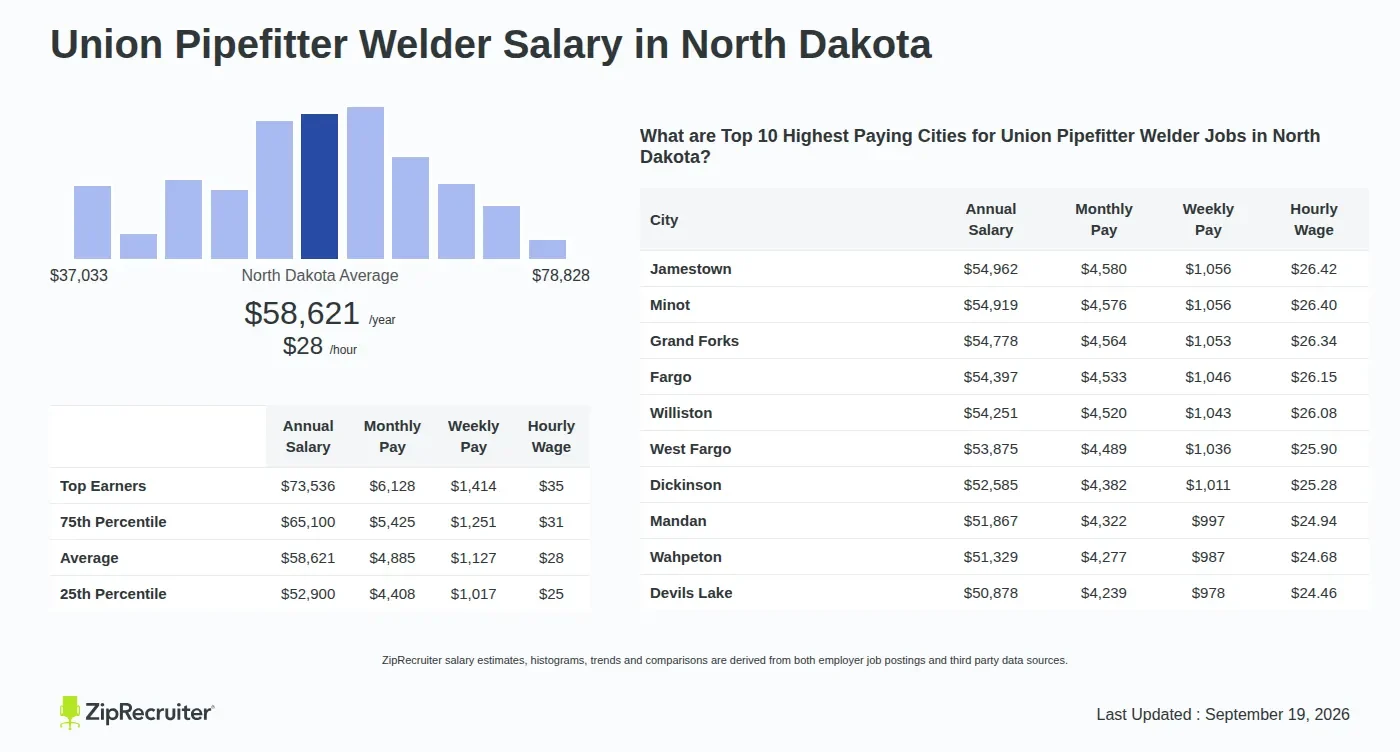
A pipefitter welder in the United States commonly earns about $50,000 to $90,000 annually, with specialized, union, industrial, or high-overtime roles paying more.
Pay depends on more than the ability to weld pipe Experience location union status industry welding process travel requirements shift schedule and the complexity of the piping system.
A common assumption is that the highest hourly rate automatically means the best job That figure may exclude per diem health coverage retirement contributions travel time seasonal layoffs. This guide explains pipefitter welder salary, including the practical details and important limitations.
This guide explains realistic pay ranges the difference between base wages and total compensation the skills employers reward and the factors that affect regional earnings You will also.
- ✓Most U.S. pipefitter welders fall within a broad middle range, but specialty work and overtime can change annual income significantly.
- ✓Industrial construction, power generation, petrochemical, shipyard, and maintenance work often pay differently because their risks, schedules, and qualification requirements differ.
- ✓Read the complete compensation package instead of comparing hourly wages alone.
- ✓Pipe-fitting accuracy, code knowledge, weld qualifications, safety performance, and reliability can be as valuable as years on the job.
What a Pipefitter Welder Salary Usually Includes
A pipefitter welder combines two trades preparing and assembling piping systems and producing welds that meet project specifications Some workers spend most of their time fitting while others.
Because job titles are inconsistent salary comparisons must begin with the actual work A shop position fabricating repeatable carbon-steel assemblies is not directly comparable to field work on.
- Base hourly wage: The guaranteed rate for ordinary hours before overtime, premiums, deductions, and benefits.
- Overtime: Extra earnings that may be frequent on shutdowns and construction projects but are not guaranteed year-round.
- Per diem and travel pay: Money intended to offset meals, lodging, or travel costs; it is not the same as wages.
- Total benefits: Health insurance, retirement contributions, paid leave, bonuses, and other employer-paid value.
Hourly pay versus annual income
Many pipe trades jobs are advertised by the hour A worker earning 35 per hour for a steady 40-hour week has a base annualized wage of about 72.
Annual income can rise quickly when a project offers 10 or 12-hour shifts six-day workweeks or extended shutdowns It can also fall when a project ends and the.
Why published ranges are so wide
National figures combine workers with very different responsibilities and experience. A trainee who performs basic preparation is counted alongside a tested welder who works on critical systems and can resolve fit-up problems without constant supervision.
Geography also matters Areas with high construction activity expensive housing major industrial facilities or strong union presence may offer higher wages However a larger paycheck does not always.
Pipefitter Welder Salary by Experience and Skill Level
Experience typically affects pay through demonstrated capability rather than time alone Employers want evidence that a worker can produce acceptable work safely consistently and at the required speed.
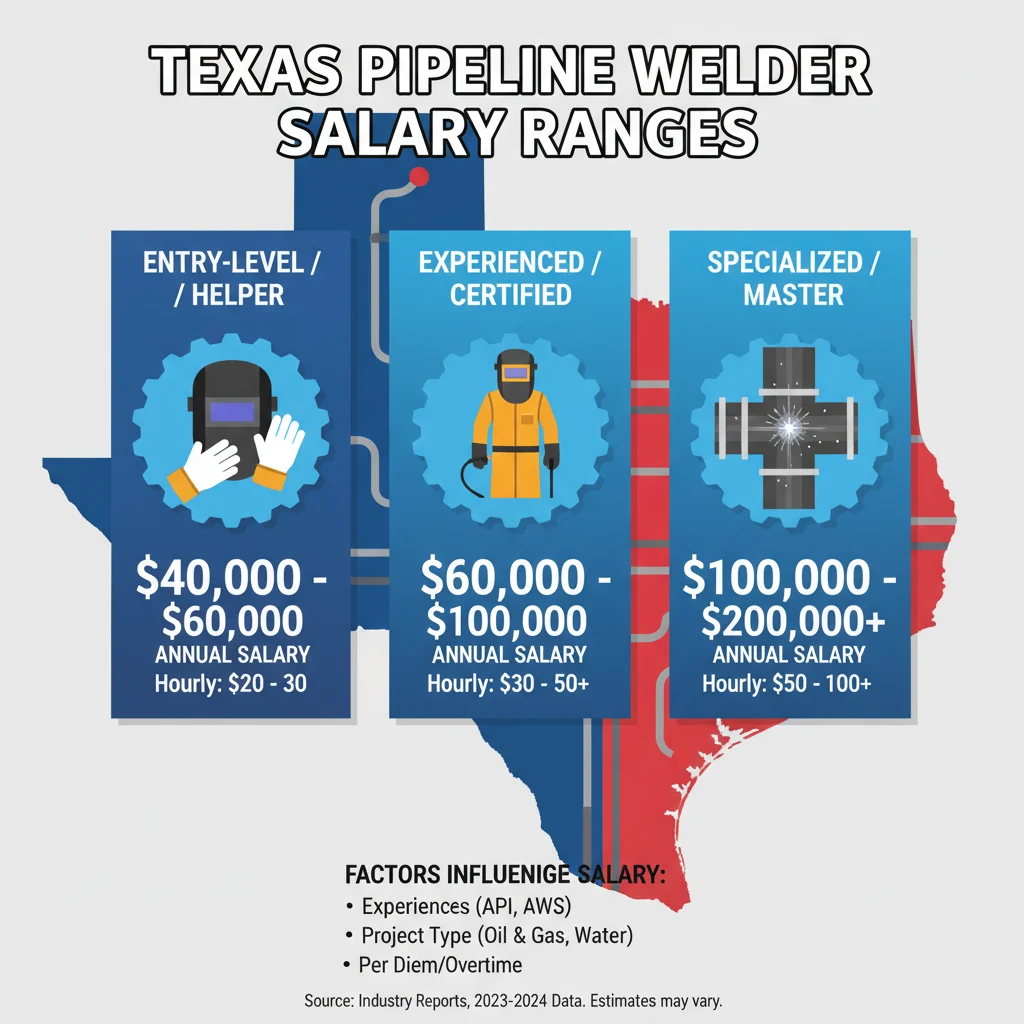
The following ranges are practical planning estimates rather than guarantees. They can vary by state, collective-bargaining agreement, project type, shift, and the portion of the year actually worked.
| Career stage | Typical annual base range | Common responsibilities |
|---|---|---|
| Entry-level helper or trainee | $38,000–$55,000 | Material handling, preparation, basic fitting support, and supervised welding practice |
| Developing worker | $50,000–$70,000 | Routine fit-up, drawing interpretation, and welds under normal project conditions |
| Experienced pipefitter welder | $65,000–$95,000 | Independent work, varied materials, code-conscious production, and problem solving |
| Specialty or lead worker | $85,000–$120,000 or more | Complex systems, testing, supervision, specialty projects, travel, or sustained overtime |
These are broad base-pay bands. Overtime, bonuses, travel allowances, and benefits can push total compensation above the stated figures, while project interruptions can produce a lower actual annual total.
- Accurate fit-up: Correct alignment and preparation reduce rework, delays, and failed inspections.
- Multiple processes: Experience with GTAW, SMAW, GMAW, or FCAW can expand the jobs a worker can perform.
- Material range: Stainless steel, carbon steel, chrome alloys, and nickel-based materials may require different techniques and controls.
- Field independence: Workers who interpret drawings, plan weld sequences, and solve access problems need less supervision.
Entry-level earnings
New workers may begin as helpers apprentices or junior welders Early duties often include cleaning beveling measuring moving materials preparing tools and observing qualified workers The initial wage.
Applicants should ask how advancement works. A job that provides supervised practice, paid instruction, and a clear qualification path may be better than a slightly higher-paying position that offers little opportunity to develop pipe skills.
Experienced and specialty earnings
Experienced workers can command more when they handle difficult joints, maintain productivity without compromising quality, and pass employer or project-specific tests. High-value specialties may include orbital welding, high-purity tubing, power-plant piping, refinery maintenance, cryogenic systems, or difficult-position welds.
Lead responsibilities can raise compensation, but they also add accountability. A lead may coordinate assignments, verify fit-up, support less experienced workers, communicate with supervisors, and help keep documentation accurate. The additional pay should be weighed against longer hours and greater pressure.
Industries and Locations That Change Pay
The industry determines the working environment, materials, quality controls, and consequences of failure. Pipefitter welders in commercial construction may install building-service piping, while industrial workers may assemble systems where pressure, temperature, corrosion, or contamination control is critical.
Location affects both wage levels and the amount of work available A region with a large refinery shipyard power station or manufacturing base may offer strong opportunities but.
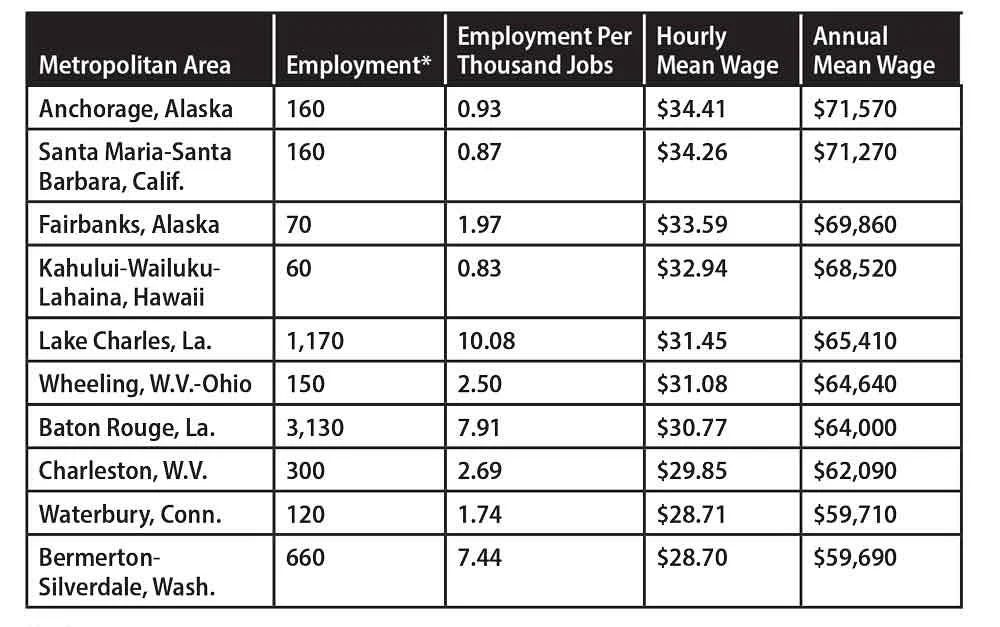
- Commercial construction: Work may be steadier in active markets, with pay influenced by local contractors and union agreements.
- Industrial construction: Large projects can offer strong earnings, travel, and overtime, but schedules may depend on project milestones.
- Maintenance and shutdowns: Short, intense assignments may pay well because of urgency, unusual hours, and specialized access requirements.
- Manufacturing and fabrication: Shop work can provide more predictable conditions, although overtime and wage ceilings may differ from field roles.
Union and nonunion employment
Union positions often use negotiated wage packages with defined base rates benefit contributions overtime rules and progression steps The wage on a pay stub may not show the.
Nonunion employers may offer more individual flexibility performance-based increases or direct negotiation They may also vary more widely in benefits paid time off travel policies and job stability.
Travel work and per diem
Travel assignments can increase gross income through higher hourly rates overtime and per diem They may also involve long periods away from home shared lodging changing job sites.
Ask whether travel time is paid, who books lodging, what happens during weather delays, and whether per diem stops on days off. Clarify whether the assignment is expected to last weeks, months, or an entire project cycle.
Cost of living and real purchasing power
A higher wage in a major metropolitan area may buy less than a lower wage in a smaller community. Housing, commuting, insurance, food, and temporary accommodation can absorb much of the difference. Taxes and local payroll deductions also affect take-home pay.
Make a simple budget before accepting relocation work. Include the cost of maintaining a home base, traveling home, buying work equipment, and covering unpaid gaps between assignments. This converts a salary comparison into a realistic financial decision.
Credentials, Tests, and Skills Employers Reward
Welding credentials do not guarantee a specific salary but they can make a worker eligible for jobs that pay more Employers commonly care about current qualifications for the.
Pipefitters also need skills beyond arc control. They must measure accurately, understand joint preparation, interpret isometric drawings, recognize material differences, and work within safety and quality requirements. A beautiful weld cannot compensate for incorrect dimensions or an improperly prepared joint.
- Qualification range: Confirm which processes, positions, thicknesses, diameters, and materials your test covers.
- Code familiarity: Learn how project specifications and applicable codes affect procedure, inspection, and documentation.
- Safety training: Maintain required training for confined spaces, hot work, respiratory hazards, fall protection, and site-specific risks.
- Supporting skills: Blueprint reading, layout, rigging awareness, math, and digital documentation can improve employability.
Welding process matters
GTAW often called TIG is frequently associated with clean controlled work on stainless steel and other demanding materials SMAW or stick welding remains important in field environments because.
The most useful process to learn depends on the local market A worker should examine actual job postings. This is an important consideration for pipefitter welder salary.
Fit-up and drawing interpretation
Fit-up is a major dividing line between basic welding labor and combination pipe work. The fitter must account for dimensions, orientation, root opening, bevel, alignment, shrinkage, supports, and access. Poor preparation can create defects even when the welding technique is sound.
Isometric drawings, spool sheets, weld maps, and material identification systems may be part of daily work. Workers who can interpret them accurately reduce dependence on supervision and help prevent costly installation errors.
Testing and qualification pressure
Many jobs require practical tests before hiring or assignment The test may evaluate position process material visual appearance and destructive or nondestructive inspection results Preparation should focus on.
Ask whether the company pays for testing, whether failed tests can be repeated, and whether qualifications remain portable. Keep records of current tests, processes, and project experience so you can describe your capabilities precisely.
How to Compare Job Offers and Estimate Real Earnings
A useful offer comparison starts with guaranteed compensation Write down the hourly rate normal weekly hours overtime rules expected project duration and whether layoffs or unpaid gaps are.
The pipefitter welder salary shown in an advertisement may represent a range based on experience or may be an annualized estimate that assumes heavy overtime. Treat it as a starting point until the employer explains how the number was calculated.
- Guaranteed hours: Ask how many hours are normally available and whether the schedule changes by project phase.
- Overtime terms: Confirm when overtime begins, whether weekends carry a premium, and how holidays are paid.
- Benefits waiting period: Find out when health insurance and retirement contributions begin and what you must contribute.
- Project continuity: Ask what happens after the current job ends and whether reassignment is realistic.
A simple annual-value calculation
Start with hourly wage multiplied by expected regular hours. Add realistic overtime, not the maximum possible schedule. Subtract unpaid weeks and predictable work interruptions.
Then estimate the employee cost of insurance, tools, travel, lodging, and retirement contributions.
- Calculate regular pay using the hours you realistically expect to work.
- Estimate overtime from the employer’s typical schedule, separating guaranteed overtime from optional hours.
- Add bonuses, per diem, and allowances only after confirming their conditions.
- Assign a reasonable value to employer-paid benefits.
- Subtract recurring work-related expenses and compare the result with your living costs.
This calculation is not a tax estimate, and it cannot predict every project interruption. Its purpose is to make competing offers comparable and expose assumptions that may otherwise remain hidden.
Questions worth asking before accepting
Good questions show that you understand the difference between a wage rate and a working arrangement. They also help reveal whether an employer expects travel, rotating shifts, emergency call-ins, or frequent changes in assignment.
- How many hours did workers in this role average during the last comparable project?
- Is the position permanent, project-based, seasonal, or tied to a shutdown?
- Which welding processes and materials will I use most often?
- Who pays for qualification tests, safety training, tools, and required protective equipment?
- Are travel time, lodging, mileage, and per diem handled separately?
- What advancement or wage review occurs after I qualify for additional work?
Common Reasons Pay Stays Lower Than Expected
Workers sometimes expect a large increase after gaining experience, but employers may see limited evidence of broader capability. Performing the same routine task for years does not necessarily demonstrate readiness for complex fitting, difficult materials, leadership, or independent field work.
Pay can also remain low when qualifications are expired, poorly documented, or unrelated to the local market. A worker may have valuable experience but fail to communicate it in a way that matches the employer’s needs.
- Counting overtime as guaranteed: Annual income falls when project hours disappear.
- Ignoring benefits: A higher cash wage may come with expensive insurance and no retirement contribution.
- Chasing every certificate: Training has more value when it matches actual regional demand.
- Undervaluing fit-up: Welding alone may not qualify you for combination pipe work.
Rework and productivity problems
Failed inspections, incorrect dimensions, excessive repairs, and poor housekeeping can reduce trust even when the worker has strong technical ability. Rework costs time and may affect whether a contractor offers additional hours or more responsibility.
Reliable workers protect their earning potential by preparing carefully, following the approved procedure, asking questions before a mistake becomes expensive, and documenting completed work accurately. Safety performance is part of productivity because injuries, incidents, and unsafe shortcuts can end assignments.
Stale credentials and narrow experience
Employers may hesitate to pay a premium for a qualification that has not been used recently or cannot.
Cross-training can help, but it should be deliberate. Add skills that support your target role, such as layout, pipe supports, stainless preparation, orbital equipment, inspection awareness, or supervisory communication.
Ways to Increase Your Earning Potential
The most reliable pay increases usually come from becoming useful in situations that are difficult to staff That may mean accepting less convenient shifts learning a scarce process traveling temporarily or developing the judgment needed to handle complex work without.
Do not pursue every opportunity at once. Choose a direction based on your tolerance for travel, physical demands, schedule instability, and qualification pressure. A sustainable career path is more valuable than a short-lived wage spike that creates burnout or unsafe decisions.
- Choose a target market: Identify whether you want construction, maintenance, fabrication, power, process piping, or specialty work.
- Match training to demand: Review local openings before paying for a course or test.
- Track accomplishments: Record processes, materials, responsibilities, passed tests, and measurable quality improvements.
- Build professional reliability: Attendance, communication, safe conduct, and accurate paperwork influence repeat opportunities.
Improve the skills that remove bottlenecks
Employers value workers who keep a crew moving. Better measurement, layout, drawing interpretation, material identification, and weld preparation can prevent delays before they occur. Learning how quality inspections work can also help you catch problems while they are still easy to correct.
Communication is another practical advantage. Clearly reporting missing materials, access limitations, dimensional conflicts, or procedure concerns protects the schedule and demonstrates judgment.
Use negotiations carefully
Negotiation is strongest when supported by specific evidence Explain the processes you can perform the tests you have passed the work environments you know and the responsibilities you.
Ask about a written wage review if the employer cannot meet your target immediately. A defined increase after passing a test, completing a probation period, or taking on lead duties is more useful than an informal promise.
Safety, Physical Demands, and Long-Term Sustainability
Pipefitting and welding can involve heat fumes noise awkward positions heavy materials ladders confined areas and changing weather Higher pay may reflect greater exposure difficult access night work.
Workers should follow site procedures for ventilation fire prevention protective equipment gas-cylinder handling fall protection confined spaces and electrical safety The correct controls depend on the task and.
- Control the work area: Remove or protect combustibles, manage sparks, and confirm hot-work requirements.
- Protect breathing: Use required ventilation and respiratory controls for the materials and environment.
- Plan access: Do not improvise platforms, lifting methods, or confined-space entry procedures.
- Report changing conditions: Stop and ask when the job differs from the approved plan or becomes unsafe.
Long-term earnings also depend on staying healthy enough to work consistently Proper lifting technique hearing protection eye protection rest hydration and attention to repetitive strain can help preserve.
FAQ About Pipefitter Welder Salary
What is the average pipefitter welder salary in the United States?
A broad planning range is roughly 50 000 to 90 000 per year although entry-level workers may earn less and experienced specialty workers may earn substantially more Overtime.
Do pipefitter welders make more than general welders?
They can, particularly when they combine welding with accurate pipe layout, fit-up, drawing interpretation, and code-controlled work. The difference is not automatic; pay depends on the employer, region, qualifications, material, and difficulty of the assignment.
Does union membership increase pipefitter welder pay?
A union position may provide a stronger total package through negotiated wages, health coverage, retirement contributions, training, and defined overtime rules. Whether it produces more cash in a particular area depends on the local agreement and the number of available working hours.
Can overtime double annual earnings?
Heavy overtime can raise annual income dramatically, especially during shutdowns or major construction phases, but doubling is not a dependable assumption. Overtime may end when a project reaches a new phase, weather interrupts work, or the assignment closes.
Which certifications help a pipefitter welder earn more?
The most useful qualification is usually one that matches an employer s current procedure process position material and project requirements Welding tests safety training drawing skills and specialty.
Is travel welding worth the higher pay?
Travel work can be worthwhile when the wage, overtime, lodging, per diem, schedule, and project duration are clearly defined. Compare the additional income with time away from home, travel costs, unpaid gaps, and the possibility that the assignment ends earlier than expected.
How can a new worker increase earnings quickly?
Build dependable fundamentals first: safe work habits, measurement, fit-up, drawing interpretation, and a sound welding process. Then seek supervised qualifications and assignments that match local demand instead of collecting unrelated training.
Conclusion
A pipefitter welder salary can range widely because the job title covers different combinations of fitting welding industry location qualifications travel and overtime The strongest comparison considers guaranteed.
Workers improve their prospects by developing accurate fit-up, useful welding qualifications, drawing and material knowledge, dependable communication, and a reputation for safe, consistent work. Major limitations remain: estimates cannot guarantee local availability, and high-paying assignments may carry demanding schedules or elevated hazards.
Compare three current local job offers using guaranteed pay, expected hours, benefits, travel terms, and qualification requirements before choosing your next training or employment step.