Welder Fabricator Jobs: Practical Guide and Important Details
Welder fabricator jobs combine metal welding with measuring, cutting, fitting, blueprint reading, and quality checks to build or repair structures and equipment.
At first glance these jobs may look like advanced welding positions but the strongest candidates are often valued just as much for accurate layout problem-solving and fit-up as.
That distinction matters when comparing openings preparing for an interview or deciding whether a short training program is enough to enter the field This guide explains what the.
- ✓Fabrication requires more than welding; measuring, fit-up, drawings, material knowledge, and inspection are central parts of the job.
- ✓Entry-level candidates can become competitive through hands-on practice, basic blueprint reading, safety training, and a reliable work history.
- ✓Shop, construction, repair, and industrial positions differ substantially in travel, conditions, schedule, and required qualifications.
- ✓Pay is influenced by process expertise, certifications, overtime, industry hazards, location, and the ability to work independently.
What Welder Fabricator Jobs Actually Involve
A welder fabricator turns raw stock components and technical instructions into a completed metal product The work may involve building railings frames platforms piping supports trailers pressure-related components.
The welding itself is only one stage A typical assignment may begin with reviewing a drawing identifying material thickness and joint details selecting tools measuring and marking stock.
Accuracy is especially important because heat can distort an assembly and a small layout error can spread through the entire build A worker who understands sequencing can reduce.
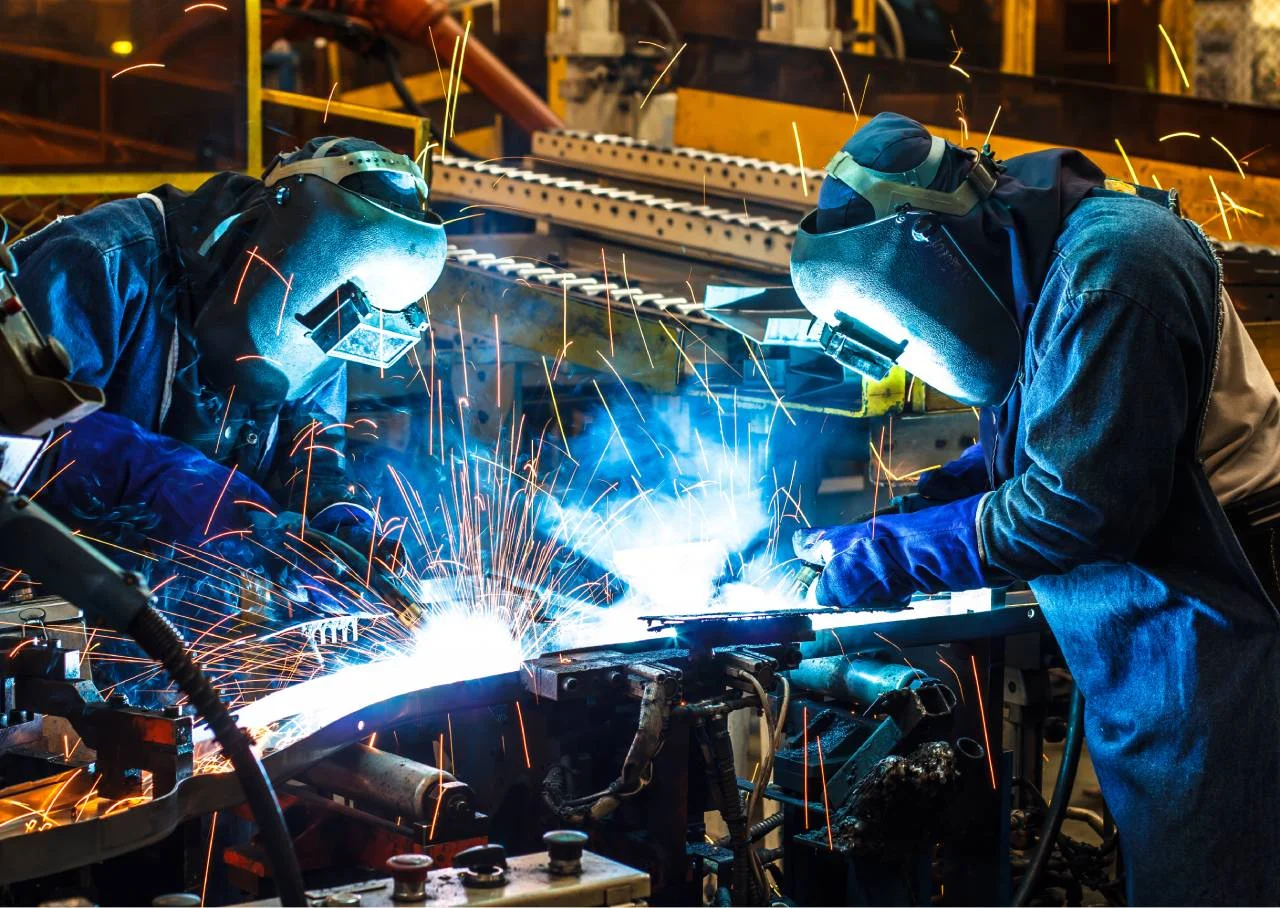
- Interpretation: Read shop drawings, weld symbols, cut lists, specifications, and work orders.
- Preparation: Select material, mark dimensions, cut stock, clean surfaces, and prepare joints.
- Assembly: Position, clamp, tack, square, and align components before final welding.
- Quality control: Check dimensions, weld appearance, penetration requirements, distortion, and defects.
Welder, fabricator, and welding fabricator
Job titles overlap so the title alone does not reveal the full assignment A welder may spend most of the day joining prepared parts A fabricator may perform.
Read the duties and qualification sections rather than assuming that welder means the same thing at every employer A role requiring structural drawings overhead work plasma cutting and.
Common materials and processes
Carbon steel is common because it is versatile and relatively economical, but employers may also work with stainless steel, aluminum, galvanized material, or specialty alloys. The material affects cleaning, heat control, shielding gas, filler selection, distortion risk, and personal protective equipment.
Common processes include shielded metal arc welding SMAW or stick gas metal arc welding GMAW or MIG flux-cored arc welding FCAW and gas tungsten arc welding GTAW or.
Where These Jobs Are Found
Employment settings shape the daily experience more than many applicants expect. Two positions with similar titles can have very different levels of travel, noise, weather exposure, physical strain, precision, and production pressure. Before applying, identify where the work occurs and what is being built.
Manufacturing shops often offer controlled access to tools, repeatable procedures, and indoor work, although deadlines and production quotas may be demanding. Custom fabrication shops typically require broader judgment because each order may involve different dimensions, materials, or finishing requirements.
Construction and field fabrication can involve stairs, lifts, scaffolding, outdoor weather, changing work areas, and coordination with other trades. Industrial maintenance and repair may add shutdown work, confined areas, awkward access, contamination controls, and urgent troubleshooting. These conditions can affect both earnings and lifestyle.
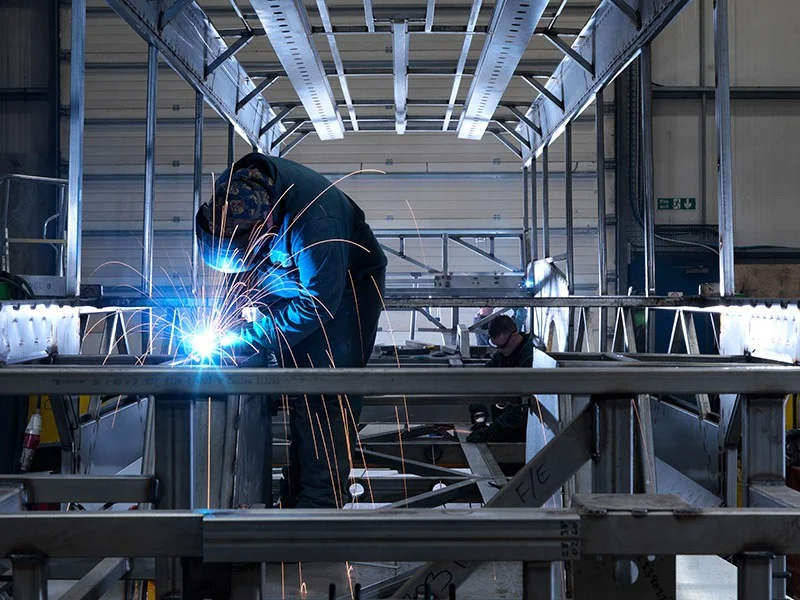
- Production shop: Usually emphasizes repeatability, takt time, fixtures, and consistent weld quality.
- Custom shop: Often rewards versatility in layout, fit-up, interpretation, and problem-solving.
- Construction or field work: May require travel, variable weather, elevated work, and changing site conditions.
- Industrial repair: Can involve shutdown schedules, difficult access, equipment diagnosis, and strict permits.
Industries that hire fabricators
Employers may operate in structural steel, commercial construction, agricultural equipment, transportation equipment, food-processing machinery, energy infrastructure, shipbuilding, architectural metals, heavy equipment repair, and general manufacturing. The product determines the level of precision, documentation, and code awareness expected.
For example a structural steel shop may prioritize drawing interpretation fit-up and positional welding An architectural metals employer may place greater emphasis on appearance tight joints stainless steel.
Shop work versus field work
Shop work generally provides better control over lighting, ventilation, workholding, and material movement. Field work may offer variety and opportunities for overtime, but the worker must adapt to incomplete information, limited space, changing weather, and coordination with a crew that is installing the work.
Neither environment is automatically easier. A shop can be physically intense and production-driven, while field work can involve long commutes, irregular shifts, and strict site rules. Ask about the percentage of travel, typical shift length, lifting expectations, and whether tools or transportation are supplied.
Skills and Qualifications Employers Look For
Entry requirements vary widely Some employers train dependable beginners for basic production work while others need workers who can independently fit complex assemblies pass a practical test or.
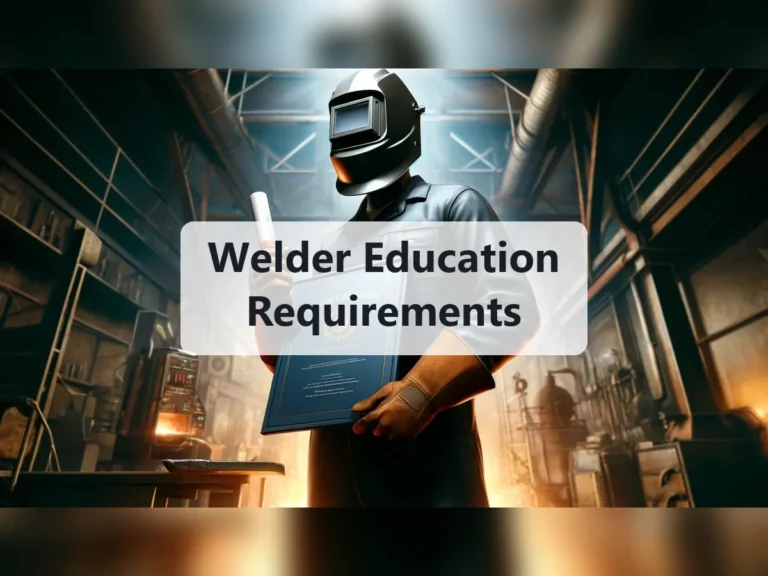
A high school diploma or equivalent may be preferred but hands-on ability can carry significant weight Technical school community college apprenticeship experience military training or documented shop practice.
Certifications can help but they do not replace practical skill A credential may show that a person performed a test under defined conditions it does not automatically prove.
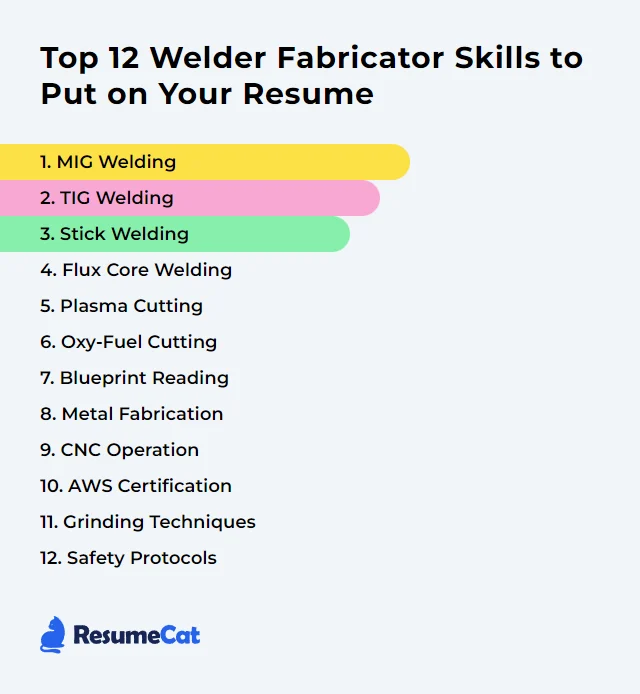
- Essential foundation: Safe tool use, measurement, basic welding control, material handling, and dependable attendance.
- High-value skills: Blueprint reading, weld-symbol recognition, fit-up, distortion control, and multi-process capability.
- Useful evidence: Certifications, completed projects, supervisor references, a skills test, or a concise work portfolio.
- Professional habits: Asking when instructions are unclear, documenting defects, protecting equipment, and meeting quality requirements.
Blueprints, symbols, and measurements
Fabricators must translate two-dimensional information into a three-dimensional assembly This includes recognizing dimensions tolerances views section details material callouts weld symbols notes and revision marks A person who.
Measurement skills include using a tape measure combination square framing square angle finder calipers levels and other inspection tools The exact tool depends on the employer but the principle is consistent measure from a defined reference record the result. This is an important consideration for welder fabricator jobs.
Fit-up and weld quality
Fit-up controls joint gap, alignment, root opening, edge preparation, and the amount of correction needed later. Poor fit-up can cause excessive filler use, lack of fusion, burn-through, distortion, or an assembly that fails dimensional inspection.
Weld quality is judged by more than appearance Relevant factors may include penetration fusion bead profile undercut porosity cracking spatter starts and stops and compliance with a written.
Physical and soft skills
The work may require standing, bending, kneeling, climbing, lifting, pushing, pulling, and holding tools in awkward positions. Heat, noise, fumes, vibration, and limited visibility can increase fatigue, so pacing and safe positioning matter.
Communication is equally practical. A fabricator must coordinate with supervisors, inspectors, fitters, machine operators, installers, and other trades. Reporting a wrong dimension or damaged material early is a strength, not an admission of failure; hiding it usually creates more expensive rework.
How to Prepare for Welder Fabricator Jobs
A focused preparation plan is more useful than collecting unrelated certificates. Start by comparing several job descriptions and recording the repeated requirements: processes, materials, positions, drawings, tools, travel, shift, and testing. This reveals which skills are broadly useful in your local market.
If you are new prioritize supervised practice on common materials and joint types Learn to prepare clean joints establish stable fit-up control travel speed and inspect your own.
Experienced applicants should also identify gaps. A worker who has spent years on carbon steel production may need practice with aluminum, stainless steel, pipe positions, field installation, or detailed drawings before moving into a different specialty.
- Read the market: Compare local postings to identify recurring processes, materials, shifts, and certifications.
- Build evidence: Keep a record of projects, processes, positions, materials, equipment, and responsibilities.
- Practice broadly: Combine welding with layout, cutting, drilling, fit-up, inspection, and safe material handling.
- Target the gap: Choose training that directly matches the next role rather than adding credentials without a purpose.
Training routes
Trade school offers structured instruction and access to equipment, while community college programs may combine welding with drafting, machining, fabrication, or inspection. Apprenticeships provide supervised work experience and classroom learning, often with progression tied to demonstrated skills.
Employer training can be the most direct route for an entry-level applicant, especially in production environments with standardized work. However, employer-specific training may not transfer as broadly as experience across several processes or industries. Consider both immediate entry and future mobility.
Certifications and qualification tests
In the United States welding certifications are commonly associated with performance tests administered under a recognized standard or employer procedure The value of a certification depends on whether.
Ask who administers the test, what standard or procedure governs it, whether continuity requirements apply, and whether the employer pays testing costs. Do not claim a certification that has expired or does not cover the process listed on the application.
Building a strong application
Use a resume that states processes and responsibilities precisely Welding and fabrication is less informative than GMAW and FCAW on carbon-steel structural assemblies interpreted shop drawings performed layout.
A portfolio can help custom and architectural shops, but it should show work clearly and protect confidential information. Use several representative examples rather than a large collection of nearly identical photographs. Be ready to explain your process, the challenges, and how you verified the result.
Pay, Scheduling, and Advancement
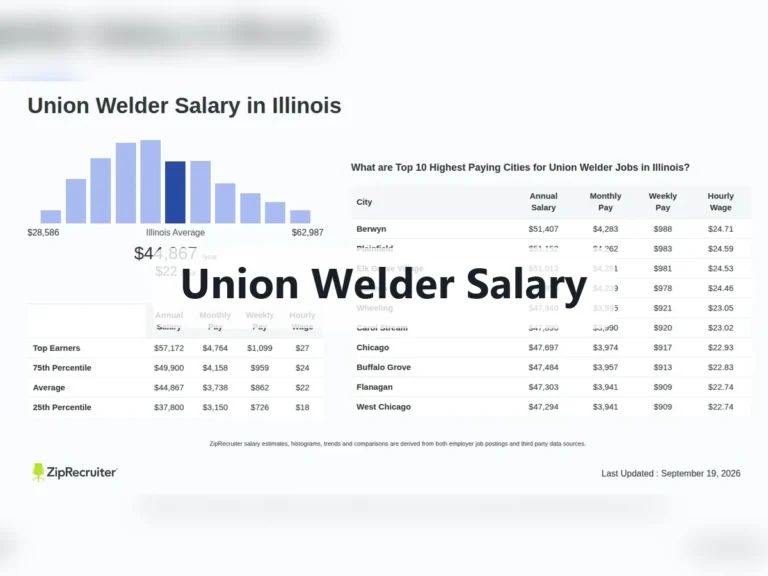
Compensation varies by region industry experience shift overtime and the difficulty or risk of the work A high hourly rate may reflect night work extensive travel temporary shutdowns.
Benefits may include health coverage retirement contributions paid time off training shift premiums tool allowances per diem or travel reimbursement Ask whether overtime is frequent or occasional and.
Advancement can lead toward lead fabricator, welding supervisor, quality control, estimator, detailer, inspector, instructor, field superintendent, or specialized technician. Progress usually depends on reliable quality, production judgment, documentation, communication, and the ability to solve problems without creating safety risks.
| Career factor | What to compare | Why it matters |
|---|---|---|
| Base pay | Hourly rate, salary status, probation changes | Shows regular compensation but not total earnings |
| Schedule | Shift, weekend work, overtime, shutdowns | Affects fatigue, family time, and annual income |
| Travel | Local sites, overnight work, per diem, drive time | Can increase earnings while adding substantial demands |
| Benefits | Insurance, retirement, leave, training support | Changes the practical value of the offer |
| Growth | Testing, cross-training, lead opportunities | Determines whether the role supports a longer career |
What increases earning potential
Higher-value capabilities may include pipe welding, structural work in multiple positions, stainless or aluminum expertise, blueprint-heavy custom fabrication, field installation, robotic welding support, and inspection-related knowledge. These skills are valuable only when matched to real employer demand and demonstrated performance.
Willingness to work a difficult shift can improve earnings, but it should be evaluated against fatigue and safety. Overtime can be attractive temporarily, yet consistently excessive hours may reduce concentration and increase the chance of mistakes or injuries. These practical limitations also matter for welder fabricator jobs.
Safety, Quality, and Daily Work Habits
Welding and fabrication involve fire, electricity, compressed gases, fumes, ultraviolet radiation, hot metal, sharp edges, moving equipment, noise, and stored energy. Employers should provide appropriate procedures, training, ventilation, protective equipment, and hazard controls, but workers must use them consistently and report unsafe conditions.
Personal protective equipment may include a properly selected welding helmet safety glasses gloves flame-resistant clothing hearing protection respirators where required and protective footwear The correct equipment depends on.
Good housekeeping is part of production quality. Cords, hoses, scrap, grinding dust, gas cylinders, and hot parts can create hazards or damage work. A clean station makes defects easier to spot and reduces rushed movements near equipment.
- Control ignition sources: Keep combustibles away from hot work and follow required fire-watch or permit procedures.
- Manage fumes: Use effective ventilation and follow workplace rules for hazardous coatings, stainless alloys, and confined spaces.
- Secure the work: Clamp or support parts so they cannot shift, fall, roll, or release stored energy.
- Respect hot metal: Mark, isolate, or communicate hot parts instead of relying on appearance to judge temperature.
Common quality failures
Porosity can result from contamination, inadequate shielding, leaks, drafts, or incorrect settings. Undercut may reflect excessive current, travel speed, or poor technique. Distortion often begins with uneven heat input, weak fixturing, or an assembly sequence that was not planned.
When a defect appears grinding over it without finding the cause may allow the problem to return or conceal a serious discontinuity Stop identify the likely cause and.
Physical sustainability
Body positioning, task rotation, lifting technique, and planned breaks help reduce fatigue. Workers should report pain, numbness, dizziness, unusual breathing difficulty, or heat stress symptoms promptly. Pressing through symptoms can turn a manageable issue into an injury or exposure event.
Employers should also address ergonomics through fixtures, hoists, adjustable benches, and sensible material flow. A skilled fabricator is not expected to compensate indefinitely for poor workplace design by taking unnecessary physical risks.
How to Evaluate a Job Posting and Interview
Job postings often use broad language such as must be flexible fabricate as needed or work in all positions Treat these phrases as prompts for questions The real.
Before accepting, ask what percentage of time is spent welding versus fitting, cutting, grinding, or installing. Ask which materials and processes are used, how performance is tested, who supplies tools, what training is provided, and how quality is inspected.
Also clarify the employment arrangement. A temporary assignment, direct hire, union position, project-based role, and subcontractor position may differ in benefits, stability, travel, and responsibility for equipment or certifications.
- Daily mix: “How is a normal shift divided among layout, fit-up, welding, finishing, and installation?”
- Quality system: “Which drawings, procedures, inspections, or acceptance criteria guide the work?”
- Work conditions: “How often are travel, outdoor work, elevated work, nights, or shutdowns required?”
- Development: “What skills or tests would help a new hire progress into more advanced assignments?”
Red flags to investigate
Be cautious when a posting promises unusually high pay but gives no clear information about location schedule travel or employment status Vague safety answers pressure to buy expensive.
A demanding job is not necessarily a bad job. The important distinction is whether the employer explains the demands honestly, provides appropriate training and controls, and pays according to the agreed terms.
Common Challenges and How to Handle Them
New fabricators often focus on making the weld look attractive while overlooking preparation and dimensional accuracy. A neat bead on a misaligned assembly is still a failed result. Build the habit of checking the drawing, joint, fit-up, and sequence before welding.
Another challenge is adapting settings and technique to changing conditions. Material thickness, joint position, cleanliness, wire or electrode choice, shielding, and heat sinking can all affect the result. Record what changes improve the weld instead of relying on guesswork.
Experienced workers may face a different problem: overconfidence with unfamiliar materials or procedures. Skills transfer, but not perfectly. Pause when the process, alloy, coating, access, or inspection requirement changes.
- Skipping verification: Cutting or welding before checking the latest drawing revision creates avoidable rework.
- Ignoring fit-up: Poor gaps and alignment make a technically sound weld difficult or impossible.
- Hiding defects: Covering a problem delays correction and may compromise safety or inspection.
- Overlooking cleanup: Slag, oil, mill scale, paint, and moisture can affect weld quality and expose workers to harmful fumes.
When a job is not the right fit
A position may be unsuitable if the required travel, physical demands, shift, exposure, or pace conflicts with your circumstances. It may also be a poor fit if the employer expects independent code-related work but offers no training and your current experience is limited.
Declining a mismatch can protect your reputation and safety. Look for a role that develops the missing skill under appropriate supervision rather than accepting duties you cannot perform safely or accurately.
FAQ About Welder Fabricator Jobs
Are welder fabricator jobs entry-level?
Some are. Entry-level openings commonly involve material preparation, basic fit-up, production welding, grinding, and cleanup under supervision. More advanced positions may require independent drawing interpretation, multiple processes, structural or pipe experience, and a successful skills test.
Do I need a college degree for these jobs?
Usually not. Employers commonly value hands-on training, technical school, apprenticeship experience, certifications that match the work, and evidence of safe, accurate performance. Some specialized supervisory or engineering-related paths may require additional education.
What should I put on a welder fabricator resume?
List welding processes, materials, positions, thickness ranges when relevant, fabrication tasks, drawing skills, cutting equipment, inspection duties, certifications, and safety responsibilities. Describe results accurately and avoid listing a process you have only observed.
Is fabrication harder than welding?
They involve different demands. Welding emphasizes process control and joint quality, while fabrication adds layout, measurement, fit-up, cutting, forming, assembly, and dimensional accuracy. A welding fabricator must manage both sets of requirements.
How can I get hired without professional experience?
Seek supervised training, entry-level production roles, apprenticeships, or school programs with substantial shop time. Prepare a clear skills summary, bring accurate examples of practice work, and show that you understand safety, measurement, and willingness to learn.
Are certifications required for every fabrication job?
No. Requirements depend on the product, employer, contract, governing specifications, and responsibilities. Certifications can improve access to certain positions, but they must match the process, material, position, and qualification range required by the job.
What is the biggest difference between shop and field positions?
Shop roles usually provide a controlled workspace and repeatable access to tools. Field roles involve changing locations, weather, access limitations, installation coordination, and sometimes travel or irregular schedules. Read the posting carefully and ask how often field work occurs.
Conclusion
Welder fabricator jobs suit people who enjoy practical problem-solving and want to combine welding with measurement assembly drawing interpretation and quality control The best opportunity is not necessarily.
Review each posting as a complete work system, verify the actual duties, and build evidence of accurate, safe performance. Because hot work and industrial fabrication carry real hazards, never substitute confidence for training, approved procedures, ventilation, or protective equipment.
Choose three local welder fabricator jobs, compare their repeated requirements, and make a focused plan to close your most common skills gap.