Underwater Welder Income: Practical Guide and Important Details
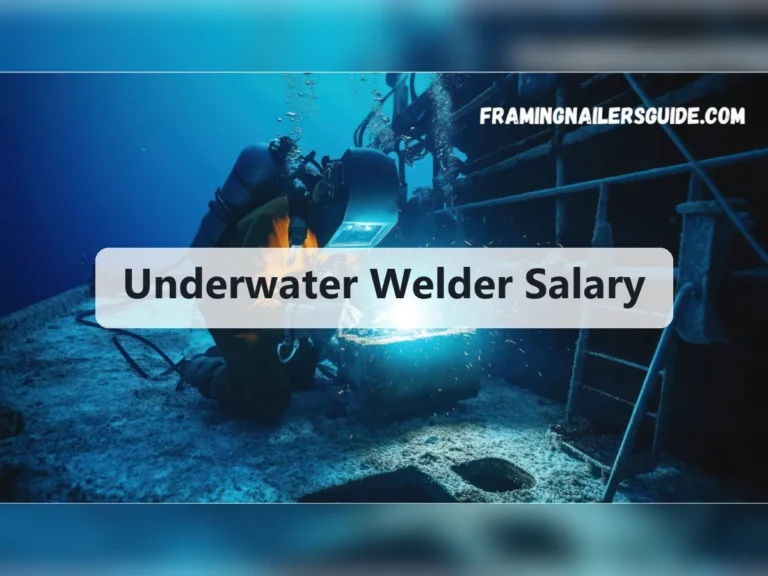
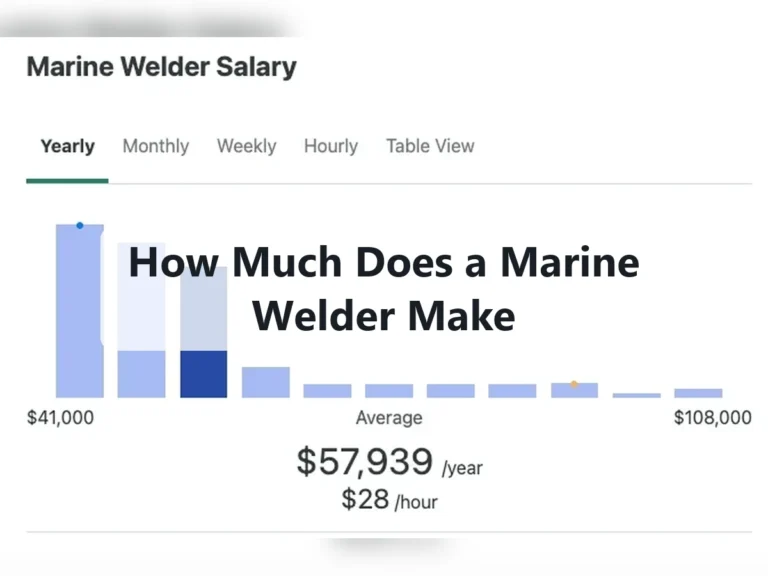
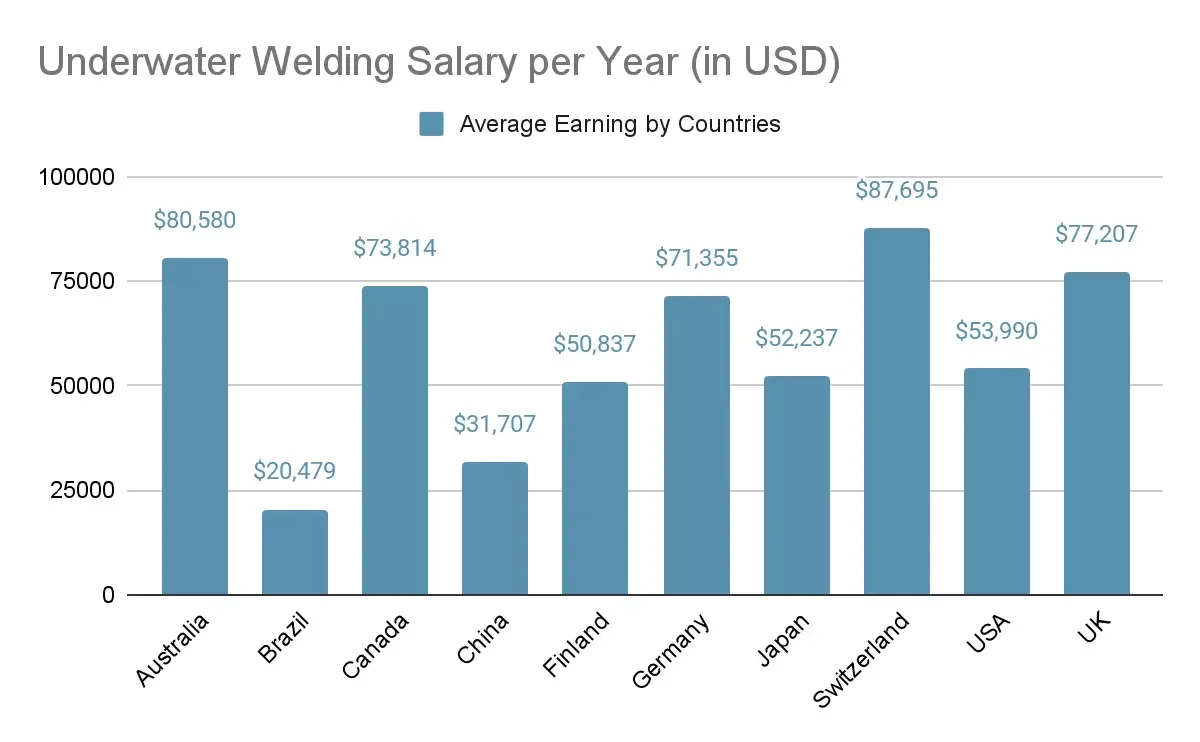
Underwater welders in the United States commonly earn about $40,000 to $100,000 per year, while experienced commercial divers on specialized or remote projects may earn more.
Most people researching underwater welder income are trying to decide whether this career is financially worthwhile before committing to commercial diving training welding credentials medical evaluations and a.
Pay is not determined by the welding task alone A diver s commercial certifications surface-supplied diving ability welding skill depth qualification project location union or contractor arrangement overtime.
- ✓Commercial diving experience and specialized qualifications usually matter more than the job title alone.
- ✓Annual income can fluctuate because underwater work is project-based, seasonal, weather-dependent, and sometimes travel-heavy.
- ✓Higher rates often compensate for depth, cold water, complex equipment, remote locations, overtime, or unusual risk.
- ✓Compare total compensation after travel, gear, insurance, taxes, training costs, and unpaid downtime—not just the advertised hourly rate.
What underwater welder income usually looks like
Underwater welding is a specialized part of commercial diving, not simply ordinary welding performed underwater. The worker may inspect, repair, cut, install, or maintain marine structures while using surface-supplied breathing equipment, communications gear, electrical systems, and a carefully controlled work plan.
That distinction explains why pay ranges are wide An entry-level commercial diver assisting with inspection or basic maintenance may earn considerably less than a certified diver who can.
National salary figures should therefore be treated as planning ranges rather than promises. Some workers receive a steady hourly wage from a contractor, while others are paid daily, by project, through a union scale, or with overtime and travel allowances layered on top.
- Entry stage: New divers often begin with support, inspection, maintenance, or deck duties before receiving the most technical welding assignments.
- Experienced stage: Pay tends to improve when a diver can work independently, document inspections, troubleshoot equipment, and complete several types of underwater repair.
- High-end stage: Remote offshore, deep, emergency, or highly specialized work can produce premium earnings, but it is less predictable and more demanding.
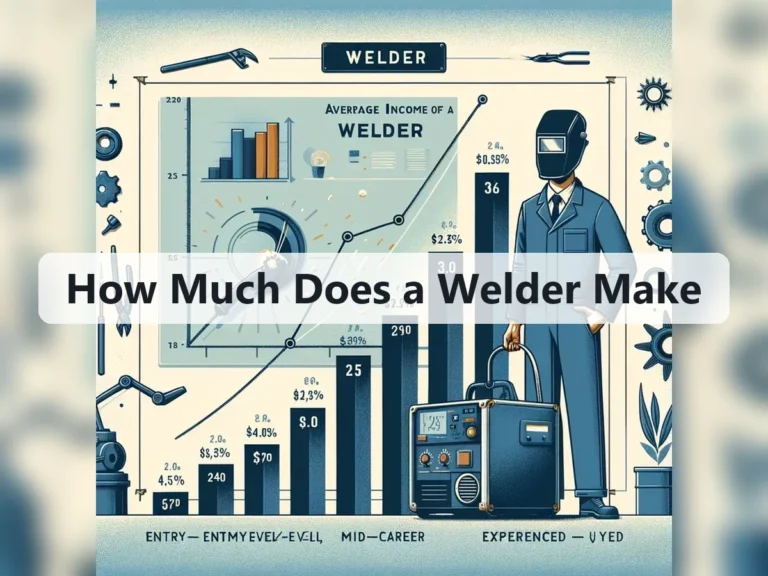
A practical U S planning estimate is roughly 40 000 to 60 000 for many early-career commercial diving roles about 60 000 to 100 000 for established workers.
For example a diver earning a high daily rate for a short shutdown may not make more over the year than a worker with a lower hourly rate.
How employers calculate pay
Understanding the pay structure is more useful than memorizing one annual number. Ask whether an employer is quoting a base wage, a guaranteed annual salary, a billable day rate, or a best-case total that assumes heavy overtime. Those descriptions are not interchangeable.
Commercial diving jobs may use an hourly rate for regular time an overtime rate after a defined number of hours a daily rate for field assignments or a.
When evaluating underwater welder income, separate gross earnings from usable income. Gross pay is the amount before taxes and deductions. Usable income must account for housing during travel, meals, transportation, equipment replacement, certifications, medical clearances, insurance, retirement contributions, and weeks without a project.
- Guaranteed hours: Find out whether the employer promises a minimum number of hours or only offers work when a contract is active.
- Overtime trigger: Confirm when overtime begins and whether it applies to travel, standby, underwater time, or only hours at the job site.
- Travel treatment: Ask about flights, mileage, lodging, meals, per diem, and whether travel time is paid.
- Downtime: Determine who absorbs lost time caused by weather, equipment failure, vessel delays, or canceled work.
Hourly, daily, and project-based compensation
An hourly arrangement is usually easiest to compare particularly for local construction repair and maintenance work A daily rate may look more attractive but the comparison is meaningful.
Project-based compensation can reward efficiency and specialized expertise, but it also shifts risk to the worker or subcontractor. A project that takes longer because of poor visibility, currents, damaged equipment, or difficult access may reduce the effective hourly return unless the contract addresses those conditions.
Why overtime can distort annual figures
Some published income examples reflect long rotations, shutdowns, emergency repairs, or extended offshore assignments. Those periods can generate exceptional earnings, but they may not be available every month. A realistic budget should model a normal year, a strong year, and a slow year.
For instance a worker could earn 30 per hour during regular local work and still approach a much higher annual total during a busy season with overtime If.
What increases or limits earning potential
The strongest pay drivers are usually combinations of skill, responsibility, environment, and availability. Welding ability is important, but a contractor also values a diver who can prepare a job safely, communicate clearly with the surface team, maintain equipment, read plans, and produce reliable documentation.
Depth is another factor, although deeper work is not automatically better paid. It may require specialized procedures, decompression planning, mixed-gas systems, longer preparation, and stricter supervision. A diver who is qualified for that environment may command more, but the number of suitable projects can be smaller.
Location also matters. Coastal states, major ports, inland waterways, shipyards, offshore energy regions, and areas with substantial bridge or dam infrastructure may offer more opportunities than markets with little commercial diving activity. Relocating can increase access, but housing and travel costs can consume the advantage.

- Technical range: Welding, burning, inspection, hydraulic repair, rigging, nondestructive testing, and underwater construction can make a diver more useful across projects.
- Work environment: Cold water, low visibility, strong currents, contaminated water, depth, and remote access may support higher rates but add preparation and risk.
- Reliability: A strong safety record, punctuality, equipment discipline, and accurate paperwork can lead to repeat assignments and promotion.
- Mobility: Willingness to travel or work rotations may open higher-paying contracts, while local-only preferences can narrow the market.
Credentials and training
Employers commonly look for recognized commercial diving training, current medical clearance, first aid and cardiopulmonary resuscitation training, and evidence of welding competence. Exact requirements vary by employer, client, location, and task. A recreational scuba certification does not qualify someone for professional commercial diving work.
Additional training can improve access to certain assignments, but certificates are not a substitute for logged commercial experience. An employer may prefer a diver with fewer specialized credentials who has demonstrated safe performance over someone with a long list of recent courses but little field time.
Welding credentials can also have limits. A qualification for a particular process, material, position, or procedure does not automatically authorize every underwater repair. The contractor and client may require procedure-specific testing, inspection standards, or a qualification supervised by an approved organization.
Employment type and bargaining power
Direct employees may receive steadier scheduling, benefits, paid training, and equipment support. Contractors or freelance divers may negotiate higher gross rates but handle more taxes, insurance, travel, downtime, and equipment costs themselves.
Union representation or a formal wage scale can improve transparency where available especially when jobs involve multiple classifications overtime rules and travel provisions Nonunion employers may offer competitive.
Where the better-paying work is found
Underwater welders work in several industries, and each has a different balance of income, stability, travel, and risk. Ship repair, port maintenance, bridge construction, dams, water infrastructure, offshore energy, salvage, aquaculture, and industrial inspection can all use commercial divers.
Marine construction may provide recurring work in active ports and coastal regions. Offshore assignments can pay more because of travel, long rotations, specialized equipment, and demanding logistics, but they may involve extended time away from home and strict medical or safety requirements. This is an important consideration for underwater welder income.
Inland work should not be dismissed as low-paying. Dams, locks, hydroelectric facilities, bridges, water intakes, and municipal infrastructure require difficult inspections and repairs. Cold water, poor visibility, entanglement hazards, and limited access can make these projects technically demanding even when they are not offshore.
- Ship and harbor work: Often combines inspection, hull repair, propeller work, welding, and maintenance near established marine facilities.
- Offshore work: May offer stronger rates and organized rotations, but requires travel, stricter logistics, and comfort with extended deployments.
- Inland infrastructure: Can provide regional opportunities involving bridges, dams, pipelines, and water facilities, often with cold or low-visibility conditions.
- Salvage and emergency work: May pay a premium for urgency and unusual conditions, but scheduling, safety planning, and income consistency are less predictable.
Specialty selection should match your tolerance for travel and irregularity Someone who wants to remain near home may build a solid career in local marine construction or infrastructure.
Job availability is also cyclical Construction seasons maintenance shutdowns storm damage shipping activity environmental rules and energy investment can all affect demand A location with a high advertised.
Costs that reduce take-home pay
The advertised rate is only one side of the decision. Commercial diving requires specialized equipment, continuing education, medical fitness, transportation, and often a willingness to work away from home. Some employers supply major equipment, while others expect workers to maintain personal items or pay for particular credentials.
Training can represent a substantial upfront investment Tuition housing travel examinations medical evaluations work clothing tools and lost wages during school can make the first-year financial result much.
Taxes can also differ depending on whether you are an employee or an independent contractor. Contractors may need to reserve money for federal and state taxes, self-employment obligations, liability coverage, retirement savings, and unpaid administrative time.
- Training recovery: Estimate how many months of realistic after-tax earnings are needed to recover tuition and living costs.
- Equipment: Clarify what the employer supplies, what you must replace, and who pays for inspection or maintenance.
- Travel expenses: Confirm whether per diem is a reimbursement, taxable allowance, or amount expected to cover all meals and lodging.
- Benefits: Put a dollar value on health insurance, retirement contributions, paid leave, disability coverage, and guaranteed scheduling.
A simple comparison is to calculate effective annual pay total gross compensation minus unreimbursed work costs divided by the number of hours actually devoted to training travel standby.
Safety, health, and the price of higher pay
Underwater welding involves hazards that cannot be reduced to a salary calculation. Divers may face drowning, entanglement, pressure-related illness, electrical hazards, contaminated water, unstable structures, poor visibility, cold stress, fatigue, and equipment failure. A higher rate does not make an unsafe job acceptable.
Electrical work underwater requires rigorous isolation communication and job controls The responsible employer should have a clear work plan appropriate supervision verified equipment emergency procedures and a way.
Physical fitness also affects career length and income. Repeated heavy lifting, awkward positions, cold exposure, compressed-air environments, and irregular sleep can create cumulative strain. Medical clearance is not a guarantee that every assignment is suitable, and workers should disclose relevant concerns to qualified medical professionals.
- Do not trade controls for pay: Premium compensation should reflect difficult work, not missing procedures or inadequate equipment.
- Respect stop-work authority: A diver needs a clear process for pausing operations when visibility, current, equipment, or communication becomes unsafe.
- Track fatigue: Long rotations and overtime can increase error risk even when the work is technically within the planned limits.
- Check emergency readiness: Ask how the employer handles diver communications, standby support, decompression concerns, injury response, and evacuation.
The highest reported pay may be attached to the hardest conditions, but that does not mean the highest-paying path is the best path for every person. A sustainable career often comes from combining technical growth with employers that plan work properly and maintain equipment consistently.
How to compare a job offer realistically
Before accepting a position, request the compensation terms in writing. Verbal descriptions such as “six figures possible” may refer to a small group of workers during an unusually busy period rather than the normal result for a new hire.
Ask what a typical worker earned in the previous full year, how many paid hours were available, and how much time was spent traveling or waiting. An employer may not disclose every detail, but a clear answer about scheduling and pay practices is a useful sign.
- Identify the guaranteed base: Record the hourly, daily, or salary amount and the classification attached to it.
- Map the schedule: Estimate normal workdays, overtime, rotations, seasonal slowdowns, standby, and unpaid travel.
- Add compensation: Include overtime, per diem, bonuses, lodging, travel reimbursement, insurance, retirement contributions, and paid leave.
- Subtract personal costs: Remove taxes, commuting, meals not covered, equipment, certifications, medical checks, and training debt.
- Test three scenarios: Calculate a slow year, a normal year, and a busy year rather than relying on the best-case promise.
- Assess the work environment: Review safety procedures, supervision, equipment condition, emergency planning, and the employer’s reputation with current or former workers.
Consider an offer of 35 per hour with reliable year-round hours and benefits versus a 500 day rate that provides only intermittent projects and requires you to pay.
- Chasing the peak: Building a budget around emergency or offshore rates that are not guaranteed every year.
- Ignoring unpaid time: Treating travel, standby, training, and weather delays as if they were paid productive hours.
- Counting gross pay: Forgetting taxes, contractor expenses, insurance, and retirement savings.
- Skipping verification: Paying for a program or accepting a job without checking its actual placement record and work conditions.
How to increase earnings over time
Income growth is usually gradual. The most reliable strategy is to become useful on more projects while maintaining a strong safety and documentation record. Employers value divers who can solve problems without creating additional supervision or rework.
Start by mastering fundamentals: surface-supplied systems, underwater communications, rigging, inspection methods, basic repair, welding procedures, and equipment care. Keep accurate logs of projects, conditions, tasks, procedures, and qualifications. A clear work history makes it easier to demonstrate readiness for more responsibility.
After gaining field experience consider specialties that match regional demand Possible directions include nondestructive testing inspection hydraulic systems underwater burning and cutting pipeline or structural repair deeper commercial.
- Build a broad base: Welding alone may limit opportunities; inspection, rigging, repair, and documentation can keep you productive between welding assignments.
- Choose credentials strategically: Pursue training that local contractors actually request and that you can maintain or renew.
- Protect your reputation: Safe decisions, accurate reports, and dependable attendance can produce repeat work more effectively than aggressive job-hopping.
- Negotiate the whole package: Ask for travel pay, per diem, equipment support, overtime rules, and benefits—not only a higher base rate.
Networking also matters because many commercial diving opportunities are project-driven. Instructors, experienced divers, contractors, shipyards, and inspection firms may know when work is coming. Networking should supplement qualifications, not replace them.
Do not assume that changing employers every few months is the fastest route to higher pay. A strong project history, references, and documented progression can create more bargaining power than a series of short assignments with no clear increase in skill or responsibility.
FAQ about underwater welder income
How much does an entry-level underwater welder make?
Many beginners should plan around the lower portion of commercial diving pay ranges, often roughly $40,000 to $60,000 annually when work is available. The actual result depends on location, schedule, benefits, overtime, and whether the role includes support or non-welding duties.
New workers may need time to build logged experience before receiving the most technical welding assignments. Training debt and unpaid job-search or travel time can make first-year take-home income lower than the advertised wage.
Can an underwater welder make six figures?
Yes, some experienced commercial divers can exceed $100,000 in a strong year, particularly through offshore work, overtime, deep or specialized assignments, supervision, emergency projects, or extended rotations. Six-figure income is not automatic and may depend on unusually long hours or irregular project availability.
When evaluating that claim, ask whether the figure is a guaranteed salary, a past top-year result, or a total that assumes substantial overtime and travel allowances.
Do underwater welders earn more than regular welders?
They can, because commercial diving adds specialized training, life-support equipment, underwater procedures, and environmental hazards. However, the comparison depends on experience and annual hours. A highly experienced land-based welder with steady industrial or union work may earn more consistently than a new commercial diver.
Does depth automatically increase underwater welder income?
No. Depth may require additional training, procedures, equipment, and planning, which can support higher compensation. But pay also depends on the number of available projects, the employer’s rate structure, location, and the diver’s overall qualifications.
Is underwater welding paid hourly or by project?
Both arrangements are common. Employees may receive hourly wages or salaries with overtime, while field crews may use daily rates or project-based contracts. The important question is how many hours or days are actually paid and which costs the worker must cover.
What qualifications help an underwater welder earn more?
Recognized commercial diving training, current medical clearance, welding competence, surface-supplied diving experience, inspection ability, rigging knowledge, and a strong safety record can all help. The most valuable qualification is usually one that matches real local or industry demand.
Specialized credentials may open doors, but employers also look for logged experience, reliable documentation, equipment discipline, and the ability to work effectively with a surface team.
Are underwater welding jobs available year-round?
Some contractors provide steady work, but many assignments are affected by weather, season, maintenance shutdowns, construction cycles, vessel schedules, and client budgets. Offshore rotations may concentrate work into defined periods, while local infrastructure work can vary by region.
Ask an employer about average annual workdays and typical slow periods before using the job’s maximum earning potential in your financial plan.
Conclusion
Underwater welder income can range from modest entry-level earnings to well above 100 000 for experienced workers in specialized remote or overtime-heavy roles The decisive factors are not.
Because the work carries serious physical and operational risks a premium rate should never justify weak safety controls or an unrealistic schedule Compare guaranteed pay with effective annual earnings.
Before enrolling or accepting an offer, write down the guaranteed pay, expected paid days, overtime rules, unreimbursed costs, benefits, and safety provisions, then compare the result with a slow-year budget.