How to MIG Weld Without Gas: Practical Steps and Helpful Tips
You can MIG weld without an external gas cylinder by using self-shielded flux-core wire in a compatible welder.
That process is often called gasless MIG welding, although the machine is technically performing flux-cored arc welding rather than conventional solid-wire MIG. The wire contains flux that creates shielding as it burns, protecting the molten weld pool from much of the surrounding air.
The easily overlooked detail is that without gas does not mean without shielding You still need the correct flux-core wire the correct polarity clean metal and settings suited. This guide examines “how to mig weld without gas” and explains the details that matter in practice.
- ✓Use self-shielded flux-core wire, not ordinary solid MIG wire, when welding without a gas cylinder.
- ✓Most self-shielded flux-core setups require electrode-negative polarity, but the wire label and machine manual control.
- ✓Flux-core welding produces slag and more smoke than gas-shielded MIG, so ventilation and eye protection are essential.
- ✓Dragging the gun, maintaining correct stick-out, and removing slag between passes are central to reliable results.
- ✓Thin sheet metal, appearance-critical work, and indoor projects may favor gas-shielded MIG or another process.
How to MIG Weld Without Gas
When people ask how to mig weld without gas they usually mean welding with a wire-feed machine while leaving the shielding-gas bottle disconnected The practical answer is to.
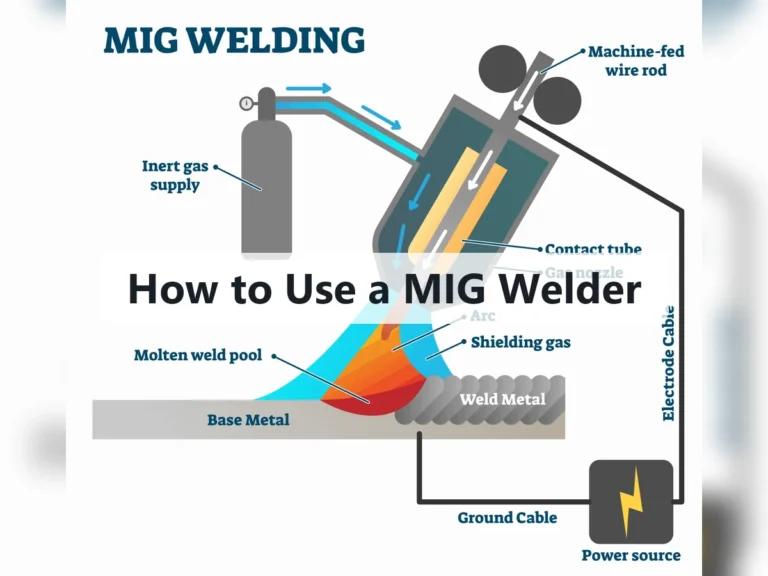
A standard MIG welder feeds a continuous electrode through a gun With solid wire the machine depends on external shielding gas such as an argon-carbon dioxide blend to.
This change affects nearly every part of the weld: polarity, wire type, gun angle, sound, smoke, spatter, bead profile, and cleanup. A gasless setup can be very useful outdoors or for general steel repair, but it is not simply solid-wire MIG with the bottle removed.
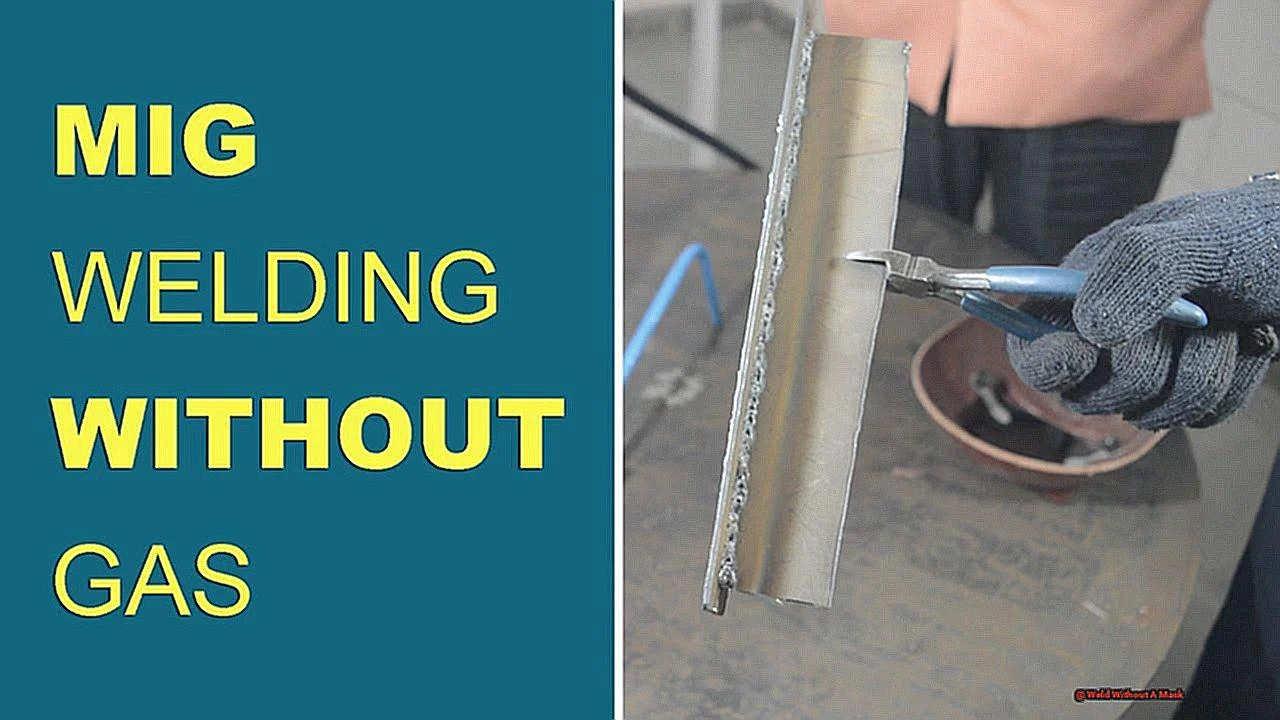
- Correct consumable: Use self-shielded flux-core wire marked for gasless operation; solid MIG wire will not shield itself.
- Slag is normal: A thin, hardened covering forms over the bead and must be removed before inspecting or adding another pass.
- Outdoor advantage: Flux-core shielding is less vulnerable to a light breeze than a gas cloud, although strong wind can still disturb the weld.
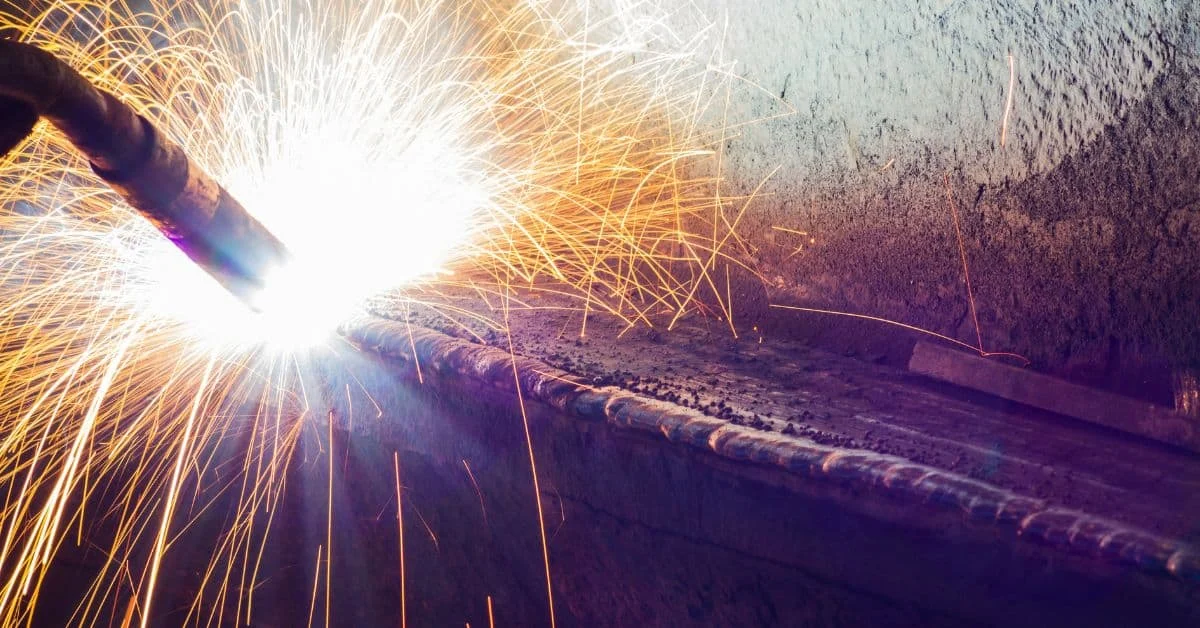
- Different arc behavior: Expect more smoke and spatter, a harsher arc, and more visible cleanup than with gas-shielded MIG.
Self-shielded flux-core versus gas-shielded MIG
Both processes use a continuously fed wire and can be performed with a MIG-style machine. The key difference is where the shielding comes from. Gas-shielded MIG uses a solid wire and an external gas flow, while self-shielded flux-core wire carries the shielding ingredients inside the electrode.
Flux-core wire is usually more tolerant of outdoor work because a small draft is less likely to blow away a shielding gas cloud However it does not make.
Flux-core welding can also penetrate well on heavier steel, especially with an appropriate wire and machine. Its disadvantages include more smoke, more spatter, slag removal, and often a rougher-looking bead. The most attractive process depends on the material, thickness, position, environment, and required appearance.
Equipment and Materials You Need
A successful gasless weld starts with a compatible machine and the right consumables. Many compact wire-feed welders support both solid MIG wire and self-shielded flux-core wire, but some machines are designed for only one process. Check the machine’s specifications before loading a spool.
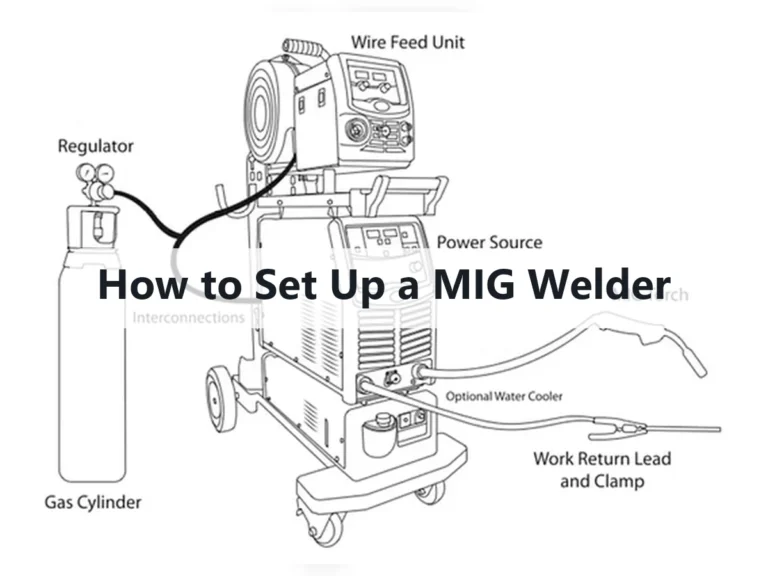
You need a welding power source with a wire feeder a suitable flux-core gun liner and contact tip self-shielded flux-core wire a work clamp and a reliable electrical.
For common mild-steel repairs, small-diameter wire can help control heat, while larger wire can deposit metal faster on thicker stock. The correct choice is determined by the wire’s specification, the welder’s output range, and the thickness of the joint—not by diameter alone.
- Machine rating: Confirm that the welder accepts self-shielded flux-core wire and can supply the required voltage and amperage.
- Wire specification: Match the wire classification to the metal and welding position; do not assume every flux-core spool is interchangeable.
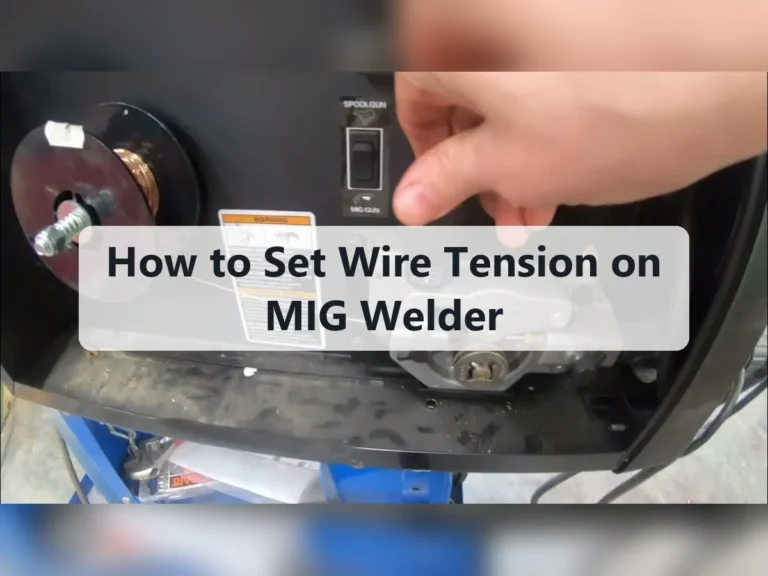
- Drive setup: Use the correct drive-roll groove, tension, liner, and contact tip for the wire diameter.
- Safety equipment: Wear a properly rated helmet, welding gloves, flame-resistant clothing, closed footwear, and suitable eye protection for grinding.
Choosing wire diameter
Small flux-core wire is often easier to control on thinner material because it can run at lower output Larger wire may be more productive on heavier steel but.
Use wire intended for the metal you are joining. Most general-purpose self-shielded wires are made for carbon steel. They are not automatically suitable for stainless steel, galvanized coatings, cast iron, or aluminum.
Specialty materials require compatible wire and, in many cases, a different process and setup.
Polarity, contact tips, and gun parts
Many self-shielded flux-core wires run with DC electrode negative also called straight polarity This is the opposite of the polarity commonly used for many solid-wire MIG applications Reversing.
Do not rely on memory alone. Read the wire label and verify the connection diagram inside the welder’s door or manual. Swap the leads only when the machine is unplugged or powered down according to its instructions.
The contact tip must match the wire diameter A tip that is too tight can cause feeding problems while one that is excessively worn can produce an erratic.
Preparing the Workpiece and Welder
Preparation determines whether the arc can melt clean metal or has to fight through rust paint oil mill scale and moisture Flux-core welding can tolerate some surface contamination.
Remove paint grease loose rust and thick scale from the joint and the area where the work clamp attaches A clean clamp connection reduces electrical resistance and helps.
Set the machine on a stable surface route the gun cable without sharp bends and position the work so you can maintain a consistent angle and travel speed.
- Clean joint: Expose bright, sound metal where the arc will start and finish.
- Secure work clamp: Attach it to clean metal close enough to provide a dependable circuit.
- Correct polarity: Confirm the lead arrangement for the specific self-shielded wire.
- Dry consumables: Keep wire protected from moisture and replace wire that is badly rusted or contaminated.
Loading and threading the wire
Install the spool so the wire feeds from the proper direction then set the drive-roll pressure just high enough to feed consistently Too little pressure causes slipping too.
Trim the wire cleanly before inserting it through the liner Once it reaches the gun install the correct contact tip and nozzle arrangement for the flux-core process Some.
Finding a usable starting setting
Start with the chart printed on the welder or wire package. It should relate wire size and material thickness to wire-feed speed and voltage. These numbers are starting points, not guarantees, because joint position, fit-up, stick-out, electrical supply, and machine calibration affect the result.
Make test welds on scrap of the same thickness and similar condition as the project Adjust one control at a time A stable arc should produce a consistent.
How to MIG Weld Without Gas: A Practical Technique
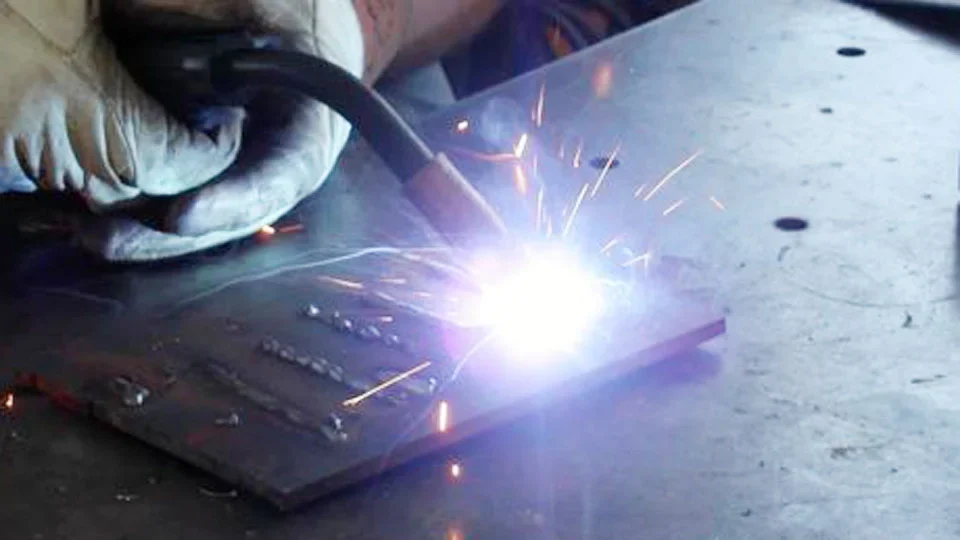
Once the machine is prepared technique becomes the main variable Self-shielded flux-core wire typically requires a drag angle meaning the gun points slightly back toward the completed weld.
Hold a consistent stick-out usually guided by the wire manufacturer s instructions Stick-out is the distance from the end of the contact tip to the workpiece Holding too.
Keep the gun angle, arc length, and travel speed steady. Watch the leading edge of the puddle rather than only the bright arc. The leading edge shows whether the molten metal is reaching both sides of the joint and whether the pool is getting too large.
- Position the joint: Support and clamp the pieces so movement is minimized. Sit or stand where your helmet and gun hand can remain stable.
- Set the work clamp: Attach it to clean metal and confirm that the cable is not stretched or damaged.
- Make a test tack: Use scrap or a small tack to confirm feeding, polarity, and arc response before committing to the joint.
- Start slightly ahead: Trigger the arc with the wire aimed at the joint, then establish a controlled puddle instead of racing forward immediately.
- Drag consistently: Keep a modest travel angle and move at a speed that lets the puddle wet both edges.
- Release cleanly: At the end, pause only as needed to fill the crater, then break the arc without leaving a sharp depression.
- Inspect and clean: Let the bead cool enough to handle, chip the slag, and brush the surface before judging the weld.
- Travel direction: Drag the gun unless the wire manufacturer specifies a different technique.
- Arc length: Keep it short and controlled; a long arc increases spatter and reduces consistency.
- Travel speed: Move fast enough to avoid an oversized puddle but slowly enough to fuse both joint edges.
- Weld placement: Aim at the joint center while watching the puddle’s contact with each side.
Dragging, weaving, and bead width
A straight drag is usually the simplest starting technique It produces a narrower bead and reduces the number of variables while you learn the arc A small side-to-side. This distinction matters when answering “how to mig weld without gas”.
For a fillet weld direct the arc so the puddle reaches both legs of the joint For a butt joint maintain alignment over the seam and avoid letting.
Welding in different positions
Flat-position welding is the easiest because gravity helps hold the molten metal in place Horizontal vertical and overhead positions require a smaller puddle tighter control and often lower heat or shorter stitch lengths A setting.
Vertical-up welding can provide useful penetration on suitable material but demands careful puddle control Vertical-down welding is faster and can limit heat input on thin sheet but it.
Common Problems and How to Correct Them
Gasless flux-core welding has recognizable failure patterns. The appearance of the bead, the sound of the arc, and the condition of the slag often point toward the cause. Diagnose one variable at a time instead of changing voltage, wire speed, angle, and travel speed simultaneously.
Before troubleshooting, verify the basics: correct wire, correct polarity, a clean joint, a solid work connection, and a contact tip that matches the wire. Many apparent setting problems are actually feeding or setup problems.
- Using solid wire: Removing the gas while leaving solid MIG wire installed produces poor shielding and porous welds.
- Wrong polarity: The arc may sound harsh, spit heavily, or fail to produce the expected penetration.
- Long stick-out: Excessive distance from tip to work makes the arc weak and inconsistent.
- Skipping slag removal: A later pass can trap slag and create inclusions that are hidden beneath the bead.
Porosity, pinholes, and dirty welds
Porosity appears as small holes or cavities in the weld metal Causes include damp or contaminated wire paint or oil on the steel excessive wind an incorrect wire.
Do not simply weld over visible porosity without removing the defective area when the joint matters. Grind or otherwise remove the questionable metal as appropriate, clean it, and make a new pass. For critical work, visual appearance alone cannot prove internal soundness.
Excessive spatter and an unstable arc
Some spatter is normal with self-shielded flux-core wire but large globules usually indicate an incorrect setting or technique Check polarity first then compare voltage and wire-feed speed with.
If the wire stubs into the work the feed may be too slow for the selected voltage the contact tip may be obstructed or the gun may be.
Undercut, lack of fusion, and burn-through
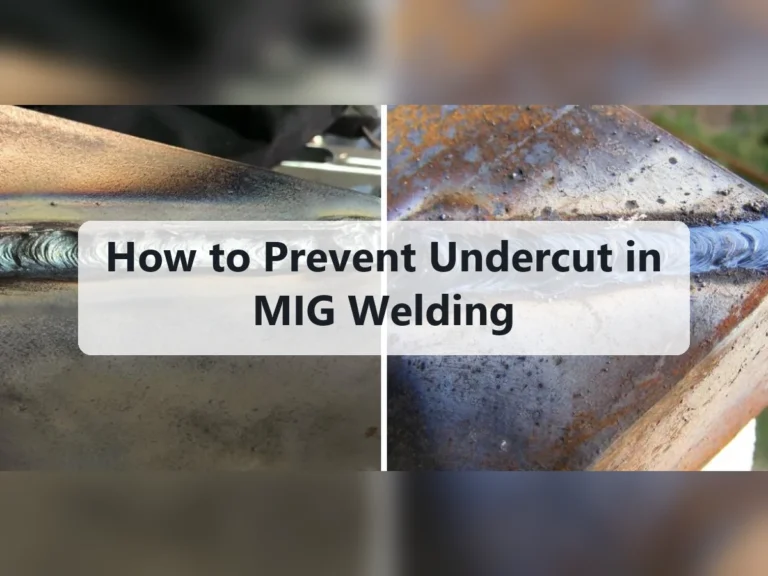
Undercut is a groove melted into the edge of the base metal and left unfilled It can result from excessive heat travel that is too fast an incorrect.
Lack of fusion occurs when the weld metal does not properly melt into the base metal or an earlier pass Common causes include insufficient heat excessive travel speed.
Safety, Ventilation, and Weld Quality Limits
Flux-core welding without a gas cylinder is not a low-risk shortcut The arc emits intense ultraviolet and infrared radiation the wire is electrically live when the trigger is.
Use a properly rated welding helmet and inspect the lens before working. Wear dry, intact gloves and flame-resistant clothing that covers exposed skin. Remove combustible materials from the work area, protect nearby people from arc flash, and keep a suitable fire extinguisher accessible.
Ventilation must remove fumes from your breathing zone without creating a strong draft across the weld Never weld in a confined space without a properly evaluated safety plan.
- Coatings matter: Do not casually weld painted, plated, solvent-contaminated, or galvanized material.
- Fume control: Use local exhaust or appropriate respiratory protection based on the material and workspace.
- Fire prevention: Inspect both sides of the work and nearby spaces for sparks, heat, and combustible debris.
- Electrical awareness: Keep the gun, cable, gloves, and work clamp in good condition and avoid wet working conditions.
When gasless welding is a poor choice
Thin automotive sheet highly visible decorative work and indoor jobs where smoke and cleanup are unacceptable may be better suited to gas-shielded MIG TIG or another process Flux-core.
Gasless welding is also not automatically appropriate for structural or safety-critical repairs. The required procedure may specify a particular process, filler metal, joint preparation, inspection method, or welder qualification. Follow the applicable repair instructions or engineering requirements rather than selecting a process only because it is convenient.
Flux-Core Welding Compared With Other Options
The best process depends on what you value most portability appearance penetration speed cleanup or control A gasless setup removes the need to transport and regulate a cylinder.
The following comparison focuses on practical distinctions for mild-steel work. Exact results vary with machine output, wire classification, joint design, and operator technique.
| Process | Main advantage | Main limitation | Typical fit |
|---|---|---|---|
| Self-shielded flux-core | Portable and useful outdoors; no gas cylinder | Smoke, slag, spatter, and more cleanup | General steel repair and field work |
| Gas-shielded MIG | Clean, productive welds with little slag | Gas can be disturbed by wind; requires cylinder | Indoor fabrication and appearance-conscious work |
| TIG | Excellent control and clean, precise welds | Slower and more demanding; usually requires shielding gas | Thin material, precision joints, and finish quality |
| Stick welding | Portable and tolerant of outdoor conditions | Separate electrodes and slag; less convenient on thin sheet | Heavy steel, repairs, and remote work |
Gasless flux-core or stick welding?
Both self-shielded flux-core and stick welding can operate without an external gas cylinder Flux-core offers continuous wire feeding which can be faster and easier for long seams Stick.
Flux-core is often easier for someone already comfortable with a wire-feed machine, but it still requires attention to polarity, stick-out, wire feed, and slag. Stick welding requires managing electrode length, starts, stops, and rod changes. Neither process eliminates the need for joint preparation and inspection.
Maintenance and Storage for a Gasless Setup
Routine maintenance prevents many feeding and arc problems. Keep the wire compartment dry, cover the spool when the machine is stored, and inspect the wire before use. Surface rust or moisture can increase friction and contaminate the weld.
Clean spatter from the gun nozzle and inspect the contact tip regularly. Replace tips that are enlarged, damaged, or clogged. Check the liner if the wire feeds intermittently even after drive-roll tension and spool drag are correctly adjusted.
- After welding: Brush or chip slag from the finished bead and clear loose debris from the work area.
- Before storage: Protect the spool from humidity and prevent the gun cable from being sharply kinked.
- During inspection: Look for damaged insulation, loose connections, worn tips, and irregular drive-roll wear.
- Before the next job: Test-feed a short length of wire and confirm the polarity and settings again.
FAQ About How to MIG Weld Without Gas
Can any MIG welder weld without gas?
No. The welder must support self-shielded flux-core wire, and its output range, drive system, polarity connections, and gun components must be compatible. Check the machine documentation before changing wire types.
Can I use regular MIG wire without gas?
Not reliably. Solid MIG wire depends on external shielding gas, so removing the gas usually creates porosity, oxidation, excessive spatter, and weak or unacceptable welds. Replace it with wire specifically made for self-shielded operation.
What polarity is used for gasless flux-core welding?
Many self-shielded flux-core wires use DC electrode negative, but the required polarity depends on the wire classification and manufacturer. Verify the spool label and welder instructions rather than assuming every flux-core wire uses the same arrangement.
Should I push or pull the gun when welding without gas?
A drag or pull technique is the usual starting point for self-shielded flux-core welding. Keep the gun angled slightly back toward the completed weld so the slag and shielding action remain behind the arc. Follow the wire instructions if they specify an exception.
Why does gasless welding create so much smoke?
The flux inside the wire decomposes to create shielding gases and slag, which produces more visible fumes than many solid-wire MIG setups. Use effective ventilation, avoid breathing the plume, and take extra precautions when welding coated or plated metal.
Can gasless MIG weld aluminum or stainless steel?
Ordinary self-shielded mild-steel flux-core wire is not suitable for aluminum or stainless steel. Those materials require compatible filler metal, machine components, shielding, and technique; aluminum in particular is commonly welded with a suitable gas-shielded process.
How do I know whether a gasless weld is strong?
A smooth appearance is not proof of strength. Check for proper fusion, adequate penetration, correct bead size, absence of cracks and visible porosity, and complete slag removal. For critical joints, use the required inspection method or have the work evaluated by someone qualified.
Conclusion
Learning how to mig weld without gas is mainly a matter of using self-shielded flux-core wire and adapting to its requirements. Confirm compatibility, set the specified polarity, clean the steel, practice on similar scrap, drag the gun with controlled stick-out, and remove slag before judging the result.
The process is portable and practical for many mild-steel repairs, especially where a gas cylinder is inconvenient. Its limitations—smoke, spatter, slag, wind sensitivity, and less control on thin or appearance-critical work—still matter, and safety precautions remain essential.