Can You MIG Weld 304 Stainless Steel: Clear Answers and Key Facts
For many fabricators, the question of whether a particular material can be welded using a specific process is a critical one. When it comes to stainless steel, especially the widely used 304 grade, and the Metal Inert Gas (MIG) welding process, there’s often a mix of enthusiasm and caution. You might be wondering if your trusty MIG setup is up to the task, or if you need to explore other, more specialized methods. The question “can you mig weld 304 stainless steel” becomes clearer once the surrounding conditions and practical details are considered.
Can You MIG Weld 304 Stainless Steel
The good news is that, yes, can you MIG weld 304 stainless steel is a question with a positive answer. It’s not only possible but often a preferred method in many applications due to its speed and relative ease of use compared to TIG welding. However, achieving high-quality, durable welds on 304 stainless steel with MIG requires understanding some key differences from welding mild steel.
In this article, I’ll delve into the specifics of MIG welding 304 stainless steel. I’ll cover the essential equipment, gas choices, wire selection, and techniques you’ll need to master. My goal is to equip you with the knowledge to confidently approach your stainless steel projects, ensuring strong, corrosion-resistant welds every time.
Understanding 304 Stainless Steel and Its Weldability
Before diving into the welding process, it’s helpful to understand what makes 304 stainless steel unique and why its weldability differs from plain carbon steel. 304 is an austenitic stainless steel, meaning its microstructure is primarily austenite. This structure is achieved through a significant chromium content (typically 18%) and nickel content (typically 8%), which also gives it its excellent corrosion resistance.
The presence of chromium and nickel, while beneficial for corrosion, introduces specific considerations for welding. Heat input during welding can affect these elements, potentially leading to issues like carbide precipitation, which reduces corrosion resistance, or distortion due to thermal expansion. Understanding these characteristics is the first step toward successful MIG welding.
Key Characteristics of 304 Stainless Steel:
- Corrosion Resistance: High resistance to rust and staining, especially in atmospheric and freshwater environments.
- Ductility: Excellent formability, allowing it to be bent and shaped easily.
- Non-Magnetic: In its annealed state, 304 is largely non-magnetic.
- Thermal Expansion: Has a higher coefficient of thermal expansion than mild steel, meaning it expands and contracts more with temperature changes. This increases the risk of distortion.
- Lower Thermal Conductivity: Retains heat more than mild steel, which can lead to overheating if not managed correctly.
Essential Equipment for MIG Welding 304 Stainless Steel
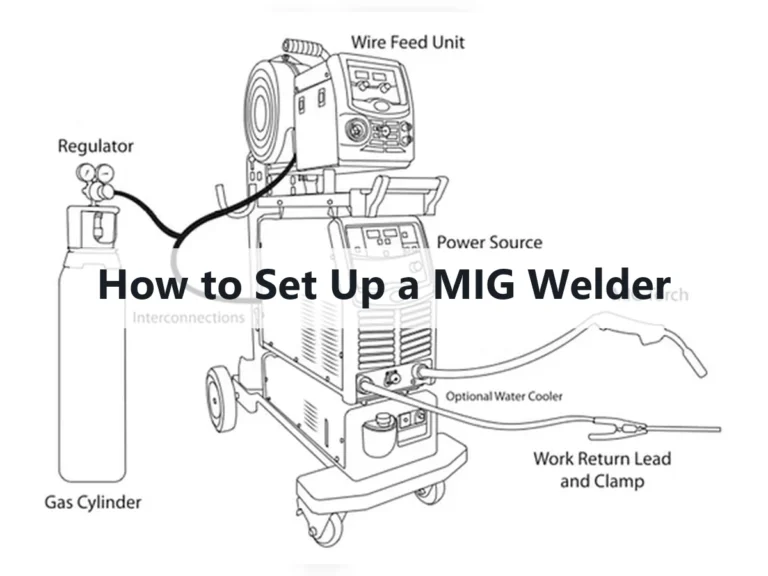
While a standard MIG welder can be used, optimizing your setup for stainless steel will yield far better results. Here’s what you’ll need:
MIG Welder
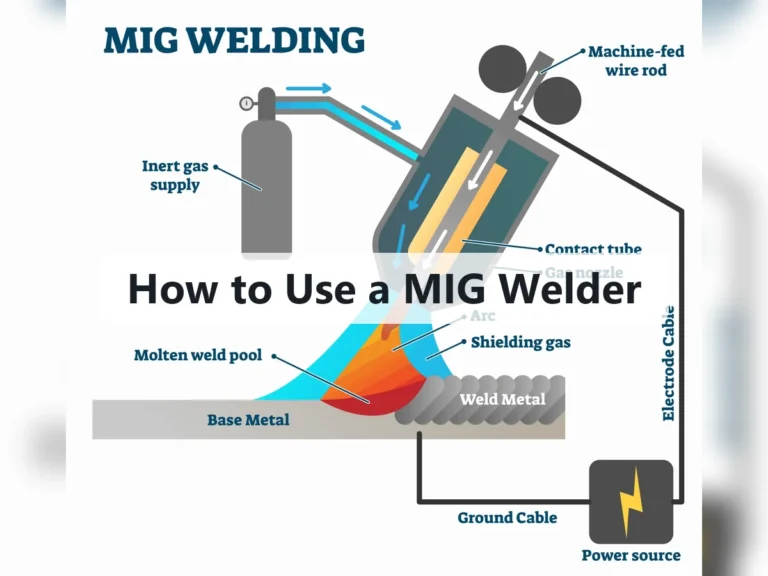
Any modern MIG welder capable of handling stainless steel wire and appropriate shielding gas will work. Look for a machine with good arc stability and precise voltage/wire feed speed control. Pulsed MIG welders are particularly advantageous for stainless steel as they help control heat input, reduce spatter, and improve penetration, but they are not strictly necessary for many applications.
Shielding Gas: The Critical Choice
This is perhaps the most crucial difference from mild steel MIG welding. You absolutely cannot use 100% CO2 or an argon/CO2 blend designed for mild steel. These gases will cause excessive oxidation, poor bead appearance, and a significant reduction in corrosion resistance.
- Argon with 1-2% Oxygen (Ar + O2): This is a very common and effective choice for spray transfer or globular transfer MIG welding of stainless steel. The small amount of oxygen helps stabilize the arc, improve wetting, and reduce surface tension, leading to a smoother, cleaner bead.
- Argon with 2-5% CO2 (Ar + CO2): While CO2 is generally avoided in higher concentrations, a small percentage (2-5%) can be used. It provides similar benefits to oxygen but might result in slightly more spatter and a darker weld bead. It’s generally less preferred than argon/oxygen for aesthetic and corrosion reasons.
- Tri-Mix Gases (e.g., Argon + Helium + CO2/O2): For thicker materials or specific applications requiring deeper penetration and higher travel speeds, tri-mix gases containing helium can be beneficial. Helium increases the arc voltage and heat input, but these gases are more expensive.
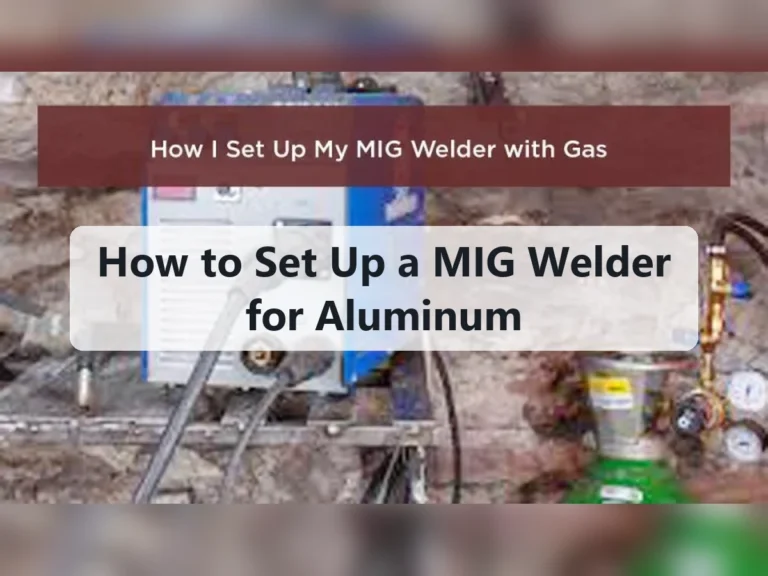
Always ensure your gas regulator is compatible with the gas cylinder you are using and that you have sufficient flow rate for your application (typically 20-30 CFH).
Welding Wire: Matching the Base Metal
Selecting the correct filler wire is paramount for maintaining the corrosion resistance and mechanical properties of the 304 base metal. You generally want to match the composition of your filler metal to your base metal, or slightly over-alloy it to compensate for element loss during welding.
- ER308LSi: This is the most common and recommended filler wire for MIG welding 304 stainless steel.
- ER308L: The “L” stands for low carbon, which is crucial. Low carbon content helps prevent carbide precipitation (sensitization) in the heat-affected zone (HAZ), which can lead to intergranular corrosion.
- Si: The “Si” indicates a higher silicon content. Silicon acts as a deoxidizer, helping to clean up the weld puddle and improve fluidity, resulting in a smoother, brighter bead and reduced spatter.
- ER309LSi: If you are welding 304 stainless steel to mild steel (dissimilar metals), ER309LSi is the preferred choice. It has a higher alloy content, which helps dilute the mild steel and prevent cracking.
Always ensure your wire diameter is appropriate for your material thickness and welding machine capabilities. Common diameters for MIG stainless steel are 0.023″, 0.030″, and 0.035″.
Contact Tips and Liners
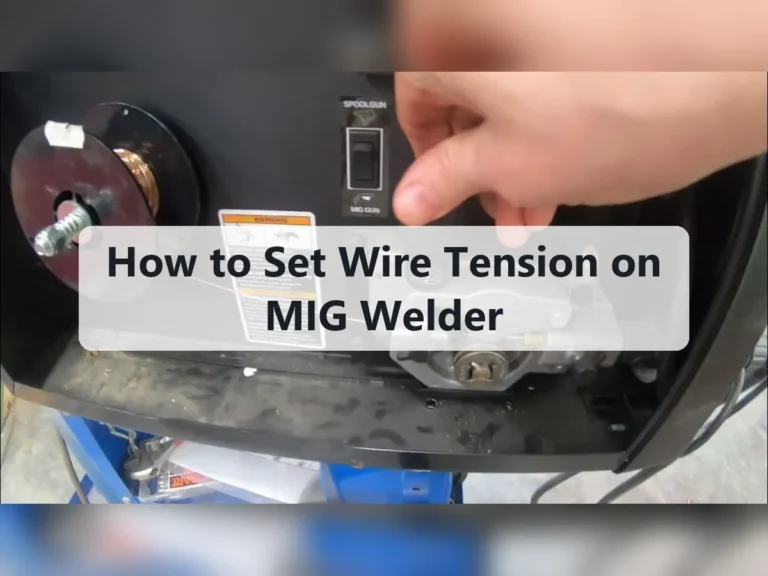
Just like with other metals, ensure your contact tips match your wire diameter. For stainless steel, it’s good practice to use a dedicated liner for stainless wire to prevent contamination from previous mild steel welding, which can introduce rust and compromise the stainless properties. Stainless steel wire is also softer than mild steel wire, so a slightly oversized liner can help with feeding.
Personal Protective Equipment (PPE)
Standard welding PPE is essential: welding helmet with appropriate shade, flame-resistant jacket or clothing, gloves, and safety glasses. Stainless steel fumes can contain chromium and nickel, so good ventilation or a fume extractor is highly recommended, especially in enclosed spaces.
Preparation is Key: Before You Strike an Arc
Proper preparation is even more critical for stainless steel than for mild steel. Contamination can severely compromise the corrosion resistance and appearance of your weld.
Cleaning the Base Metal
Thoroughly clean the joint area of any oils, grease, paint, rust, or scale. Use a stainless steel wire brush (never one previously used on carbon steel), acetone, or a dedicated stainless steel cleaner. Any contaminants can lead to porosity, poor fusion, and reduced corrosion resistance.
Joint Design and Fit-Up
Standard joint designs (butt, lap, corner, T-joint) are applicable. Ensure a tight fit-up to minimize gaps, which can lead to burn-through or excessive heat input. For thicker sections, a bevel may be necessary to ensure full penetration.
Back Purging (Optional but Recommended)
For critical applications, especially when welding thinner gauges or when maximum corrosion resistance is required on the backside of the weld, back purging with an inert gas (usually 100% argon) is highly recommended. Back purging prevents oxidation on the backside of the weld, which can lead to sugaring (a rough, porous, and brittle surface) and reduced corrosion resistance. This involves sealing the backside of the joint and introducing argon to displace oxygen.
Tack Welding
Use small, strategic tack welds to hold the pieces in place. Minimize heat input during tacking to avoid distortion and sensitization.
MIG Welding 304 Stainless Steel: Techniques and Parameters
Now that your equipment is ready and your material is prepped, let’s talk about the actual welding process.
Machine Settings: Voltage, Wire Feed Speed, and Amperage
Starting parameters for MIG welding stainless steel will be similar to mild steel of the same thickness, but often slightly lower voltage and wire feed speed are used to control heat input. Always refer to your wire manufacturer’s recommendations or your welder’s door chart as a starting point.
- Voltage: Typically 16-24V, depending on wire diameter and material thickness. Aim for a smooth, stable arc.
- Wire Feed Speed (WFS): This directly correlates with amperage. Adjust WFS to achieve the desired penetration and bead profile.
- Amperage: Determined by WFS and voltage. Keep heat input as low as possible while still achieving good fusion. Excessive heat is the enemy of stainless steel.
I always recommend doing test welds on scrap material of the same thickness to dial in your settings before working on your actual project.
Travel Speed and Technique
Maintaining a consistent and relatively fast travel speed is crucial for stainless steel. Slow travel speeds increase heat input, leading to distortion, carbide precipitation, and a wider heat-affected zone.
- Push Technique: Generally, I use a push technique (pushing the gun away from the weld puddle) for MIG welding stainless steel. This provides better gas shielding coverage, a flatter bead profile, and reduced penetration, which is often desirable for stainless.
- Short Arc or Spray Transfer: For thinner materials (up to 1/8 inch), short-circuit transfer is common. For thicker materials, spray transfer is preferred, especially with pulsed MIG, as it offers better penetration and less spatter.
- Weaving: Keep weaving to a minimum, especially on thinner materials. A slight oscillation can help flatten the bead, but wide weaves increase heat input and the risk of distortion. A straight stringer bead is often preferred.
- Intermittent Welding: For longer welds or thinner materials, consider using intermittent welds or skip welding to allow the material to cool between passes, minimizing heat buildup and distortion.
Controlling Heat Input
This cannot be stressed enough: controlling heat input is the single most important factor for successful MIG welding of 304 stainless steel. High heat leads to:
- Distortion: Due to stainless steel’s higher thermal expansion.
- Carbide Precipitation (Sensitization): When stainless steel is held in the temperature range of 800-1500°F (425-815°C) for too long, chromium carbides can form at the grain boundaries. This depletes the surrounding areas of chromium, making them susceptible to intergranular corrosion. Low carbon (L-grade) filler wire helps mitigate this, but excessive heat can still cause issues.
- Sugaring: Oxidation on the backside of the weld if not back purged.
- Discoloration: Excessive heat results in a darker, often blue or black, heat tint, which indicates surface oxidation and can reduce corrosion resistance.
To control heat:
- Use the lowest possible amperage and voltage settings that still provide good fusion.
- Maintain a consistent, relatively fast travel speed.
- Allow parts to cool between passes or sections.
- Use copper or aluminum backing bars to act as heat sinks.
Post-Weld Treatment for 304 Stainless Steel
Once your welding is complete, post-weld treatment is often necessary, especially if corrosion resistance and aesthetics are critical.
Cleaning and Passivation
After welding, the weld area and heat-affected zone will likely have a heat tint (discoloration) and possibly some surface oxides. These areas have reduced corrosion resistance and need to be treated.
- Wire Brushing: Use a dedicated stainless steel wire brush to remove any loose scale or slag. Again, never use a brush that has touched carbon steel.
- Grinding/Sanding: If a smooth finish is required, carefully grind or sand the weld bead. Use dedicated stainless steel abrasives to avoid contamination.
- Chemical Cleaning/Pickling: For critical applications, pickling pastes or solutions containing nitric and hydrofluoric acids can be used to remove heat tint and restore the chromium oxide layer. This is a hazardous process and requires proper PPE and ventilation.
- Passivation: This is the most crucial step for restoring full corrosion resistance. Passivation involves treating the stainless steel surface with an oxidizing agent (typically nitric acid or citric acid) to remove free iron and promote the formation of a stable, protective chromium oxide layer. This can be done through immersion or by applying a passivation gel.
Always follow manufacturer instructions for chemical treatments and ensure proper safety precautions are in place.
Common Challenges and Troubleshooting
MIG welding 304 stainless steel can present a few common issues. Here’s how to address them:
- Excessive Heat Tint/Discoloration:
- Cause: Too much heat input, slow travel speed, incorrect gas.
- Solution: Reduce voltage/WFS, increase travel speed, ensure proper shielding gas (Ar+O2).
- Porosity:
- Cause: Contamination (oil, grease, rust), insufficient gas shielding, incorrect gas, worn liner, dirty wire.
- Solution: Thoroughly clean base metal, increase gas flow, check for gas leaks, replace liner, ensure proper gas type, use clean wire.
- Distortion:
- Cause: High heat input, poor clamping, improper joint design.
- Solution: Use lower heat settings, faster travel speed, intermittent welding, good clamping, use heat sinks.
- Sugaring (Backside Oxidation):
- Cause: Lack of back purging, insufficient back purge gas flow.
- Solution: Implement back purging with inert gas (argon), ensure adequate flow.
- Lack of Fusion/Poor Penetration:
- Cause: Too low voltage/WFS, too fast travel speed.
- Solution: Increase voltage/WFS slightly, slow down travel speed.
- Excessive Spatter:
- Cause: Incorrect voltage/WFS settings, wrong gas, dirty base metal.
- Solution: Adjust settings for a smoother arc, ensure proper shielding gas, clean base metal.
When to Choose MIG for 304 Stainless Steel
MIG welding is an excellent choice for 304 stainless steel in many scenarios, particularly when:
- Speed is a factor: MIG is significantly faster than TIG welding.
- Longer welds are needed: Continuous wire feed makes it efficient for long seams.
- Material thickness is moderate to thick: While possible on thin gauges, it excels on 16 gauge and thicker.
- Automation is desired: MIG is easily automated.
- Cost-effectiveness is important: Generally less expensive than TIG in terms of consumables and labor for production.
When TIG Might Be Better
While MIG is versatile, there are situations where TIG welding might be a superior choice for 304 stainless steel:
- Very thin materials: TIG offers finer heat control, reducing the risk of burn-through and distortion on very thin gauges.
- Critical aesthetic requirements: TIG typically produces a cleaner, more precise, and visually appealing weld bead with minimal spatter.
- Applications requiring absolute maximum corrosion resistance: TIG provides superior control over the weld puddle and heat input, minimizing sensitization and oxidation, especially when back purging is perfectly executed.
- Root passes on critical pipe welds: TIG’s precise control is often preferred for root passes to ensure full penetration and a clean internal bead.
Ultimately, the choice between MIG and TIG depends on the specific application, material thickness, aesthetic demands, and the welder’s skill set.
Geographic Considerations for Welding Supplies
When you’re looking for welding supplies for 304 stainless steel, your location can play a role in availability and pricing. In major industrial hubs across the United States, such as Houston, Texas; Chicago, Illinois; or Pittsburgh, Pennsylvania, you’ll likely find a wide array of specialized welding suppliers. These areas often have competitive pricing due to higher demand and multiple distributors.
For those in more rural areas, local hardware stores might carry basic MIG wire, but specialized stainless steel wire (like ER308LSi) and specific shielding gases (like argon/oxygen blends) might require a trip to a dedicated welding supply store or ordering online. Always check with your local gas supplier for the availability of specialty gas mixes. They can often provide the best rates for cylinder rentals and refills.
Online retailers have also made it easier to source specific stainless steel consumables, but remember to factor in shipping costs, especially for heavy items like gas cylinders (which often require local pickup or specialized delivery).
FAQ: MIG Welding 304 Stainless Steel
Is MIG welding 304 stainless steel difficult?
MIG welding 304 stainless steel is generally considered more challenging than MIG welding mild steel but less difficult than TIG welding stainless steel. The main challenges involve controlling heat input to prevent distortion and carbide precipitation, and ensuring proper shielding gas and filler wire are used to maintain corrosion resistance.
What gas do you use for MIG welding 304 stainless steel?
For MIG welding 304 stainless steel, the most common and recommended shielding gas is an argon/oxygen blend, typically 98-99% Argon with 1-2% Oxygen. Small percentages of CO2 (2-5%) can also be used, but argon/oxygen generally provides a cleaner, brighter weld.
What wire do you use for MIG welding 304 stainless steel?
The best wire for MIG welding 304 stainless steel is ER308LSi. The “L” indicates low carbon to prevent sensitization, and “Si” indicates higher silicon for improved puddle fluidity and deoxidation.
Can you use regular MIG wire on stainless steel?
No, you cannot use regular mild steel MIG wire (e.g., ER70S-6) on stainless steel. Using mild steel wire will introduce carbon and other elements that will compromise the corrosion resistance of the stainless steel, leading to rust and a weak weld.
Do you need a special MIG welder for stainless steel?
You don’t necessarily need a “special” MIG welder, but your machine must be capable of feeding stainless steel wire and handling the appropriate shielding gas. A welder with good arc stability and precise control over voltage and wire feed speed is beneficial. Pulsed MIG welders are particularly effective for stainless steel but not strictly required for all applications.
How do you prevent distortion when MIG welding 304 stainless steel?
To prevent distortion, control heat input by using the lowest effective amperage/voltage, maintaining a fast travel speed, using intermittent welds, and allowing the material to cool between passes. Good clamping and the use of copper or aluminum backing bars as heat sinks also help.
Is back purging always necessary for MIG welding 304 stainless steel?
Back purging is highly recommended for critical applications or when maximum corrosion resistance and aesthetic appearance on the backside of the weld are required. It prevents oxidation (sugaring) on the root pass. For non-critical, single-sided welds where the backside appearance or corrosion resistance isn’t paramount, it might be omitted, but at the risk of reduced quality.
Conclusion
In conclusion, the answer to can you MIG weld 304 stainless steel is a resounding yes, provided you approach it with the right knowledge and preparation. While it demands more attention to detail than welding mild steel, the speed and efficiency of the MIG process make it a valuable tool for many stainless steel fabrication tasks. By selecting the correct shielding gas (argon/oxygen), using ER308LSi filler wire, meticulously cleaning your base metal, and diligently controlling heat input, you can achieve strong, corrosion-resistant, and aesthetically pleasing welds. Remember that practice and patience are key to mastering the nuances of stainless steel MIG welding, but with these guidelines, you’ll be well on your way to successful projects.