How to MIG Weld Cast Steel: Setup Steps and Troubleshooting Tips
You can MIG weld cast steel after confirming its composition, cleaning it thoroughly, choosing compatible wire, and controlling heat, cooling, and hydrogen exposure.
Repairing cast steel successfully starts with a judgment call act before a crack spreads but do not weld a casting merely because a defect is visible Cast steel.
Anyone learning how to mig weld cast steel needs more than a machine setting You need to identify the base metal decide whether the casting is structurally repairable.
The central trade-off is speed versus certainty. A small noncritical casting may need only careful cleaning and a controlled short-circuit repair, while a loaded, safety-critical, or unknown casting may justify professional welding procedure review—or replacement instead of welding.
You will learn how to evaluate the part prepare and preheat it set up a MIG welder place the repair and verify the result You will also be.
- ✓Identify whether the part is cast steel rather than cast iron, and treat unknown or critical castings cautiously.
- ✓Remove contamination and cracked metal completely; surface cleaning alone is not enough.
- ✓Use moderate, controlled heat with compatible solid wire and shielding gas unless a qualified procedure specifies another consumable.
- ✓Preheat, interpass control, short weld segments, and slow cooling help reduce cracking and distortion.
- ✓Inspect the finished repair before returning a load-bearing part to service.
What Makes Cast Steel Different From Regular Steel?
Cast steel is steel that was poured into a mold rather than rolled forged or formed into its final shape Its basic welding behavior can be close to.
Those variations matter because a MIG arc responds to the actual metal beneath it not the label on the part A casting may weld smoothly in one location.
Cast steel should also be distinguished from cast iron Cast iron usually contains much more carbon and often requires different filler metals preheat cooling and repair methods A.
- Material identity: Confirm cast steel rather than gray iron, ductile iron, stainless steel, or an unknown alloy.
- Service conditions: Note whether the part carries load, pressure, impact, heat, vibration, or rotating forces.
- Defect type: Separate a surface crack, broken section, shrinkage cavity, worn area, and missing piece before choosing a repair.
- Restraint: A casting trapped by bolts, adjacent plates, or heavy sections is more likely to crack as the weld contracts.
When Is Welding a Reasonable Repair?
MIG repair is most defensible on clean weldable cast steel with enough surrounding sound metal to support the joint Typical examples include a noncritical bracket a machine base.
Be cautious with pressure boundaries lifting components suspension or steering parts hoisting equipment boiler or furnace components and castings that have suffered a high-energy impact A weld may.
How to MIG Weld Cast Steel: Inspection and Preparation
Preparation often determines the result before the welder is switched on. Inspect the full casting, not just the visible damage, because cracks can extend beyond the opening and contamination can spread through porous areas.
Clean the part with a suitable degreaser remove paint and scale and let the cleaner evaporate completely Do not rely on solvent to remove oil from deep pores.
Use bright light and magnification where helpful Dye penetrant can reveal surface-breaking cracks on compatible nonporous surfaces while magnetic-particle inspection can help locate cracks in ferromagnetic steel These.
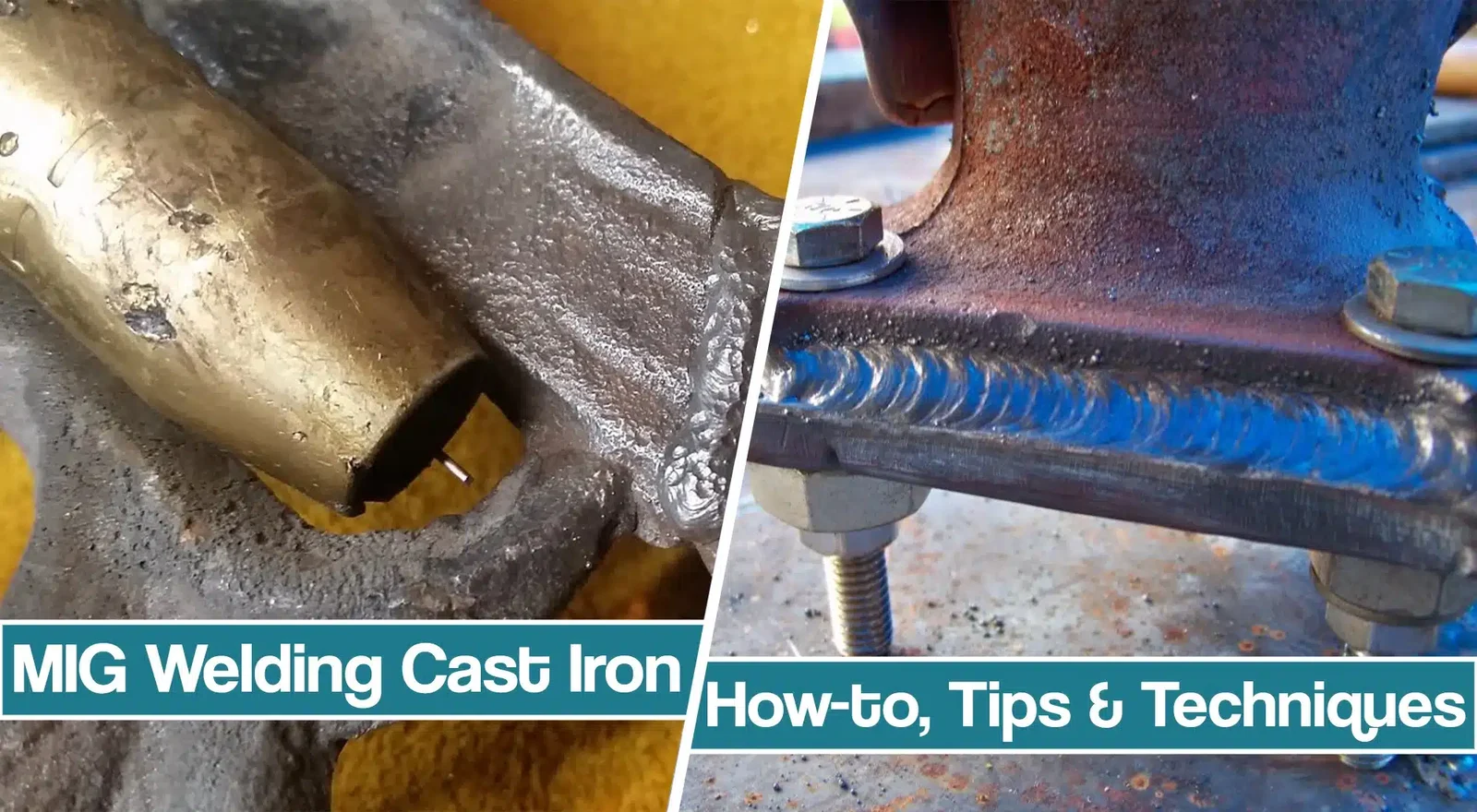
- Expose sound metal: Grind or machine away cracked, burned, oxidized, and contaminated material until the groove has clean, solid sides.
- Use a generous profile: A rounded U-groove is often easier to fill and less stress-concentrating than a narrow, sharp V-groove.
- Remove hidden crack ends: Extend the excavation beyond visible crack tips, then inspect again before welding.
- Control fit-up: Support broken sections accurately, but avoid forcing a distorted casting into position with excessive restraint.
Preparing a Crack or Broken Section
For a crack drill small stop holes only when appropriate to the material thickness and repair procedure then grind between the holes to remove the entire crack Drilling.
For a broken section restore alignment with clamps or temporary fixtures that do not concentrate force on thin casting walls If the joint has a large gap consider.
Cleaning Tools and Surface Condition
A dedicated stainless or carbon-steel brush, rotary burr, flap wheel, and clean grinding discs can remove oxides and residue. Keep abrasives used on carbon steel away from stainless work where contamination matters, and avoid embedding copper, brass, or dirty abrasive material into the groove.
After grinding wipe the area with a compatible residue-free cleaner and allow it to dry Do not weld over wet solvent trapped cleaner zinc coating lead-based paint or.
MIG Welder Setup for Cast Steel
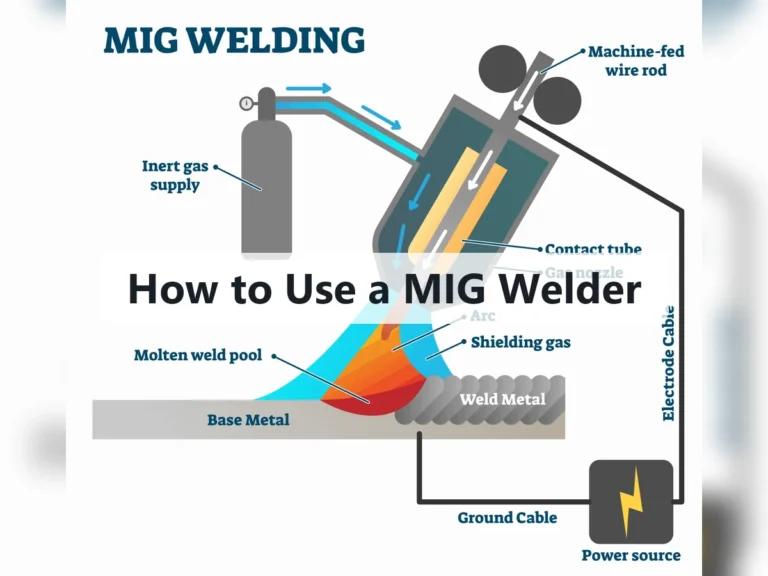
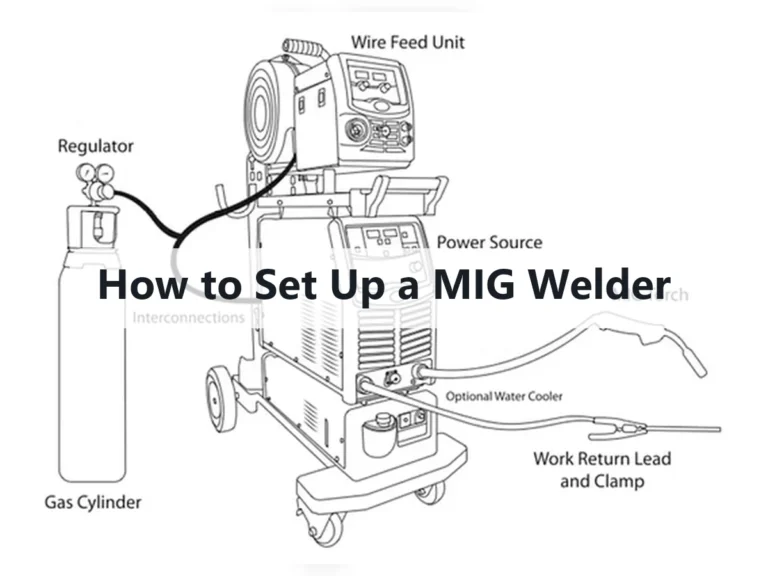
The setup should create stable arc transfer without putting unnecessary heat into the casting For many repair situations a solid mild-steel wire with a general-purpose argon-rich shielding gas.
Wire selection is not a promise that the deposit will match the casting. The filler must provide adequate strength, ductility, and compatibility with the service environment. If the casting is alloyed, heat-treated, or exposed to elevated temperature, ordinary mild-steel wire may be inappropriate.
Use the machine manufacturer s chart as the first setting reference for wire diameter material thickness voltage and wire-feed speed Then tune the arc on clean scrap or.
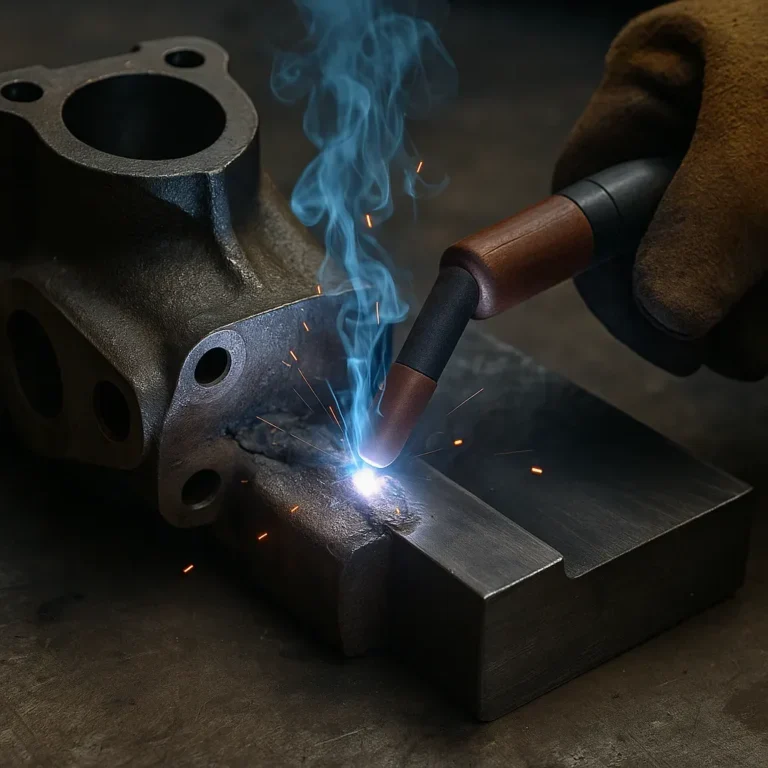
- Wire: Common solid carbon-steel wire may suit ordinary cast steel, while low-alloy, stainless, nickel, or metal-cored options require a confirmed material and procedure.
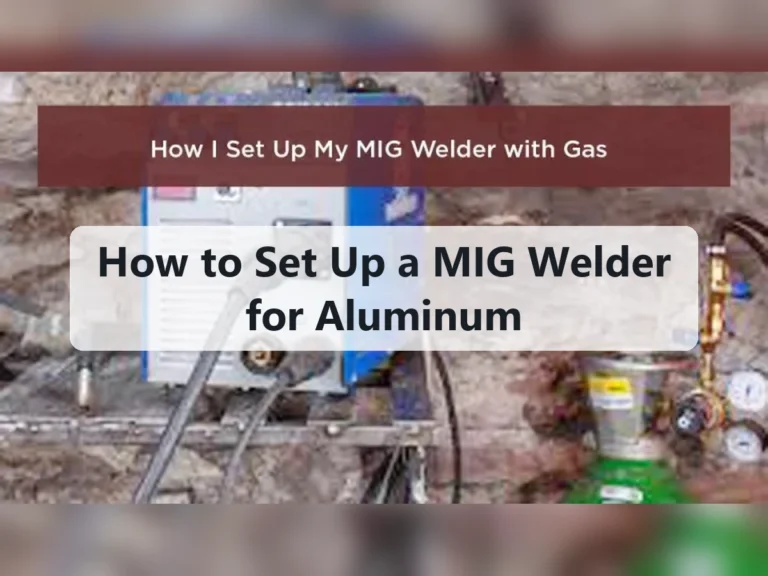
- Gas: Use clean, dry shielding gas and the flow range recommended for the gun, nozzle, and work environment.
- Polarity: Match the wire manufacturer’s required polarity; incorrect polarity can cause unstable transfer, spatter, and poor penetration.
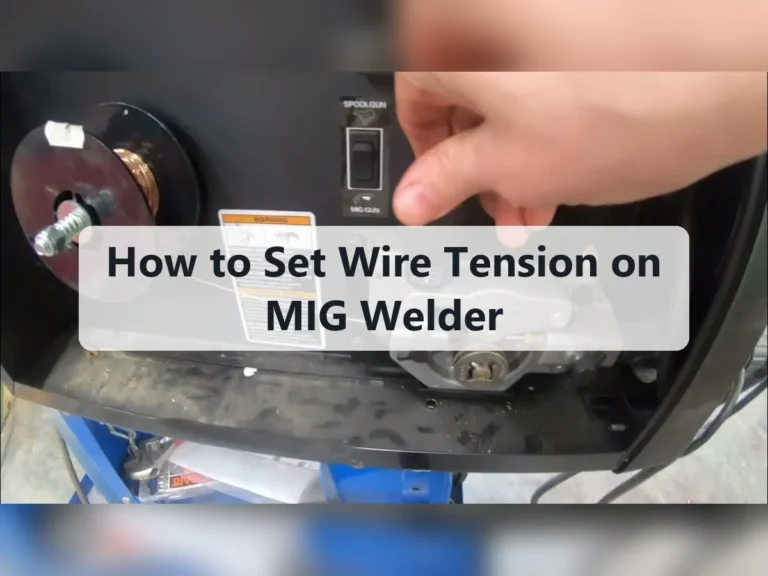
- Gun condition: Check liner drag, contact-tip wear, nozzle blockage, cable connections, and grounding before blaming the casting.
| Repair consideration | Practical choice | Why it matters |
|---|---|---|
| Small clean carbon-steel casting | Solid mild-steel wire with compatible shielding gas | Simple setup and ductile deposit for many noncritical repairs |
| Unknown or alloyed casting | Pause for identification or qualified procedure selection | Filler and preheat requirements may differ substantially |
| Heavy, highly restrained section | Controlled preheat, short passes, and slow cooling | Reduces thermal shock and contraction stress |
| Thin edge or small lug | Lower heat input and brief stitch segments | Limits burn-through and distortion |
Choosing Wire and Shielding Gas
Solid ER70-class wire is often selected for ordinary mild or low-carbon steel repairs but the exact classification should be confirmed against the base metal and service requirements A.
Metal-cored wire can improve deposition and arc characteristics on suitable equipment but its higher deposition rate can overwhelm a small repair and add heat quickly Flux-cored wire may.
Heat Input, Preheat, and Interpass Temperature
Preheat slows the rate at which heat leaves the weld and reduces thermal shock Its required temperature depends on carbon equivalent thickness restraint ambient conditions and the welding.
Measure preheat with temperature-indicating crayons contact thermometers or an infrared thermometer used correctly An infrared reading can be misleading on dark shiny or changing surfaces so understand the.
Maintain a sensible interpass temperature: too cold can create rapid cooling and poor fusion, while too hot can enlarge the heat-affected zone, increase distortion, and damage heat-treated material. Follow a qualified procedure when one exists.
- Warm evenly: Bring the surrounding casting to temperature gradually, especially when sections differ greatly in thickness.
- Watch the whole repair: Do not let one short weld become the only hot area on a large, cold casting.
- Use brief passes: Short beads reduce accumulated heat and make shrinkage easier to manage.
- Cool slowly: Shield the part from drafts and avoid quenching unless a specific procedure requires it.
Step-by-Step MIG Welding Procedure
Once the part is identified, prepared, and at the selected preheat, weld with a controlled sequence rather than trying to fill the groove in one pass. The goal is a sound, blended repair with low residual stress, not a large decorative bead. This distinction matters when answering “how to mig weld cast steel”.
Check the ground clamp on clean metal near the repair. Set the gun angle, stick-out, travel speed, and arc length consistently, and keep the nozzle close enough for reliable gas coverage without dragging it through spatter.
Before beginning, confirm ventilation, fire control, protective clothing, helmet shade, gloves, and eye protection. Remove flammable residue and consider what is inside a hollow casting; sealed cavities, tanks, and containers can contain dangerous vapors or pressure.
- Start with a test: Verify arc behavior and penetration on matching scrap or a prepared coupon when possible.
- Build the root: Place a narrow, well-fused root pass without trapping slag, oxides, or gas in the groove.
- Alternate locations: Stagger short passes around the repair to distribute heat and shrinkage.
- Clean between passes: Remove spatter and inspect each layer before adding the next.
- Tack carefully. Use small, sound tacks at balanced locations. If the casting is already cracked, avoid tacks that lock the crack shut while leaving damaged material underneath.
- Run the root pass. Aim the arc so both groove walls melt. A slight weave may help bridge a prepared groove, but excessive weaving increases heat and can trap defects.
- Pause and inspect. Remove spatter, look for crater cracks, undercut, pinholes, and unmelted edges, and correct the cause before covering the area.
- Add fill passes. Use narrow beads or modest overlapping stringers. Keep the arc on the leading edge of the puddle and avoid burying cold sidewalls.
- Finish the cap. Blend the final bead into the surrounding casting without leaving sharp toes, excessive crown, or undercut.
- Cool in a controlled way. Let the part cool gradually and remain supported until contraction has largely occurred.
Travel Angle and Bead Placement
A modest push angle often provides a clear view and smooth gas coverage with solid wire but the correct angle is the one that maintains stable shielding and.
For a deep groove do not aim all heat at the center Direct enough arc energy into each sidewall to fuse it then overlap the next pass into.
Managing Distortion and Restraint
Weld metal contracts as it cools On a casting that contraction can pull thin walls shift a machined surface or reopen a nearby crack Balanced tacks alternating sides.
Do not hammer a hot casting aggressively to force alignment. Mechanical shock may extend hidden cracks, and heavy peening can deform the repair or introduce more residual stress. If alignment is critical, use a fixture designed for the part and verify dimensions after cooling.
Common Problems and Troubleshooting
Many failed repairs are diagnosed too late because the final bead is judged by appearance alone. Stop and investigate whenever the arc sounds erratic, the puddle refuses to wet the sidewalls, smoke continues from the casting, or cracks appear during cooling.
When troubleshooting how to mig weld cast steel, change one variable at a time. Wire-feed speed, voltage, travel speed, stick-out, gas flow, surface cleanliness, and preheat interact; changing several at once makes the real cause harder to find.
- Welding contamination: Oil, paint, rust, moisture, and graphite-like residue can cause porosity and inclusions.
- Excessive heat: Long, wide beads may look productive while increasing distortion and cracking risk.
- Cold lap: Fast travel, low heat, or poor angle can leave metal sitting on the sidewall without fusion.
- Rapid cooling: A cold shop, heavy section, or draft can make the heat-affected zone crack as it contracts.
| Symptom | Likely causes | First corrective action |
|---|---|---|
| Porosity or pinholes | Oil, moisture, poor gas coverage, wind, blocked nozzle, leaks | Reclean, check gas flow and connections, replace damaged consumables |
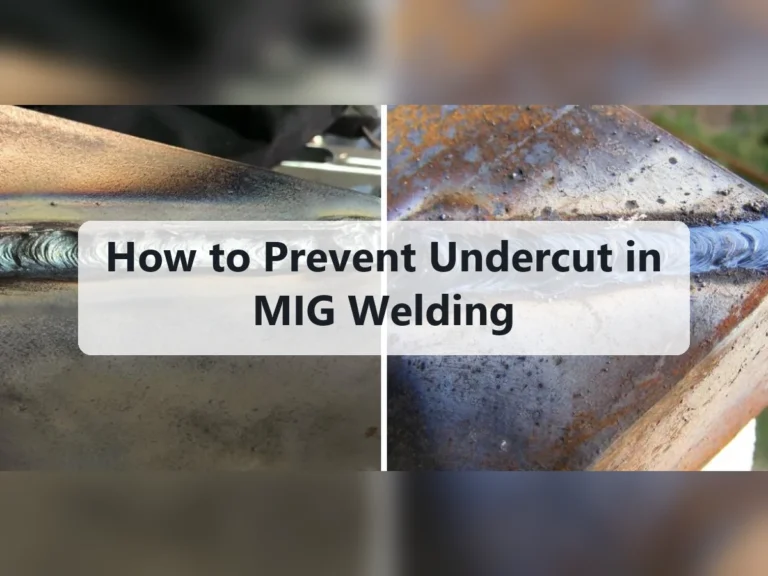
| Undercut | Too much voltage, excessive travel speed, long arc, poor angle | Shorten the arc, slow slightly, and reduce heat if appropriate |
| Cold lap or lack of fusion | Low heat, thick oxide, narrow groove, fast travel | Expose clean metal and direct the arc into both sidewalls |
| Crack after welding | Unremoved crack, high restraint, unsuitable filler, rapid cooling | Stop, inspect beyond the crack, reassess material and procedure |
| Burn-through | Thin section, excessive heat, wide gap, slow travel | Use shorter stitches, lower heat, tighter fit-up, or a suitable backing method |
Why Does the Repair Crack?
A crack may originate in the weld metal, the heat-affected zone, or the original casting. Common causes include incomplete crack removal, hydrogen from moisture or contamination, excessive restraint, unsuitable filler, high carbon or alloy content, and cooling that is too rapid.
Do not simply grind the visible crack and weld over it Remove the repair metal far enough to expose the origin excavate the full defect and determine whether.
Why Is There Porosity?
Porosity indicates gas was trapped in the solidifying weld. Check the gas cylinder, regulator, hose, fittings, flow rate, nozzle, diffuser, and gun angle. Wind from fans or open doors can disperse shielding gas even when the flow meter appears correct.
Castings add a difficult source: heated pores can release oil or moisture from inside the metal. If pinholes continue after the gas system is corrected, stop welding, clean and excavate again, and allow the area to dry and outgas under controlled conditions.
Why Is the Bead Sitting on Top?
A smooth bead does not necessarily mean fusion Cold lap occurs when deposited metal rolls onto a sidewall or previous bead without melting it adequately It can result.
Grind out suspect areas rather than burying them. A small test weld can reveal whether the machine settings and technique are capable of melting the casting surface before you continue filling the repair.
Inspection, Finishing, and Return to Service
Let the casting cool before final inspection. Examine the profile for cracks, crater defects, undercut, overlap, sharp transitions, excessive reinforcement, and distortion. A repair that requires machining should leave enough sound material for the finished dimension without cutting into the original defect.
Use the inspection method suited to the consequence of failure Visual inspection may be enough for a cosmetic noncritical buildup while dye penetrant or magnetic-particle testing can find.
Check dimensions, bolt-hole alignment, flatness, and moving clearances after the part reaches room temperature. If the repair was made on a fatigue-loaded component, remember that a weld toe and heat-affected zone can become fatigue initiation points even when no visible defect remains.
- Surface condition: Confirm the repair is free of visible cracks, open pores, undercut, overlap, and sharp notches.
- Geometry: Verify critical dimensions and alignment after complete cooling.
- Testing: Select nondestructive testing based on the part’s risk and the defect type.
- Documentation: Record material identification, filler, preheat approach, weld sequence, and inspection results for important repairs.
Grinding and Machining the Repair
Grind gradually and avoid removing sound parent metal unnecessarily. A smooth transition helps reduce stress concentration, but do not feather a structural repair until the weld size falls below the required dimension.
After machining, inspect again. Grinding can open a buried pore or reveal an unfused edge that was hidden beneath the cap. If the surface will seal fluid or support a bearing, confirm finish, flatness, and dimensional tolerance separately from weld quality.
Safety Limits and When Not to Weld
Welding cast steel can release fumes from coatings trapped oils and residues Use effective ventilation respiratory protection when required by the exposure assessment and appropriate protective clothing Never weld a closed or previously used container until.
Do not assume preheating makes an unknown casting safe to repair. A part can be weldable in theory but unsuitable in practice because its chemistry is unknown, its heat treatment would be damaged, or its failure could injure someone.
- Unknown alloy: Pause when filler, preheat, or post-weld treatment cannot be selected confidently.
- Critical load: Obtain qualified engineering or welding guidance for lifting, pressure, braking, steering, suspension, and structural parts.
- Repeated cracking: Treat recurring cracks as evidence that the process or part is unsuitable, not as an invitation to add more metal.
- Severe contamination: Replace or professionally restore castings that continue releasing oil, chemicals, or hazardous fumes.
FAQ: How to MIG Weld Cast Steel
Can you MIG weld cast steel with ordinary mild-steel wire?
Often, yes, when the casting is known to be ordinary weldable carbon steel and the repair is noncritical. Confirm the wire classification and service requirements first; unknown, alloyed, heat-treated, or highly loaded castings may require a different filler or a qualified procedure.
How do you tell cast steel from cast iron before welding?
Use material records, markings, manufacturer information, or professional material identification whenever possible. Appearance, magnetism, and a quick spark test can mislead, especially with alloyed materials, so do not base a critical repair on a casual test.
Do you always need to preheat cast steel?
No single preheat temperature applies to every casting. Thickness, carbon equivalent, restraint, ambient temperature, and service history determine the risk. Preheat is more important as thickness, hardenability, and restraint increase, but excessive heat can also cause distortion or damage.
Should you use short welds or one continuous bead?
Short, controlled segments are generally safer for many cast-steel repairs because they limit accumulated heat and shrinkage stress. A continuous bead may be appropriate under a qualified procedure, but it is a poor default for a restrained or uneven casting.
Why does cast steel release smoke while welding?
Smoke can come from oil, grease, paint, moisture, or chemicals trapped in pores and surface cavities. Stop welding, improve cleaning and ventilation, and remove contaminated material. Continuing through heavy smoke can create porosity and expose the welder to hazardous fumes.
Can a cracked cast-steel part be welded without grinding out the crack?
Usually not. Welding over a visible crack leaves the original defect in place and can trap contamination. Excavate beyond the crack tips, inspect the groove, and weld only after sound metal is exposed.
How do you know whether a cast-steel MIG repair is safe?
Evaluate material identity, defect removal, weld quality, dimensions, service loads, and inspection results together. Visual appearance alone cannot prove structural soundness, especially for fatigue-loaded, pressure-containing, or safety-critical parts.
Conclusion
Successful repairs depend on disciplined preparation more than on simply turning up the MIG welder Identify the casting remove every trace of the defect and contamination choose compatible.
If the material or consequence of failure is uncertain the safest answer may be professional evaluation or replacement rather than experimentation Used within those limits this approach to.
The answer to “how to mig weld cast steel” should be applied with these conditions and limitations in mind.