Marine Welder Salary: Essential Information and Useful Advice
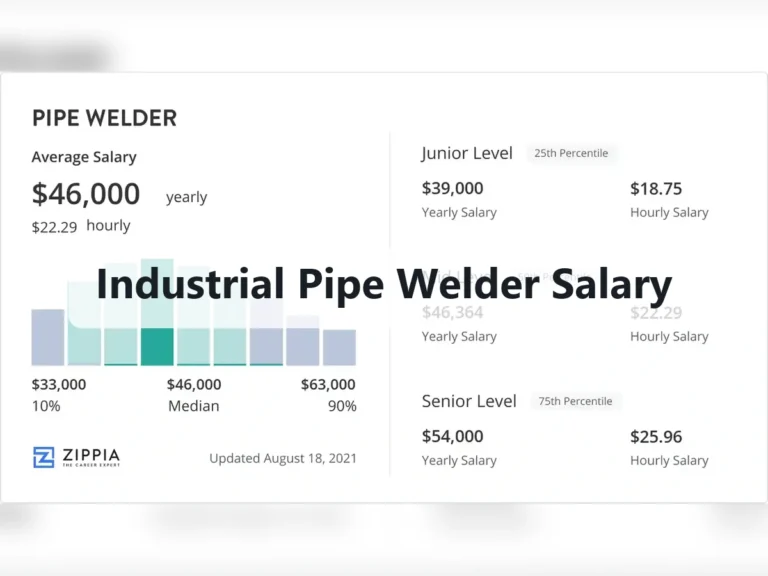
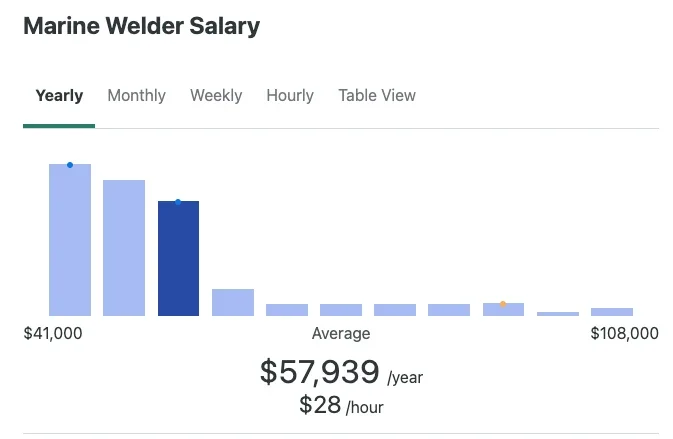
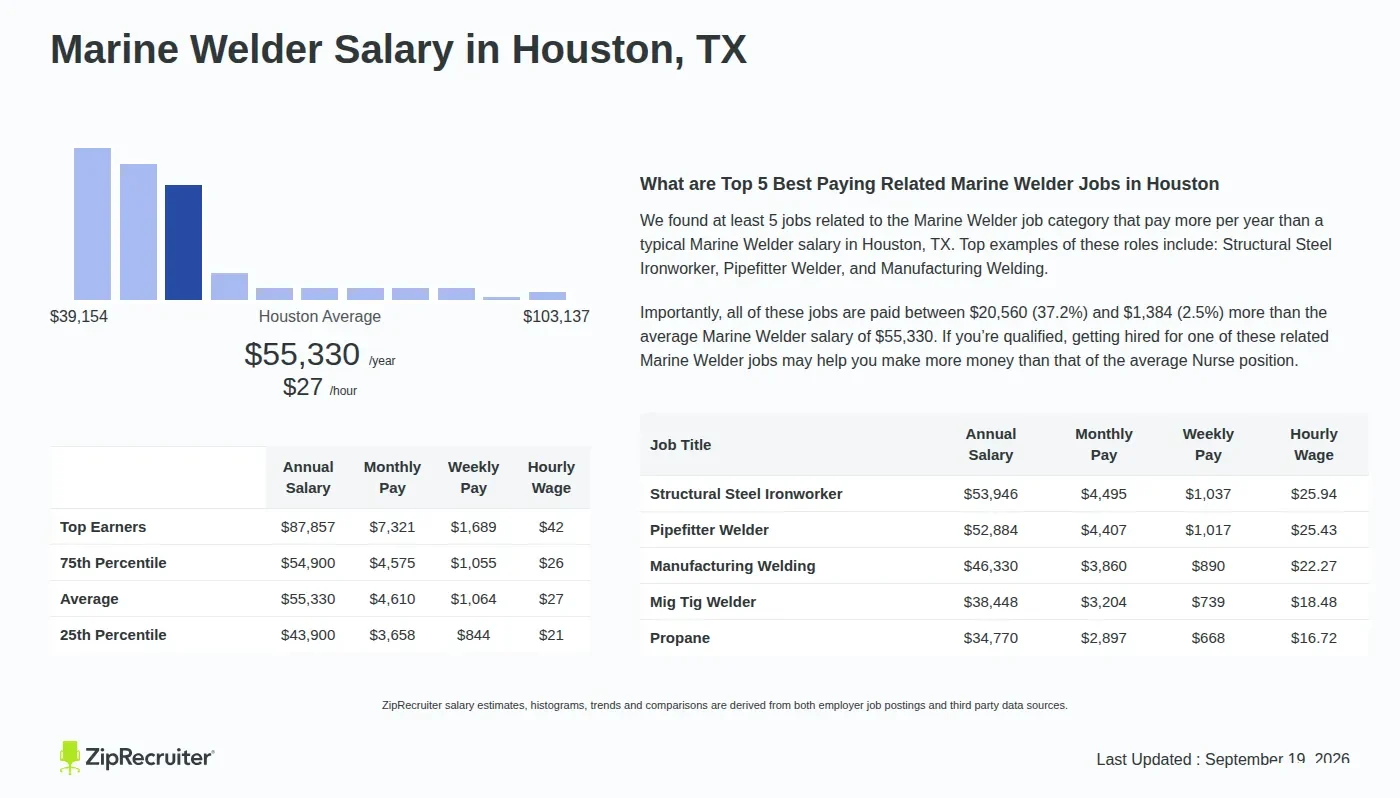
A marine welder in the United States commonly earns about $45,000 to $80,000 per year, while experienced offshore specialists may exceed $100,000.
Choosing this trade involves more than comparing an hourly wage Marine welders work on ships barges offshore structures docks submarines and other equipment exposed to saltwater vibration corrosion.
Suppose you have welding experience and are offered a shipyard position at 29 an hour or an offshore contract promising much higher weekly pay Which option actually provides. This guide explains marine welder salary, including the practical details and important limitations.
You will learn how to evaluate a marine welder salary by region specialty experience level and employment arrangement You will also see how underwater welding differs from conventional.
- ✓U.S. marine welding pay often falls between approximately $45,000 and $80,000 annually, but location, overtime, specialty, and contract structure can move the figure substantially.
- ✓Offshore, underwater, emergency, and highly certified work may pay more because it combines technical skill with travel, environmental, scheduling, and safety demands.
- ✓Hourly rate alone is not enough: compare guaranteed hours, overtime rules, per diem, travel pay, benefits, downtime, and credential requirements.
- ✓Welding qualifications, inspection knowledge, blueprint reading, and experience with shipboard materials can strengthen both job access and negotiating power.
What a Marine Welder Salary Usually Looks Like
Marine welding compensation is best understood as a range rather than a single national number A new welder working in a coastal shipyard may earn an hourly wage.
Annual income also depends on how consistently a worker is scheduled A job advertised at a high hourly rate may provide limited annual hours whereas a lower-rate permanent.
- Entry-level work: New welders and helpers may begin near general structural or industrial welding rates while they build marine experience and qualify for additional processes.
- Experienced shipyard work: Skilled welders who read drawings, fit components, pass tests, and work independently often earn a stronger hourly rate plus overtime.
- Specialized assignments: Offshore repair, nuclear-related ship work, emergency mobilization, and underwater operations may command premium compensation but usually involve stricter requirements.
- Annual variability: Weather, vessel schedules, project completion, layoffs, travel, and seasonal demand can make yearly income less predictable than the hourly figure suggests.
Hourly pay versus annual income
For a simple illustration a welder earning 32 an hour for 2 080 straight-time hours would have a base gross income of 66 560 before overtime taxes insurance.
Contractors may quote a daily rate project rate or blended rate instead of an hourly wage Ask whether the quoted amount includes travel time lodging meals tools safety.
Why published figures can disagree
Salary websites may group marine welders with shipfitters, pipe welders, underwater construction workers, or general welders. Employer postings may show the minimum rate, a narrow hiring range, or a temporary premium that does not represent the normal long-term wage.
Geography creates another issue. A coastal area with major shipyards may have higher nominal wages but also higher housing and transportation costs. Compare the local cost of living and expected hours before deciding that one offer is automatically better than another.
Which Factors Change Marine Welder Salary?
The largest pay differences usually come from a combination of skill, working environment, responsibility, and labor demand. Employers pay more when a welder can complete difficult work correctly with less supervision, protect an expensive vessel or structure, and meet inspection requirements on schedule.
Marine projects also carry unusual operational constraints. A repair may happen inside a narrow compartment, on a moving vessel, near fuel systems, or in a remote location where a replacement worker cannot arrive quickly. Those conditions increase the value of preparation, judgment, and a dependable safety record.
- Experience: Time in marine fabrication, repair, fitting, and field troubleshooting generally matters more than years spent performing only repetitive welds.
- Process capability: Proficiency with processes such as SMAW, GMAW, FCAW, and GTAW can expand the jobs a worker may qualify for.
- Inspection results: Consistent radiographic, ultrasonic, bend, or visual inspection performance reduces rework and supports advancement.
- Work conditions: Confined spaces, height, underwater access, offshore travel, night shifts, and emergency callouts may bring premiums.
Experience and independence
Employers typically distinguish between someone who can deposit a sound weld under supervision and someone who can interpret a drawing, select a procedure, fit parts, identify a distortion risk, and correct a problem before it becomes expensive. The second worker contributes to the entire production process.
Supervisory duties can also increase pay. A lead welder or welding foreman may coordinate crews, review weld maps, track consumables, communicate with inspectors, and resolve production conflicts. The higher wage reflects accountability as well as manual skill.
Certifications and tested qualifications
Marine employers may require process-specific performance qualifications, employer tests, or credentials aligned with the vessel, project, or governing organization. Requirements vary, so a certificate is valuable only when it matches the work an employer actually performs.
Useful supporting abilities include blueprint and weld-symbol reading, fit-up, dimensional control, preheat awareness, basic metallurgy, corrosion repair, and familiarity with non-destructive testing. Inspection credentials can open a different career path, but they do not automatically replace the need for strong hands-on welding ability.
Material and job complexity
Carbon steel is common in many structural applications, but marine work may also involve stainless steel, aluminum, high-strength steels, nickel alloys, or dissimilar-metal assemblies. Each material can create different problems with heat input, contamination, distortion, cracking, or corrosion.
Pipe, pressure-retaining components, structural hull work, and precision machinery repairs may require different qualifications. A welder who can move between materials and positions without sacrificing quality has more leverage than one limited to a single repetitive application.
How Work Setting and Location Affect Pay
Where and how the work is performed can matter as much as technical ability. A shipyard job, repair-vessel assignment, offshore platform project, and underwater construction contract may all use welding, yet they have different schedules, hazards, travel requirements, and compensation systems. This is an important consideration for marine welder salary.
Before comparing offers, identify the actual work setting. “Marine welding” may describe new construction in a controlled facility, emergency repair beside a dock, or remote work performed from a vessel. Those environments should not be treated as interchangeable.
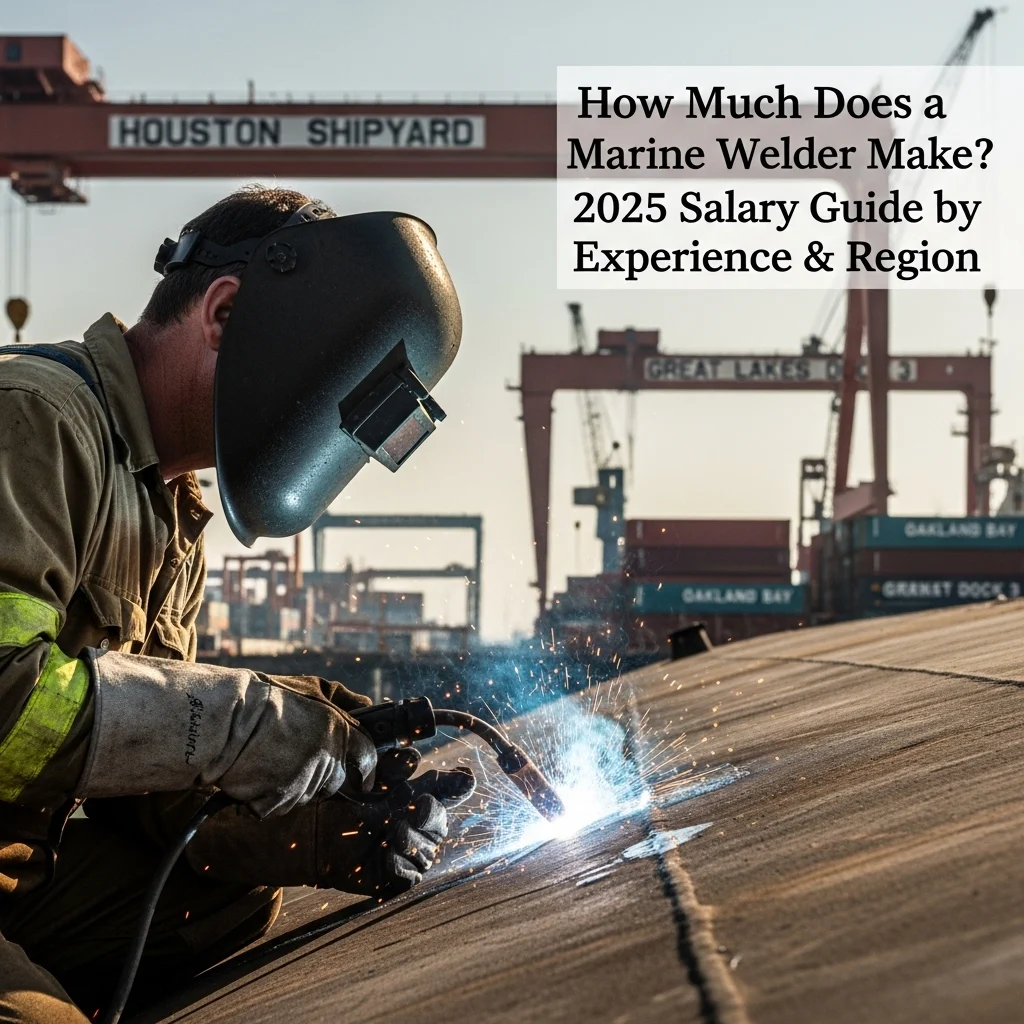
- Shipyards: Often provide structured production, established facilities, and opportunities for steady overtime, although project cycles can affect employment.
- Port and vessel repair: May involve urgent schedules, boarding vessels, night work, and changing work locations.
- Offshore projects: Can offer premium pay, per diem, and concentrated work rotations, but travel, weather, fatigue, and downtime require careful evaluation.
- Underwater operations: Combine commercial diving with welding and may require extensive training, medical clearance, dive records, and specialized equipment.
Regional differences in the United States
States and metropolitan areas with naval facilities, commercial shipbuilding, offshore energy, large ports, or repair clusters tend to offer more marine employment. A broader labor market can create more chances to change employers, accumulate overtime, or specialize.
However, a higher wage in a major coastal city may not produce higher disposable income. Housing, parking, commuting, meals, and temporary lodging can absorb much of the difference. A realistic comparison should calculate approximate after-tax income and recurring living expenses.
Travel, per diem, and rotation schedules
Travel assignments may include lodging, meals, mileage, airfare, or a tax-qualified per diem when the arrangement meets applicable requirements. Do not assume every allowance is guaranteed or tax-free; the employer should explain the policy in writing, and workers should obtain personal tax advice when needed.
Rotation schedules can make an annual offer look attractive because many hours are concentrated into a shorter period. Ask whether travel days are paid, whether days off are guaranteed, and what happens if weather or vessel delays prevent the crew from working.
Union and nonunion compensation
Union positions may use negotiated wage scales, defined classifications, benefit funds, apprenticeship pathways, and overtime rules. Nonunion employers may offer greater flexibility, individualized raises, bonuses, or direct negotiation.
Neither structure is automatically superior. Compare the complete package, including initiation or membership costs, pension or retirement contributions, health coverage, dispatch procedures, portability of qualifications, and the likelihood of steady assignments.
Underwater Welding: Higher Pay With Higher Requirements
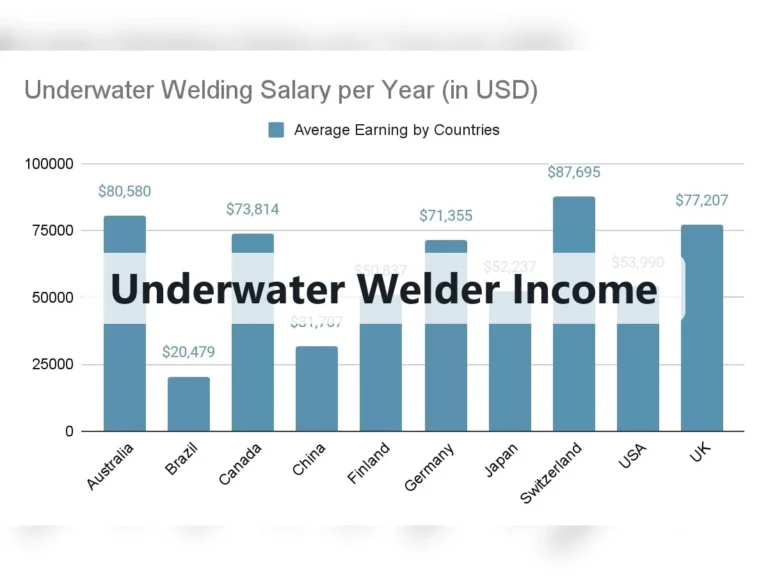
Underwater welding is often associated with exceptional earnings, but it is not simply ordinary welding performed underwater. It is a specialized occupation that combines commercial diving, marine construction, welding science, emergency procedures, and strict operational controls.
The title can also hide different types of work. Some divers weld in a wet environment using specialized equipment, while other assignments use habitats or dry chambers. Inspection, access, water conditions, depth, current, decompression planning, and project urgency all influence compensation.
- Separate qualifications: Welding skill does not by itself qualify someone to perform commercial diving or underwater construction.
- Medical fitness: Dive work may require occupational medical evaluation and continuing fitness to dive.
- Operational controls: Dive plans, communications, standby divers, surface support, and emergency procedures are essential parts of the job.
- Risk versus reward: A premium wage should be evaluated alongside training costs, physical demands, travel, insurance, and long-term career sustainability.
Why underwater assignments may pay more
Underwater welders must manage visibility, buoyancy, water movement, equipment limitations, communication, and access while producing an acceptable repair. The work may also be performed in remote locations where delays are costly.
Higher pay reflects the combined value of these skills and the difficulty of recruiting qualified personnel. It does not mean every underwater welder earns more than every shipyard welder. A highly experienced shipyard specialist with steady overtime and strong benefits can outperform a diver with irregular contracts.
What to verify before pursuing the specialty
Ask training providers and employers exactly which credentials are required what equipment is supplied how much supervised experience is available and whether the advertised work is continuous or project-based Be cautious of programs that emphasize dramatic earning claims without explaining employment placement total training.
Commercial diving can be physically taxing, and career decisions should account for health, age, insurance, and the possibility of transitioning later into supervision, inspection, project coordination, or other marine roles.
Benefits, Overtime, and the Real Value of an Offer
Two marine welders with the same hourly wage can have very different financial outcomes. Benefits, overtime availability, paid leave, retirement contributions, tool policies, and periods without work can change the value of a position by thousands of dollars per year.
When reviewing an offer, calculate the likely annual result using conservative assumptions. Treat optional overtime, discretionary bonuses, and uncertain project extensions as upside rather than guaranteed income. These practical limitations also matter for marine welder salary.
- Guaranteed hours: Confirm the normal schedule, minimum hours, shutdown periods, and whether weather delays are paid.
- Overtime: Ask when overtime begins, whether travel time qualifies, and whether the rate is calculated from the base wage.
- Benefits: Price health insurance, retirement contributions, paid leave, disability coverage, and life insurance rather than treating them as vague extras.
- Expenses: Confirm who pays for lodging, transportation, tools, consumables, protective equipment, medical exams, and required testing.
Gross pay versus take-home pay
Gross pay is the amount earned before federal, state, and local taxes, insurance premiums, retirement contributions, and other deductions. Per diem and reimbursements may be handled differently from wages, so the payroll treatment should be clear.
Workers traveling across state lines should keep accurate records and understand which expenses are reimbursed by the employer. Tax rules can be fact-specific and change over time, so a qualified tax professional is the right source for personal guidance.
Downtime and project gaps
Marine construction and repair are affected by vessel availability, weather, permits, inspections, material delays, and contract funding. A high weekly rate may not compensate for long unpaid gaps between projects.
Ask how the employer handled downtime in recent projects. A company that moves qualified workers between vessels, facilities, and maintenance contracts may provide more stable annual earnings than one dependent on a single short-term job.
How to Increase Your Earning Potential
The strongest path to higher pay is usually a combination of reliable production, documented qualifications, and broader responsibility. Chasing every certificate without building job-relevant competence can be less effective than becoming excellent at the work employers repeatedly struggle to staff.
Build a record of the processes, positions, materials, thicknesses, and job types you have performed. Keep copies of qualification records where permitted, training certificates, safety courses, inspection results, and supervisor references.
- Expand deliberately: Add a process or material that appears frequently in the marine jobs you want, rather than collecting unrelated credentials.
- Learn fit-up: Strong layout, tack, alignment, and distortion control can make you more valuable than welding speed alone.
- Understand quality: Study weld discontinuities, repair limits, procedure requirements, and inspection methods.
- Protect your record: Attendance, safe decisions, clean documentation, and dependable teamwork strongly influence repeat assignments.
Skills that support advancement
Blueprint reading and digital documentation are increasingly important because marine work depends on drawings, weld maps, work packages, change orders, and inspection records. Basic computer confidence can help a welder move toward lead, coordinator, or quality-related responsibilities.
Communication matters as well. A worker who can clearly report an access problem, material mismatch, unsafe condition, or likely rework issue helps the team avoid expensive delays.
Negotiating a better offer
Negotiate after understanding the complete assignment. Ask about the wage progression, review schedule, overtime history, shift differential, travel pay, per diem, benefits waiting period, and whether required certifications are paid by the employer.
Use specific evidence rather than a general request for more money For example explain that you can perform multiple qualified processes read complex drawings lead fit-up work nights.
Common Mistakes When Comparing Marine Welding Jobs
Job seekers often focus on the most visible number and overlook the conditions that determine whether the work is sustainable. A thoughtful comparison protects both income and safety.
- Chasing the largest number: A high rate may depend on extreme overtime, short contracts, or expensive personal travel.
- Ignoring benefits: Unpaid leave, weak health coverage, or no retirement contribution can erase an apparent wage advantage.
- Assuming steady work: Ask for the expected project duration and the employer’s plan after the current vessel or contract ends.
- Overlooking safety: Pay should never justify bypassing confined-space, hot-work, fall-protection, respiratory, or dive controls.
Warning signs in an offer
Be cautious when an employer refuses to state the pay structure in writing, promises unusually high earnings without describing hours, or asks the worker to purchase extensive equipment before confirming employment. Unclear deductions and vague travel policies are also reasons to slow down.
Ask who supervises the work, how weld quality is checked, what happens after a failed test, and whether the company provides appropriate protective equipment. A professional employer should be able to explain these basics without discouraging reasonable questions.
FAQ About Marine Welder Salary
What is the average marine welder salary in the United States?
There is no single official figure that represents every marine welding role. A broad practical range is roughly $45,000 to $80,000 annually, with experienced, specialized, heavily scheduled, or offshore workers potentially earning more.
The estimate can be misleading without knowing annual hours, benefits, overtime, region, and contract length. Compare total compensation instead of relying on an average.
Do marine welders make more than regular welders?
They can, particularly when the job requires shipboard repair, travel, difficult access, specialized qualifications, or emergency scheduling. However, a marine welder may also face project gaps and higher living or travel expenses.
Pay depends on the specific comparison. A general welder with stable year-round employment may earn more annually than a marine worker with a higher hourly rate but inconsistent assignments.
Does underwater welding always pay the most?
No. Underwater welding may offer premium rates, but earnings depend on dive qualifications, depth, project availability, location, experience, and the number of paid working days.
It also involves substantial training, medical, equipment, and safety requirements. The highest advertised rate is not necessarily the highest reliable annual income.
What certifications help increase marine welding pay?
Relevant process and performance qualifications are usually more valuable than generic certificates. Depending on the employer, useful areas may include structural welding, pipe welding, stainless or aluminum work, blueprint reading, rigging, confined-space awareness, hot-work safety, and inspection fundamentals.
Underwater work requires separate commercial diving preparation and authorization. Always match training to actual employer requirements before paying for a program.
How much overtime do marine welders receive?
Overtime varies by vessel schedule, shipyard workload, contract deadlines, shift structure, and seasonal demand. Some projects offer extensive overtime, while others have predictable straight-time schedules or temporary slowdowns.
Ask for typical recent weekly hours rather than accepting a vague promise. Confirm the overtime trigger and whether the schedule is voluntary, mandatory, or simply possible.
Is marine welding a good long-term career?
It can be a strong career for people who value skilled trade work, enjoy practical problem-solving, and can manage physical demands, travel, and changing schedules. Advancement may lead to lead welder, foreman, inspector, instructor, estimator, or project coordination roles.
Long-term planning matters because repetitive positions, noise, fumes, awkward postures, and heavy work can affect health. Consistent protective practices and continued skill development support career longevity.
What should I ask before accepting a marine welding job?
Ask about the base rate, guaranteed hours, overtime calculation, shift differential, project length, travel compensation, lodging, per diem, benefits, required credentials, testing costs, tools, protective equipment, and the policy for weather or vessel delays.
Also ask where the work occurs, how often workers travel, what advancement looks like, and whether the company can provide the offer and key policies in writing.
Conclusion
A marine welder salary can range from a solid entry-level trade income to six-figure compensation for specialized, offshore, supervisory, or heavily scheduled work. The right comparison includes skill requirements, reliable annual hours, overtime, benefits, travel costs, project continuity, and safety expectations—not just the advertised hourly rate.
Marine welding can reward disciplined workers who build relevant qualifications and protect their long-term health. Because pay and requirements vary by employer and assignment, verify every important condition before committing to training or accepting a contract.
Write down your target location and work setting, then compare three offers using total annual compensation, guaranteed hours, expenses, benefits, and required qualifications before choosing the best marine welder salary opportunity.