How Much Does a Welder Make: Clear Overview and Expert Insights
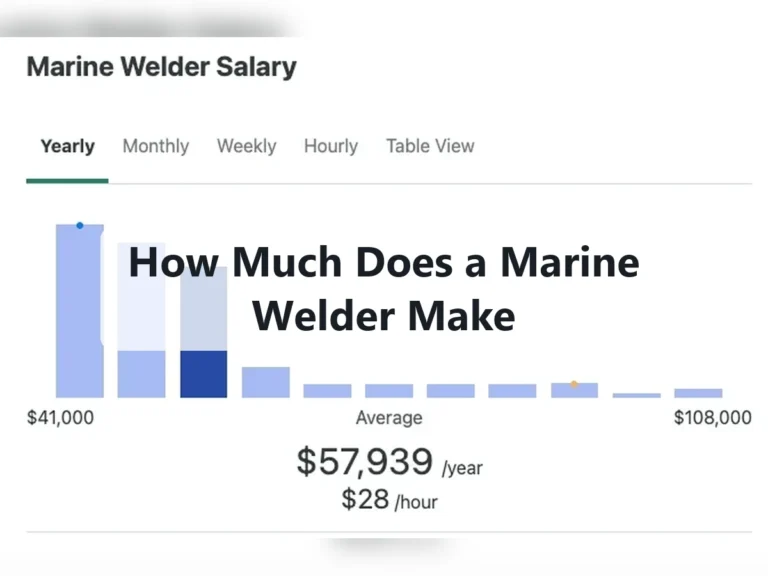
Welders in the United States commonly earn about $40,000 to $70,000 per year, while experienced, specialized, or traveling welders can earn considerably more.
The hidden consequence of relying on one salary number is that it can lead you toward the wrong training or job choice. A high advertised wage may depend on overtime, travel, contract work, difficult conditions, or certifications that take time and money to obtain.
If you are researching how much does a welder make, the most useful answer is not a single national figure. Pay changes with experience, welding process, industry, location, shift schedule, union status, and whether the job is a stable local position or a project-based role.
This guide explains the main pay ranges what raises a welder s income how hourly wages compare with annual salary and which trade-offs can reduce take-home pay By.
- ✓Welder pay varies widely because experience, location, overtime, specialty, and work setting matter as much as the job title.
- ✓Entry-level welders often begin near the lower end of the market, while skilled welders in demanding industries can exceed typical averages.
- ✓Hourly pay does not tell the whole story; travel, per diem, benefits, unpaid time, and overtime rules affect actual compensation.
- ✓Certifications and reliable performance can improve access to better jobs, but they do not automatically guarantee a higher wage.
How Much Does a Welder Make
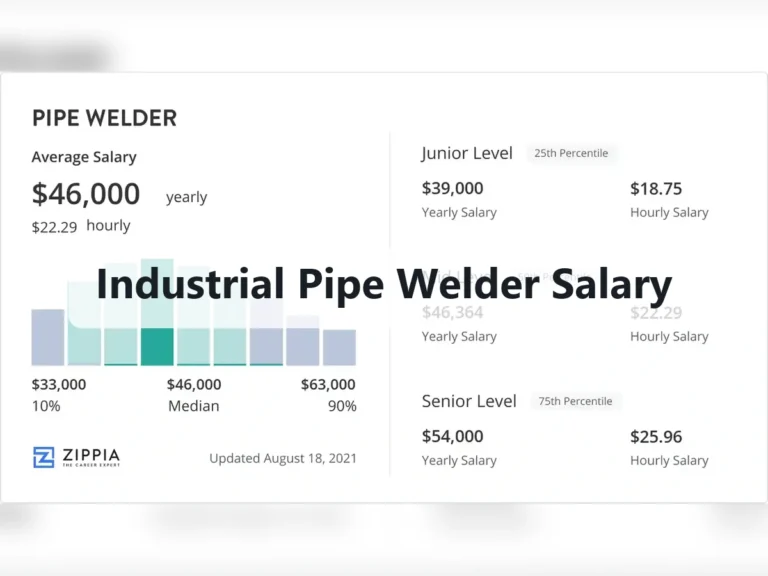
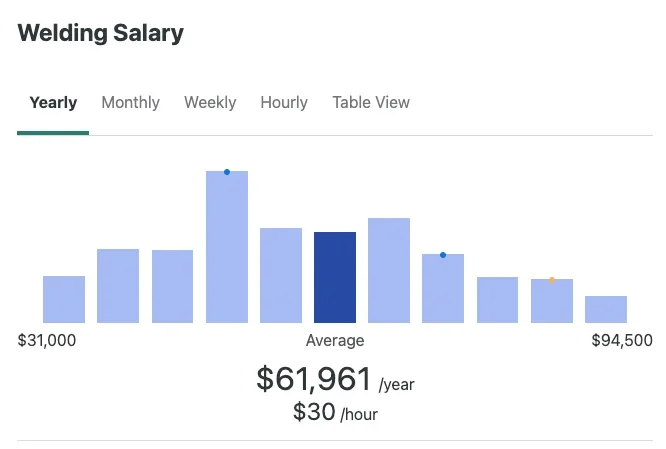
For a broad national estimate many U S welders earn somewhere between 20 and 35 per hour equivalent to approximately 40 000 to 70 000 annually when working.
Annual salary estimates usually assume roughly 2 000 paid hours per year That assumption is useful for comparison but it can be misleading A welder who works seasonal.
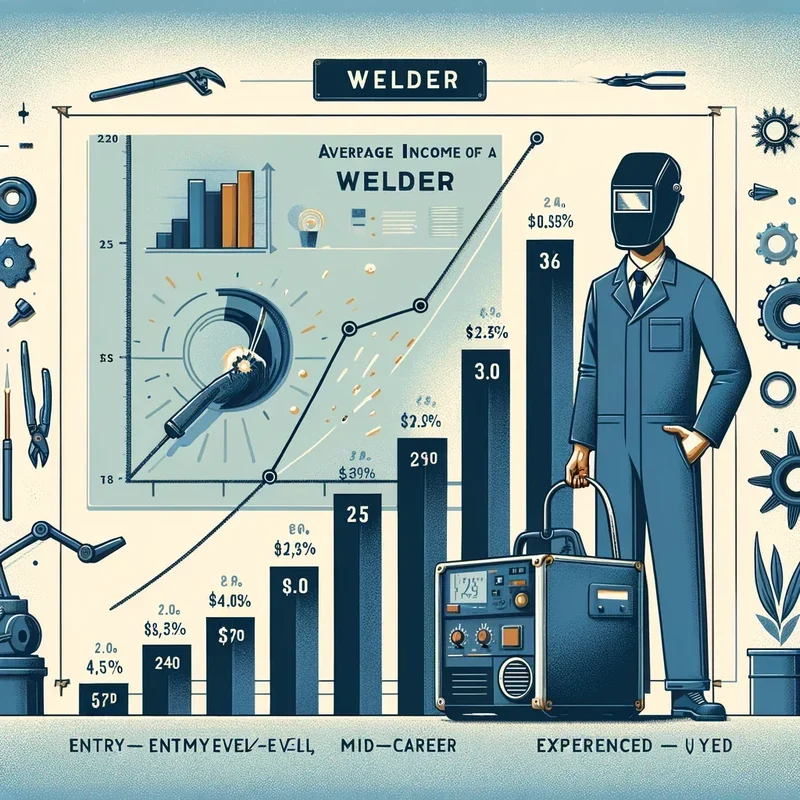
- Pay range: A general wage range is more realistic than one “average” salary because welding jobs differ substantially.
- Annual conversion: Multiply an hourly rate by scheduled hours, then account for overtime, unpaid gaps, taxes, and benefits.
- Higher ceiling: Specialized industrial, pipeline, underwater, structural, and traveling work can raise gross earnings.
- Local variation: A higher wage in an expensive city may not provide more purchasing power than a lower wage in a smaller market.
Typical pay by career stage
| Career stage | Approximate hourly range | What usually affects placement |
|---|---|---|
| Entry level | $17–$24 | Basic skills, training, limited shop or field experience |
| Developing welder | $22–$30 | Independent work, several processes, dependable production |
| Experienced welder | $28–$40 | Complex materials, difficult positions, quality control, certifications |
| Specialist or lead | $35–$50 or more | High-risk work, supervision, inspection knowledge, travel, contract demand |
These figures are practical planning ranges rather than guarantees. An employer may offer less for a position with excellent health insurance, retirement contributions, and predictable hours, while a contractor may offer a higher rate with fewer benefits and less job security.
What Determines a Welder’s Salary?
Welding is not one occupation with one pay scale A production welder repeating a controlled process in a factory faces different demands from a field welder repairing heavy.
The strongest salary differences usually come from a combination of skill and working conditions. A welder who can produce consistent, code-compliant work in difficult positions is more valuable than someone who only has classroom exposure, even if both know the same basic terminology.
- Process: MIG, TIG, stick, flux-cored, and automated welding require different levels of control and are valued differently by employers.
- Material: Stainless steel, aluminum, high-strength steel, and unusual alloys may require more specialized technique.
- Position: Overhead, vertical, confined, or awkward-position welds can demand greater skill than simple flat work.
- Responsibility: Inspection, documentation, fit-up, repair decisions, and mentoring can justify higher pay.
Experience and productivity
Experience matters because welding quality is measured in more than the appearance of a bead. Experienced workers recognize fit-up problems, control distortion, prepare joints correctly, select appropriate settings, and identify defects before they become expensive failures.
Productivity also affects value. A fast welder is not automatically a good welder; excessive speed can create defects, rework, or safety problems. The most employable combination is dependable production with consistent quality and a low rework rate.
Welding process and specialization
Many entry-level jobs emphasize MIG or flux-cored welding because those processes are common in fabrication and manufacturing. TIG welding may pay more in positions requiring clean, precise work on stainless steel, aluminum, pressure components, food-processing equipment, or aerospace-related parts.
Stick welding remains important in construction, maintenance, structural work, and field repair. Its value often rises when a worker can weld outdoors, handle variable conditions, read drawings, and work safely around large structures or equipment.
Specialization can increase earnings, but it may narrow the number of available jobs. A highly specialized welder may earn more in the right market yet face fewer openings than a versatile welder who can work across fabrication, repair, and production settings.
Certifications and testing
A certification or qualification can help an applicant pass an employer’s screening process, especially when the position involves structural work, pressure systems, regulated fabrication, or formal quality procedures. It demonstrates that the worker has met a defined test requirement under specific conditions.
However a certificate does not replace practical ability Employers may still evaluate fit-up blueprint reading safety habits attendance weld appearance repair rates and the ability to work productively with.
Industry and employer type
Manufacturing jobs may provide steady schedules and benefits, but production targets can be demanding. Construction and field service work may pay more because of weather, travel, irregular hours, and jobsite hazards. Maintenance welders can be especially valuable when equipment downtime costs an employer significant money.
Union positions may offer structured wage progressions, benefits, apprenticeship pathways, and overtime rules. Nonunion employers can also pay well, particularly when they need scarce skills or compete for experienced workers. Compare the entire compensation package rather than assuming one employer type is always better.
How Location, Overtime, and Travel Change Earnings
Geography affects welding income through both labor demand and living costs Areas with shipyards energy projects heavy manufacturing infrastructure construction or large repair operations may offer more openings.
State and city comparisons should be handled carefully A wage that looks impressive in a major metropolitan area may be consumed by housing transportation insurance and taxes Conversely. This distinction matters when answering “how much does a welder make”.

- Demand: Look for industries that use welding year-round rather than relying only on temporary projects.
- Cost of living: Compare rent, fuel, food, taxes, and healthcare before treating a higher wage as a better offer.
- Commute: Long drives can reduce the practical value of a job through fuel, vehicle wear, and unpaid travel time.
- Competition: A crowded labor market may hold wages down even when the region has many welding employers.
Overtime and shift premiums
Overtime is one of the biggest reasons two welders with the same base rate report very different annual incomes A worker earning 27 per hour may make a.
Night shifts, weekends, holidays, and shutdown work may include premium pay. Ask whether the premium is guaranteed, how often it is available, and whether the schedule changes from project to project. A high possible annual figure is not the same as a predictable annual salary.
Traveling and per diem work
Traveling welders may receive higher wages, overtime, per diem, lodging, mileage reimbursement, or combinations of these benefits. This can make project work financially attractive, particularly for workers without family or housing obligations in one location.
Per diem should not automatically be treated as wages It may reimburse meals and incidental expenses rather than compensate you for labor and the amount may vary by.
- Comparing gross totals: A travel job’s large weekly number may include overtime, allowances, or reimbursements that do not equal base pay.
- Ignoring downtime: Project workers may earn strongly during active assignments but have unpaid gaps afterward.
- Underestimating fatigue: Long shifts and travel can increase mistakes, injury risk, and burnout.
Hourly Wage Versus Annual Salary
Hourly pay is common in welding because schedules, overtime, and project demands change. Salary arrangements are more common for supervisors, inspectors, estimators, quality roles, or managers, although some employers use salary for experienced shop or field positions.
To compare offers, start with guaranteed base compensation. Then add realistic overtime and bonuses, place a value on benefits, and subtract predictable work-related costs. This approach gives a clearer picture than comparing the largest possible annual number in one offer with the base rate in another.
- Base income: Multiply the hourly rate by the paid hours you can reasonably expect.
- Overtime: Separate guaranteed overtime from overtime that depends on temporary demand.
- Benefits: Include health insurance, retirement contributions, paid leave, tools, and training.
- Expenses: Account for commuting, relocation, protective equipment, meals, and unpaid travel.
A simple comparison example
Suppose one employer offers $25 per hour for a stable 40-hour week with health coverage and paid holidays. Another offers $31 per hour but expects frequent travel, variable schedules, employee-paid lodging between assignments, and limited benefits.
The second job has the higher headline rate but it may not produce the higher annual value If the first job provides consistent paid hours and the second.
Gross pay and take-home pay
Gross pay is the amount earned before deductions. Take-home pay is what remains after federal and state taxes, Social Security and Medicare taxes, insurance premiums, retirement contributions, garnishments, and other deductions.
Taxes vary by personal situation and location, so salary calculators should be treated as estimates. When planning a career move, use a conservative take-home projection and maintain an emergency reserve for slow periods, vehicle repairs, or gaps between contracts.
Which Welding Jobs Tend to Pay More?
Higher-paying roles typically combine technical difficulty with consequences for poor quality, difficult access, irregular schedules, or expensive downtime. Employers are more likely to pay a premium when replacing a qualified worker is difficult or when the work requires extensive testing and documentation.
Still, “high paying” does not mean “best for everyone.” Some roles require frequent relocation, extended time away from home, additional safety training, medical clearances, or long shifts in demanding environments.
- Field work: Often pays more because of travel, weather, access, and changing jobsite conditions.
- Precision work: May reward TIG ability, close tolerances, clean finishes, and material knowledge.
- Industrial work: Can offer strong wages where equipment reliability, shutdown timing, or production continuity matter.
- Leadership: Lead welders, foremen, and supervisors may earn more because they coordinate people and quality, not merely weld.
Pipeline and infrastructure welding
Pipeline and major infrastructure projects can offer strong earning potential when demand is high. These roles may require extensive travel, testing, outdoor work, long shifts, and strict procedures. The schedule may also be project-based rather than permanent.
Applicants should verify the exact qualification requirements, employer-provided equipment, travel arrangements, work rotation, and expected assignment length. A wage premium may be reasonable compensation for demanding conditions rather than a permanent advantage.
Shipyard and heavy industrial welding
Shipyards and heavy industrial facilities often need workers who can handle large components, awkward positions, thick materials, and confined work areas. Safety procedures, ventilation, fall protection, and coordination with other trades are especially important.
These employers may value workers who can read detailed drawings, follow weld procedures, perform repairs, and maintain quality under production pressure. Overtime can significantly affect yearly earnings, so ask how much of the advertised income comes from extra hours. Keep these limitations in mind when considering “how much does a welder make”.
Underwater and highly specialized work
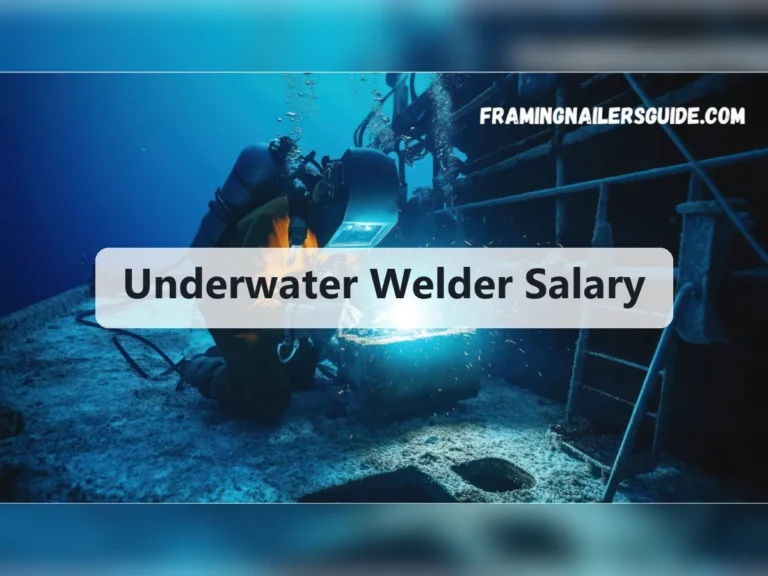
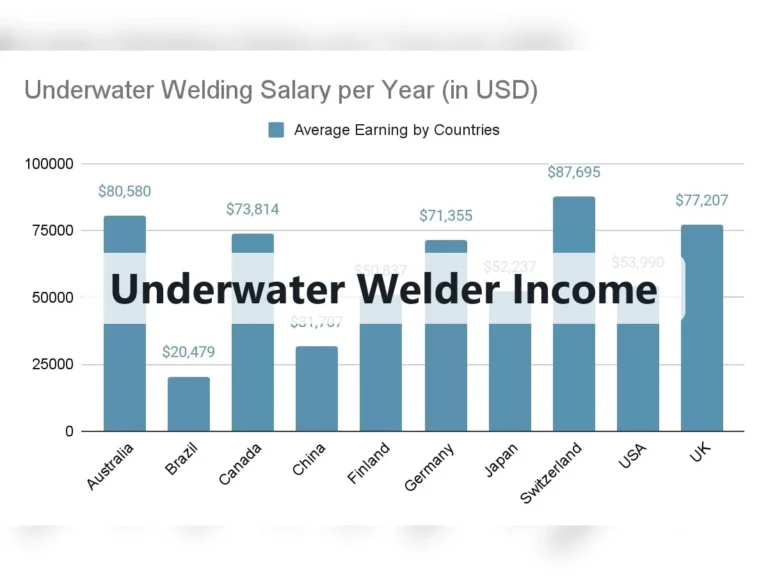
Underwater welding is frequently presented as a shortcut to exceptional income, but it is a specialized occupation with substantial training, equipment, medical, and safety demands. Compensation depends on the type of diving, location, project, employer, and amount of time actually spent on paid work.
Do not choose this path solely because of online salary claims. Investigate training costs, certification requirements, employment consistency, physical demands, and the difference between entry-level commercial diving work and advanced welding assignments.
How to Increase Your Welding Income
Increasing pay usually requires more than collecting unrelated certificates. The most effective development plan connects a marketable skill to a local employer need, then proves that skill through safe, consistent work.
A welder who wants higher earnings should identify a target role first. For example, the best preparation for production fabrication differs from preparation for field repair, structural work, precision TIG, inspection, or supervision.
- Study job postings: Look for repeated requirements such as blueprint reading, FCAW, aluminum experience, inspection knowledge, or travel availability.
- Build evidence: Keep a record of processes, materials, positions, qualifications, and projects you can discuss accurately.
- Improve adjacent skills: Fit-up, layout, measuring, drawing interpretation, and basic troubleshooting can make you more valuable.
- Protect reliability: Attendance, preparation, safe habits, and low rework often influence advancement as much as technical ability.
Choose training with a specific target
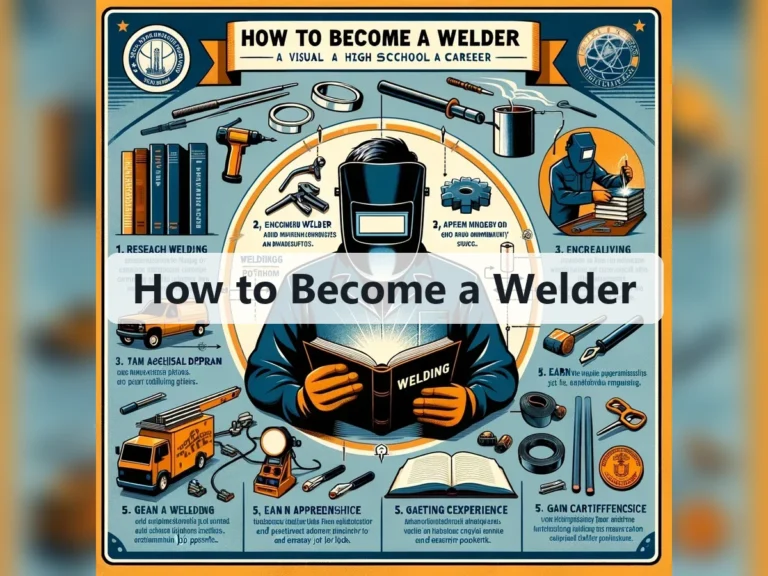
Trade school, community college, apprenticeship, employer training, and supervised shop experience can all lead to welding employment. The best option depends on cost, schedule, local demand, and whether you learn effectively through classroom instruction or hands-on repetition.
Before paying for a program ask which processes it teaches how much actual welding time students receive whether testing is available what employers recruit from the program and.
Develop blueprint and inspection skills
Welders who understand drawings, symbols, dimensions, tolerances, joint design, and sequencing can contribute before the arc starts. These skills reduce fit-up errors and help workers communicate with fabricators, inspectors, engineers, and supervisors.
Basic inspection awareness is also valuable. You do not need to become an inspector to recognize common discontinuities, protect traceability, or understand why a weld may require repair. Better technical communication can make advancement easier.
Negotiate based on value, not hope
Ask an employer how the wage was determined, what qualifications lead to the next pay level, and when performance reviews occur. Bring specific evidence: processes you perform independently, difficult materials you have handled, reduced rework, leadership responsibilities, or relevant qualifications.
Do not exaggerate experience. Welding mistakes can create safety, quality, and legal problems, so employers tend to value honest self-assessment. It is better to describe what you can perform reliably and identify what you are still learning.
Risks and Trade-Offs Behind Higher Welding Pay
Higher compensation often reflects higher demands rather than an easy opportunity. Heat, fumes, noise, awkward positions, heavy materials, repetitive motion, and limited visibility can affect long-term comfort and health when controls and protective practices are inadequate.
Workplace safety is an employer responsibility as well as a worker responsibility. Follow required procedures, use appropriate personal protective equipment, understand ventilation and confined-space rules, and ask questions when conditions are unclear. A wage increase is not worth accepting an avoidable hazard.
- Exposure: Welding fumes, gases, coatings, and confined spaces require appropriate controls and procedures.
- Fatigue: Long shifts can reduce concentration and increase the chance of defects or injuries.
- Equipment: Inspect leads, torches, regulators, cylinders, grounding, and protective gear before use.
- Training: Never assume a new process, material, or jobsite is safe simply because the task looks familiar.
Physical demands and career longevity
Welding can be physically demanding, especially when work involves kneeling, climbing, lifting, overhead positions, or confined areas. Workers who use correct body positioning, take permitted breaks, maintain equipment, and address early discomfort may be better able to remain productive over time.
Career longevity may also improve when welders expand into planning, inspection, quality control, estimating, training, or supervision. These paths still benefit from field knowledge while reducing dependence on the most physically strenuous tasks.
FAQ: How Much Does a Welder Make?
Salary questions are easiest to answer when the job’s conditions are clear. The following answers address the most common comparisons prospective welders make before choosing training or accepting an offer.
What is the starting salary for a welder?
Many new welders start around $17 to $24 per hour, although local demand, training quality, process knowledge, and previous fabrication experience can move the offer higher or lower. Entry-level workers often improve their pay after demonstrating consistent quality and reliability.
Can a welder make six figures?
Some welders can reach six-figure gross earnings, usually through a combination of specialized work, travel, overtime, high-demand projects, supervision, contracting, or difficult working conditions. It is not a typical starting salary, and the figure may include allowances or unusually long hours.
Do certified welders make more money?
Certification can improve access to jobs that require documented qualifications, but it does not guarantee a raise. Pay still depends on actual skill, process demand, experience, location, productivity, and whether the credential matches the employer’s needs.
Is welding a good-paying trade?
Welding can be a good-paying trade for people who develop reliable technical skills and choose a strong local or regional market. It offers multiple paths, but income may come with physical demands, variable schedules, overtime, travel, or exposure risks.
Do welders get paid hourly or by salary?
Hourly pay is common for production, construction, maintenance, and field welding because overtime and project schedules vary. Salaried roles are more common in supervision, inspection, quality, estimating, and management, though some employers use salary for senior technical positions.
What type of welder makes the most money?
There is no permanent top-paying category. Specialized field, pipeline, industrial, underwater, precision, and supervisory roles can pay strongly when demand is high, but the best-paying option depends on location, qualifications, schedule, and willingness to travel.
How much does a welder make without experience?
Without experience, a worker may begin near the lower end of local wage ranges, often around $17 to $22 per hour. Completing practical training, learning blueprint reading, passing relevant tests, and building a record of safe, consistent work can improve progression.
Conclusion
How much does a welder make depends on far more than the occupation’s name. A realistic estimate considers experience, process, materials, industry, location, overtime, benefits, travel, and the physical or safety demands of the assignment.
Use advertised wages as a starting point, not a promise. Compare guaranteed base pay with expected hours, benefits, expenses, schedule stability, and safety conditions before choosing training or accepting a position.
Review ten local welding job postings, record their required skills and complete compensation details, then choose one target role to guide your next training or certification decision.