Can You TIG Weld with an Inverter Welder: Overview and Key Facts
Yes, an inverter welder can TIG weld if it is designed for TIG operation or provides the connections and controls needed for a TIG setup. A basic stick-only inverter may not be suitable, even though both processes use an inverter power source.
If you are asking, can you tig weld with an inverter welder, the key issue is not simply whether the machine is an inverter. The important questions are whether it supports TIG mode, what current it produces, how the arc starts, and whether it can supply shielding gas and control the torch correctly.
Can You TIG Weld with an Inverter Welder?
You can TIG weld with an inverter welder when the machine is a TIG-capable inverter or a multiprocess welder that includes TIG functions. Many modern welders use inverter technology for stick, TIG, MIG, or multiple processes. However, “inverter welder” describes the power-source design, not the welding process the machine can perform.
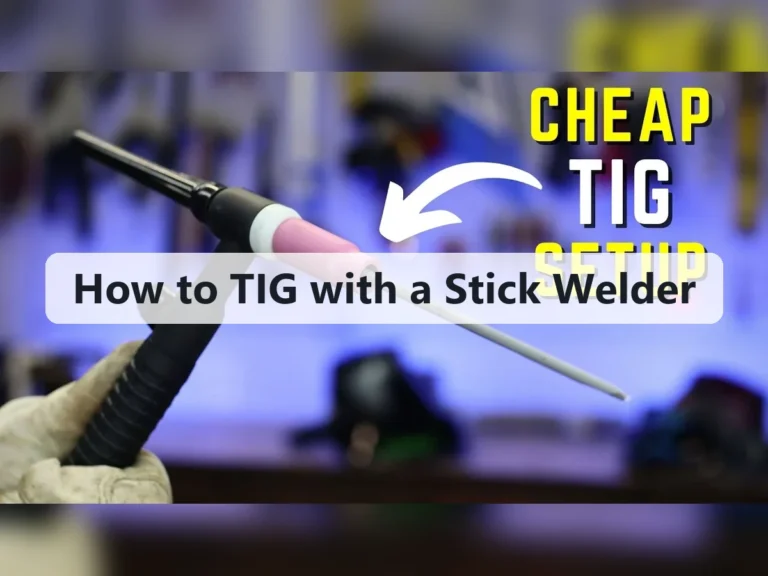
A stick-only inverter usually cannot perform full TIG welding by itself. Some stick machines can be adapted for basic lift-arc or scratch-start TIG, but they may lack a gas solenoid, high-frequency start, foot-pedal compatibility, remote amperage control, and other features that make TIG practical.
Before connecting a TIG torch, check the manufacturer’s specifications and manual. The machine should clearly list TIG, lift TIG, high-frequency TIG, or a similar operating mode. If TIG is not listed, adding a torch and argon does not automatically make the welder a TIG machine.
What Makes an Inverter Suitable for TIG?
A TIG-capable inverter must provide a stable, controllable welding current and the correct connections for the torch, work clamp, and shielding gas. The exact features vary by model, but the following functions are especially important.
DC or AC output
DC TIG is used for carbon steel, stainless steel, copper, and many other metals. It is also the normal choice for welding mild steel and stainless steel.
AC TIG is needed for aluminum and, in some cases, magnesium. AC helps break up the oxide layer on aluminum while allowing the weld pool to form. A DC-only inverter can TIG weld steel and stainless steel, but it is not the right choice for conventional aluminum TIG welding.
TIG mode
A dedicated TIG mode changes how the power source responds to the torch and arc. It may provide adjustable pre-flow, post-flow, upslope, downslope, and starting current. These controls improve arc reliability and help protect the tungsten and finished weld from contamination.
A machine with only a general-purpose output may still create an arc, but that does not mean it offers a useful or controlled TIG function.
Arc-start method
Inverter welders commonly use one of three TIG starting methods:
- Scratch start: The tungsten is touched to the work and drawn away to start the arc. This is simple but can contaminate the tungsten and the weld.
- Lift arc: The torch touches the work at low current, then lifts away to initiate the arc. It reduces contamination compared with scratch starting.
- High-frequency start: A high-voltage signal starts the arc without touching the tungsten to the work. This is the cleanest and most convenient method, especially for precise TIG work.
Scratch-start TIG can be useful for occasional repairs, but it normally requires manually controlling the gas and does not provide the same convenience as a dedicated TIG machine. Lift-arc and high-frequency systems are generally better choices when arc cleanliness and repeatability matter.
Gas and torch connections
TIG welding requires a supply of inert shielding gas, usually 100 percent argon for common steel, stainless steel, and aluminum applications. The welder or TIG accessory kit must provide a way to connect the argon regulator, gas hose, and torch.
Some multiprocess welders use a gas solenoid and a dedicated TIG torch connection. Other machines require a torch with a manual gas valve. A manual-valve torch can work for basic lift TIG, but gas flow must be opened and closed by hand.
What Equipment Is Needed?
Using an inverter for TIG welding requires more than the power source alone. A typical setup includes:
- A TIG-capable inverter welder
- A TIG torch with the correct connector
- A sharpened tungsten electrode and collet system
- A ceramic gas cup and suitable back cap
- A work clamp and welding leads
- An argon cylinder, regulator, and flowmeter
- Filler metal appropriate for the base metal, when filler is needed
- Proper welding helmet, gloves, clothing, and ventilation
The torch and cable must match the machine’s connection style, amperage rating, and polarity requirements. Some welders use a standard connection, while others require a manufacturer-specific torch or adapter. The manual should identify the correct torch lead, electrode polarity, and gas connection.
For most DC TIG work, the torch is connected to the negative terminal and the work clamp to the positive terminal. This is commonly called DC electrode negative. AC TIG machines use an alternating output for aluminum. Always follow the polarity diagram for the specific inverter because connection requirements can differ.
How to Set Up an Inverter for TIG
The setup process depends on the welder, but the basic sequence is consistent.
- Confirm that the inverter supports TIG and identify whether it uses scratch start, lift arc, or high frequency.
- Connect the TIG torch and work clamp according to the machine’s polarity diagram.
- Attach the argon regulator to the cylinder and connect the gas hose to the welder or torch.
- Install the correct tungsten size, collet, and gas cup.
- Select DC or AC based on the metal being welded and choose the recommended amperage range.
- Set the argon flow according to the torch, cup, joint, and working conditions.
- Clean the metal and remove oil, paint, rust, moisture, and surface oxide.
- Secure the workpiece, establish a safe ground connection, and test the arc on scrap metal.
Pure argon is the normal shielding gas for TIG. Do not use an argon-carbon dioxide mixture intended for MIG welding. The wrong gas can create unstable arc behavior, excessive contamination, and poor weld quality.
Gas coverage must continue briefly after the arc stops. This post-flow protects the hot tungsten and weld crater from oxygen in the air. If the machine does not control post-flow, the operator must manage the gas manually or use a torch and setup designed for that limitation.
Can a Stick-Only Inverter Be Converted?
Sometimes a stick-only inverter can be used for basic scratch-start TIG, but the result is limited. The machine must have a suitable DC output, compatible polarity, and a stable enough arc for TIG. The operator may need a TIG torch with a built-in gas valve, an argon regulator, and a separate hose connection.
This arrangement usually does not provide high-frequency starting, a gas solenoid, remote amperage control, or automatic downslope. Starting the arc by scratching the tungsten can also leave tungsten particles in the weld and make it harder to maintain a clean arc.
A stick inverter should not be modified internally unless the manufacturer specifically supports the modification. Incorrect wiring, incompatible accessories, or bypassed safety systems can damage the machine and create an electrical or fire hazard. If the manual does not describe TIG conversion, using a dedicated TIG-capable inverter is the safer and more predictable option.
Important Limitations
The biggest limitation is that not every inverter supports every TIG application. A DC-only machine cannot provide normal AC TIG for aluminum. A low-cost lift-arc unit may weld steel successfully but lack the control needed for thin sheet, precision joints, or repeated production work.
Amperage range also matters. The machine must be able to operate at a low enough current for the material without an unstable arc. For thin metal, fine control is often more valuable than maximum output. The duty cycle must also be sufficient for the intended work, especially when making long welds or using higher current.
Control location can affect usability. A front-panel-only welder may require stopping to change amperage. A remote-control connection or foot pedal allows the operator to adjust current while welding, which is useful when joint thickness, heat buildup, or fit-up changes during the weld.
Finally, a TIG inverter does not eliminate the need for careful preparation. TIG exposes contamination quickly. Dirty base metal, oily filler rod, a contaminated tungsten, excessive torch angle, or inadequate gas coverage can cause porosity, discoloration, and an erratic arc.
Safety and Operating Cautions
Disconnect power before changing leads or making electrical connections, and follow the welder’s grounding and ventilation instructions. Shielding gas can displace oxygen in enclosed areas, so TIG welding requires adequate ventilation and safe cylinder handling.
Use a welding helmet with the appropriate shade, flame-resistant clothing, insulated gloves, and closed footwear. Keep flammable materials away from the arc and hot workpiece. High-frequency starting can interfere with some electronic equipment, so follow the manufacturer’s guidance when welding near sensitive controls or medical devices.
Never assume that a torch, pedal, adapter, or gas connection is compatible because its plug appears to fit. Verify the voltage, polarity, pinout, and rated current. An incorrect accessory can cause poor performance or damage the inverter.
FAQ
Can any inverter welder TIG weld?
No. Only an inverter with a TIG function or a compatible DC output and supported TIG setup should be used for TIG welding. A stick-only inverter may support basic scratch-start TIG, but it is not automatically a full TIG welder.
Can you TIG weld aluminum with an inverter welder?
Yes, but the inverter must provide AC TIG and suitable aluminum controls. A DC-only inverter is generally suitable for TIG welding steel and stainless steel, not conventional aluminum TIG welding.
Is lift-arc TIG better than scratch-start TIG?
Lift arc is generally cleaner and easier to control because the tungsten is not dragged across the work to start the arc. Both methods can work for basic jobs, but high-frequency start offers the least contact contamination and the most convenient starting process.
Does an inverter welder need argon for TIG?
Yes. TIG welding normally requires an inert shielding gas, usually pure argon. The gas protects the molten weld pool and tungsten from atmospheric contamination.
Can a TIG torch be connected to a stick inverter?
It can be connected only when the machine supports a compatible TIG arrangement or can safely perform scratch-start TIG. The torch, polarity, gas system, and connectors must match the welder. Do not assume that a physical connection makes the setup suitable.
What is the best inverter welder for TIG?
The appropriate machine is one that explicitly supports the required process, metal, and controls. For steel and stainless steel, a DC TIG inverter may be enough. For aluminum, choose an AC/DC TIG inverter with the starting and amperage controls needed for the work.
Conclusion
So, can you tig weld with an inverter welder? Yes, when the inverter supports TIG and has the correct current type, arc-start method, torch connection, shielding gas setup, and controls. A dedicated TIG-capable inverter provides the most reliable results, while a stick-only model may be limited to basic scratch-start TIG and should never be modified without manufacturer approval.