Can You TIG Weld Exhaust Pipe: What to Know and Why It Matters
Improperly welded exhaust pipes can lead to frustrating leaks, reduced engine performance, and even dangerous carbon monoxide exposure within your vehicle. Getting the weld right is crucial for both functionality and safety. Fortunately, TIG welding is not only possible for exhaust pipes but is often considered the superior method for its precision, strength, and aesthetic appeal. Understanding the nuances of TIG welding exhaust components ensures a durable, leak-free repair or custom fabrication. The question “can you tig weld exhaust pipe” becomes clearer once the surrounding conditions and practical details are considered.
Can You TIG Weld Exhaust Pipe
So, can you TIG weld exhaust pipe? Absolutely, and it’s frequently the preferred technique for its ability to produce high-quality, clean welds on the thin-gauge materials typically used in exhaust systems.
Why TIG Welding is Ideal for Exhaust Pipes
Tungsten Inert Gas (TIG) welding, also known as Gas Tungsten Arc Welding (GTAW), offers several advantages that make it particularly well-suited for exhaust pipe applications:
- Precision and Control: TIG welding provides exceptional control over the heat input and filler material, allowing for very precise welds, even on thin-walled tubing. This minimizes distortion and burn-through, common issues with other welding methods on exhaust components.
- Clean Welds: The inert gas shield (typically argon) protects the weld puddle and tungsten electrode from atmospheric contamination, resulting in very clean, porosity-free welds. This is critical for preventing leaks and ensuring long-term durability.
- Strong and Ductile Welds: TIG welds are known for their strength and ductility, which is important for exhaust systems that experience significant vibration and thermal expansion/contraction.
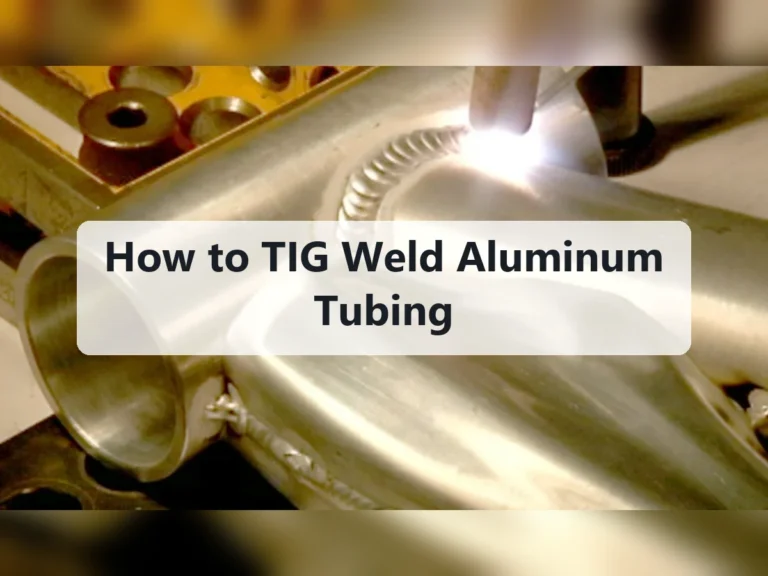
- Aesthetic Appeal: When done correctly, TIG welds are visually appealing, often described as having a “stacked dime” appearance. This is a significant factor for custom exhaust builders and enthusiasts.
- Versatility: TIG can weld a wide range of metals commonly found in exhaust systems, including stainless steel, mild steel, and even titanium.
Materials Commonly Found in Exhaust Pipes
Exhaust pipes are typically made from a few key materials, each with specific TIG welding considerations:
- Mild Steel (Carbon Steel): This is the most common and economical material for OEM exhaust systems. It’s relatively easy to TIG weld.
- Stainless Steel: Popular in aftermarket and performance exhausts due to its corrosion resistance and strength. Stainless steel requires specific TIG techniques and filler metals to maintain its properties. Common grades include 304 and 409.
- Aluminized Steel: Mild steel with an aluminum-silicon coating for corrosion resistance. The aluminum coating needs to be managed during welding to prevent contamination.
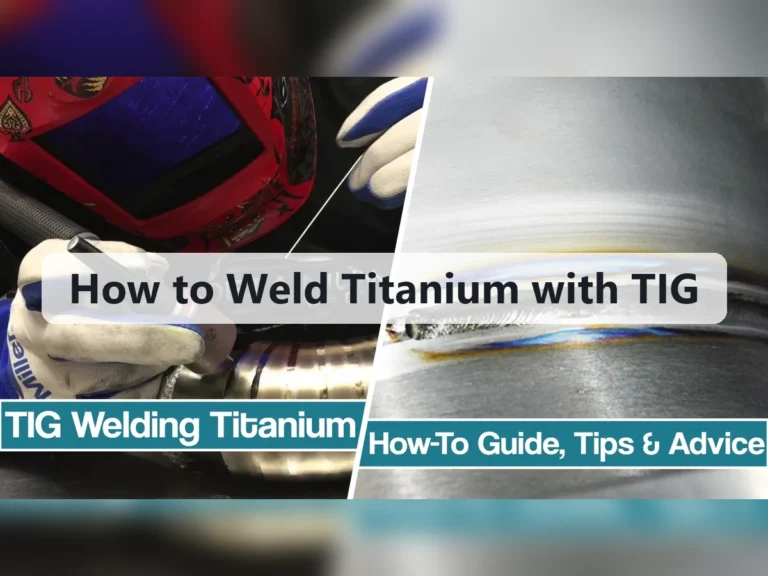
- Titanium: Used in high-end performance and racing applications for its extreme strength-to-weight ratio. Titanium is highly reactive and requires very stringent shielding practices for TIG welding.
Essential Equipment for TIG Welding Exhaust Pipes
To successfully TIG weld exhaust pipes, you’ll need the right equipment:
- TIG Welder: An AC/DC TIG machine is ideal, especially if you plan to weld stainless steel or potentially aluminum (though aluminum is less common for exhaust pipes themselves, it might be used for brackets or other components). A DC-only machine will suffice for mild steel and stainless steel.
- TIG Torch: Choose a torch appropriate for the amperage you’ll be using and comfortable to hold for precise work.
- Tungsten Electrodes:
- 2% Lanthanated (Blue): Good all-around for AC and DC welding, including stainless and mild steel.
- 2% Thoriated (Red): Excellent for DC welding of steel, but radioactive, so proper ventilation and disposal are necessary.
- Ceriated (Grey): Another good non-radioactive alternative for AC and DC.
Match the tungsten diameter to your amperage settings.
- Shielding Gas: 100% Argon is the standard for TIG welding exhaust pipes made of steel and stainless steel. A gas flow meter and regulator are essential.
- Filler Rods: Select filler rods that match the base material of the exhaust pipe.
- Mild Steel: ER70S-2 or ER70S-6
- Stainless Steel: ER308L for 304 stainless, ER309L for dissimilar metals or higher strength.
- Personal Protective Equipment (PPE):
- Auto-darkening welding helmet
- Welding gloves (thin, pliable TIG gloves are preferred for dexterity)
- Flame-resistant clothing
- Safety glasses
- Preparation Tools:
- Angle grinder with flap disc or wire wheel for cleaning
- Acetone or denatured alcohol for degreasing
- Clamps and stands for holding pipes in position
- Tack welding equipment (can be the TIG welder itself)
- Back purging equipment (for stainless steel)
Step-by-Step TIG Welding Process for Exhaust Pipes
Here’s a general overview of the TIG welding process for exhaust pipes:
1. Preparation is Key
- Clean the Material: This is arguably the most critical step for TIG welding. Grind or wire brush both the inside and outside of the pipe ends to remove any rust, scale, paint, or coatings (especially important for aluminized steel). Then, wipe the area thoroughly with acetone or denatured alcohol to remove oils and grease. Contaminants will lead to poor, porous welds.
- Fit-Up: Ensure the pipes fit together with minimal gaps. A tight fit-up reduces the amount of filler material needed and makes welding easier. Use clamps or stands to hold the pipes securely in position.
- Back Purging (for Stainless Steel): When welding stainless steel, it’s essential to introduce inert gas (argon) to the inside of the pipe. This prevents “sugaring” or oxidation on the back side of the weld, which compromises corrosion resistance and strength. Use specialized purge plugs or tape to seal the pipe and maintain a slight positive pressure of argon inside.
2. Machine Setup
- Polarity: For mild steel and stainless steel, use DC Negative (DCEN) or Straight Polarity.
- Amperage: Start with a lower amperage setting and adjust as needed. Thin exhaust pipe material typically requires lower amperage than thicker metals. A good starting point might be 1 amp per 0.001 inch of material thickness, but this varies.
- Gas Flow: Set your argon flow rate, typically between 15-25 cubic feet per hour (CFH) for the torch, and slightly lower for back purging.
- Tungsten Stick-Out: Adjust the tungsten electrode to stick out from the ceramic cup by about 1/8 to 1/4 inch (3-6mm).
3. Tack Welding
Before running a full bead, tack weld the pipes together in several spots around the circumference. This holds them in alignment and prevents distortion during the main weld. Aim for small, strong tacks.
4. The Welding Pass
With proper PPE on, begin welding:
- Arc Start: Initiate the arc using a high-frequency start (if your machine has it) or by carefully scratching the tungsten on a piece of scrap metal to establish the arc away from your work. Avoid touching the tungsten to the workpiece, as this contaminates the tungsten.
- Puddle Formation: Establish a small, molten puddle on the joint.
- Filler Rod Addition: Dip the filler rod into the leading edge of the puddle. The amount of filler needed will depend on the gap and desired bead profile.
- Torch Movement: Move the torch steadily along the joint, maintaining a consistent arc length and angle. You can use a dabbing technique (dip, move, dip) or a walking the cup technique for more advanced control.
- Consistency: Focus on maintaining a consistent puddle size, travel speed, and filler rod addition. This creates the characteristic “stacked dime” appearance.
- Crater Fill: At the end of your weld, slowly taper off the amperage (if using a foot pedal or finger control) to fill the crater and prevent cracking. Maintain gas flow for a few seconds after the arc extinguishes to protect the cooling weld and tungsten.
Common Challenges and Tips for Exhaust Pipe TIG Welding
- Burn-Through: Exhaust pipes are often thin. Too much heat or too slow a travel speed can easily burn through the material. Keep amperage low, move steadily, and use a tight arc.
- Distortion: Heat input can cause the pipe to warp. Tack welding effectively and allowing sections to cool can help. Welding in short segments rather than one continuous pass can also minimize distortion.
- Contamination: Any grease, rust, or paint will lead to poor welds. Thorough cleaning is non-negotiable.
- Sugaring (Stainless Steel): Lack of back purging on stainless steel will cause oxidation on the backside, weakening the weld and reducing corrosion resistance. Always back purge stainless.
- Awkward Positions: Exhaust systems often require welding in tight or uncomfortable positions. Practice your torch and filler rod manipulation from various angles.
- Heat Management: For continuous welds, especially on stainless steel, consider using a copper backing bar or heat sinks to dissipate heat and prevent excessive distortion.
- Practice: TIG welding has a steep learning curve. Practice on scrap pieces of similar thickness and material before tackling your actual exhaust.
When to Consider Professional Help
While TIG welding exhaust pipes is a skill many DIY enthusiasts can learn, there are times when professional help is advisable:
- Complex Custom Systems: If you’re designing a highly intricate custom exhaust system with complex bends and junctions, a professional fabricator will have the specialized tools and experience.
- Critical Performance Applications: For high-performance vehicles where every detail impacts power and reliability, a master welder can ensure optimal flow and structural integrity.
- Lack of Equipment or Experience: If you don’t have access to a TIG welder or lack sufficient practice, attempting a critical exhaust repair could lead to more problems.
- Titanium Welding: TIG welding titanium requires very specific techniques, extreme cleanliness, and often specialized gas lenses and larger cups to ensure complete atmospheric protection. This is generally best left to experienced professionals.
TIG Welding vs. Other Welding Methods for Exhaust
While other methods can weld exhaust pipes, TIG often stands out:
- MIG Welding (GMAW): Faster and easier to learn than TIG. Good for mild steel and thicker exhaust components. However, MIG can struggle with very thin material, producing more spatter and less precise welds than TIG. It’s often used for production exhaust work where speed is paramount.
- Stick Welding (SMAW): Generally not recommended for exhaust pipes due to the thin material. Stick welding produces a lot of heat, spatter, and slag, making it difficult to achieve clean, leak-free welds on thin tubing.
For precision, strength, and aesthetics, especially on stainless steel, TIG welding remains the top choice for exhaust systems.
Frequently Asked Questions About TIG Welding Exhaust Pipe
Can you TIG weld mild steel exhaust pipe?
Yes, absolutely. Mild steel is one of the easiest materials to TIG weld, making it a common application for exhaust repairs and custom fabrication. Use ER70S-2 or ER70S-6 filler rod and 100% argon shielding gas with DCEN polarity.
Is TIG welding good for exhaust?
TIG welding is excellent for exhaust systems. It produces strong, clean, and leak-free welds with minimal distortion, making it ideal for the thin-gauge materials and demanding conditions (vibration, heat cycles) found in exhaust pipes. It’s often considered the best method for quality and aesthetics.
What gas do you use for TIG welding exhaust pipe?
For TIG welding exhaust pipes made of mild steel or stainless steel, 100% argon is the standard and recommended shielding gas. It provides excellent arc stability and weld puddle protection.
What size tungsten for TIG welding exhaust pipe?
For typical thin-gauge exhaust pipe material (e.g., 16-18 gauge), a 1/16 inch (1.6mm) or 3/32 inch (2.4mm) tungsten electrode is commonly used. The exact size depends on the material thickness and the amperage settings you’ll be using. Thinner material generally requires smaller tungsten.
Do you need to back purge when TIG welding exhaust
Yes, you absolutely need to back purge when TIG welding stainless steel exhaust pipe. Back purging with inert gas (argon) on the inside of the pipe prevents oxidation (“sugaring”) on the back side of the weld, which maintains the material’s corrosion resistance and strength. For mild steel, back purging is not strictly necessary but can improve weld appearance and penetration.
Conclusion
In conclusion, the answer to can you TIG weld exhaust pipe is a resounding yes, and it is often the preferred method for achieving high-quality, durable, and aesthetically pleasing results. With proper preparation, the right equipment, and a steady hand, TIG welding offers unparalleled control and precision, making it ideal for the thin-gauge materials and critical joints found in automotive exhaust systems. Whether you’re repairing a leak or fabricating a custom setup, mastering TIG welding for exhaust pipes will ensure a robust and reliable connection that stands the test of time and the rigors of the road.