Poly Welding Training: Essential Information and Useful Advice
When I talk to people about welding, a common image that comes to mind is sparks flying from metal. That’s a classic picture, and it’s certainly a vital part of many industries. However, the world of joining materials is far broader, and one area that often gets overlooked, despite its critical importance, is the welding of plastics, specifically polyethylene.
Polyethylene, or poly, is everywhere – from water pipes and gas lines to geomembranes in landfills. Its durability, flexibility, and resistance to corrosion make it an ideal material for many applications. But unlike metal, you can’t just melt it with an arc welder. Joining poly requires specialized techniques and, crucially, specialized training.
This article will delve into the specifics of poly welding, helping you understand why it’s different, what methods are used, and what you should look for when seeking out quality poly welding training. I’ll cover the essential skills, the types of equipment involved, and how to ensure you’re getting the most effective instruction to build a valuable and in-demand skill set.
My goal is to clarify the path for anyone considering a career or needing to upskill in this niche but vital field, ensuring you have a clear understanding of what makes successful poly welding possible and how to achieve it.
Understanding Poly Welding: More Than Just Melting Plastic
Poly welding, at its core, is the process of joining two pieces of polyethylene material by heating them to a molten state and then pressing them together. The key difference from metal welding is that with poly, you’re not introducing a filler material in the same way you might with steel. Instead, you’re creating a molecular bond between the parent materials themselves. This results in a joint that, when done correctly, is as strong as or even stronger than the original material.
The strength and integrity of a poly weld are paramount, especially in critical applications like pressure pipelines for water or gas. A faulty weld can lead to leaks, environmental damage, and significant safety hazards. This is why proper technique, understanding of material properties, and adherence to strict standards are not just recommendations but necessities.
Why Polyethylene is Welded
Polyethylene is chosen for many applications due to its unique properties:
- Corrosion Resistance: Unlike metal, poly does not rust or corrode, making it ideal for underground pipes and chemical containment.
- Flexibility: It can withstand ground movement and seismic activity better than rigid materials.
- Lightweight: Easier to transport and install than heavier alternatives.
- Durability: Long service life, often exceeding 50 years.
- Chemical Resistance: Resistant to a wide range of chemicals.
These advantages make poly welding a critical skill in industries such as:
- Water and wastewater management
- Natural gas distribution
- Mining
- Landfill construction and environmental protection (geomembranes)
- Agriculture (irrigation systems)
- Industrial piping
Key Poly Welding Methods and Their Applications
There isn’t a single “poly welding” method; rather, there are several distinct techniques, each suited for different applications, material thicknesses, and pipe diameters. Understanding these methods is fundamental to any comprehensive poly welding training program.
Butt Fusion Welding
Butt fusion is perhaps the most common and widely used method for joining polyethylene pipes. It involves heating the ends of two pipes simultaneously using a heated plate (heater bar) until the material reaches a molten state. The heater plate is then removed, and the two molten ends are pressed together under controlled pressure for a specific cooling time. The result is a strong, monolithic joint.
- Process:
- Facing: The pipe ends are precisely faced (planed) to ensure they are clean, parallel, and flat.
- Heating: A heated plate is inserted between the faced pipe ends, melting the surfaces.
- Soaking: The pipe ends are held against the heater plate for a specific “soak” time to ensure uniform melt.
- Removal: The heater plate is quickly removed.
- Fusion: The molten pipe ends are brought together under controlled pressure, allowing the polymer chains to intermingle and fuse.
- Cooling: The joint is held under pressure until it cools and solidifies.
- Equipment: Butt fusion machines range from small, manual devices for smaller pipes to large, hydraulic, self-propelled machines for pipes up to 2000mm (78 inches) or more. They typically include a facer, heater plate, and clamping jaws.
- Applications: Primarily used for joining straight sections of pipe in water, gas, and industrial applications.
Electrofusion Welding
Electrofusion is another widely used method, particularly for smaller diameter pipes, repairs, and complex fittings. It uses specialized fittings that have integrated electrical resistance wires. When an electric current is passed through these wires, they heat up, melting the inner surface of the fitting and the outer surface of the pipe. The molten material fuses together, creating a strong joint.
- Process:
- Preparation: The pipe ends are scraped to remove the oxidized layer and cleaned.
- Fitting Placement: The electrofusion fitting (coupler, elbow, tee, etc.) is placed over the pipe ends.
- Clamping: The pipes and fitting are clamped to prevent movement during the fusion process.
- Electrical Connection: An electrofusion processor (welder) is connected to the fitting’s terminals.
- Fusion Cycle: The processor delivers a controlled current for a specific time, melting the plastic.
- Cooling: The joint is allowed to cool naturally, often with a specified cooling time marked on the fitting.
- Equipment: Electrofusion processor, pipe scrapers, clamps, and the specialized electrofusion fittings themselves.
- Applications: Ideal for gas and water distribution networks, repairs, and situations where butt fusion is impractical due to space constraints or complex geometries.
Extrusion Welding
Extrusion welding is a process used primarily for fabricating large structures, lining tanks, or repairing geomembranes and large diameter pipes. It involves using a handheld extrusion welder that feeds a polyethylene welding rod into a heated chamber. The molten plastic is then extruded onto the surfaces to be joined, creating a continuous, strong bead.
- Process:
- Surface Preparation: The surfaces to be joined are cleaned and often pre-heated.
- Extrusion: The welder melts a welding rod and extrudes the molten plastic onto the joint area.
- Pressure: A shoe or roller on the extruder applies pressure to consolidate the weld bead.
- Cooling: The weld cools and solidifies.
- Equipment: Handheld extrusion welder, often with various shoes for different joint configurations.
- Applications: Geomembrane liners, plastic tank fabrication, large diameter pipe repairs, and custom fabrication.
Hot Air/Hot Gas Welding
Similar to extrusion welding in some applications, hot air or hot gas welding uses a specialized heat gun to soften both the parent material and a separate welding rod. The softened rod is then pressed into the softened joint area, fusing the materials together. This method is often used for smaller repairs, fabrication of plastic components, and intricate work.
- Process:
- Preparation: Surfaces are cleaned and beveled if necessary.
- Heating: Hot air/gas is directed at both the parent material and the welding rod.
- Application: The softened welding rod is pressed into the joint, creating a bond.
- Equipment: Hot air/gas welder, various nozzles, and polyethylene welding rods.
- Applications: Plastic fabrication, small repairs, and intricate work where precise heat control is needed.
What to Expect from Quality Poly Welding Training
Effective poly welding training goes far beyond simply showing you how to operate a machine. It encompasses a deep understanding of the material, the science behind the fusion process, safety protocols, and quality assurance. When I evaluate training programs, I look for several key components that indicate a comprehensive and valuable experience.
Theoretical Knowledge and Principles
Before you even touch a machine, you need to understand the “why” behind the “how.”
- Polyethylene Properties: Understanding different grades of PE (e.g., PE100, PE80), their melt flow index, density, and how these properties affect welding.
- Fusion Principles: The science of molecular bonding, heat transfer, and pressure application.
- Standards and Specifications: Familiarity with relevant industry standards (e.g., ASTM, ISO, DVS) that govern poly welding quality and procedures.
- Joint Design: Understanding different joint configurations and why certain designs are preferred for specific applications.
- Troubleshooting: Identifying common weld defects, their causes, and how to prevent them.
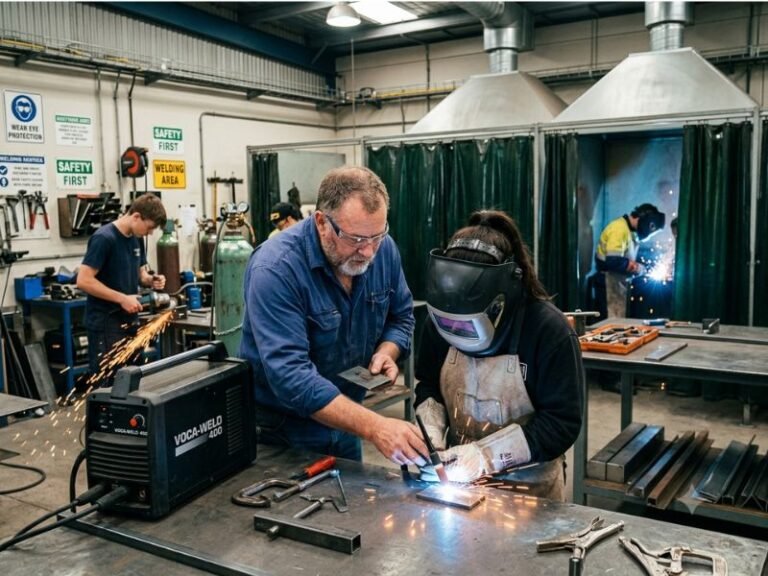
Practical, Hands-On Experience
This is where the rubber meets the road. A significant portion of any good poly welding training program should be dedicated to practical application.
- Machine Setup and Calibration: Learning how to properly set up, calibrate, and maintain different welding machines (butt fusion, electrofusion, extrusion).
- Pipe Preparation: Mastering the critical steps of pipe facing, scraping, and cleaning to ensure optimal fusion.
- Welding Techniques: Performing actual welds under supervision, adhering to specific parameters for heat, pressure, and time. This includes making test welds that will be inspected.
- Fault Finding and Repair: Practicing identifying and correcting common issues during the welding process.
- Safety Procedures: Hands-on training in safe operation of equipment, handling hot materials, and working in various environments.
Quality Assurance and Testing
A weld is only as good as its integrity. Training should cover how to verify weld quality.
- Visual Inspection: Learning to identify external signs of a good or bad weld (e.g., bead size, uniformity, alignment).
- Destructive Testing: Understanding and potentially performing bend tests, tensile tests, or peel tests on sample welds to assess internal strength.
- Non-Destructive Testing (NDT): While less common for field poly welding, an introduction to methods like ultrasonic testing for critical applications can be valuable.
- Documentation: Proper record-keeping of weld parameters, operator identification, and test results.
Safety and Environmental Considerations
Safety is non-negotiable in any welding operation.
- Personal Protective Equipment (PPE): Proper use of gloves, eye protection, and appropriate clothing.
- Site Safety: Awareness of trench safety, working with heavy machinery, and environmental factors.
- Hazard Identification: Recognizing potential hazards associated with hot surfaces, electrical equipment, and working with plastics.
- Environmental Impact: Proper disposal of waste materials and minimizing environmental footprint.
Choosing the Right Poly Welding Training Provider
With the demand for skilled poly welders growing, many training options are available. However, not all programs are created equal. I recommend a careful evaluation to ensure you invest your time and money wisely.
Accreditation and Certification
This is perhaps the most important factor. Look for training providers that offer:
- Industry-Recognized Certification: Certifications from reputable organizations or bodies that are recognized by employers in your target industry. This demonstrates a verified level of competency.
- Compliance with Standards: Ensure the training adheres to national or international welding standards relevant to polyethylene.
Experienced Instructors
The quality of instruction directly impacts your learning. Seek out programs with:
- Certified Welders and Trainers: Instructors who are not only experienced welders themselves but also certified trainers with a proven ability to teach effectively.
- Real-World Experience: Instructors who can share practical insights, common challenges, and best practices from their own field experience.
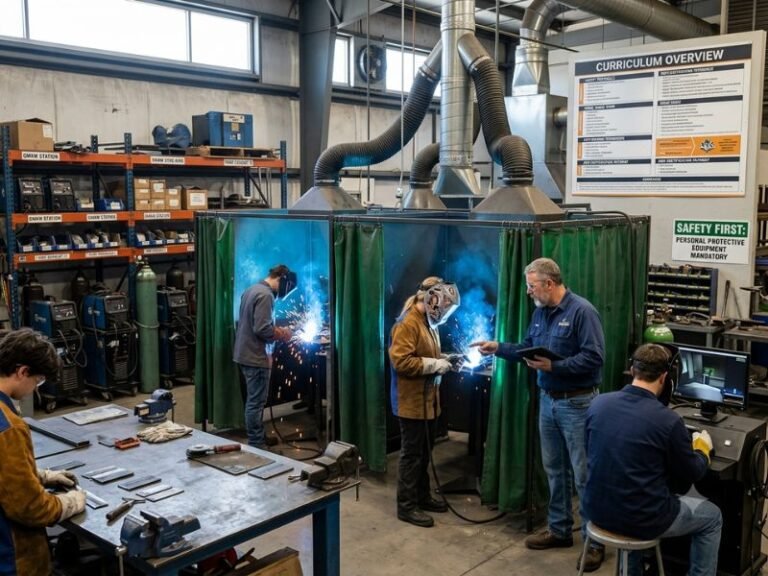
Equipment and Facilities
Hands-on training requires access to appropriate equipment.
- Modern Equipment: Training on current models of butt fusion, electrofusion, and extrusion welders that you’ll encounter in the field.
- Variety of Machines: Exposure to different sizes and types of machines to broaden your skill set.
- Adequate Workstations: Enough space and equipment for each student to get sufficient practice time.
- Safe Environment: A clean, well-organized, and safe training facility.
Curriculum and Course Structure
Review the course outline carefully.
- Comprehensive Content: Does it cover all the theoretical and practical aspects I’ve outlined above?
- Balance of Theory and Practice: Is there a good mix of classroom instruction and hands-on welding time?
- Small Class Sizes: Smaller classes often allow for more personalized attention and feedback from instructors.
- Refresher Courses/Advanced Training: Does the provider offer options for ongoing education or specialization?
Reputation and Reviews
Do your homework on the training provider.
- Testimonials: Look for reviews or testimonials from past students.
- Employer Feedback: If possible, ask employers in the industry about which training programs they value.
- Industry Connections: A provider with strong ties to the industry might offer better job placement assistance or networking opportunities.
Career Opportunities for Certified Poly Welders
Obtaining certification in poly welding opens doors to a variety of stable and well-paying careers across multiple sectors. The demand for skilled poly welders remains high due to ongoing infrastructure development, maintenance of existing systems, and the increasing use of polyethylene in new applications.
Typical Job Roles
- Polyethylene Pipeline Welder: Working on water, gas, and sewer pipelines.
- Geomembrane Installer/Welder: Specializing in lining landfills, ponds, and mining sites.
- Plastic Fabricator: Custom building tanks, chemical containment systems, and other plastic structures.
- Utility Worker: Often involved in repairing and installing underground utility lines.
- Mining Technician: Maintaining and installing poly piping systems in mining operations.
Industry Growth and Demand
The infrastructure sector, particularly water and gas utilities, relies heavily on polyethylene. As older infrastructure ages and new developments occur, the need for skilled individuals to install, maintain, and repair these systems will only continue to grow. Environmental regulations also drive the demand for geomembrane welders in waste management and containment projects.
Common Mistakes to Avoid in Poly Welding
Even with good training, certain pitfalls can lead to poor weld quality. Being aware of these common mistakes can help you prevent them in your own work.
- Inadequate Surface Preparation: Failing to properly face or scrape pipe ends is a leading cause of weak welds. The oxidized layer on PE must be removed for proper fusion.
- Incorrect Parameters: Not adhering to the manufacturer’s or standard’s specified heat, pressure, and time settings for the specific pipe material and diameter.
- Contamination: Dirt, moisture, or foreign particles on the pipe ends or heater plate will compromise the weld integrity.
- Misalignment: Poor alignment of pipe ends during butt fusion can lead to uneven melt and a weak joint.
- Premature Cooling: Moving or disturbing the joint before it has fully cooled and solidified will weaken the fusion.
- Overheating or Underheating: Too much heat can degrade the polymer, while too little won’t achieve proper melt and fusion.
- Rushing the Process: Poly welding requires patience and adherence to precise timings. Rushing any step can lead to critical defects.
- Lack of Maintenance: Not regularly cleaning and maintaining welding equipment can lead to inconsistent performance and poor weld quality.
Poly Welding Training: Advanced Skills and Specializations
Once you’ve mastered the fundamentals of poly welding, there are opportunities to specialize and develop advanced skills that can further enhance your career prospects.
Large Diameter Pipe Welding
Welding very large diameter polyethylene pipes (e.g., 600mm/24 inches and above) requires specialized knowledge and equipment. These projects often involve large hydraulic butt fusion machines, precise alignment, and careful management of cooling times due to the sheer volume of material. Training in this area focuses on operating these large machines, understanding the specific challenges of large-scale fusion, and managing on-site logistics.
Complex Fabrication and Custom Work
For those interested in more intricate projects, training in plastic fabrication can be invaluable. This often involves a combination of extrusion welding, hot air welding, and sometimes solvent welding for other plastics. Skills include:
- Reading and interpreting fabrication drawings.
- Designing and building custom tanks, sumps, and other structures.
- Working with various plastic sheets and profiles.
- Advanced joint configurations and repair techniques.
Quality Control and Inspection
Some poly welders transition into roles focused on quality assurance. This involves:
- Advanced destructive and non-destructive testing methods.
- Developing and implementing quality control plans.
- Inspecting welds and ensuring compliance with project specifications and industry standards.
- Training and certifying other welders.
Repair and Maintenance Welding
Specializing in the repair of existing polyethylene infrastructure is a critical skill. This often involves working in challenging environments, identifying the root cause of failures, and applying appropriate repair techniques (e.g., patch welding, cut-out and replace with electrofusion). This area often requires a deep understanding of pipeline systems and operational safety.
The Future of Poly Welding
The field of poly welding is not static. I see continuous advancements that will shape its future:
- Automation and Robotics: Increasing use of automated welding machines, especially for large-scale projects, to improve consistency and efficiency.
- Data Logging and Traceability: More sophisticated data logging systems in welding machines to record every parameter of a weld, enhancing traceability and quality assurance.
- New Materials: Development of new polyethylene grades with enhanced properties, requiring updated welding techniques.
- Remote Monitoring: Integration of IoT (Internet of Things) for remote monitoring of welding processes and equipment.
- Sustainable Practices: Focus on more environmentally friendly welding processes and recycling of plastic waste.
Staying current with these developments will be an important aspect of a long and successful career in poly welding. Continuous learning and periodic refresher training are highly recommended.
FAQ: Poly Welding Training
What is the typical duration of poly welding training?
The duration varies significantly depending on the type of welding and the depth of the course. Basic butt fusion or electrofusion courses might range from 2-5 days, while comprehensive programs covering multiple methods and advanced techniques could last several weeks. Refresher courses are generally shorter, often 1-2 days.
Do I need prior welding experience for poly welding training?
No, prior metal welding experience is generally not required for poly welding training. The techniques and principles are quite different. However, a general aptitude for hands-on work and understanding of mechanical processes can be beneficial.
Is poly welding certification required by law?
While specific legal requirements can vary by region and industry, many projects, especially in critical infrastructure like gas and water pipelines, mandate that welders hold current, recognized certifications for the specific welding methods they are performing. Employers almost always require certification to ensure quality and safety.
How often should poly welders get re-certified or take refresher training?
Most industry standards recommend re-certification or refresher training every 2-3 years. This ensures welders maintain their skills, stay updated on new techniques or equipment, and are aware of any changes in industry standards or safety protocols. Some employers may require more frequent re-certification.
What is the cost of poly welding training?
The cost varies widely based on the provider, location, duration, and type of certification. Basic courses might range from a few hundred to a couple of thousand dollars, while more extensive, multi-week programs can cost several thousand. It’s an investment in a valuable skill, so consider the quality and accreditation over just the price.
Can I learn poly welding online?
While some theoretical aspects of poly welding can be learned online (e.g., principles, standards), the practical, hands-on component is absolutely essential and cannot be effectively replicated through online learning. Any reputable poly welding training program will have a significant practical component.
Conclusion
Poly welding is a specialized and critical skill, distinct from traditional metal welding, yet equally vital to modern infrastructure and industry. From butt fusion for large pipelines to electrofusion for intricate connections and extrusion for fabrication, each method requires precision, knowledge, and adherence to strict standards. Investing in quality poly welding training is not just about learning a trade; it’s about acquiring a highly sought-after expertise that contributes to the safety and longevity of essential systems. By choosing accredited programs with experienced instructors and a strong emphasis on practical application and quality assurance, you can build a rewarding career in a field with consistent demand and ongoing innovation.