Can a TIG Welder Be Used as a Plasma Cutter: Explained Clearly
A common question among metal fabricators and hobbyists involves the versatility of their equipment, specifically whether one tool can substitute for another. It’s understandable to wonder if a powerful welding machine might also handle cutting tasks. Many people, especially those new to metalwork or looking to maximize their investment, often ask: can a TIG welder be used as a plasma cutter?
The straightforward answer is no, a TIG welder cannot be directly used as a plasma cutter. While both machines utilize electricity and generate intense heat, their fundamental operating principles, gas requirements, power delivery, and intended functions are distinctly different. Attempting to convert or misuse a TIG welder for plasma cutting would be ineffective, potentially dangerous, and could damage the equipment.
Understanding TIG Welding Technology
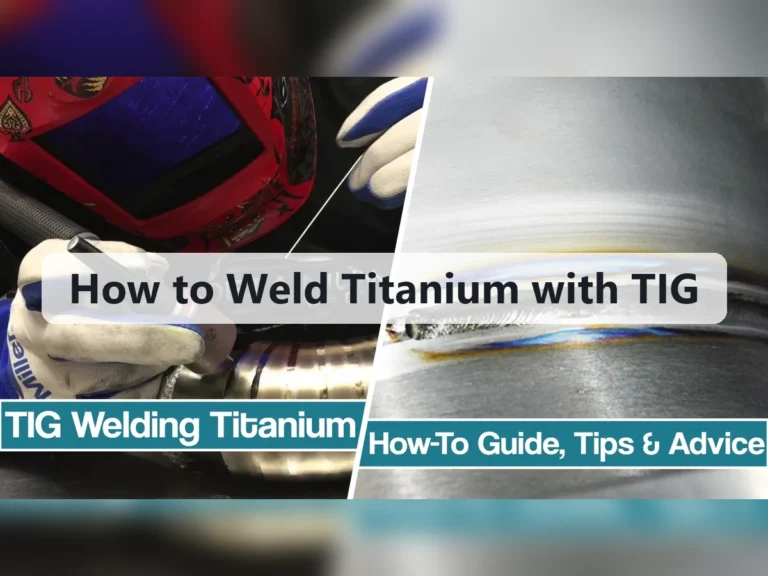
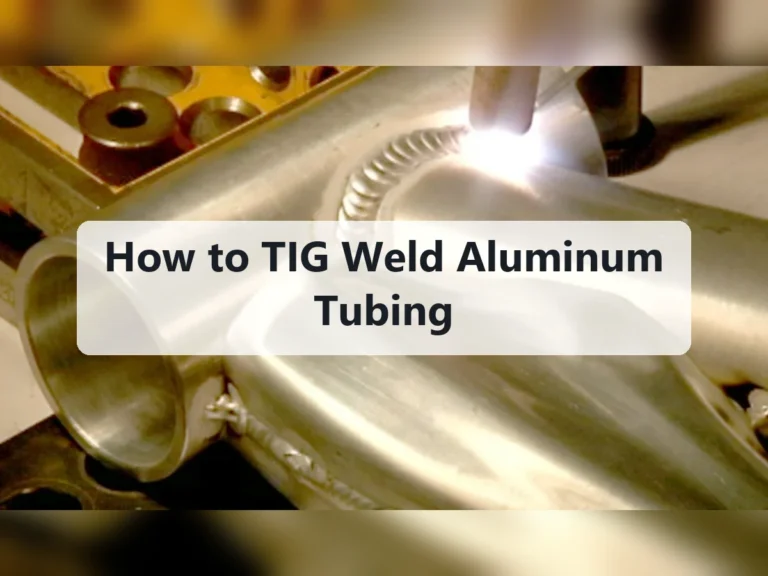
TIG (Tungsten Inert Gas) welding, also known as Gas Tungsten Arc Welding (GTAW), is a precise arc welding process renowned for producing high-quality, clean welds. It uses a non-consumable tungsten electrode to create an arc between the electrode and the workpiece. This arc generates intense heat, melting the base metal and a filler rod (if used) to form a weld puddle. An inert shielding gas, typically argon, flows around the arc and the weld puddle to protect them from atmospheric contamination, which would otherwise lead to porosity and weakened welds.
Key Components of a TIG Welder
- Power Source: Provides the electrical current (AC or DC) to create and sustain the arc. Modern TIG welders often offer advanced controls for pulse welding, frequency, and balance.
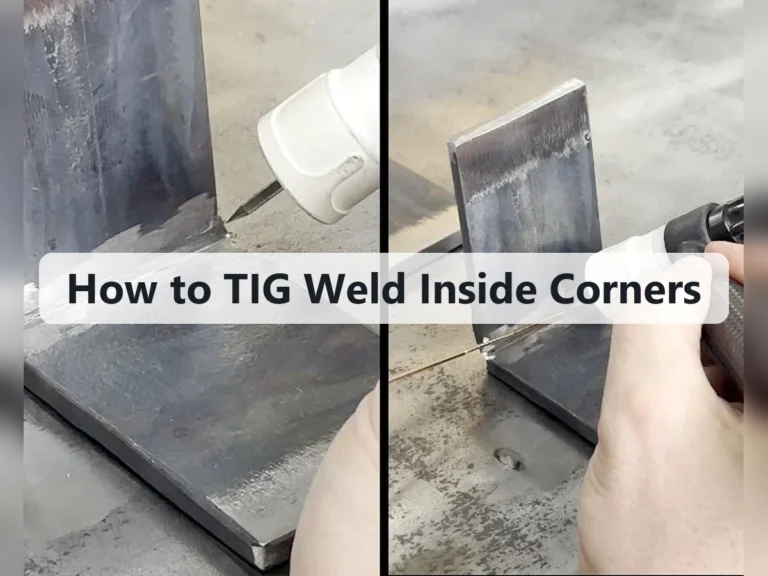
- TIG Torch: Holds the tungsten electrode and directs the shielding gas. It usually has a trigger or foot pedal for arc initiation and current control.
- Tungsten Electrode: A non-consumable electrode made of tungsten or a tungsten alloy, chosen for its high melting point and electrical conductivity.
- Shielding Gas System: Includes a gas cylinder (usually argon), a regulator to control pressure, and a flowmeter to set the gas flow rate.
- Ground Clamp: Connects the workpiece to the power source, completing the electrical circuit.
- Filler Rod (Optional): A separate rod of specific metal composition, manually fed into the weld puddle to add material and strengthen the joint.
How TIG Welding Works
When you initiate a TIG weld, the power source sends current to the tungsten electrode. As the electrode approaches the workpiece, an arc is established. This arc superheats the metal, creating a molten puddle. The shielding gas creates an envelope around this area, preventing oxygen and nitrogen from reacting with the hot metal. The welder precisely controls the arc length, travel speed, and filler rod addition (if any) to create a strong, clean weld bead. The process relies on melting and fusing the base metals, not on cutting through them.
Understanding Plasma Cutting Technology
Plasma cutting is a process that uses an accelerated jet of hot plasma to cut through electrically conductive materials. A plasma cutter works by creating an electrical arc between an electrode inside the torch and the workpiece. This arc ionizes a compressed gas (such as air, nitrogen, or oxygen) as it passes through a constricted nozzle, creating a superheated, electrically conductive stream of plasma. This plasma stream, reaching temperatures up to 30,000°F (16,650°C), rapidly melts and blows away the molten metal, creating a clean cut.
Key Components of a Plasma Cutter
- Power Source: Generates the high voltage and current needed to create and sustain the plasma arc.
- Plasma Torch: The handheld or machine-mounted device that contains the electrode, swirl ring, and nozzle. It directs the plasma stream.
- Electrode: A consumable component within the torch that generates the initial arc.
- Nozzle: A consumable component that constricts the gas, intensifying the plasma arc and directing it into a narrow stream.
- Swirl Ring: A component that creates a swirling motion in the gas, helping to stabilize the plasma arc.
- Compressed Air/Gas System: Includes an air compressor or gas cylinder, air filter/dryer (crucial for air plasma cutters), and a regulator to control gas pressure and flow.
- Ground Clamp: Connects the workpiece to the power source, completing the electrical circuit.
How Plasma Cutting Works
When the plasma cutter is activated, a pilot arc is typically established between the electrode and the nozzle inside the torch. When the torch is brought close to the workpiece, this pilot arc transfers to the workpiece, becoming the main cutting arc. Compressed gas is forced through the torch, past the electrode, and through the constricted nozzle. As it passes through the arc, the gas becomes superheated and ionized, transforming into plasma. This high-velocity, extremely hot plasma jet melts the metal, and the force of the gas blows the molten material away, creating a kerf (the cut path). The process is designed to remove material rapidly and efficiently.
Fundamental Differences Between TIG Welders and Plasma Cutters
The core distinction lies in their purpose and how they achieve it. TIG welders are designed for fusion, carefully melting and joining metals. Plasma cutters are designed for ablation, rapidly melting and expelling metal to create a separation. Several key differences prevent interchangeability:
Power Output and Control
- TIG Welder: Provides a stable, controllable arc current (amps) for precise melting. The current is often ramped up and down, and pulsed, to control the heat input for welding. The voltage is relatively low once the arc is established, typically around 10-30 volts.
- Plasma Cutter: Requires a higher open-circuit voltage to initiate the arc and then a sustained, high-current, high-voltage output to maintain the superheated plasma stream. The voltage can be significantly higher, often 100-200 volts, to create the necessary plasma energy.
Gas Requirements and Function
- TIG Welder: Uses an inert shielding gas (most commonly argon) to protect the weld puddle from atmospheric contamination. The gas does not participate in the melting or cutting process; it merely shields.
- Plasma Cutter: Uses a reactive or non-reactive gas (compressed air, nitrogen, oxygen, argon-hydrogen mixtures) that is actively ionized and superheated to form the plasma jet. The gas is integral to the cutting action, not just shielding.
Torch Design and Consumables
- TIG Welder Torch: Designed to hold a non-consumable tungsten electrode and direct shielding gas. The nozzle (collet body and cup) focuses the gas, but there is no constriction designed to create a plasma jet.
- Plasma Cutter Torch: Features a specific design with an electrode, swirl ring, and a constricted nozzle. These components work together to ionize and focus the gas into a high-velocity plasma stream. The electrode and nozzle are consumable parts that wear out due to the extreme heat and force of the plasma.
Arc Characteristics
- TIG Welder Arc: A relatively wide, stable arc that melts a localized area for welding. It’s designed for controlled heat input and puddle manipulation.
- Plasma Cutter Arc: A highly constricted, extremely hot, high-velocity jet of plasma. It’s designed to penetrate and blast through metal.
Safety Features
- TIG Welder: Safety concerns primarily revolve around UV radiation, fumes, and electrical shock.
- Plasma Cutter: In addition to the above, plasma cutters involve extremely high temperatures, molten metal expulsion, and the use of compressed gases, requiring specific safety protocols related to fire hazards and eye/skin protection from intense heat and sparks.
Why You Cannot Convert a TIG Welder into a Plasma
The fundamental differences in how these machines generate and apply heat make direct conversion impossible. Here’s a breakdown of the specific reasons:
Incompatible Power Supply
A TIG welder’s power supply is optimized for maintaining a stable, relatively low-voltage arc for welding. It lacks the high open-circuit voltage and the specific current regulation required to initiate and sustain the extremely high-temperature, high-velocity plasma jet needed for cutting. The internal circuitry and components are simply not designed for the demands of plasma cutting.
Lack of Constricted Nozzle and Swirl Ring
The TIG torch is designed to deliver shielding gas around a tungsten electrode. It does not have the internal architecture—specifically, a constricted nozzle and a swirl ring—that are critical for creating and focusing the plasma stream. Without this constriction, the gas cannot be sufficiently ionized and accelerated to form a cutting plasma.
Incorrect Gas Usage
TIG welders use inert gases like argon for shielding. These gases do not become plasma as effectively or at the same temperatures as the gases used in plasma cutters (e.g., compressed air, nitrogen, oxygen). Even if you tried to force air through a TIG torch, it wouldn’t generate a cutting plasma; it would simply blow out the arc or cause severe contamination.
Consumable Differences
The non-consumable tungsten electrode of a TIG welder would be rapidly destroyed by the extreme heat and forces involved in plasma cutting. Plasma cutters use specific consumable electrodes and nozzles designed to withstand these conditions for a limited lifespan.
Safety Risks
Attempting to modify a TIG welder into a plasma cutter would introduce significant safety hazards. Overloading the power supply, using incorrect gases, or operating with an improperly designed torch could lead to electrical fires, explosions, severe burns, or equipment failure. The lack of proper safety interlocks and designs for plasma cutting would make such an endeavor extremely dangerous.
Common Misconceptions and Clarifications
It’s easy to confuse the two processes because both involve an electric arc and gas. Let’s clarify some common points of confusion:
“Both use an arc and gas, so they’re similar.”
While true that both use an arc and gas, the role of each is vastly different. In TIG, the arc melts metal for fusion, and gas shields. In plasma cutting, the arc creates plasma from the gas, and that plasma cuts. The gas isn’t just a shield; it’s the medium for cutting.
“Can’t I just get a different torch for my TIG
No. A different torch alone won’t work. The torch is only one component. The power supply, gas delivery system, and internal electronics of a TIG welder are fundamentally incompatible with the requirements of a plasma cutting torch. It’s not a modular accessory swap.
“What about multi-process machines?”
This is where some confusion arises. Multi-process welders exist that combine TIG, MIG, Stick, and sometimes even plasma cutting capabilities into a single unit. However, these are not TIG welders that have been “converted.” They are specifically designed machines with separate internal circuits and components for each process. A multi-process machine that includes plasma cutting will have a dedicated plasma cutting power supply, gas system, and torch connection, distinct from its TIG welding components. You switch between modes, essentially using different internal machines housed in one casing.
When to Choose a TIG Welder vs. a Plasma Cutter
Understanding their distinct roles helps in choosing the right tool for the job:
Choose a TIG Welder when you need:
- High-quality, precise welds: TIG produces exceptionally clean, strong, and aesthetically pleasing welds.
- Welding thin materials: Its precise heat control makes it ideal for very thin gauge metals without burning through.
- Welding exotic metals: Excellent for aluminum, stainless steel, titanium, and other alloys.
- Control and finesse: Allows for intricate work, artistic welding, and critical applications where weld integrity is paramount.
- Minimal post-weld cleanup: TIG welds typically require very little grinding or finishing.
Choose a Plasma Cutter when you need:
- Fast, efficient cutting: Plasma cutters are significantly faster than traditional methods like oxy-fuel for many materials and thicknesses.
- Cutting electrically conductive metals: Effective on steel, stainless steel, aluminum, copper, brass, and more.
- Cutting various thicknesses: Can cut very thin sheet metal up to several inches thick, depending on the machine’s power.
- Clean cuts with minimal distortion: Produces a relatively narrow kerf and less heat-affected zone (HAZ) compared to oxy-fuel, reducing material distortion.
- Cutting painted or rusted metal: Can often cut through painted or slightly rusted surfaces more effectively than oxy-fuel.
- Portability and ease of use: Many plasma cutters are compact and operate on compressed air, making them convenient for various job sites.
Alternatives for Metal Cutting
If you own a TIG welder and need to cut metal, investing in a dedicated plasma cutter is the most efficient and safest solution. However, if a plasma cutter isn’t immediately feasible, other cutting methods exist:
- Angle Grinder with Cut-Off Wheel: A common and affordable method for cutting various metals. It’s versatile but can be slow, noisy, and produces a lot of sparks and dust. Not ideal for very thick materials or intricate cuts.
- Oxy-Acetylene Torch: Excellent for cutting thick steel and cast iron. It’s fast and powerful but requires flammable gases, making it less suitable for aluminum or stainless steel.
- Reciprocating Saw (Sawzall) with Metal Blades: Good for rough cuts, demolition, and cutting through various materials, including metal. Slower and less precise than plasma.
- Band Saw: Ideal for straight, precise cuts on various metal stock shapes. Requires a dedicated machine and is not portable for on-site work.
- Jigsaw with Metal Blades: Suitable for thinner sheet metal and intricate shapes, but generally slower and less powerful than other options.
Each of these methods has its own advantages and disadvantages regarding speed, precision, material compatibility, and cost. The best choice depends on the specific cutting task at hand.
Safety Considerations for Welding and Cutting
Regardless of whether you are welding or cutting, safety should always be the top priority. Both TIG welding and plasma cutting involve significant hazards:
- Eye Protection: Always wear a welding helmet with the appropriate shade for TIG welding and plasma cutting. UV radiation from the arc can cause arc eye (photokeratitis).
- Skin Protection: Wear flame-resistant clothing, gloves, and long sleeves to protect against UV radiation, sparks, molten metal, and heat.
- Respiratory Protection: Ensure adequate ventilation to remove fumes and gases. Use a respirator if ventilation is insufficient.
- Fire Prevention: Clear the work area of flammable materials. Have a fire extinguisher readily available. Sparks and molten metal can travel significant distances.
- Electrical Safety: Ensure all equipment is properly grounded and in good condition. Avoid working in wet conditions.
- Compressed Gas Safety: Handle gas cylinders carefully, secure them properly, and ensure regulators and hoses are in good repair.
Never attempt to modify or use equipment for purposes it was not designed for, as this significantly increases the risk of injury and equipment damage.
FAQs About TIG Welders and Plasma Cutters
Can a TIG torch cut metal at all?
A TIG torch is designed for welding, not cutting. While you might be able to melt through very thin metal with an extremely high current, it would be an uncontrolled, messy, and inefficient process, akin to burning a hole rather than making a clean cut. It would also likely damage your tungsten electrode and potentially contaminate your torch components.
Is there a TIG welder attachment that allows plasma cutting?
No, there is no attachment that can convert a standard TIG welder into a plasma cutter. The fundamental differences in power supply, gas system, and torch design mean that a simple attachment is not feasible. Any product claiming to do so for a standard TIG machine would be misleading or dangerous.
Why do multi-process machines combine TIG and plasma cutting if
Multi-process machines combine these functions by integrating separate, dedicated internal components for each process within a single housing. When you switch modes, you’re essentially activating a different set of power supply circuits and gas pathways designed specifically for TIG welding or plasma cutting. It’s not a conversion but a consolidation of distinct technologies.
Can I use the same gas cylinder for TIG welding
It depends on the gas. If your plasma cutter uses argon (some specialized plasma cutters do), then theoretically, yes. However, most common plasma cutters use compressed air, nitrogen, or oxygen, which are entirely different gases from the inert argon typically used for TIG welding. You would need separate cylinders and regulators for different gas types.
Is plasma cutting more dangerous than TIG welding?
Both processes have inherent dangers. Plasma cutting involves extremely high temperatures, molten metal expulsion, and high-velocity sparks, which can increase the risk of fire and severe burns. TIG welding, while precise, produces intense UV radiation and fumes. Proper safety gear and adherence to safety protocols are critical for both.
Conclusion
In conclusion, while both TIG welders and plasma cutters are invaluable tools in metal fabrication, they serve distinctly different purposes and operate on fundamentally different principles. A TIG welder is engineered for precise, high-quality fusion welding, utilizing an inert gas to shield a non-consumable tungsten electrode. A plasma cutter, on the other hand, is built to rapidly cut electrically conductive metals by generating a superheated, high-velocity plasma jet from a compressed gas. Therefore, the answer to the question, can a TIG welder be used as a plasma cutter, is a definitive no. Attempting to convert or interchange these machines is not only impractical due to incompatible power supplies, gas systems, and torch designs but also poses significant safety risks. For optimal results and safety, it is always best to use the right tool for the job, investing in dedicated equipment for welding and cutting tasks.