How Much Do a Welder Make an Hour: Key Facts and Helpful Guidance
Welders in the United States commonly earn about $20 to $30 an hour, while entry-level workers may earn less and highly skilled specialists can exceed $40.
Trying to determine how much do a welder make an hour can produce very different answers because welder covers several occupations industries skill levels and payment arrangements A.
The number on a job posting is only part of the picture Location welding process certifications overtime union membership shift premiums travel requirements benefits and whether the role.
This guide explains typical U S hourly pay ranges the factors that move wages up or down and the difference between base pay and total compensation It also.
- ✓Many U.S. welders fall within an hourly range of roughly $20 to $30, but actual pay varies considerably.
- ✓Specialized work such as pipe, aerospace, underwater, and high-purity welding can command higher rates.
- ✓Experience, certifications, location, overtime, and industry often matter more than the job title alone.
- ✓Benefits, travel pay, per diem, and schedule premiums should be included when comparing offers.
How Much Do a Welder Make an Hour
For a broad national estimate many production and fabrication welders earn approximately 20 to 30 per hour New workers may start around the mid-teens to low 20s while.
These figures are best used as planning ranges rather than promises The U S Bureau of Labor Statistics generally reports welding wages as annual or hourly occupational estimates.
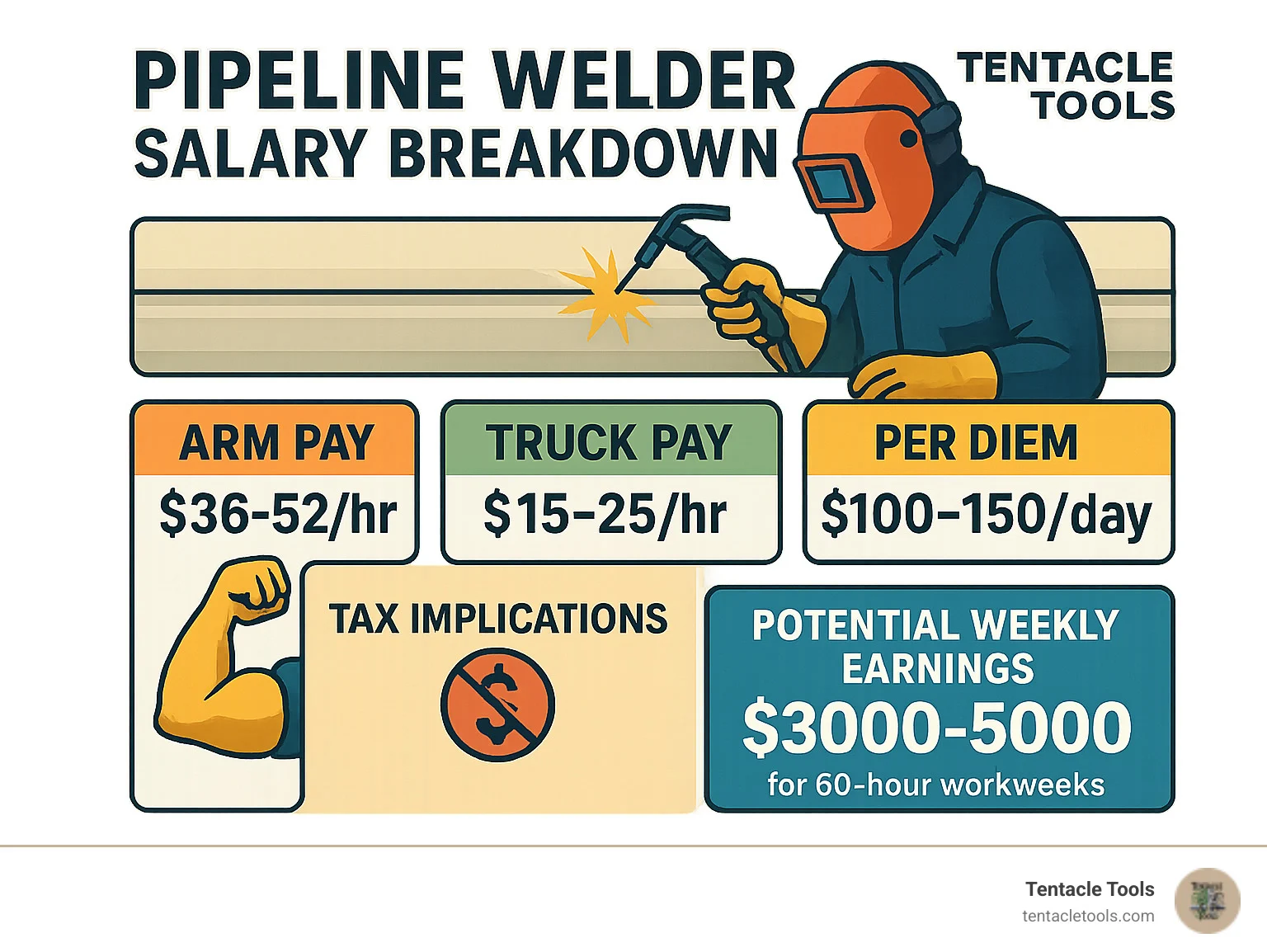
- Entry level: Often about $16 to $22 an hour, especially with limited shop experience or few certifications.
- Experienced production welder: Commonly around $22 to $32 an hour, depending on process and industry.
- Specialized welder: Frequently $30 to $45 or more when the work requires difficult certifications, travel, or unusual conditions.
- Top-end assignments: May pay more, but they can involve overtime, remote locations, dangerous environments, or demanding qualification tests.
A quoted hourly wage may also exclude overtime bonuses employer-paid health insurance retirement contributions paid leave and travel allowances Conversely a high advertised rate may be attached to.
What Determines a Welder’s Hourly Wage?
Welding pay reflects the value and risk of the work an employee is expected to perform Employers generally pay more when a welder must produce consistently strong welds.
The job title alone does not reveal those differences. Two people may both be called welders even though one performs repetitive MIG welds on prepared parts and the other fits, welds, inspects, and repairs pressure-related piping in the field.
- Skill verification: Practical tests, documented qualifications, and a reliable work history can support a higher starting rate.
- Responsibility: Fit-up, blueprint reading, inspection, repair, and production decisions add value beyond simply operating a welding machine.
- Working conditions: Height, confined spaces, outdoor work, extreme temperatures, and hazardous materials may increase pay.
- Labor demand: Regions with strong construction, manufacturing, energy, shipbuilding, or infrastructure activity may offer more competitive wages.
Experience and productivity
Experience matters because employers are paying for dependable results, not merely time spent holding a torch. An experienced welder can often identify poor fit-up, select a suitable process, control heat input, prevent defects, and complete work with less supervision.
Productivity must still be balanced with quality. A worker who moves quickly but creates porosity, undercut, distortion, or incomplete fusion may cost an employer more through rework and inspection failures. The strongest wage cases combine speed with repeatable, code-compliant workmanship.
Certifications and qualification tests
Certifications can improve access to better-paying jobs, but their value depends on whether employers actually need them. A qualification for a specific process, position, material, thickness, or welding orientation may be important for one contractor and irrelevant to another.
Commonly requested credentials may relate to structural steel, pipe, pressure work, inspection, safety, or specialized industry procedures. A certificate does not automatically guarantee a higher wage, particularly if the welder cannot demonstrate current skill or relevant job experience.
Welding process and materials
MIG welding is widely used in manufacturing because it can be efficient and comparatively easy to learn for controlled production work. TIG welding may command more when it involves stainless steel, aluminum, thin materials, sanitary systems, or high appearance and quality requirements.
Stick welding remains important for construction repair heavy equipment and field work Flux-cored and submerged arc processes may be valuable in heavy fabrication and structural applications Welding carbon.
Hourly Pay by Welding Specialty
Specialty is one of the clearest reasons hourly wages differ A welder working on standardized parts in a climate-controlled facility may have a predictable schedule while a pipe.
The ranges below are broad planning estimates for the U.S. market, not guaranteed rates. Local demand and the exact job description can change the result substantially.
- Production welding: Often offers steady work and a clear path into higher pay through efficiency, quality, and lead responsibilities.
- Structural welding: Can pay well when projects require qualified work at heights, in difficult positions, or under demanding inspection standards.
- Pipe welding: Frequently commands a premium because fit-up, position, material, and testing requirements can be demanding.
- TIG and precision work: May pay more when tolerances, cleanliness, appearance, or material control are critical.
Production and fabrication welding
Production welders work in manufacturing plants, fabrication shops, equipment facilities, and assembly operations. The work may involve fixtures, repeated welds, drawings, measuring, grinding, and basic inspection.
Entry pay can be modest, but these jobs can provide valuable practice and reliable hours. A welder who learns to read blueprints, troubleshoot equipment, perform multiple processes, and maintain quality records may advance to senior welder, setup specialist, or team lead. This distinction matters when answering “how much do a welder make an hour”.
Structural and construction welding
Structural welders may work on buildings, bridges, platforms, tanks, heavy equipment, and other large assemblies. Their schedules can depend on project phases, weather, travel, and contractor demand.
Pay may rise when the work involves elevated platforms, field fabrication, unusual positions, strict inspections, or substantial travel. Workers should evaluate whether the quoted rate compensates for commuting, temporary lodging, unpaid travel time, and inconsistent project gaps.
Pipe and industrial welding
Pipe welders often work in industrial construction, utilities, refineries, power facilities, food processing, and maintenance. Fit-up accuracy and weld quality are crucial because leaks or failures can create serious operational and safety problems.
Industrial work may offer attractive hourly rates and overtime, but it can also require extensive testing, shutdown schedules, night shifts, confined spaces, respirators, or long periods away from home. The gross hourly figure should be weighed against those demands.
Aerospace, sanitary, and precision welding
Precision welders may work with thin metals, specialized alloys, small components, or high-cleanliness systems. These positions often value steady hand control, careful preparation, documentation, and the ability to follow detailed procedures.
Some precision jobs pay well without requiring constant travel, but they may have strict hiring standards and limited openings. Clean work habits and strong attention to detail can be as important as raw speed.
How Location Changes Welder Pay
Geography affects wages because employers compete within local labor markets. Areas with major manufacturing, shipbuilding, energy, construction, transportation, or defense activity may have more openings and higher rates than regions with fewer industrial employers.
Cost of living also matters but it does not move in perfect alignment with pay A higher hourly wage in an expensive metropolitan area may provide less purchasing.
- Compare local jobs: Look at several nearby postings rather than relying on one unusually high or low advertisement.
- Account for travel: A distant job may require fuel, lodging, vehicle wear, or unpaid commute time.
- Check project stability: A strong rate may be temporary if it depends on a short shutdown or construction phase.
- Consider living costs: Compare take-home purchasing power, not just the posted hourly figure.
Traveling welders may receive per diem or lodging in addition to wages Those allowances can make a contract attractive but they are not always equivalent to taxable hourly.
Base Pay, Overtime, and Total Compensation
Hourly pay is important but annual earnings depend on the number of paid hours and the conditions attached to them A 24-an-hour job with consistent full-time hours and.
Overtime can significantly increase gross income during busy periods. It can also make an advertised annual estimate look better than a normal schedule would support. When comparing jobs, calculate regular earnings separately from overtime so you understand what income is dependable.
| Compensation item | Why it matters | Question to ask |
|---|---|---|
| Base hourly wage | Shows guaranteed regular pay before deductions | Is the rate the same during training and after qualification? |
| Overtime | Can raise earnings but may not be consistently available | How many overtime hours are typical? |
| Benefits | Health coverage, retirement, and paid leave add substantial value | When do benefits begin, and what do they cost? |
| Travel and per diem | May offset costs for remote or temporary assignments | Are travel time, lodging, and meals paid? |
| Bonuses | Can reward production, retention, or project completion | Is the bonus guaranteed or discretionary? |
Estimating annual pay from an hourly rate
A simple full-time estimate multiplies the hourly rate by 2,080 hours, based on 40 hours per week for 52 weeks. At $25 an hour, that produces a gross estimate of $52,000 before taxes, unpaid time, overtime, benefits, or absences.
This calculation is only a starting point If a job routinely offers 50 or 60 hours gross pay can be much higher if it has seasonal layoffs or.
Why benefits can change the comparison
Employer-paid health insurance, retirement contributions, paid holidays, vacation, sick leave, and training may add meaningful value. A job without benefits may need a higher wage to provide comparable compensation, especially if the worker must purchase private health coverage.
Benefits are personal. Someone covered through a spouse may prioritize cash wages, while another worker may value predictable insurance and retirement contributions. Put each offer into a monthly budget before deciding.
Keep these limitations in mind when considering “how much do a welder make an hour”.
How to Increase Your Hourly Welding Rate
Welders usually improve earning potential by becoming useful in more situations, not by collecting credentials without applying them. The best development plan connects training to work employers in the target market actually need.
Start by reviewing local job postings and identifying repeated requirements. If most higher-paying positions request blueprint reading, pipe experience, TIG aluminum, structural qualifications, or field repair skills, those patterns can guide your next training investment.
- Build process range: Becoming competent in more than one process can make you more flexible during hiring and scheduling.
- Document results: Keep records of qualifications, materials, positions, equipment, and types of work completed.
- Learn fit-up and layout: Measurement, joint preparation, and interpretation of drawings can separate higher-level welders from basic operators.
- Protect quality: Low rework, clean documentation, and dependable attendance strengthen wage negotiations.
Choose training with a target job in mind
Community colleges, technical schools, employer programs, and apprenticeship pathways can all provide useful preparation. The right option depends on your budget, schedule, current ability, and local hiring needs.
Before paying for a course, ask whether it provides hands-on practice, recognized testing, current equipment exposure, and a realistic connection to employers. Training that sounds advanced but does not produce useful qualifications may not improve pay.
Develop inspection and troubleshooting skills
Employers value welders who can notice problems before they become expensive failures. Understanding distortion, porosity, cracking, contamination, wire or electrode selection, shielding gas, amperage, and joint preparation can improve both quality and independence.
Basic inspection awareness is also valuable. A welder does not need to become an inspector to benefit from learning how visual inspection, measurement, and nondestructive testing affect acceptance.
Negotiate using evidence
Ask for a higher rate after you can connect your skills to the employer’s needs. Examples include passing a required test, working independently, covering multiple processes, reducing rework, training new employees, or accepting field assignments.
Keep the request specific and professional. Instead of saying that you simply deserve more, explain the qualifications you bring and ask whether the employer can adjust the rate, provide a scheduled review, or offer a clear progression plan.
How to Evaluate a Welder Job Offer
A careful offer review can prevent disappointment after accepting a seemingly attractive wage. Read the job description closely and compare its actual duties with the title used in the advertisement.
Some positions labeled “welder” also include fitting, grinding, torch cutting, rigging, machine operation, inspection paperwork, equipment repair, or crew leadership. Those extra responsibilities may justify a higher rate or a different classification.
- Work content: Confirm processes, materials, thicknesses, positions, drawings, fit-up, grinding, and inspection duties.
- Schedule: Ask about shifts, mandatory overtime, weekend work, seasonal downtime, and schedule changes.
- Tools and expenses: Determine what equipment, protective clothing, certifications, travel, and transportation you must provide.
- Advancement: Ask how raises are decided and whether there is a written progression from helper to qualified welder or lead.
Safety should never be treated as a minor benefit Welding exposes workers to fumes ultraviolet radiation heat burns eye injuries noise electrical hazards fire and potentially dangerous confined-space.
Questions worth asking before accepting
- What is the starting rate, and when is the first pay review?
- Which welding processes and materials will I use most often?
- Is a weld test required, and can the rate change after passing it?
- How many hours are normally available each week?
- Is overtime voluntary, expected, or guaranteed during certain periods?
- Are health insurance, retirement contributions, paid leave, and holidays included?
- Who pays for tools, protective equipment, certifications, and required training?
- How often will I travel, and are travel time, lodging, meals, and mileage covered?
Common Mistakes When Comparing Welder Wages
One common mistake is comparing a beginner’s local shop wage with a specialized traveling contractor’s gross rate as though they represent the same job. They may differ in qualification requirements, hours, risk, expenses, and job security.
Another mistake is treating overtime as guaranteed income. A busy project can end, a plant can shut down for maintenance, or production can slow. Build your basic budget around regular hours and treat uncertain overtime as additional income.
- Ignoring unpaid time: Long commutes, waiting for materials, travel between sites, and shutdowns can reduce effective earnings.
- Overlooking benefits: A higher cash rate may not offset expensive insurance or unpaid leave.
- Assuming every certificate pays: Credentials help most when they match a real employer requirement.
- Accepting vague duties: Clarify whether fitting, grinding, rigging, repair, or supervision is part of the job.
Effective hourly pay can be estimated by dividing total annual compensation by the hours actually spent working and required for the job This will not replace a formal.
FAQ About Welder Hourly Pay
How much does an entry-level welder make an hour?
An entry-level welder may earn roughly $16 to $22 per hour, although local labor markets and employer training programs can place starting pay outside that range. Limited experience, no current qualification tests, and basic production duties often lead to lower initial rates.
Pay can rise after the worker demonstrates quality, reliability, blueprint reading, and competence in additional processes. A clear review schedule is valuable when accepting a lower starting wage.
Can a welder make $30 an hour?
Yes. Welders can reach $30 an hour through experience, difficult qualifications, specialized processes, industrial or construction work, strong local demand, or supervisory responsibility. The rate may be more common for experienced workers than for beginners.
Whether $30 is competitive depends on location and the job’s total package. Compare benefits, hours, travel, and working conditions before judging the number.
Do pipe welders make more than production welders?
Pipe welders often have higher earning potential because the work may require precise fit-up, multiple positions, difficult materials, formal testing, field work, and strict inspection. However, not every pipe job pays more than every production job.
A highly skilled production welder in a strong manufacturing market may out-earn a lower-level pipe welder. Duties and qualifications matter more than the label alone.
Does certification increase a welder’s hourly pay?
Certification can increase pay when it qualifies a worker for tasks that employers need filled. It is most useful when supported by recent experience and the ability to pass the employer’s practical test.
Certification by itself is not an automatic raise. Before enrolling, check local postings and ask employers which qualifications affect hiring or pay progression.
Do union welders make more per hour?
Union welding jobs may offer competitive wages and a structured package that includes health coverage, retirement benefits, training, and defined wage steps. The posted wage may not represent the full value of the package, and total compensation can vary by agreement and location.
Union work may also involve dues, dispatch procedures, travel, project-based employment, or qualification requirements. Compare the complete agreement with nonunion offers rather than comparing base rates only.
How much do traveling welders make an hour?
Traveling welders may earn a higher base rate than local shop workers, and some assignments include per diem, lodging, mileage, or travel reimbursement. A broad estimate might range from the mid-$20s into the $40s or higher for specialized work.
The real value depends on how much time is away from home, whether travel time is paid, how frequently projects are available, and whether allowances continue between assignments.
Is welding a good-paying career?
Welding can be a solid-paying career, especially for workers who develop specialized skills, maintain qualifications, accept responsibility, and target industries with strong demand. It can also offer entry through technical training or paid on-the-job development rather than a four-year degree.
The trade involves physical demands and safety risks, including fumes, heat, noise, burns, and awkward work positions. Earnings should be considered alongside working conditions, long-term health practices, schedule, and advancement opportunities.
Conclusion
So how much do a welder make an hour A practical U S estimate is about 20 to 30 for many workers with lower entry-level rates and higher.
The best way to judge an offer is to compare the complete package and match it against your actual skills expenses schedule and safety expectations Wage growth usually.
Review five local welding job postings, record their rates and requirements, and choose one skill or qualification that directly supports the next pay level you want.