Deep Sea Welder Salary: Practical Guide and Important Details
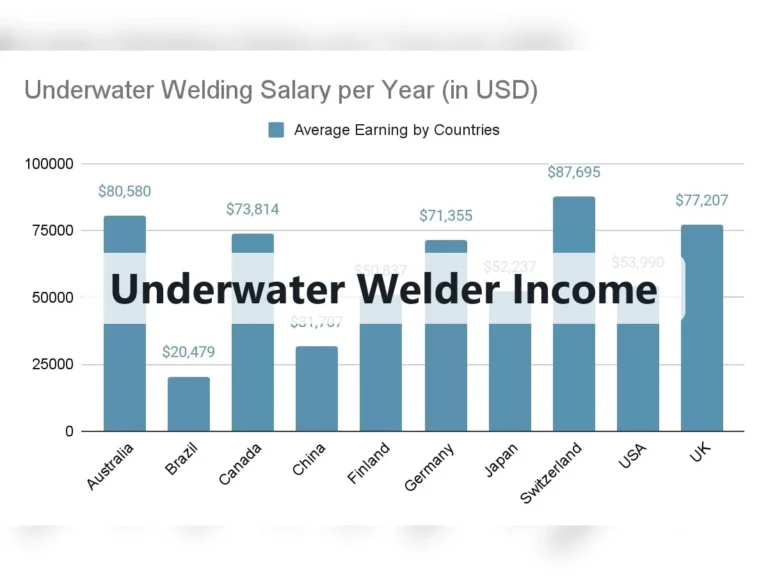
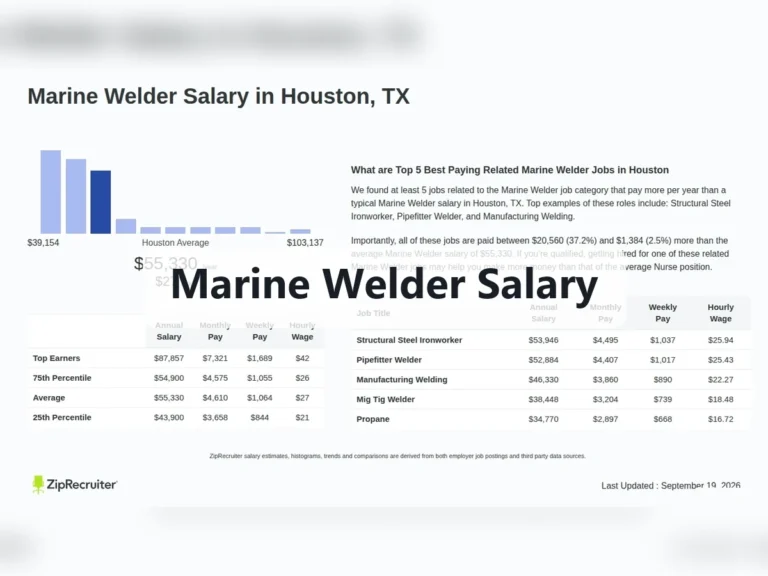
A U.S. commercial diver-welder may earn roughly $50,000 to more than $100,000 annually, with specialized offshore roles sometimes paying more.
The phrase deep sea welder salary suggests a single number but underwater welding is paid through several different systems A diver s base wage project rate travel pay.
What happens if you accept the highest advertised rate before checking whether it is a year-round job a short mobilization or a position that requires expensive training and.
- ✓Underwater welding is a specialty within commercial diving, so diver experience and project type matter as much as welding skill.
- ✓Offshore, saturation, inspection, and emergency-repair work can raise earnings but usually involve greater risk, demanding schedules, and irregular employment.
- ✓Certifications, documented dive time, welding qualifications, safety performance, and geographic mobility strongly affect advancement.
- ✓A high day rate does not automatically mean high annual income; downtime, travel, taxes, training, and equipment costs must be included.
What a deep sea welder salary really includes
Underwater welders are generally commercial divers who perform welding or related construction tasks in a submerged environment Their work may include cutting structural repair installation inspection pipeline support.
That is why compensation cannot be compared directly with a conventional shop welder s hourly wage A commercial diver may be paid for diving competence project responsibility hazardous.
- Base compensation: This may be hourly, weekly, annual, or day-rate pay and is the most visible part of an offer.
- Premium earnings: Overtime, night work, emergency mobilization, offshore allowances, and difficult conditions may increase gross pay.
- Unpaid time: Seasonal work, weather delays, contract gaps, medical restrictions, and training periods can reduce yearly income.
- Total value: Housing, meals, travel, insurance, retirement contributions, and paid leave can materially change which offer is better.
Typical U.S. earning bands
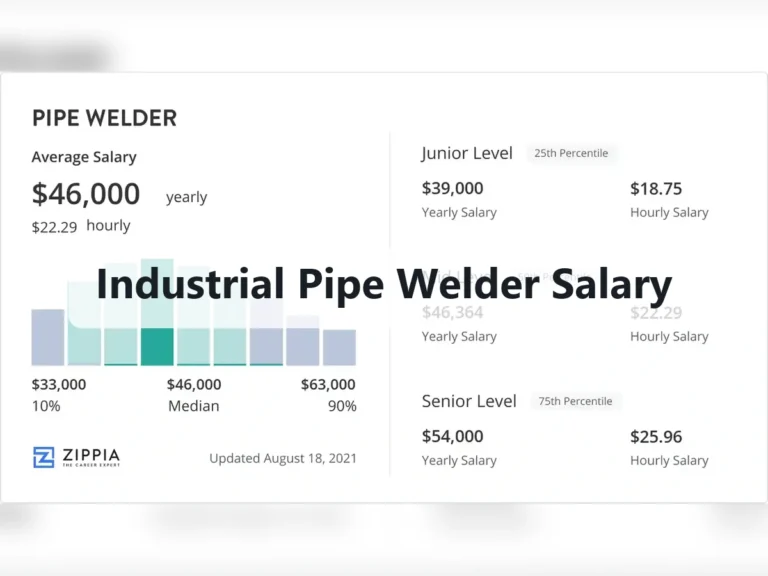
Broad salary estimates for commercial divers often fall around the middle five figures but the range is unusually wide Entry-level workers may begin near the lower end while.
Highly specialized offshore or saturation assignments can produce six-figure gross income in a strong work year That outcome is not guaranteed and should not be treated as the normal starting salary A large project extended rotation or premium day.
Hourly pay versus day rates
An hourly wage is easier to compare because it shows the relationship between time worked and pay. A day rate can look more attractive, but the contract may define a “day” narrowly, exclude travel days, provide no payment during weather stoppages, or apply only while the diver is actively deployed.
For example a worker paid 500 per working day for 120 paid days has 60 000 in gross project earnings before taxes and expenses A worker paid 35.
Pay ranges by experience and work environment
Experience is one of the strongest predictors of compensation but it is not measured only by years since graduation Employers look at logged dives depth and environment types.
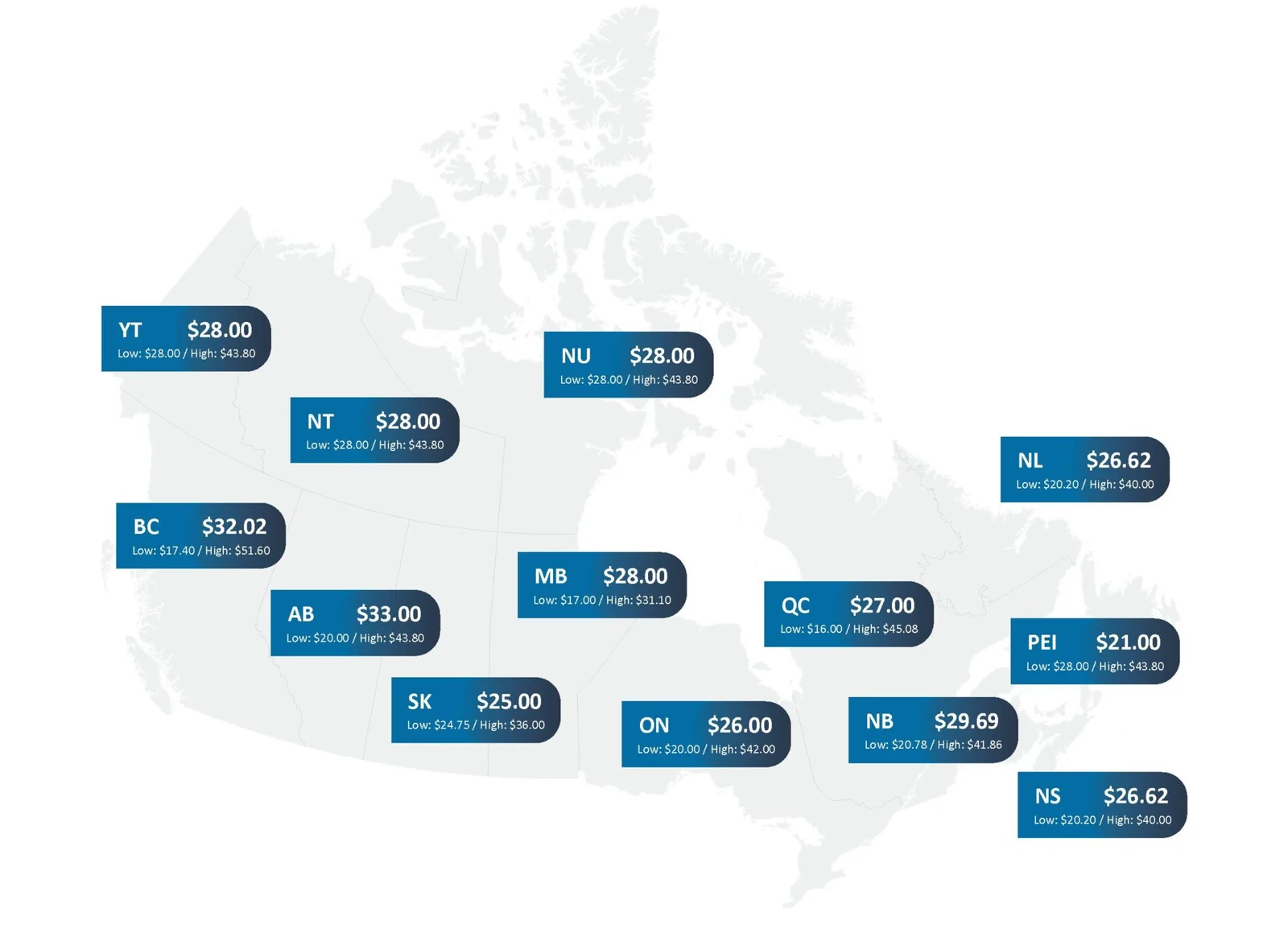
Work environment also changes the economics. Inland and inshore operations may offer steadier local employment, while offshore projects may offer higher premiums but less predictable deployment. Shipyards, ports, dams, utilities, marine contractors, and oil and gas operators can all have different pay practices.
- Entry-level commercial diver: Often performs support, inspection, maintenance, and controlled welding tasks while accumulating supervised experience.
- Experienced inshore diver: May handle marine construction, ship repair, salvage, cofferdams, and municipal infrastructure with greater independence.
- Offshore diver: Usually faces travel, rotations, weather delays, strict logistics, and project-specific premiums.
- Saturation diver: Performs extended-depth work using specialized living and decompression systems; training, selection, and risk exposure are substantially greater.
| Career stage or setting | Common compensation pattern | What usually drives advancement |
|---|---|---|
| Apprentice or trainee | Lower wage, supervised work, possible school or shop time | Safety, reliability, basic diving skills, and logged experience |
| Qualified inshore diver | Hourly or project-based pay with overtime opportunities | Independent work, welding quality, rigging, inspection, and versatility |
| Offshore commercial diver | Rotation or day-rate compensation with travel and project premiums | Offshore experience, specialty credentials, mobility, and strong safety record |
| Senior or saturation specialist | High project earnings but irregular deployment and demanding conditions | Depth experience, decompression competence, leadership, and client trust |
Why experience does not always create a straight upward line
Commercial diving is project-driven. A skilled diver may have an excellent year when multiple contracts align, followed by a slower period when weather, budgets, maintenance schedules, or industry conditions reduce available work. The highest annual result may therefore come from unusually long deployments rather than a permanent change in base pay.
Location matters as well. A coastal market with shipyards, ports, offshore infrastructure, and marine contractors may provide more opportunities than a region with occasional inland projects. Relocation can improve access to work, but it also introduces housing, transportation, family, and tax considerations.
What makes underwater welding pay more—or less?
The value of a diver-welder comes from the combination of technical output and controlled risk A client is not paying only for an arc underwater the client is.
Some assignments require a particular qualification or a demonstrated history with a specific process Others reward practical versatility the ability to inspect a structure rig a lift operate.
- Depth and exposure: Greater depth, cold water, poor visibility, currents, and contaminated environments can require specialized procedures and premiums.
- Project urgency: Emergency repair and shutdown work may pay more because delays are expensive, although availability is unpredictable.
- Technical scope: Inspection, nondestructive testing, rigging, cutting, hydraulics, and marine construction can expand a diver’s usefulness.
- Responsibility: Lead divers, supervisors, and workers trusted with planning or client coordination may earn more than task-only personnel.
Certifications and documented competence
Training requirements vary by employer, job type, and operating environment. A credible commercial-diving program is typically more relevant than a recreational scuba course because it addresses surface-supplied diving, emergency procedures, decompression, communications, tools, and industrial work practices. Welding qualifications may be required separately, and a certification alone does not replace experience.
This is an important consideration for deep sea welder salary.
Employers may also value credentials connected to inspection, nondestructive testing, rigging, first aid, hazardous materials, or specialized equipment. The exact combination depends on the market. Before paying for an expensive course, a candidate should review actual job postings and ask contractors which qualifications they recognize and use.
Safety record and reliability
Commercial diving has little tolerance for careless preparation. A worker who follows dive plans, maintains equipment discipline, reports hazards, communicates accurately, and stops when conditions are unsafe can become more valuable than someone with impressive technical ability but poor judgment.
Reliability also has a financial effect. Missed mobilizations, incomplete paperwork, failed medical clearance, or preventable equipment problems can remove a diver from a project. Over time, a reputation for safe, dependable performance may lead to better assignments and stronger references.
Welding quality is not the whole evaluation
Underwater welds may be affected by water pressure, cooling rate, visibility, access, surface preparation, and the limitations of the approved procedure. The work may be temporary, permanent, or followed by inspection and additional engineering review. A diver who understands documentation and acceptance criteria can communicate more effectively with supervisors and clients.
It is also important to distinguish wet welding from dry or habitat welding. The environment, process controls, equipment, inspection expectations, and qualifications may differ. Job advertisements sometimes use “underwater welding” broadly, so applicants should ask exactly what work they will perform.
How to estimate annual income realistically
The most useful salary calculation starts with paid work not the headline rate List the number of paid days or hours the likely deployment schedule overtime rules premium.
Benefits can make a lower cash wage more competitive. Employer-paid health insurance, retirement contributions, per diem, lodging, meals, paid travel, and paid leave all have monetary value. Conversely, an independent contractor may receive a large gross payment but carry more responsibility for insurance, retirement savings, equipment, and taxes.
- Calculate paid time: Multiply the actual guaranteed hours or days by the applicable base rate.
- Add realistic premiums: Include overtime and allowances only when the schedule or contract makes them reasonably likely.
- Value benefits: Compare health coverage, retirement contributions, lodging, meals, travel, and paid leave.
- Reserve for gaps: Set aside money for weather delays, seasonal slowdowns, training, medical checks, and job changes.
A simple comparison example
Suppose Offer A pays 32 per hour for a full-time schedule includes health insurance and provides steady local work Offer B pays 475 per day but guarantees only.
Offer A may provide about $66,560 in gross pay at 2,080 hours, although actual hours and overtime vary. The comparison is not a promise of either result; it illustrates why a day rate must be converted into probable annual work and why benefits and downtime matter.
Gross pay is not take-home pay
Federal and state taxes, Social Security and Medicare taxes, retirement contributions, insurance premiums, and other deductions reduce take-home pay. Contractors may face estimated tax payments and should obtain professional tax advice rather than assuming an advertised gross amount is spendable income.
Travel can also consume earnings A worker who drives long distances to a staging point maintains two residences or pays for meals between assignments may have a lower.
The lifestyle and risk trade-off behind higher pay
Higher compensation often reflects inconvenience, scarcity, responsibility, or risk—not free money. Offshore rotations may mean long periods away from family, limited control over scheduling, and strict medical and operational requirements. Emergency repair work can require rapid travel and irregular hours when conditions are difficult.
These practical limitations also matter for deep sea welder salary.
Underwater work also carries hazards associated with diving, pressure, entanglement, currents, contaminated water, electrical energy, heavy equipment, welding fumes, and changing weather. Safety procedures, competent supervision, equipment maintenance, and conservative decision-making are essential. No salary figure makes an unsafe operation acceptable.
- Medical fitness: Commercial diving may require medical evaluation and ongoing disclosure of conditions that affect safe diving.
- Operational control: The diver should understand the dive plan, communications, emergency response, and authority to stop work.
- Equipment discipline: Life-support systems, breathing-gas arrangements, umbilicals, power tools, and communications require formal checks.
- Pressure management: Depth and decompression procedures are technical matters that must follow approved practices and qualified supervision.
When the premium may be worthwhile
A higher-paying assignment may make sense for a worker who has the required training, understands the schedule, receives appropriate support, and has a realistic plan for time away from home. The premium can compensate for travel, specialized expertise, and demanding conditions when the employer’s safety culture is sound.
It is less attractive when the job relies on vague promises, unpaid standby time, personal payment for essential safety equipment, or pressure to continue despite unsafe conditions. Ask for the written rate structure and clarify who pays for travel, lodging, meals, training, medical evaluations, and delays.
Questions to ask before accepting an offer
- Is compensation hourly, daily, salaried, project-based, or a combination?
- How many hours or days are guaranteed, and what happens during weather or equipment delays?
- Are travel days, standby days, mobilization, demobilization, and training paid?
- What premiums apply to depth, night work, emergency work, offshore deployment, or special environments?
- Which certifications, medical clearances, tools, and personal protective equipment must the worker provide?
- What benefits are available, and when do they begin?
- Who supervises the dive operation, and what emergency and decompression systems are in place?
Career path: from welding interest to commercial diver
A person interested in this career should think in terms of two connected skill sets: commercial diving and industrial welding. Recreational scuba experience may help with water comfort, but it does not prepare someone for the work systems, supervision, emergency procedures, and industrial hazards of commercial diving.
Training at an established commercial-diving school can provide a foundation, but school completion is only the beginning. Employers often want evidence that a new diver can work safely in a crew, maintain equipment, follow a dive plan, and perform practical tasks under supervision. Building that record takes time.
- Research employers first: Identify the work available in your region before choosing a training path.
- Build transferable skills: Welding, rigging, mechanical repair, hydraulics, inspection, and technical reading can improve employability.
- Protect your logbook: Maintain accurate records of dives, duties, environments, equipment, and supervision.
- Compare total costs: Include tuition, travel, housing, medical clearance, certifications, tools, and the time spent out of ordinary employment.
What advancement can look like
Early work may involve tending, equipment preparation, surface support, basic inspection, and supervised underwater tasks. With experience, a diver may take on more complex maintenance, construction, salvage, or inspection work. Some move toward supervision, project coordination, estimating, inspection, or specialized technical roles rather than remaining in the water full time.
Advancement is not simply a race toward deeper dives. A worker may improve earnings by becoming exceptionally dependable in a high-demand specialty, gaining inspection qualifications, learning project documentation, or developing leadership skills. In some cases, moving into a related marine or industrial role offers better long-term stability with less physical exposure.
Common salary mistakes and misleading comparisons
Online estimates can be useful for orientation, but they often combine different occupations. A listing may group commercial divers, underwater welders, dive supervisors, offshore technicians, and marine laborers under one label. Another source may report an hourly wage while a video or advertisement highlights the best day rate from a specialized assignment.
Search results also tend to emphasize exceptional earnings because they attract attention A responsible comparison separates entry-level typical and top-end outcomes and asks how many paid days produce.
- Confusing certification with seniority: Completing a course does not guarantee premium assignments or immediate high pay.
- Ignoring annual utilization: A strong daily rate has limited value if paid work is available only occasionally.
- Comparing unlike workers: A saturation specialist and a local ship-repair apprentice are not in the same compensation category.
- Skipping contract details: Unclear overtime, standby, travel, and benefit terms can change the real offer.
How to check a salary claim
Start by identifying the job title, location, employer type, employment status, and required experience. Then ask whether the number is base pay, total gross earnings, or a best-case project total. A useful claim should explain its pay period and the assumptions behind it.
Compare several current job postings, speak with training providers and established contractors, and examine official occupational data where available. Those sources may still lag behind local conditions, but they are more useful when combined with direct questions about guaranteed work and total compensation.
FAQ about deep sea welder salary
What is the average deep sea welder salary in the United States?
There is no single dependable average because underwater welders work across different commercial-diving markets. A broad expectation is often somewhere in the middle five figures, while experienced offshore and highly specialized divers may exceed $100,000 in a strong year.
Those figures describe gross earnings and may include overtime, project premiums, or extended deployments. They should not be treated as guaranteed starting pay or as a prediction for every location.
Do underwater welders make six figures?
Some do, particularly in specialized offshore, saturation, emergency, supervisory, or technically demanding work. Six-figure income usually depends on qualifications, logged experience, availability, deployment length, and premium assignments.
It may also require long rotations and substantial time away from home. A six-figure year does not necessarily mean a six-figure base salary or stable work every year.
Does offshore work pay more than inshore diving?
Offshore work often offers higher gross earning potential because of travel, rotation schedules, project complexity, and difficult operating conditions. However, the work may be less consistent and can involve unpaid gaps, weather delays, and significant lifestyle costs.
Inshore work may provide steadier local employment and a more manageable schedule. The better choice depends on guaranteed work, benefits, safety practices, and personal priorities rather than the day rate alone.
Does underwater welding certification guarantee a high salary?
No. Training can establish eligibility, but employers also evaluate commercial-diving competence, welding ability, dive logs, safety performance, physical readiness, and practical experience. A newly trained diver usually competes differently from a worker with years of offshore or marine-construction experience.
What qualifications can increase a diver-welder’s pay?
Useful qualifications vary by employer, but commercial-diving training, recognized welding qualifications, inspection or nondestructive-testing skills, rigging, hydraulics, technical documentation, and specialty equipment experience can improve opportunities. Credentials are most valuable when they match real work available in the target market.
Before enrolling, confirm which credentials contractors accept and whether they require additional logged experience. Paying for a course that employers do not recognize can create debt without improving job prospects.
Are underwater welders paid hourly or by the day?
Both systems are common. Local and inshore employers may use hourly or salaried arrangements, while offshore and project contractors may use daily rates, rotations, or special premiums.
Applicants should ask whether the rate applies to travel, standby, weather delays, mobilization, and demobilization. A lower hourly wage with guaranteed hours and benefits may produce more reliable annual income than a high day rate with limited paid deployment.
What expenses reduce a commercial diver’s earnings?
Taxes, insurance, retirement savings, training, medical evaluations, travel, tools, equipment, housing between projects, and unpaid time can reduce effective income. Independent contractors may also pay expenses that an employee would normally receive through the employer.
Make a personal annual budget before comparing offers. Include a reserve for downtime, because project work does not always provide a continuous paycheck.
Conclusion
A realistic deep sea welder salary is best understood as a range shaped by commercial-diving experience, welding competence, location, project type, certifications, deployment schedule, and total benefits. Offshore and specialized work can raise gross earnings, but the trade-offs may include irregular employment, dangerous conditions, extensive travel, and time away from home.
Compare guaranteed compensation rather than the most impressive advertised rate, verify the employer’s safety and training expectations, and calculate the annual value after downtime and necessary expenses. No financial target should outweigh proper supervision, medical fitness, equipment control, and the authority to stop unsafe work.
Before choosing a training program or job, build a comparison sheet showing guaranteed paid time, premiums, benefits, expenses, safety requirements, and realistic annual income.