Underwater Welder Starting Salary: Key Facts and Helpful Guidance
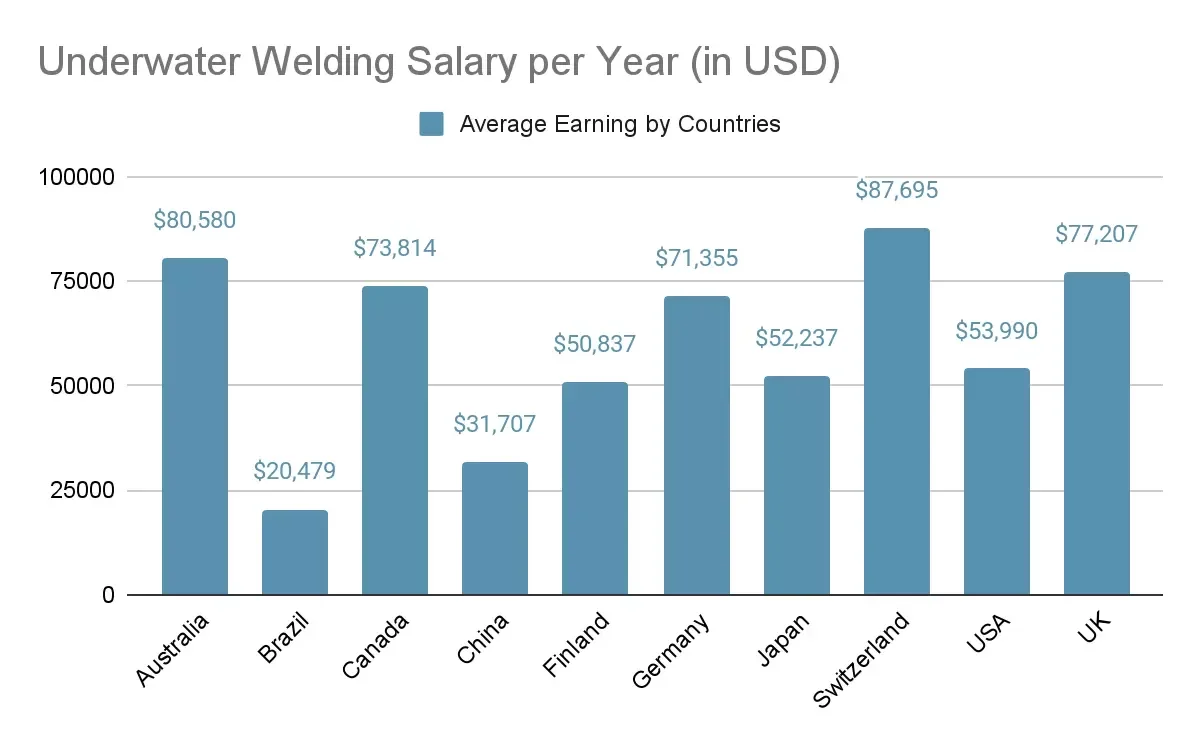
An entry-level underwater welder in the United States may earn roughly $40,000 to $60,000 annually, although location, certifications, diving work, and employer type can move the figure substantially.
The underwater welder starting salary is often less predictable than a new worker expects because underwater welder can describe several different jobs Some beginners work mainly as commercial.
Two new workers can therefore receive very different offers without either employer necessarily acting improperly A trainee hired for inland maintenance may receive steady hourly work near the.
The important signs are not just the advertised annual number You also need to check whether the pay is hourly or salaried whether dive time is compensated separately.
This guide explains realistic starting ranges the difference between underwater welding and commercial diving the factors that change an offer and the costs that reduce take-home pay It.
- ✓Entry-level pay is commonly shaped more by commercial-diving qualifications and work availability than by welding skill alone.
- ✓A higher project rate may come with travel, irregular schedules, seasonal work, or unpaid time between assignments.
- ✓Training, medical clearances, equipment, insurance, and lost work time can materially reduce first-year earnings.
- ✓Compare guaranteed hours, overtime rules, travel pay, benefits, and advancement opportunities—not only the headline salary.
What an Underwater Welder Starting Salary Usually Looks
There is no single official starting rate that applies to every underwater welding job. Pay depends on whether the position is an apprenticeship, a commercial-diving role with welding duties, an inland-water assignment, or a specialized offshore or marine-construction position.
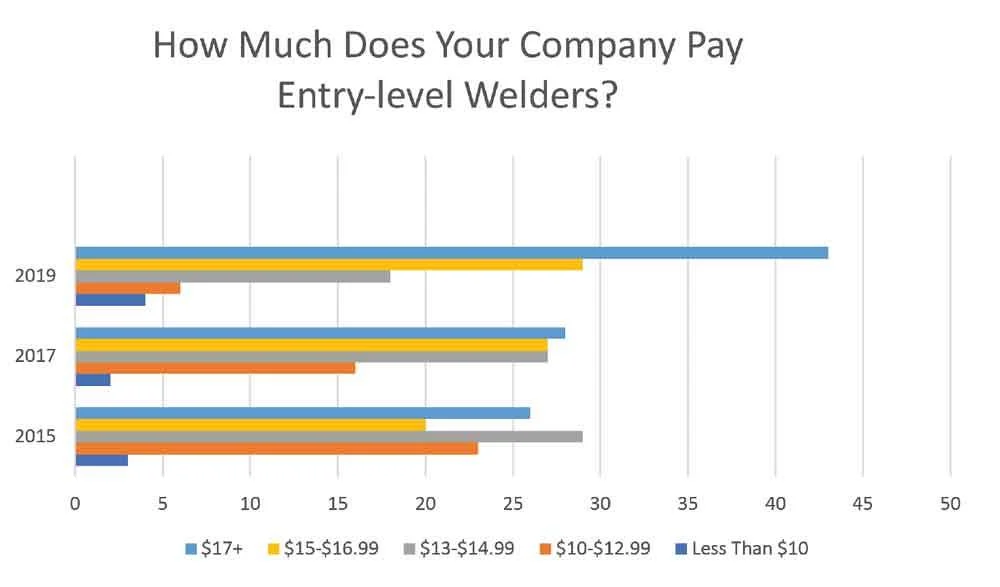
For planning purposes a new worker may see offers around 20 to 30 per hour which can translate to approximately 40 000 to 60 000 in gross annual.
Some beginners earn less while completing supervised training or working as tender-divers, helpers, or general commercial-diving labor. Others earn more when they already hold recognized commercial-diving credentials, have relevant welding experience, can travel, and are available for difficult schedules.
- Training-stage work: May involve lower hourly pay while the employee builds practical experience and performs support duties.
- Entry commercial-diving work: Often combines diving, inspection, rigging, maintenance, and welding rather than offering welding-only assignments.
- Project-based work: Can produce strong weekly earnings during active work but may not provide consistent year-round hours.
- Annual estimate: Multiply the guaranteed hourly rate by realistic paid hours, not by an optimistic full-time schedule.
Why annual salary can be misleading
A job advertisement may list an annual salary even though the actual employment arrangement is hourly. If the employer assumes overtime, travel, or frequent projects, the advertised annual figure may represent a best-case total rather than guaranteed base pay.
For example, a position paying $26 per hour with 1,600 paid hours produces $41,600 before overtime. A position paying $22 per hour with dependable 2,080-hour employment produces $45,760. The second offer may be financially stronger despite the lower hourly rate.
Gross pay is not take-home pay
Gross wages do not account for federal and state taxes, retirement contributions, health insurance premiums, union dues, transportation, meals, or equipment purchases. Commercial divers may also face costs connected with certifications, medical examinations, dive physicals, welding qualifications, and continuing training.
Do not treat a starting estimate as a promise. Use it to create a comparison range, then verify the employer’s actual wage, expected schedule, overtime policy, and benefits in writing.
Why Commercial Diving Matters More Than the Job Title
Underwater welding is usually part of a broader commercial-diving occupation not a completely separate entry-level trade with one standardized career ladder The worker may inspect submerged structures set.
That distinction explains why a strong surface welder does not automatically qualify for the highest underwater rates. Underwater work adds diving procedures, communications, decompression planning, emergency response, water movement, visibility limitations, and equipment discipline.
The same-looking vacancy can therefore lead to different pay outcomes One employer may want a beginner who can assist a dive supervisor and learn underwater tasks another may.
- Surface welding: Centers on welding processes, joint preparation, metallurgy, positioning, and inspection in a controlled environment.
- Commercial diving: Adds dive planning, life-support systems, underwater tools, communications, rigging, and team procedures.
- Underwater welding: Uses welding knowledge within the constraints of water, visibility, access, electrical safety, and structural repair.
- Employer evaluation: May weigh diving experience and reliability as heavily as welding technique.
Wet welding and dry welding are not interchangeable
Wet welding takes place directly in the water, commonly with specialized electrodes and procedures designed for the environment. It can be useful for certain repairs, but the surrounding water, current, depth, visibility, and structure all affect the task.
Dry or habitat welding occurs inside a controlled enclosure or habitat that removes water from the immediate welding area It may require more complex equipment planning and specialized.
Other work may make up most of the first year
New hires often discover that underwater welding is only one portion of their work. A first assignment may involve tendending, deck operations, equipment checks, cutting, anode installation, hull inspection, pipeline support, cofferdam work, or general maintenance.
This is not necessarily a problem. Broad commercial-diving experience can make a worker more useful and safer, but the job should be described honestly. Ask how frequently welding occurs, who supervises it, and how training time is compensated.
What Determines Entry-Level Pay?
Several variables influence an underwater welder starting salary and they do not all point in the same direction A difficult location may pay more because it is hard.
Employers also price risk and responsibility. A worker who can operate independently, understand dive plans, maintain equipment, communicate clearly, and respond correctly to changing conditions is more valuable than someone who has only completed classroom training.
When comparing offers, separate factors that increase the rate from factors that merely increase inconvenience. Travel, irregular shifts, and hazardous conditions may justify additional compensation, but they do not automatically make a job financially attractive.
- Location: Coastal, inland, port, bridge, shipyard, and offshore markets can have different wage patterns.
- Credentials: Commercial-diving qualifications, welding tests, medical clearance, and documented experience may affect eligibility.
- Availability: Employers may pay more for workers who can travel, work nights, or accept short-notice assignments.
- Responsibility: Independent work, specialized tools, difficult access, and inspection duties can raise the value of a role.
Geography and travel
Pay is often higher where marine construction, ship repair, energy infrastructure, ports, or heavy industrial work create sustained demand. However, a high-cost area can absorb much of the difference through housing, transportation, and food expenses.
Travel assignments require careful review Determine whether the company pays travel time reimburses transportation provides lodging supplies per diem and continues benefits while you are away A daily.
Experience that employers value
Experience does not have to come from underwater welding alone. Surface welding, pipe work, fabrication, mechanics, rigging, shipyard labor, industrial maintenance, and military or technical training may help a candidate qualify for better assignments.
The strongest combination is practical skill plus dependable work habits. Employers need people who inspect equipment carefully, follow instructions, communicate during a dive, keep accurate records, and recognize when a task should stop.
Project type and schedule
Bridge repair, dam maintenance, ship husbandry, dock work, marine construction, salvage, inspection, and offshore support can involve different schedules and pay structures. Some projects run during normal shifts; others require nights, weekends, tides, weather windows, or extended rotations.
A lower rate with guaranteed hours and benefits may beat a higher rate tied to uncertain project work. Ask how many hours recent employees actually received, not only how many hours the employer expects to offer.
Training, Certifications, and the Cost of Entering the Field
Training is one of the largest financial considerations for someone pursuing this career A credible path generally includes commercial-diving education practical dive experience occupational safety instruction and welding preparation appropriate to the work The exact requirements vary by employer assignment and applicable.
School completion alone does not guarantee a job or a particular wage. A program should be evaluated for the quality of its dive training, instructor access, equipment condition, job-placement claims, graduate outcomes, and the specific credentials it prepares students to pursue. This is an important consideration for underwater welder starting salary.
Before enrolling, calculate the full cost rather than the advertised tuition. Transportation, housing, meals, lost wages, medical examinations, work clothing, tools, testing fees, and required renewals can significantly increase the amount borrowed or spent.
- Program scope: Confirm whether the course teaches commercial diving or mainly recreational diving with limited occupational preparation.
- Credential value: Ask which employers recognize the training and whether additional tests or supervised experience remain necessary.
- Out-of-pocket items: Include medical evaluations, travel, equipment, renewals, examinations, and living expenses.
- Employment claims: Request clear definitions of placement rates, starting wages, and the kinds of jobs graduates obtain.
Medical and physical readiness
Commercial diving can require medical evaluation and ongoing attention to physical condition. A prospective student should understand the program’s medical standards before paying tuition, particularly if there is a known condition that could affect diving fitness.
Medical clearance is not a guarantee that a worker will be hired. It simply addresses one part of readiness; employers still evaluate skills, reliability, credentials, and the ability to work within their procedures.
Equipment and personal spending
Some employers provide major dive systems and specialized equipment, while workers may still need basic clothing, hand tools, protective items, transportation, or certification materials. Clarify what the company supplies, what it owns, and what you are expected to maintain.
Buying expensive equipment immediately can be a mistake if the employer uses different systems or provides everything required. Wait until the job’s written equipment policy is clear.
How to Compare Two Entry-Level Offers
The best offer is not always the one with the largest number beside “salary.” A useful comparison converts each position into realistic first-year value while accounting for paid hours, overtime, benefits, travel, expenses, and the probability of receiving work.
Start with guaranteed base wages. Then estimate likely paid hours using information from the employer, such as recent schedules or the typical length of active projects. Keep overtime separate so you can see what the job provides without unusually long weeks.
Next, assign reasonable values to benefits and subtract work-related costs. Do not inflate the value of benefits you would not use, and do not assume that per diem is profit if it is consumed by meals and lodging.
| Offer factor | Questions to ask | Why it matters |
|---|---|---|
| Base pay | Is the rate hourly, daily, or salaried? | Shows the guaranteed starting compensation. |
| Hours | How many hours did new workers receive recently? | Reveals whether annual estimates are realistic. |
| Overtime | When does overtime begin, and who qualifies? | Changes earnings during long projects. |
| Travel | Are travel time, lodging, meals, and transportation covered? | Prevents hidden assignment costs. |
| Benefits | When do health coverage and retirement benefits begin? | Affects total compensation and financial security. |
| Advancement | What skills lead to a higher rate? | Shows whether the role supports a real career path. |
A simple comparison example
Imagine Offer A pays $28 per hour but expects only 1,500 paid hours, with frequent travel and limited benefits. Offer B pays $24 per hour, provides approximately 2,000 paid hours, and includes health coverage after an eligibility period.
Offer A produces $42,000 in base wages before overtime. Offer B produces $48,000 before considering benefits. The second job may also provide better continuity, although the final decision depends on working conditions, advancement, and personal priorities.
Questions to ask before accepting
- What is the exact base rate during training, tendering, and active diving?
- How many paid hours did comparable new employees receive during the previous year?
- Is standby time paid when weather or equipment prevents diving?
- How are travel time, lodging, meals, and transportation handled?
- Which certifications and medical examinations must I maintain?
- What equipment does the company provide, and what must I supply?
- How are raises determined, and what milestones lead to the next pay level?
Risks, Limitations, and Common Compensation Problems
Underwater work involves hazards that cannot be reduced to a salary comparison. Water movement, low visibility, entanglement, electrical equipment, pressure changes, cold, heavy tools, structural instability, and communication limits require disciplined procedures and experienced supervision.
A job that offers unusually high pay may reflect difficult conditions, urgent staffing needs, remote travel, specialized responsibility, or irregular work. Higher compensation can be appropriate, but it should prompt more questions rather than automatic acceptance.
- Do not trade safety for access: A high rate is not a substitute for proper planning, equipment, supervision, and emergency procedures.
- Clarify stop-work authority: You should know who can halt a dive when conditions change or equipment is unsafe.
- Check training claims: A short course or informal promise is not equivalent to recognized commercial-diving preparation.
- Review the actual crew structure: Ask who supervises the dive and how new workers are introduced to responsibility.
Red flags in job postings
Be cautious when a listing promises extremely high annual income without stating the base rate, paid hours, location, project type, or required qualifications. Vague claims about “six-figure potential” may describe experienced offshore workers, overtime-heavy seasons, or gross billing rather than a beginner’s guaranteed earnings.
Other warning signs include requests for large upfront fees to secure employment, pressure to buy equipment from a specific seller, unclear safety responsibilities, unpaid required training, and refusal to provide basic compensation details in writing.
Why downtime matters
Marine and construction work can be affected by weather, permits, equipment failure, project completion, water conditions, and contract changes. A worker may earn well during a busy period and then experience several weeks with fewer hours.
Build an emergency fund around realistic annual utilization rather than the best month. This is especially important if the position is temporary, seasonal, travel-based, or dependent on a single contract.
How to Increase Your Earning Potential
Higher pay generally follows broader capability, documented experience, and the ability to perform difficult work safely. Chasing a job title alone is less effective than developing skills that solve actual employer problems.
Begin by becoming dependable in the fundamentals: equipment checks, communications, dive documentation, basic rigging, tool handling, surface welding quality, and adherence to the dive plan. Supervisors notice workers who are prepared, accurate, calm, and useful before and after the dive.
- Document your skills: Keep organized records of training, welding tests, dive experience, assignments, and equipment familiarity.
- Learn adjacent tasks: Inspection, rigging, mechanical repair, cutting, and marine maintenance can increase your usefulness.
- Protect your reputation: Reliability, safe decisions, and clear communication can lead to better project referrals.
- Compare total value: Consider paid training, benefits, stable hours, and advancement—not only the immediate rate.
Build a targeted résumé
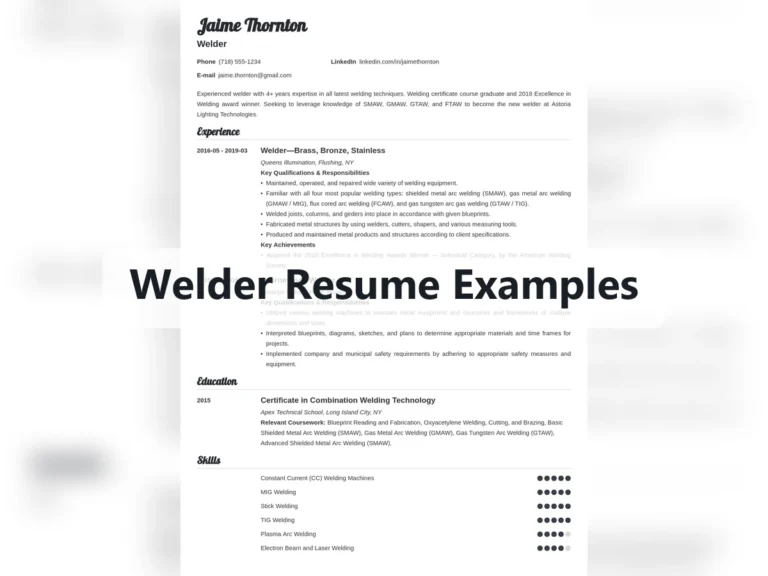
A résumé should make relevant experience easy to verify. Separate surface welding processes from commercial-diving training, then list practical tasks such as fabrication, pipe work, rigging, equipment maintenance, inspection, or industrial repair.
Include dates, credentials, testing, and the type of work performed where appropriate. Avoid exaggerating dive hours or claiming qualifications you do not hold; underwater employers depend heavily on trust and accurate records.
Choose assignments strategically
Your first job does not need to be the highest-paying job if it provides supervised experience, dependable hours, recognized training, and a clear advancement path. A role that exposes you to multiple commercial-diving tasks may position you better for specialized work later.
At the same time, do not accept indefinite “experience-building” promises with no wage progression. Ask what measurable skills, credentials, or responsibilities lead to raises and when those reviews occur.
FAQ About Underwater Welder Starting Salary
What is a realistic underwater welder starting salary in the United States?
A practical planning range is approximately $40,000 to $60,000 in gross annual pay for many entry-level situations, assuming meaningful paid hours. Actual offers can fall below or above that range depending on commercial-diving credentials, location, travel, project type, and overtime.
Do underwater welders make more than regular welders immediately?
Not necessarily. Underwater welding involves additional training and risk, but a beginner may earn less initially while building commercial-diving experience. Pay can rise as the worker qualifies for more complex work and demonstrates reliable performance.
Does offshore work always provide a higher starting salary?
No. Offshore or travel-based work may offer higher rates or allowances, but the comparison must include rotation schedules, unpaid travel, gaps between projects, living expenses, and time away from home. A local job with consistent hours can produce more dependable annual income.
Are underwater welders paid hourly or by salary?
Many entry-level positions are hourly, daily, or project-based rather than fixed-salary roles. Ask whether the quoted annual amount is guaranteed and how the employer pays training, standby time, travel, overtime, and work between dives.
Can someone become an underwater welder without commercial-diving training?
Welding skill alone is generally not enough for commercial underwater work. Employers typically look for appropriate commercial-diving preparation, medical fitness, safety knowledge, and practical experience in addition to welding ability.
How long does it take to earn more than an entry-level rate?
There is no universal timeline. Progress depends on the quality of initial training, available assignments, performance, credentials, logged experience, and the employer’s advancement system. Ask for concrete milestones instead of relying on a vague promise of rapid raises.
What costs should be deducted from a starting salary?
Consider taxes, insurance, retirement contributions, training and renewal fees, medical examinations, travel, housing, meals, transportation, tools, protective equipment, and unpaid time between projects. These costs can make two similar gross salaries produce very different financial results.
Conclusion
The underwater welder starting salary is best understood as a range shaped by commercial-diving qualifications realistic paid hours location project conditions and the worker s ability to perform.
Because underwater work carries serious safety demands and can involve irregular employment, do not choose solely by the largest advertised number. Confirm the employer’s procedures, supervision, equipment responsibilities, and actual work history before committing money to training or accepting an assignment.
Write down the guaranteed hourly rate, realistic annual hours, benefits, travel costs, and required training for each offer, then compare total first-year value before deciding.