Welding Safety Training: Rules, Courses & Best Practices
Welding is one of the most important skills in industries such as construction, manufacturing, automotive, shipbuilding, and metal fabrication. However, the same process that joins metals together can also create serious workplace hazards if proper safety procedures are not followed. Extreme heat, sparks, ultraviolet radiation, toxic fumes, and electrical risks make welding safety training an essential part of every welder’s education.
While studying welding practices and workplace safety standards, I found that many welding-related accidents are preventable when workers understand hazards and follow proper safety procedures. A skilled welder is not only someone who can create strong welds but also someone who knows how to protect themselves, their coworkers, and the workplace.
According to the U.S. Bureau of Labor Statistics (BLS), welders, cutters, solderers, and brazers experience thousands of workplace injuries each year, with many incidents involving burns, eye injuries, cuts, and exposure-related problems. OSHA also identifies welding, cutting, and brazing as activities that involve major hazards, including fire, explosions, harmful fumes, and radiation exposure.
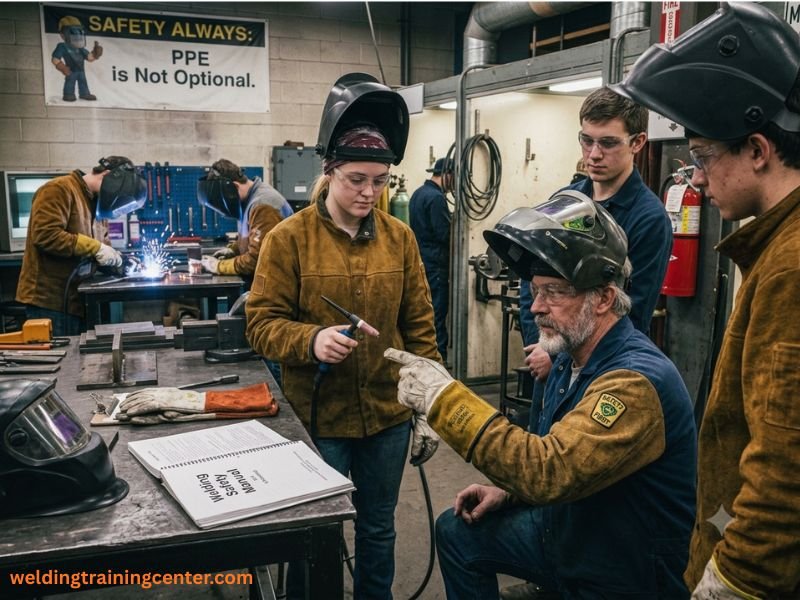
In addition, the National Institute for Occupational Safety and Health (NIOSH) has studied welding fumes because exposure to certain metal fumes can create serious health concerns without proper ventilation and protective measures.
The importance of safety training is also reflected in workplace safety data. OSHA estimates that properly implemented safety and health programs can significantly reduce workplace injuries and illnesses, helping companies protect workers while improving productivity.
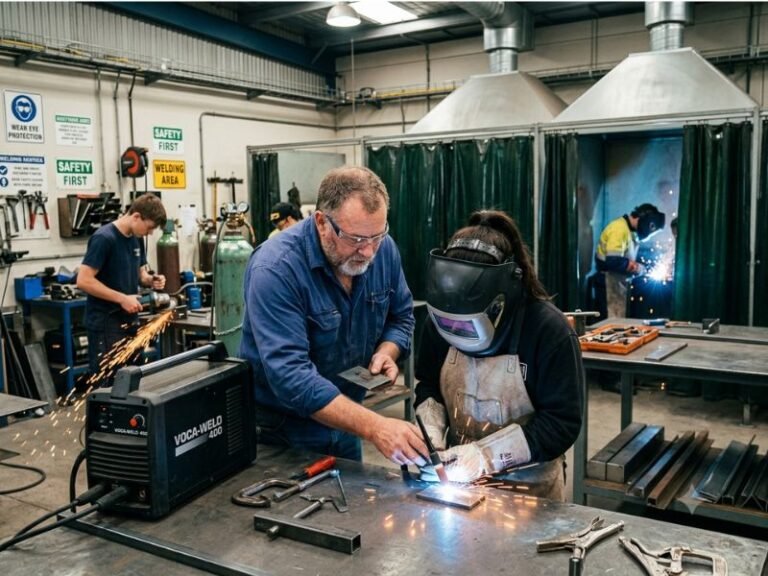
Welding safety training helps welders understand these risks and develop safe working habits. Training usually covers personal protective equipment (PPE), hazard identification, equipment inspection, ventilation requirements, fire prevention, and emergency response procedures.
In this complete guide, I will explain what welding safety training includes, why it is important, OSHA welding training requirements, welding cutting and brazing safety practices, and how proper safety education can help create a safer welding environment.
What Is Welding Safety Training?
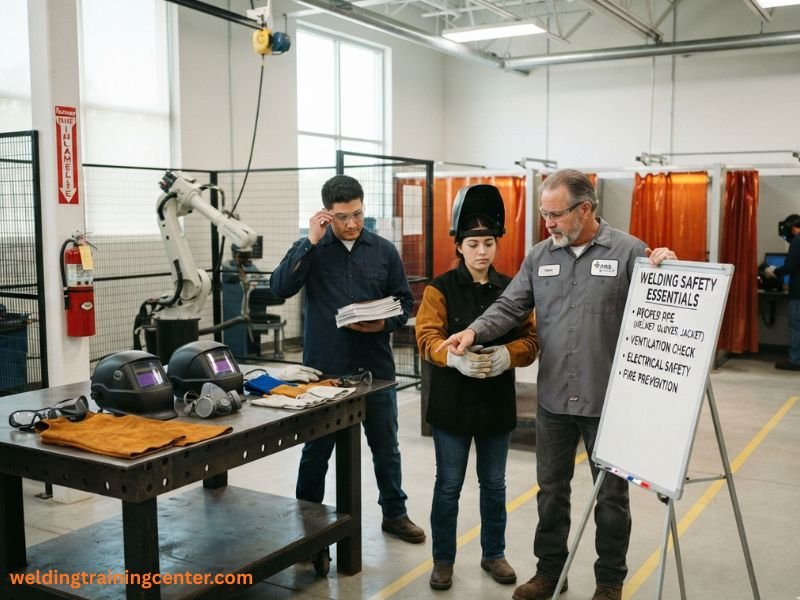
Welding safety training is an educational program designed to teach welders how to identify, prevent, and control the hazards associated with welding operations. It focuses on creating safe working habits by helping welders understand the risks involved and the correct procedures needed to work safely.
Unlike general welding training, which mainly focuses on learning how to create welds, welding safety training focuses on protecting people, equipment, and the workplace. A welder may have excellent technical skills, but without proper safety knowledge, even experienced workers can face serious risks.
A complete welding safety training program usually covers:
- Welding hazards and risk assessment
- Personal protective equipment (PPE)
- Safe equipment operation
- Fire prevention procedures
- Welding fumes and ventilation
- Electrical safety
- Gas cylinder handling
- Emergency response procedures
The goal is to help welders recognize dangerous situations before accidents happen.
Who Needs Welding Safety Training?
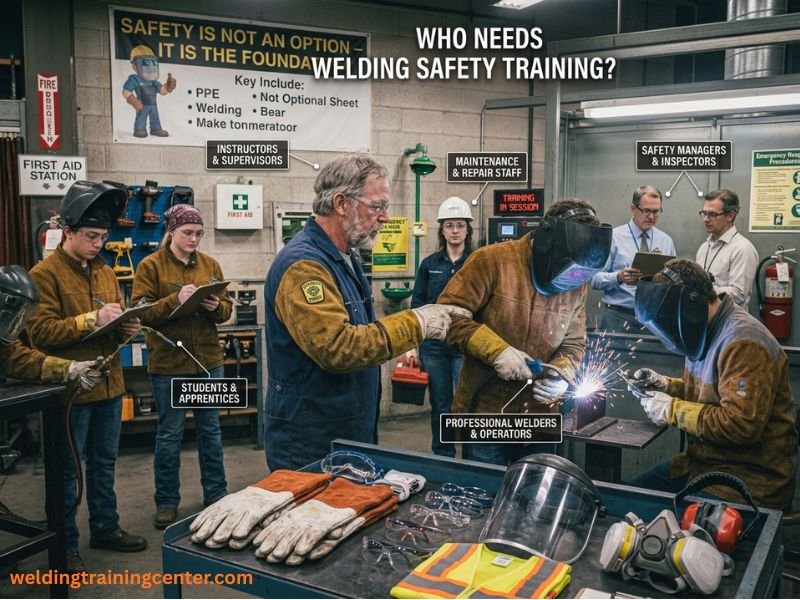
Welding safety training is important for anyone who performs welding, cutting, brazing, or works around welding operations.
Beginner Welders
For beginners, safety training should be the first step before operating welding equipment. New welders need to understand basic hazards such as arc radiation, sparks, fumes, and electrical risks before developing technical skills.
Learning safe practices early helps prevent dangerous habits from forming.
Professional Welders
Experienced welders also benefit from regular safety training because workplace conditions, equipment, and safety requirements can change over time.
Professional welders often receive training updates on:
- New equipment
- Updated safety procedures
- Workplace hazards
- Industry regulations
Continuous safety education helps experienced workers maintain safe practices throughout their careers.
Welding Students and Apprentices
Students in welding schools or apprenticeship programs usually complete safety training before beginning hands-on practice.
Training helps them understand:
- Proper workshop behavior
- Equipment handling
- Required protective gear
- Emergency procedures
A strong safety foundation allows students to focus on improving their welding skills while reducing unnecessary risks.
Welding Supervisors and Employers
Safety training is also important for supervisors and employers who manage welding operations.
They need to understand:
- Workplace hazards
- Safety responsibilities
- Training requirements
- Accident prevention methods
A safe welding environment requires cooperation between workers, supervisors, and management.
Why Is Welding Safety Training Different From Regular Welding Training?
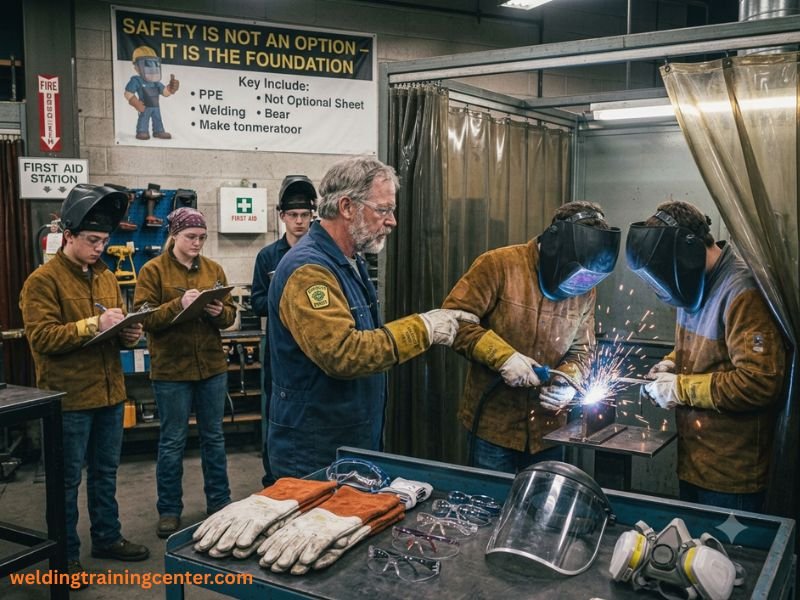
Regular welding training teaches skills such as:
- How welding processes work
- How to operate machines
- How to create quality welds
- How to select materials and settings
Welding safety training focuses on questions such as:
- How can injuries be prevented?
- What hazards exist during welding?
- What protective equipment is required?
- How should equipment be handled safely?
Both types of training are necessary for becoming a professional welder. Technical skill helps produce quality work, while safety knowledge ensures that the work is completed without unnecessary risks.
A successful welding career requires both abilities: knowing how to weld and knowing how to weld safely.
Why Is Welding Safety Training Important?
Welding safety training is important because it helps workers understand the risks involved in welding operations and teaches them how to prevent accidents before they happen. Welding involves extreme temperatures, electrical equipment, compressed gases, and hazardous fumes, making safety knowledge just as important as technical welding ability.
A welder who understands safety procedures can work more confidently, protect their health, and reduce risks for everyone around them.
1. Prevents Welding-Related Injuries
One of the main purposes of welding safety training is to reduce workplace injuries. Welders face several hazards every day, and even a small mistake can lead to serious consequences.
Common welding-related injuries include:
- Burns from hot metal and sparks
- Eye injuries from arc radiation
- Cuts from sharp metal edges
- Electrical shock
- Hearing damage from noisy environments
- Respiratory problems caused by fumes
Proper training teaches welders how to avoid these hazards by using the correct protective equipment, following safe procedures, and maintaining a controlled work environment.
For example, wearing the correct welding helmet with the proper shade lens helps protect the eyes from intense ultraviolet and infrared radiation produced during arc welding. Without proper protection, repeated exposure can lead to a painful condition commonly known as arc eye.
2. Reduces Fire and Explosion Risks
Welding creates extremely high temperatures, sparks, and molten metal, which can easily ignite nearby flammable materials.
Welding safety training teaches workers how to prevent fire hazards by understanding:
- Proper workspace preparation
- Safe storage of flammable materials
- Fire extinguisher locations
- Hot work procedures
- Gas cylinder safety
Before starting welding operations, trained welders learn to inspect their surroundings and remove potential fire hazards.
This is especially important during welding, cutting, and brazing operations where sparks can travel and ignite materials that are not immediately visible.
3. Protects Against Harmful Welding Fumes
Welding fumes are one of the most important health concerns in welding environments. When metals are heated, they can release fumes and gases that may be harmful if inhaled.
Safety training teaches welders about:
- Proper ventilation
- Local exhaust systems
- Respiratory protection
- Safe positioning during welding
According to workplace safety organizations, controlling exposure to welding fumes through ventilation and protective measures is an important part of reducing health risks.
Understanding fume hazards helps welders make better decisions about workplace setup and personal protection.
4. Improves Workplace Safety Culture
A strong safety culture does not happen automatically. It develops when workers understand their responsibilities and follow consistent safety practices.
Welding safety training helps create a workplace where employees:
- Report hazards
- Follow safety procedures
- Use protective equipment correctly
- Look out for coworkers
When safety becomes part of daily work habits, companies can reduce accidents and create a more productive environment.
5. Helps Meet OSHA Safety Requirements
In the United States, many welding workplaces follow safety requirements established by the Occupational Safety and Health Administration (OSHA).
OSHA provides safety guidelines for activities such as:
- Welding
- Cutting
- Brazing
- Handling compressed gases
- Protecting workers from workplace hazards
Welding safety training helps workers and employers understand these requirements and apply them in real workplace situations.
6. Improves Work Quality and Productivity
Safety and productivity are closely connected. A safer workplace allows welders to focus on their tasks without unnecessary interruptions caused by accidents or equipment problems.
Proper training helps welders:
- Set up equipment correctly
- Work efficiently
- Avoid preventable mistakes
- Maintain professional standards
When workers know how to operate safely, companies can reduce downtime, protect equipment, and improve overall project performance.
Why Safety Training Should Come Before Welding Practice
Many beginners want to start welding immediately, but safety knowledge should come first. Understanding hazards before operating equipment helps prevent dangerous mistakes.
A strong learning path is:
- Learn welding safety basics.
- Understand equipment and hazards.
- Practice welding techniques.
- Improve skills through experience.
Safety training is not something that slows down welding progress—it creates the foundation needed for a long and successful welding career.
Common Hazards Covered in Welding Safety Training
Welding safety training focuses on helping workers recognize and control the hazards they may encounter during welding operations. Understanding these risks is one of the most important parts of becoming a safe and responsible welder because many welding accidents happen when workers underestimate common workplace dangers.
A professional welder must understand not only how to create a quality weld but also how heat, electricity, fumes, and equipment can affect their health and safety.
Welding Fumes and Gases
Welding fumes are one of the most common hazards in welding environments. When metals are heated, the welding process can release small particles and gases into the air. The type and amount of fumes produced depend on the material being welded, coatings on the metal, and the welding process being used.
Long-term exposure to certain welding fumes can create health concerns, which is why proper ventilation and protective measures are essential.
Welding safety training teaches workers how to reduce fume exposure by understanding:
- The importance of proper ventilation
- Correct positioning during welding
- When respiratory protection may be needed
- The risks associated with different metals and coatings
For example, welding materials with coatings, paint, or chemical residues can create additional hazards compared to clean metal surfaces. Proper preparation and workplace controls help reduce unnecessary exposure.
Arc Radiation and Eye Protection
The intense light produced during arc welding creates ultraviolet (UV) and infrared (IR) radiation. Without proper protection, this radiation can damage the eyes and skin.
One common injury caused by arc exposure is “arc eye,” a painful condition caused by exposure to intense welding light.
Safety training helps welders understand the importance of:
- Using the correct welding helmet lens shade
- Wearing protective clothing
- Avoiding exposure to other workers nearby
A welding helmet is not just a convenience—it is essential protective equipment that helps prevent serious eye injuries.
Fire and Explosion Hazards
Welding creates sparks, molten metal, and extreme heat, which can easily start fires if proper precautions are not followed.
Fire risks are especially serious when welding near:
- Flammable materials
- Fuel sources
- Chemicals
- Poorly prepared work areas
Welding safety training teaches workers how to prepare a safe workspace, remove potential fire hazards, and follow proper hot work procedures.
Fire prevention is particularly important during welding, cutting, and brazing because these processes generate significant heat and sparks.
Electrical Hazards
Welding equipment uses electrical power to generate the heat required for joining metals. Incorrect handling of welding machines can create risks of electrical shock.
Safety training covers safe practices such as:
- Inspecting cables and equipment before use
- Keeping equipment dry
- Using proper grounding methods
- Following manufacturer instructions
Electrical safety becomes even more important when welding in outdoor environments or areas where moisture is present.
Physical Hazards in Welding Workplaces
Besides heat and electrical risks, welders also face physical hazards from materials, tools, and workplace conditions.
Common examples include:
- Sharp metal edges
- Heavy materials
- Falling objects
- Slips and trips
- Poor workspace organization
Safety training helps workers develop better awareness of their surroundings and encourages proper workplace organization.
A clean and organized welding area reduces accidents and allows welders to perform their tasks more efficiently.
Understanding these common hazards is the foundation of welding safety training. When welders recognize risks before starting work, they can take proper precautions and create a safer environment for themselves and their coworkers.
What Do You Learn in Welding Safety Training?
Welding safety training teaches more than just basic safety rules. It helps welders understand how to identify hazards, use protective equipment correctly, operate tools safely, and respond to emergency situations. The goal is to develop safe working habits that become part of everyday welding practice.
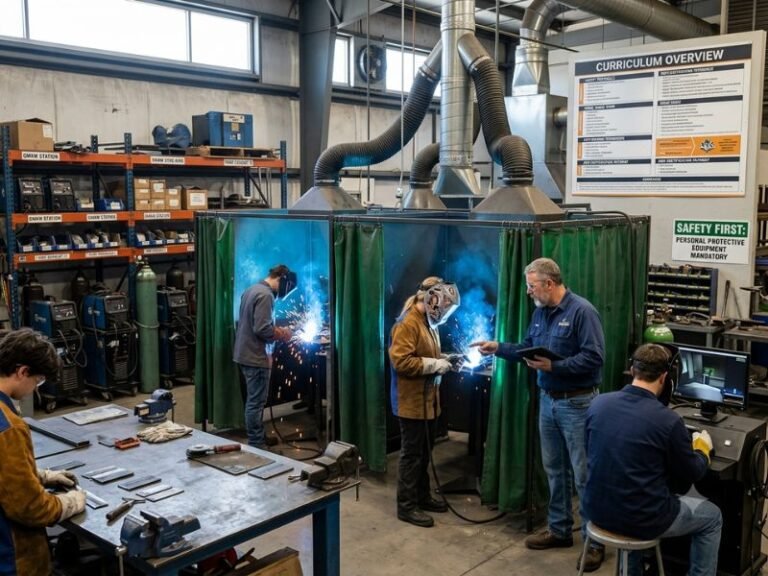
A complete safety training program combines classroom knowledge with practical safety procedures so welders can apply what they learn in real workplace environments.
Personal Protective Equipment (PPE)
Personal protective equipment is one of the most important topics covered in welding safety training. Welding produces heat, sparks, radiation, and fumes, so proper protection is necessary to reduce the risk of injury.
Training helps welders understand how to select and use:
- Welding helmets with appropriate lens protection
- Flame-resistant clothing
- Welding gloves
- Safety boots
- Safety glasses
- Hearing protection
- Respiratory protection when required
Each type of PPE has a specific purpose. For example, welding gloves protect hands from heat and sparks, while a welding helmet protects the eyes and face from intense light and flying particles.
Using the wrong protective equipment or wearing damaged gear can reduce protection and increase the chance of injury.
Safe Welding Equipment Operation
Welding safety training also teaches workers how to properly inspect and operate welding equipment.
Before starting a welding job, welders should understand how to check:
- Welding machines
- Power cables
- Welding leads
- Gas connections
- Torches and accessories
Training explains why damaged equipment should not be used and how proper setup can prevent electrical problems, gas leaks, and equipment failures.
Safe equipment handling also includes understanding machine settings, following manufacturer instructions, and storing tools correctly after use.
Gas Cylinder and Compressed Gas Safety
Many welding processes use compressed gases, which require careful handling and storage.
Safety training covers important practices such as:
- Proper cylinder storage
- Securing gas cylinders upright
- Checking connections
- Keeping cylinders away from heat sources
- Handling regulators correctly
Improper handling of compressed gas cylinders can create serious risks, including leaks, fires, or equipment damage.
Understanding gas safety is especially important for welders who work with processes such as MIG, TIG, and oxy-fuel cutting.
Workplace Preparation and Hot Work Safety
A safe welding environment begins before the welding machine is turned on. Proper workplace preparation helps reduce hazards and creates better working conditions.
Training teaches welders how to:
- Inspect the work area
- Remove flammable materials
- Ensure proper ventilation
- Maintain clear walkways
- Prepare fire protection equipment
For welding, cutting, and brazing operations, workplace preparation is an essential safety step because sparks and heat can create hazards beyond the immediate welding area.
Emergency Procedures and First Aid Awareness
Welding safety training also prepares workers to respond correctly when accidents happen.
Workers learn basic procedures for situations involving:
- Burns
- Fire emergencies
- Electrical incidents
- Eye injuries
- Exposure to fumes
Knowing how to respond quickly can reduce the severity of injuries and help protect coworkers.
Emergency preparation is an important part of workplace safety because even with proper precautions, unexpected situations can still occur.
Understanding Safety Rules and Workplace Responsibilities
A professional welder is responsible not only for personal safety but also for maintaining a safe environment for others.
Training helps workers understand:
- Following workplace safety procedures
- Reporting hazards
- Using equipment responsibly
- Maintaining a clean workspace
Safety is a continuous process. Good welders develop the habit of evaluating risks before every job and making safety decisions part of their normal workflow.
By learning these principles through welding safety training, workers can improve their confidence, protect their health, and perform welding tasks more effectively.
OSHA Welding Safety Training Requirements
OSHA welding safety training is an important part of workplace safety for welders in the United States. The Occupational Safety and Health Administration (OSHA) provides safety guidelines designed to protect workers involved in welding, cutting, and brazing operations.
The purpose of OSHA welding training is not only to explain safety rules but also to help workers understand workplace hazards and the correct methods to control them. Employers are responsible for providing proper training so workers can perform welding tasks safely.
OSHA does not provide a single “welding safety course” that applies to every workplace. Instead, welding safety requirements are covered through different OSHA standards related to hazards such as personal protective equipment, fire prevention, ventilation, and equipment safety.
What Is Covered in OSHA Welding Training?
OSHA-based welding safety training usually focuses on the major risks associated with welding operations.
Workers are trained on topics such as:
- Identifying welding hazards
- Selecting proper PPE
- Preventing fires and explosions
- Safe handling of compressed gases
- Protecting against harmful fumes
- Using welding equipment correctly
The exact training requirements may vary depending on the workplace, welding process, and type of work being performed.
For example, a welder working in a large fabrication facility may face different risks compared to someone performing maintenance welding in a construction environment.
OSHA Requirements for Personal Protective Equipment
One of the key areas of OSHA welding safety training is proper use of personal protective equipment.
Welders must understand how to select protection based on the hazards involved. This includes protection for:
- Eyes and face from arc radiation and sparks
- Hands from heat and sharp materials
- Body from flames and hot metal
- Respiratory system from harmful fumes when required
Training helps workers understand that PPE is the last line of defense after workplace hazards have been controlled through proper procedures.
OSHA Welding, Cutting, and Brazing Safety
OSHA has specific safety requirements for welding, cutting, and brazing activities because these processes involve heat, flames, and sparks.
Training commonly covers:
- Safe work area preparation
- Fire prevention methods
- Proper ventilation
- Equipment inspection
- Handling of fuel gases and oxygen
These procedures are especially important during hot work activities where sparks can travel and create fire risks outside the immediate welding area.
OSHA Training for Welding Fumes and Ventilation
Welding fumes are another important topic covered in OSHA welding safety training.
Workers learn why proper ventilation is necessary and how to reduce exposure by using appropriate controls.
Training may include:
- Maintaining adequate airflow
- Using local exhaust ventilation
- Understanding respiratory protection
- Avoiding unnecessary exposure
The type of ventilation needed depends on factors such as the welding process, materials being welded, and workplace conditions.
Why OSHA Welding Training Matters
OSHA welding training helps create safer workplaces by ensuring that welders understand the risks associated with their jobs.
For employers, proper training can help reduce accidents, improve compliance, and create better safety practices. For workers, it provides the knowledge needed to protect themselves while performing demanding welding tasks.
Although OSHA guidelines are especially important in the United States, many of the safety principles are useful for welders worldwide because they address universal welding hazards such as heat, fumes, fire, and electrical risks.
A welder who understands OSHA safety practices is better prepared to work professionally and maintain a safer working environment.
Welding Cutting and Brazing Safety Training
Welding, cutting, and brazing are closely related processes that involve heat, flames, sparks, and gases. Because these operations create similar hazards, safety training for these activities focuses on preventing injuries, controlling fire risks, and ensuring workers understand how to handle equipment properly.
Welding cutting and brazing safety training helps workers develop the knowledge needed to perform hot work safely. This type of training is especially important in industries such as construction, manufacturing, maintenance, and metal fabrication, where these processes are commonly used.
While welding joins metals together, cutting separates materials using heat, and brazing joins metals using a filler material without melting the base metals. Each process has unique risks, but many safety principles apply to all three.
Hazards Covered in Welding, Cutting, and Brazing Safety Training
Safety training teaches workers how to recognize the hazards associated with hot work operations.
Common risks include:
- Fire caused by sparks or hot materials
- Burns from flames and heated metals
- Exposure to fumes and gases
- Gas cylinder hazards
- Eye injuries from radiation and flying particles
Understanding these hazards helps workers prepare the workspace correctly before starting any operation.
Oxygen and Fuel Gas Safety
Many cutting and brazing operations use oxygen and fuel gases, which require careful handling. Improper use of these gases can create serious risks, including fires, explosions, or equipment damage.
Safety training covers proper practices such as:
- Inspecting hoses and connections
- Checking for gas leaks
- Storing cylinders safely
- Keeping cylinders away from heat sources
- Using regulators correctly
Workers also learn why oxygen should never be treated like ordinary air because it can accelerate combustion and increase fire risks.
Flashback Prevention and Torch Safety
For oxy-fuel cutting and brazing operations, understanding torch safety is essential.
Training explains how to:
- Operate torches correctly
- Maintain proper gas pressure
- Prevent flashbacks
- Inspect torch equipment before use
A flashback occurs when a flame travels back into the torch or gas system, creating a potentially dangerous situation. Proper equipment maintenance and correct operating procedures help reduce this risk.
Fire Prevention During Hot Work
Fire prevention is one of the most important parts of welding cutting and brazing safety training.
Before beginning work, trained workers learn to evaluate the area and identify possible fire hazards.
This includes:
- Removing flammable materials
- Protecting nearby surfaces
- Maintaining fire extinguishing equipment
- Monitoring the work area after hot work is completed
In some workplaces, a fire watch may be required to monitor the area during and after welding, cutting, or brazing activities.
Personal Protection During Cutting and Brazing
Although cutting and brazing are different from welding, they still require appropriate protective equipment.
Workers may need:
- Protective eyewear
- Heat-resistant gloves
- Flame-resistant clothing
- Safety footwear
- Respiratory protection when required
The correct PPE depends on the material, process, and workplace conditions.
Why This Training Is Important
Welding cutting and brazing safety training helps workers understand that hot work involves more than operating equipment. Safe performance requires proper preparation, hazard awareness, and consistent safety practices.
A worker who understands these procedures can reduce risks, protect coworkers, and complete projects more efficiently.
Whether someone is welding, cutting, or brazing, safety knowledge is the foundation for producing quality work without unnecessary danger.
Welding and Cutting Safety Training
Welding and cutting safety training focuses on teaching workers how to safely perform hot work activities that involve intense heat, sparks, flames, and specialized equipment. Although welding and cutting are different processes, they share many common hazards, which is why safety practices for both operations are often taught together.
Welding and cutting safety training is important for anyone working in fabrication shops, construction sites, repair facilities, and industrial environments where metal joining or cutting operations are performed.
The main goal of this training is to help workers identify risks, use equipment correctly, and follow procedures that reduce the chance of injuries, fires, and equipment-related accidents.
Key Areas Covered in Welding and Cutting Safety Training
A complete training program usually focuses on workplace preparation, equipment safety, personal protection, and hazard control.
Workers learn how to safely handle:
- Welding machines and cutting equipment
- Gas cylinders and fuel sources
- Hot materials and sparks
- Protective equipment
- Work area safety procedures
The training helps workers understand that safety begins before the first spark is created. Proper planning and preparation are essential parts of every welding or cutting task.
Hot Work Area Preparation
Before welding or cutting begins, the work area must be inspected and prepared properly.
Safety training teaches workers to evaluate:
- Nearby flammable materials
- Ventilation conditions
- Workspace organization
- Fire protection availability
- Surrounding workers and equipment
A poorly prepared workspace can increase the chance of fires, accidents, and exposure to harmful substances.
For example, sparks from cutting operations can travel several feet and ignite materials that appear unrelated to the work area. Proper preparation helps prevent these situations.
Safe Equipment Handling
Welding and cutting equipment must be inspected and operated correctly to maintain safety.
Training covers important practices such as:
- Checking equipment before use
- Maintaining cables and hoses
- Using tools according to manufacturer instructions
- Identifying damaged equipment
Workers are also taught not to continue using equipment that shows signs of damage because small problems can create serious safety risks.
Ventilation and Fume Control
Both welding and cutting can produce fumes and gases that may be harmful when inhaled. Safety training explains why controlling these emissions is important.
Workers learn about:
- Proper airflow
- Ventilation systems
- Safe positioning during work
- When additional respiratory protection may be necessary
The level of protection required depends on the material being processed, the type of operation, and the workplace environment.
Fire Prevention and Emergency Response
Fire prevention is a major focus of welding and cutting safety training because both processes generate heat and sparks.
Workers learn:
- How to identify fire hazards
- How to use fire protection equipment
- What actions to take during emergencies
- How to report unsafe conditions
Some workplaces also require fire watch procedures during certain hot work operations to monitor for possible fires after work is completed.
Building Safe Welding and Cutting Habits
Safety training is not only about following rules during a course—it is about creating habits that continue throughout a welding career.
Experienced welders develop the habit of checking their surroundings, inspecting equipment, and thinking about potential risks before starting each job.
By following proper welding and cutting safety practices, workers can protect themselves, improve workplace efficiency, and maintain professional standards in demanding industrial environments.
Welding Safety Training PPT and Learning Materials
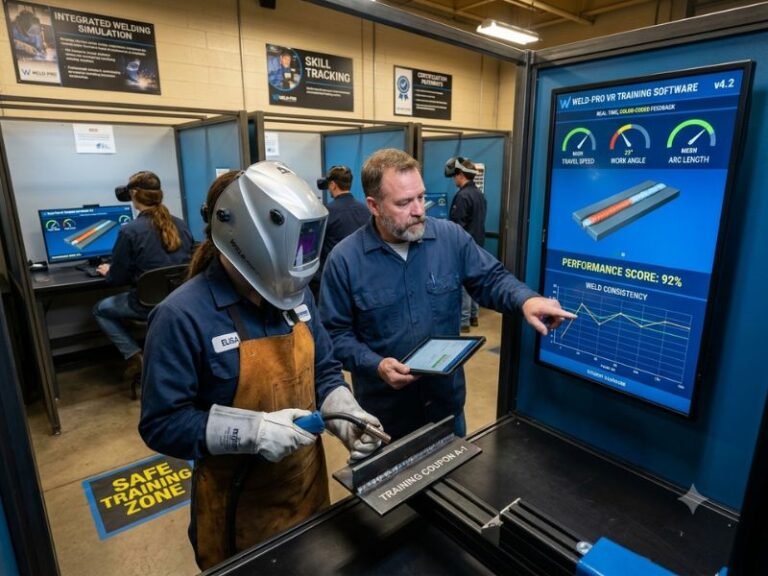
A welding safety training PPT is a common educational tool used by instructors, companies, and training facilities to teach important safety concepts in a structured way. Presentations help organize complex safety information into clear sections, making it easier for beginners and experienced welders to understand workplace hazards and prevention methods.
However, a presentation alone is not enough to create a safe welder. A welding safety training PPT works best when combined with practical demonstrations, instructor guidance, and real workplace examples.
What Is Usually Included in a Welding Safety Training PPT?
A well-designed welding safety presentation usually covers the major topics that workers need to understand before performing welding operations.
Common sections include:
- Welding hazards and risk identification
- Personal protective equipment (PPE)
- Fire prevention procedures
- Welding fumes and ventilation
- Equipment safety
- Emergency response
These topics help workers understand why certain safety rules exist and how those rules apply during daily welding tasks.
For example, a presentation may explain how arc radiation can damage the eyes and why proper welding helmet protection is necessary. Visual examples can make safety concepts easier to remember.
Benefits of Using Welding Safety Presentations
Training presentations are useful because they provide a consistent way to deliver safety information.
They help instructors:
- Organize lessons clearly
- Explain safety procedures visually
- Highlight important hazards
- Review key information with students
For companies, a welding safety PPT can also support employee training programs by ensuring that important safety topics are covered consistently.
Limitations of Welding Safety Training PPTs
Although presentations are helpful, they should not replace hands-on safety training.
A slide presentation can explain:
- How to wear PPE
- Why ventilation matters
- What hazards exist
But workers also need practical experience with:
- Using protective equipment
- Inspecting welding tools
- Preparing a safe workspace
- Following emergency procedures
Real-world practice helps workers understand how safety principles apply in actual welding environments.
How to Use Welding Safety Materials Effectively
The best welding safety training programs combine different learning methods, including:
- Classroom explanations
- Safety presentations
- Equipment demonstrations
- Practical workplace exercises
This combination helps workers remember safety procedures and apply them correctly when performing welding tasks.
Whether used in a welding school, company training session, or personal learning environment, a welding safety training PPT can be a valuable resource when it supports complete safety education.
Safety knowledge becomes effective when workers understand the reasons behind the rules and consistently apply them during every welding operation.
How to Choose the Best Welding Safety Training Program
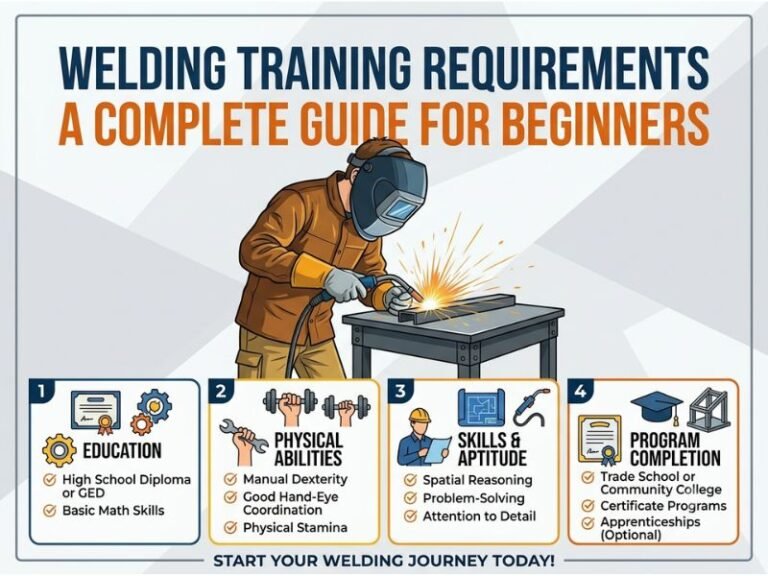
Choosing the right welding safety training program is important because the quality of your training can directly affect how well you understand workplace hazards and apply safe practices. A good program should not only explain safety rules but also help you develop the ability to recognize risks and make better decisions during real welding operations.
Whether you are a beginner learning welding for the first time or an experienced welder updating your knowledge, selecting the right training program can improve your safety awareness and professional skills.
Check the Training Content
The first thing to consider is what topics the program covers. A complete welding safety training course should include the major hazards associated with welding, cutting, and brazing operations.
Look for programs that explain:
- Welding hazards and prevention methods
- Proper PPE selection and use
- Fire and explosion prevention
- Welding fumes and ventilation
- Equipment safety
- Emergency procedures
A program that only teaches basic safety rules may not provide enough knowledge for complex workplace situations.
Consider Instructor Experience
The instructor’s experience can make a significant difference in the quality of training. Safety concepts are easier to understand when they are explained with real workplace examples.
Experienced instructors can help students understand:
- Common welding mistakes
- Real-world safety challenges
- Proper equipment handling
- Industry expectations
A knowledgeable instructor can also answer practical questions that may not be covered in training materials.
Look for Practical Training Opportunities
Welding safety is not only theoretical. Workers need to understand how safety procedures work in real situations.
A strong program should include practical demonstrations related to:
- Proper PPE usage
- Equipment inspection
- Workspace preparation
- Emergency response procedures
Hands-on learning helps workers build confidence and apply safety principles more effectively.
Check Industry Recognition and Standards
When choosing a welding safety training program, consider whether the course follows recognized safety guidelines.
Many professional programs are based on standards and recommendations from organizations such as OSHA and other industry safety bodies.
A quality program should clearly explain:
- Which safety standards it follows
- What topics are included
- How training completion is documented
This information can be especially important for workers who need safety training records for employment purposes.
Consider Your Career Goals
The best training program depends on your specific situation.
A beginner may need a complete introduction to welding hazards, while an experienced welder may only need updated safety training for a specific workplace requirement.
Consider:
- Your current skill level
- The type of welding work you perform
- Industry requirements
- Employer expectations
Choosing training that matches your needs prevents spending time on information that does not apply to your work.
Evaluate Training Format and Flexibility
Welding safety training is available in different formats, including classroom courses, online programs, and workplace training sessions.
Online training can be useful for learning safety concepts, while in-person training often provides better opportunities for demonstrations and discussions.
The right format depends on how you learn best and what type of safety knowledge you need.
Final Considerations Before Enrolling
Before selecting a welding safety training program, review the course details carefully. A good program should provide practical knowledge, clear explanations, and safety practices that can be applied in real welding environments.
The purpose of safety training is not just to complete a course or receive a certificate. It is to develop the awareness and habits needed to protect yourself and others throughout your welding career.
How Long Does Welding Safety Training Take?
The length of welding safety training depends on the type of program, the learner’s experience, workplace requirements, and the topics covered. Some basic safety courses can be completed within a few hours, while more detailed programs designed for professional welders may take several days or longer.
Unlike technical welding training, safety training is usually focused on helping workers understand hazards, follow safe procedures, and meet workplace safety requirements. The goal is not simply to finish a course but to develop the knowledge needed to work safely in real environments.
Basic Welding Safety Training Duration
For beginners, a basic welding safety course may take a few hours to one day. These introductory programs usually cover essential safety topics such as:
- Common welding hazards
- Personal protective equipment
- Fire prevention
- Safe equipment handling
- Basic emergency procedures
This type of training is often used before students begin hands-on welding practice.
Workplace Welding Safety Training
Professional workplaces may provide more detailed safety training based on the specific risks employees face.
The duration can vary depending on:
- Type of welding operations
- Industry requirements
- Workplace hazards
- Employee responsibilities
For example, a large manufacturing facility may provide more extensive training because workers may deal with different welding processes, materials, machinery, and safety procedures.
OSHA-Based Welding Safety Training Duration
OSHA-related welding safety training does not have one universal completion time. The length depends on the scope of the course and the workplace requirements.
A basic OSHA-focused safety course may take a few hours, while a more comprehensive program covering welding, cutting, brazing, hot work procedures, and workplace safety practices may require additional time.
The important factor is that workers understand the safety information and can apply it correctly, rather than simply completing a required number of hours.
Factors That Affect Training Time
Several factors influence how long welding safety training takes.
The biggest factors include:
- Experience level: Beginners usually need more explanation about basic hazards and equipment safety.
- Training depth: A short awareness course takes less time than a complete workplace safety program.
- Industry requirements: Some industries require additional safety topics because of higher-risk environments.
- Training format: Online courses may allow flexible learning, while classroom training may include demonstrations and discussions.
Should Welders Repeat Safety Training?
Safety training should not always be considered a one-time activity. Many workplaces provide refresher training to ensure workers stay updated on safety procedures and changing requirements.
Refresher training can be useful when:
- New equipment is introduced
- Workplace procedures change
- A worker moves to a different welding environment
- Safety issues are identified
Regular training helps maintain safe habits and keeps important safety practices fresh.
Final Thoughts on Welding Safety Training Time
The time required for welding safety training is small compared to the benefits it provides. A few hours of proper education can help prevent serious injuries, improve workplace awareness, and create safer welding practices.
Whether you are a beginner, student, or professional welder, investing time in safety training is an important step toward building a successful and responsible welding career.
Frequently Asked Questions About Welding Safety Training
What is welding safety training?
Welding safety training is a program that teaches workers how to identify welding hazards and follow safe procedures while performing welding, cutting, or brazing operations. It covers topics such as personal protective equipment, fire prevention, equipment safety, ventilation, and emergency response.
The main goal of this training is to help welders protect themselves and others while creating a safer working environment.
Is welding safety training required for welders?
In many workplaces, welding safety training is required because employers must ensure workers understand the hazards associated with welding operations. Requirements can vary depending on the country, industry, workplace conditions, and type of welding work being performed.
In the United States, many employers follow OSHA safety requirements related to welding, cutting, and brazing activities.
What PPE is required during welding?
The required personal protective equipment depends on the type of welding process and workplace conditions. Common protective equipment includes a welding helmet, flame-resistant clothing, welding gloves, safety boots, and eye protection.
Additional protection, such as respiratory equipment, may be needed when welding fumes cannot be adequately controlled through ventilation.
What hazards are covered in welding safety training?
Welding safety training covers many hazards that workers may encounter during welding operations.
Common topics include:
- Welding fumes and gases
- Arc radiation
- Fire and explosion risks
- Electrical hazards
- Hot materials
- Equipment safety
Understanding these hazards helps welders take preventive actions before beginning work.
Can beginners take welding safety training?
Yes, beginners can and should take welding safety training before starting welding practice. Learning safety procedures early helps new welders develop proper habits and avoid common mistakes.
Safety training provides the foundation needed before learning advanced welding techniques.
How often should welding safety training be completed?
The frequency of welding safety training depends on workplace policies, industry requirements, and changes in job conditions.
Refresher training may be useful when:
- New equipment is introduced
- Safety procedures change
- Workers perform new types of welding tasks
- Previous safety problems occur
Regular training helps ensure that safety knowledge remains up to date.
What is OSHA welding training?
OSHA welding training refers to safety education based on workplace safety requirements related to welding, cutting, and brazing. It helps workers understand hazards, protective measures, and safe work practices.
OSHA-based training commonly focuses on topics such as PPE, ventilation, fire prevention, and equipment safety.
Is a welding safety training PPT enough to learn safety?
A welding safety training PPT can be a useful learning tool because it organizes important safety information in a clear format. However, a presentation alone is usually not enough.
Effective safety training combines classroom learning, demonstrations, and practical experience so workers can apply safety procedures correctly in real situations.
Conclusion: Why Welding Safety Training Matters
Welding safety training is an essential part of becoming a skilled and responsible welder. Technical welding ability helps create strong and reliable welds, but safety knowledge protects the person performing the work.
From understanding welding hazards and using proper PPE to following OSHA-based safety practices, proper training helps reduce risks and improve workplace performance.
Whether you are a beginner learning the basics or an experienced welder updating your skills, welding safety training provides the knowledge needed to work with confidence and maintain a safer welding environment.