How Hot Is MIG Welding: Practical Guide and Important Details
MIG welding creates an arc hot enough to melt steel, commonly exceeding 10,000°F, while the weld pool itself is far cooler but still dangerously hot.
When you are trying to judge how hot is MIG welding the useful answer is not a single temperature A MIG arc is an intensely concentrated electrical discharge.
What matters in practice is separating normal heat from a real welding problem A bright arc glowing puddle red-hot steel and heat discoloration can all be expected Excessive.
This guide explains the temperatures involved why MIG heat behaves differently in steel and aluminum how settings control heat input what visible signs mean and which safety precautions.
- ✓A MIG arc can exceed 10,000°F, but the practical heat of the weld depends on amperage, voltage, travel speed, and material.
- ✓The weld pool is molten metal, while the surrounding workpiece may remain solid but hot enough to burn or distort.
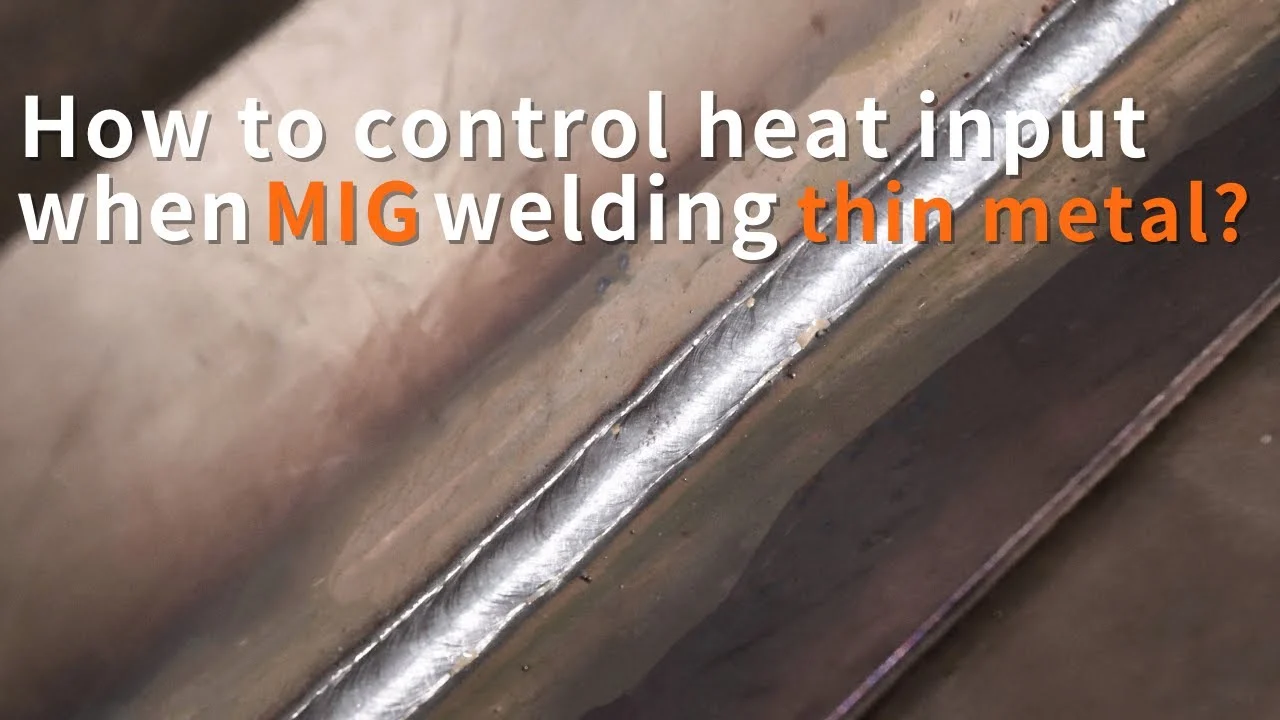
- ✓Thin sheet metal usually needs lower heat input and shorter welds to prevent burn-through and warping.
- ✓Shielding gas protects the hot weld from contamination; it does not make the arc or weld pool safe to touch.
- ✓Color, spatter, distortion, and burn-through provide useful clues, but temperature cannot be judged safely by appearance alone.
How Hot Is MIG Welding at the Arc
A MIG welding arc is commonly described as reaching temperatures above 10 000 F or roughly 5 500 C The exact value changes with the welding current arc.
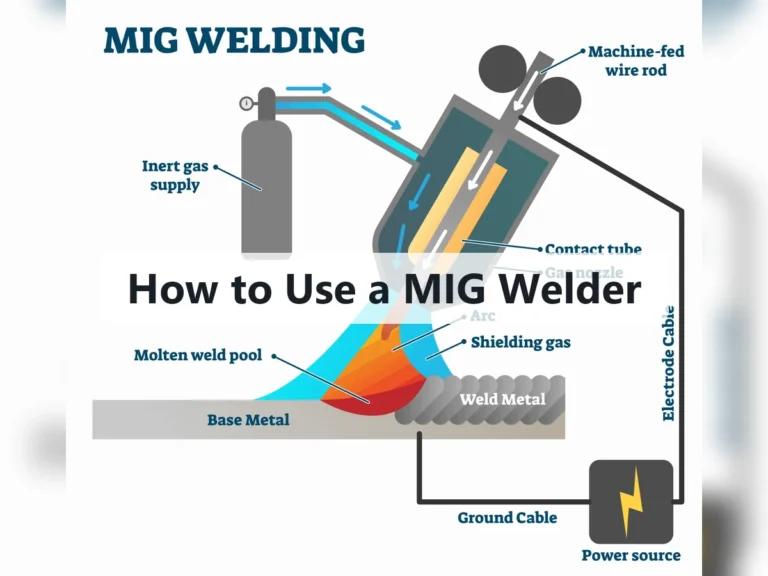
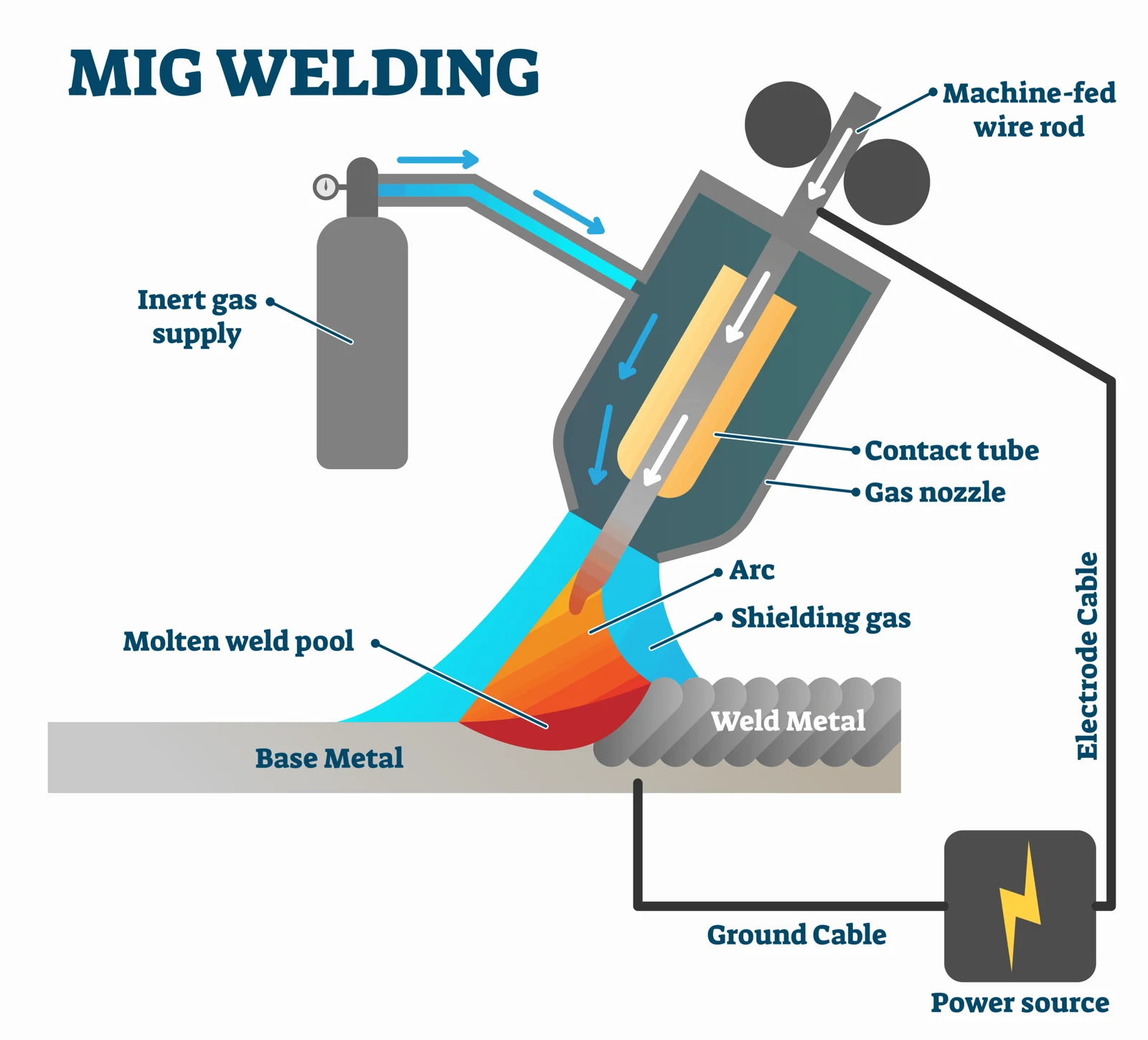
The arc is the hottest region because electrical energy is concentrated between the contact tip and the workpiece It must melt the continuously fed electrode wire and fuse.
That distinction explains why a short weld can produce a small pool while still creating a large heat-affected area Heat conducts away from the joint into the surrounding.
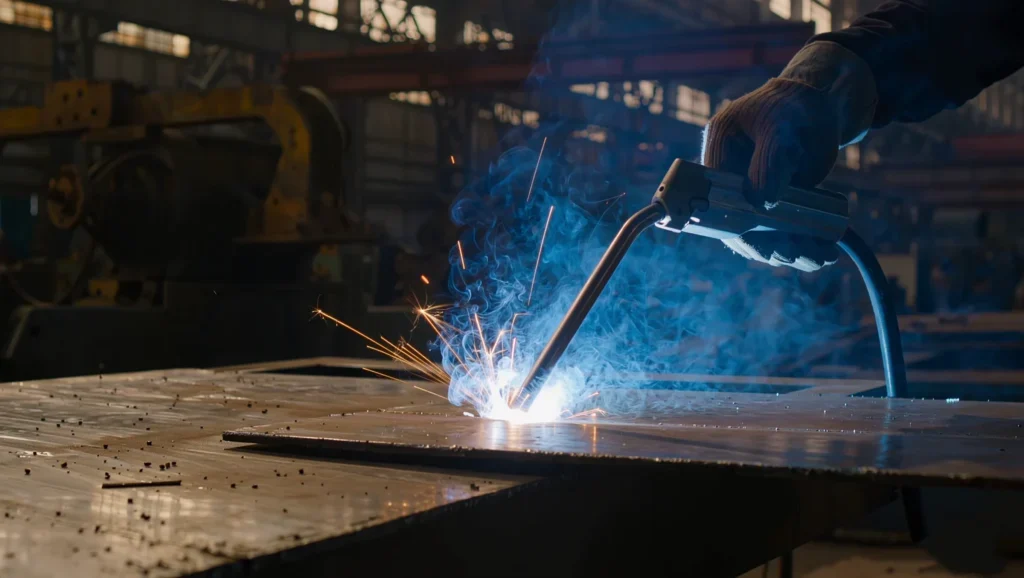
- Arc temperature: The electrical arc is extremely hot and can melt metal almost immediately.
- Weld-pool temperature: The pool is molten and dangerous even though it is cooler than the arc’s hottest zone.
- Heat-affected zone: Metal beside the weld may not melt, but its properties, color, shape, or coating can change.
- Cooling time: A stopped arc does not mean a safe workpiece; heat can remain in the joint and spread outward.
Why the arc can melt metal so quickly
MIG or gas metal arc welding uses an electrical circuit between the wire electrode and the workpiece When the arc is established resistance and plasma activity convert electrical.
Heat output is influenced by both current and voltage Current largely affects how much wire can melt and how deeply the base metal is penetrated while voltage influences.
Why the whole part does not reach arc temperature
Metal conducts heat away from the weld and the workpiece usually has far more mass than the small weld pool This spreads energy through the joint and into.
Contact with a welding table or fixture also changes the result A heavy steel fixture can draw heat away quickly while a loosely supported thin panel may retain.
What Controls MIG Welding Heat Input?
Knowing how hot is MIG welding becomes more useful when you connect temperature to heat input Heat input is the energy delivered to a length of weld not.
For a practical approximation heat input increases as voltage and amperage rise and decreases as travel speed increases Welding efficiency and transfer mode also affect how much electrical.
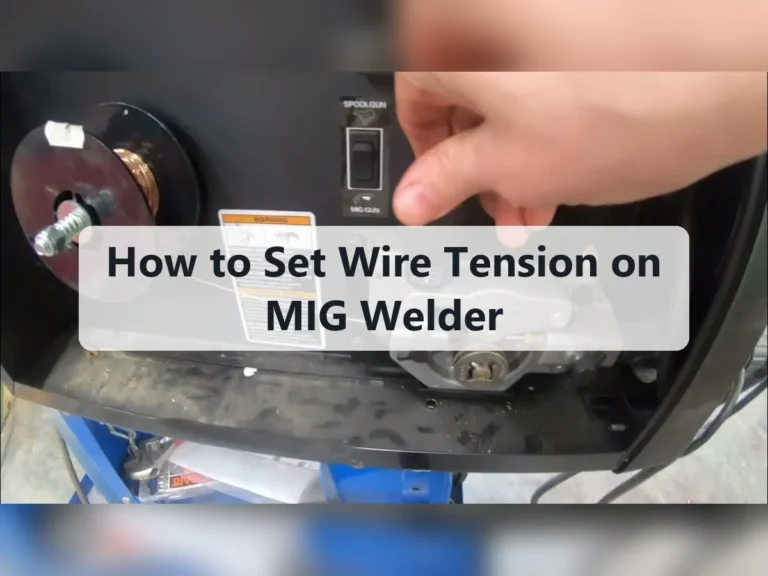
Wire feed speed is especially important on a MIG machine In many conventional setups increasing wire feed speed increases amperage because more wire must be melted The machine.
- Amperage: More current generally increases melting rate, penetration, and heat delivered to the work.
- Voltage: Higher voltage can lengthen the arc and broaden the bead, but an unsuitable setting may increase spatter or create an unstable arc.
- Travel speed: Moving too slowly concentrates heat and widens the affected area; moving too quickly can produce weak fusion.
- Duty cycle: Long welds and repeated operation can heat the machine, gun, cable, and workpiece even when each individual weld looks acceptable.
Wire feed speed and amperage
Wire feed speed is often the first control used to match a MIG process to material thickness More wire entering the arc requires more energy to melt which.
If wire feed is too low the arc can become long and erratic with poor deposition and insufficient fusion The right setting creates a stable transfer consistent bead.
Voltage and arc length
Voltage affects arc length and bead profile. Too little voltage can make the arc short, cold-feeling, and prone to stubbing. Too much voltage may flatten the bead excessively, increase spatter, or cause an unstable arc and poor shielding.
Voltage is not simply a heat dial A higher value can increase total power but the actual result depends on wire feed speed polarity gas transfer mode stickout and travel speed Adjust one variable at a time when troubleshooting so you can.
Travel speed, stickout, and work angle
Slow travel gives heat more time to enter the joint It can improve fusion on heavy material but on thin sheet it commonly causes burn-through excessive bead width.
Electrode stickout also matters Excessive distance between the contact tip and work can preheat the wire before it reaches the arc reducing arc energy and making the process.
How Material Thickness and Type Change the Heat
Material determines how quickly heat spreads how much energy the joint can absorb and how likely the part is to warp Steel stainless steel and aluminum may all.
Mild steel is comparatively forgiving because it absorbs and conducts heat in a familiar way but thin sheet can still burn through easily Stainless steel often shows heat.
Surface condition matters too. Rust, mill scale, paint, oil, moisture, and galvanized coatings can interfere with the arc or release hazardous fumes. Cleaning the joint improves consistency, but it does not eliminate the need for ventilation or appropriate respiratory protection when coatings are present.
- Mild steel: Usually offers a broad operating window, but thin sections are vulnerable to burn-through and warping.
- Stainless steel: Can retain heat near the weld and show blue, purple, or straw-colored discoloration.
- Aluminum: Conducts heat quickly, often needs higher output for the same thickness, and can suddenly collapse once the surface becomes hot.
- Coated metal: Paint, zinc, oil, and other contaminants can create fumes, porosity, or an unstable arc.
Thin sheet metal
Thin material has little mass to absorb heat, so its temperature rises rapidly. The most common signs of excessive heat are holes, a sagging edge, a broad discolored area, and a panel that moves out of alignment as the weld cools.
Use short welds alternating locations and brief pauses rather than trying to run one uninterrupted bead across a thin panel Copper backing can help support an edge and.
Thick plate and large joints
Thick material often absorbs heat faster than a small machine can deliver it A cold plate can chill the weld pool reduce penetration and make the bead appear.
Multiple passes can distribute the weld volume, but each pass adds more heat. Clean slag-like contamination or surface residue between passes when using a process that creates it, inspect the joint, and control interpass temperature when the material or application requires that level of control.
Aluminum and stainless steel considerations
Aluminum often gives a misleading visual signal It can look relatively cool until the surface suddenly loses strength and the joint falls through The oxide layer also melts.
Stainless steel may remain structurally sound while showing strong heat tint Excessive heat can reduce corrosion resistance near the weld or create distortion that is difficult to correct.
Visible Signs: Normal Welding Heat or a Real Problem?
Appearance can help you judge a weld but it should never replace safe handling A bright arc and glowing droplets are normal parts of MIG welding The concern.
The color of hot steel is only a rough indicator because ambient light surface finish alloy scale and oxidation affect what you see Dark red metal is still.
- Normal behavior: A stable arc, controlled puddle, moderate spatter, and a bead that ties smoothly into both edges.
- Too much heat: Burn-through, excessive penetration, a very wide bead, panel warping, or a large heat-tinted area.
- Too little effective heat: Poor fusion, a tall bead, lack of penetration, cold lap, or a wire that stubs repeatedly.
- Potential contamination: Pinholes, bubbling, black soot, excessive spatter, or a rough irregular bead caused by poor shielding or dirty metal.
Burn-through and excessive penetration
Burn-through occurs when the weld pool removes more support than the base metal can provide It is common on thin sheet wide gaps rusty edges and joints welded.
Reduce heat per pass, tighten the fit-up, shorten the weld segments, and allow the work to cool between stitches. A smaller wire may provide better control on thin material, provided the machine, liner, contact tip, and settings are compatible. This distinction matters when answering “how hot is mig welding”.
Warping and distortion
Welding heats metal unevenly. As the hot zone expands and then contracts during cooling, it can pull a panel, flange, or frame out of position. Distortion is more likely when the joint is long, thin, highly restrained, or welded from only one side.
Reduce distortion by improving fit-up, using balanced weld sequences, clamping without creating excessive restraint, and placing short welds in alternating locations. Do not assume that more clamps always solve the problem; extreme restraint can increase residual stress and may contribute to cracking in susceptible joints.
Spatter, porosity, and an unstable puddle
Spatter is not a direct thermometer, but excessive spatter often indicates mismatched voltage and wire feed speed, incorrect polarity, excessive stickout, contaminated material, or inadequate gas coverage. A turbulent or unstable puddle can transfer heat unpredictably and leave a rough, weak-looking bead.
Porosity appears as holes or pinholes in the weld and may result from wind, leaks, an obstructed nozzle, insufficient gas flow, dirty steel, or moisture. Correct the shielding problem before simply increasing heat. More amperage cannot compensate for atmospheric contamination in the weld pool.
How to Control Heat on a MIG Welding Job
Heat control starts before the arc is struck Select wire and shielding gas for the material clean the joint confirm polarity check the machine s recommended range and.
The goal is not always to use the lowest possible setting Insufficient heat can produce a visually neat bead that is merely sitting on top of the joint.
- Test first: Match the scrap material, thickness, joint type, wire, and gas as closely as practical.
- Use stitch welds: Short alternating welds often reduce distortion on thin or long parts.
- Watch the puddle: Keep the arc and molten pool at the leading edge rather than letting the puddle run ahead.
- Improve fit-up: Consistent contact and a controlled gap reduce the need for excessive filler and heat.
Use the machine chart as a starting point
Manufacturer charts commonly pair material thickness with wire diameter, wire feed speed, voltage, gas type, and polarity. These values are not guarantees because joint position, fit-up, shielding, machine calibration, and operator technique affect the result.
After setting the machine, listen to the arc and observe the bead. A stable sound and smooth deposition are useful clues, but inspect the finished weld as well. Cut-and-etch testing, bend testing, or other inspection methods may be needed when strength or code compliance matters.
Control bead length and welding sequence
Long continuous beads put substantial heat into a joint and allow distortion to accumulate Breaking the weld into manageable segments can lower average heat input and give each.
Do not use a sequence that traps contaminants or leaves inaccessible sections unwelded. Heat control must support the required weld quality, not replace proper joint design or inspection.
Preheating and cooling
Preheating can reduce thermal shock and help achieve fusion in some heavy or difficult materials. It can also raise total heat input and increase distortion if used unnecessarily. The material, thickness, carbon content, restraint, and service requirements determine whether it is suitable.
Allowing a part to cool naturally is usually safer than quenching it with water oil or compressed air Rapid cooling can increase distortion affect material properties scatter hot.
MIG Welding Temperature Safety
The arc molten droplets hot metal ultraviolet radiation fumes and compressed shielding gas all create hazards The fact that MIG welding is often used for light fabrication does.
Wear a properly rated welding helmet with the correct shade, flame-resistant clothing without exposed synthetic fabric, welding gloves, sturdy footwear, and eye protection under the helmet when appropriate. Cover skin because arc radiation can burn exposed areas much like severe sun exposure.
- Prevent fires: Remove combustibles, inspect the opposite side of the joint, and keep suitable fire-control equipment accessible.
- Ventilate fumes: Use local exhaust or appropriate respiratory protection, especially around coatings, stainless steel, galvanized metal, and confined spaces.
- Handle safely: Mark or isolate hot parts and use pliers, tongs, or heat-resistant gloves instead of bare hands.
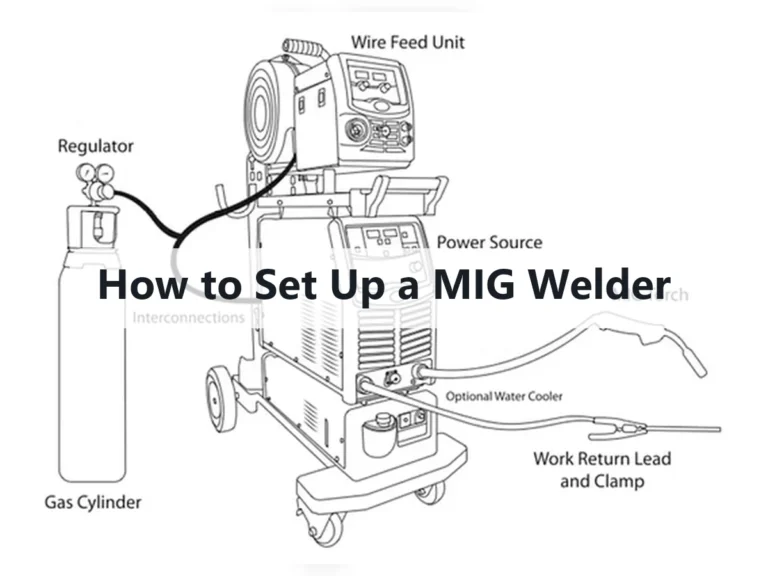
- Protect equipment: Keep the gun, cables, regulator, and gas cylinder away from sparks, sharp edges, heat, and traffic.
Why galvanized and painted metal needs special care
Heating zinc coatings can produce hazardous metal fumes, while paint, oil, and unknown finishes may release harmful combustion products. Remove coatings from the weld area using an appropriate method, provide effective ventilation, and determine what the coating contains before welding.
Cleaning a small visible patch is not enough if heat will reach the reverse side or nearby coated surfaces. Never weld a closed container, tank, drum, or pipe that may contain flammable residue unless it has been properly cleaned, tested, and prepared by qualified personnel.
When a hot workpiece is safe to move
There is no universal cooling time. A thin tab may cool quickly, while a heavy plate, boxed section, or joint connected to a large assembly may remain hot for a long time. Ambient temperature, airflow, material mass, and weld size all matter.
Use a noncontact temperature method when a known temperature limit matters, or follow the procedure’s specified handling range. Keep warning marks in place until the part is safe, and remember that heat can be hidden inside tubes, corners, and layered assemblies.
How Hot Is MIG Welding Compared With Other Processes?
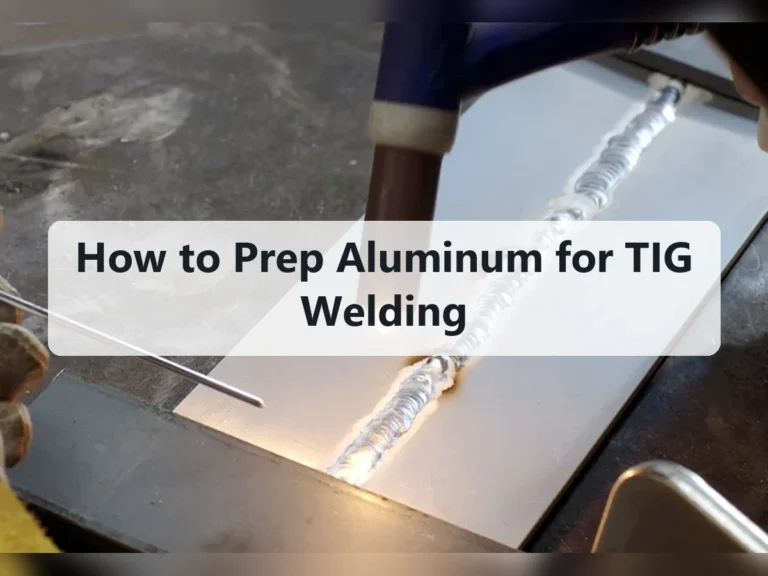
Comparing processes by maximum arc temperature can be misleading TIG stick flux-cored and MIG welding all create extremely hot arcs but their practical heat input penetration shielding deposition.
MIG is valued for continuous wire feeding and relatively high productivity It can put heat into a joint quickly especially at higher wire feed speeds TIG generally offers.
| Process | Practical heat behavior | Typical control consideration |
|---|---|---|
| MIG | Continuous wire and adjustable transfer can deliver heat quickly and consistently. | Match wire feed, voltage, gas, polarity, and travel speed. |
| TIG | Highly controllable arc and filler addition can limit or concentrate heat. | Travel speed and foot-pedal or amperage control strongly affect the puddle. |
| Stick | Arc heat and electrode consumption vary with rod type and technique. | Arc length, rod angle, amperage, and slag control are important. |
| Flux-cored | Can provide high deposition and penetration, with or without external gas depending on wire. | Polarity, gas selection, stickout, and slag removal must match the wire. |
Why temperature alone is a poor comparison
Two processes may have similar arc-temperature estimates but produce very different results on the same joint. Efficiency, deposition rate, transfer mode, bead size, travel speed, and shielding determine how much heat remains in the workpiece.
For a repair, choose the process that gives the required penetration and control for the material, position, environment, and operator. Do not select a process solely because its arc is advertised as hotter or cooler.
Common MIG Heat Problems and Fixes
Most heat-related MIG problems have more than one possible cause. Diagnose the bead, the joint, the machine settings, and the material together. Changing several controls at once can hide the original problem and make the next weld harder to interpret.
- Hole in thin metal: Check travel speed, wire size, gap, amperage, and whether the joint can be welded in short sections.
- High bead with poor fusion: Check for insufficient current, excessive travel speed, incorrect polarity, or a contaminated surface.
- Wide distorted panel: Reduce heat per unit length and improve sequence, fit-up, and temporary support.
- Heavy spatter: Check voltage-to-wire-feed balance, stickout, gas coverage, polarity, and nozzle condition.
The weld looks cold even at a high setting
A high machine setting does not guarantee effective heat at the joint Long stickout poor grounding incorrect polarity rust mill scale or traveling too fast can prevent energy.
Inspect the ground connection, clean the metal, shorten excessive stickout, verify polarity, and run a controlled test. If the bead still lacks fusion, compare the result with a cut section or another suitable inspection method rather than judging only its surface appearance.
The weld is too hot despite modest settings
Thin material, slow travel, tight restraint, repeated passes, and a small heat sink can make a moderate setting excessive. The operator may also be dwelling at the ends of the joint or weaving too broadly, placing energy over a larger area than intended.
Use shorter segments, move steadily, reduce unnecessary weaving, and alternate weld locations. If the material continues to overheat, reconsider the joint design and whether the selected wire diameter and process are appropriate.
FAQ About How Hot Is MIG Welding
Can MIG welding melt steel?
Yes. MIG welding is specifically designed to melt the filler wire and fuse the edges of steel or other compatible metals. The arc is hot enough to melt steel locally, while the surrounding workpiece remains below its melting point unless excessive heat causes burn-through.
How hot does a MIG weld stay after the arc stops?
It depends on weld size, material thickness, part mass, ambient conditions, and heat flow into fixtures. The bead and nearby metal can remain hot enough to burn skin well after the arc stops, even when they no longer glow.
Can MIG welding start a fire?
Yes. Sparks, molten droplets, radiant heat, and hot workpieces