How Much Does a Underwater Welder Get Paid: Practical Resource
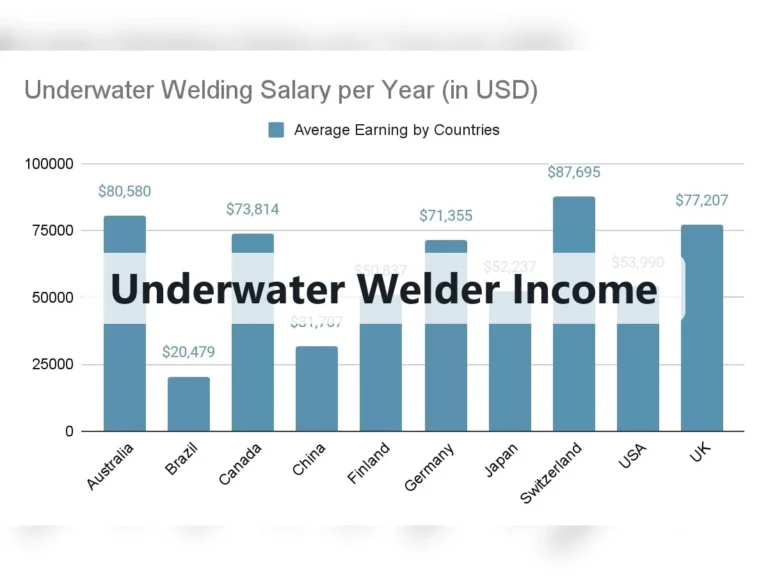
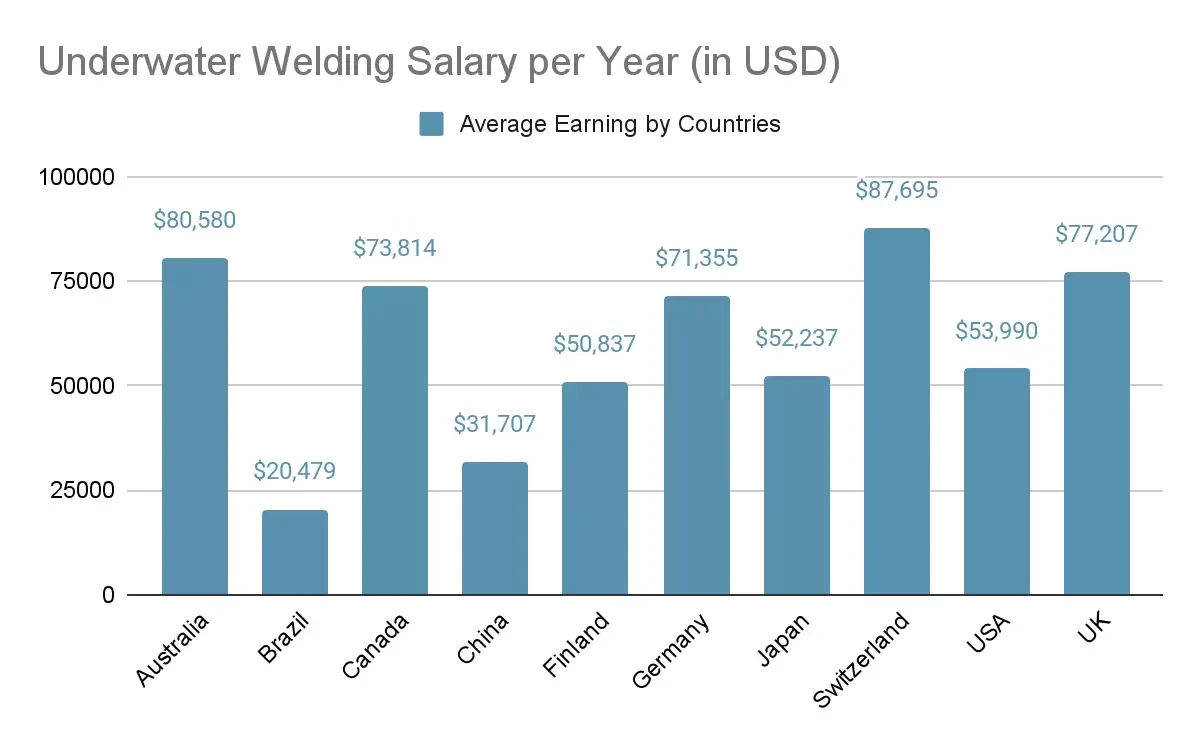
An underwater welder in the United States commonly earns about $40,000 to $100,000 annually, while experienced offshore specialists may earn more with overtime and allowances.
When people ask how much does a underwater welder get paid the most important detail is that the job title covers several very different working conditions A beginner.
The timing of a career move also matters Before training you need to compare the cost of commercial-diving school with realistic entry-level pay after certification you need to.
- ✓U.S. underwater-welding pay commonly falls between roughly $40,000 and $100,000 per year, but the range is broad.
- ✓Offshore, deep, emergency, and technically demanding work can pay more than routine inland assignments.
- ✓Annual income depends on billable dive time, overtime, travel allowances, location, and how consistently projects are available.
- ✓Commercial-diving credentials, welding qualifications, documented experience, and safe work habits matter more than the job title alone.
- ✓A high daily rate may not produce high yearly income if work is seasonal, unpaid between projects, or expensive to reach.
How Much Does a Underwater Welder Get Paid
There is no single national wage for underwater welders because the occupation combines two specialties commercial diving and welding or cutting underwater Employers may pay a diver by the hour day project scheduled hitch or salary.
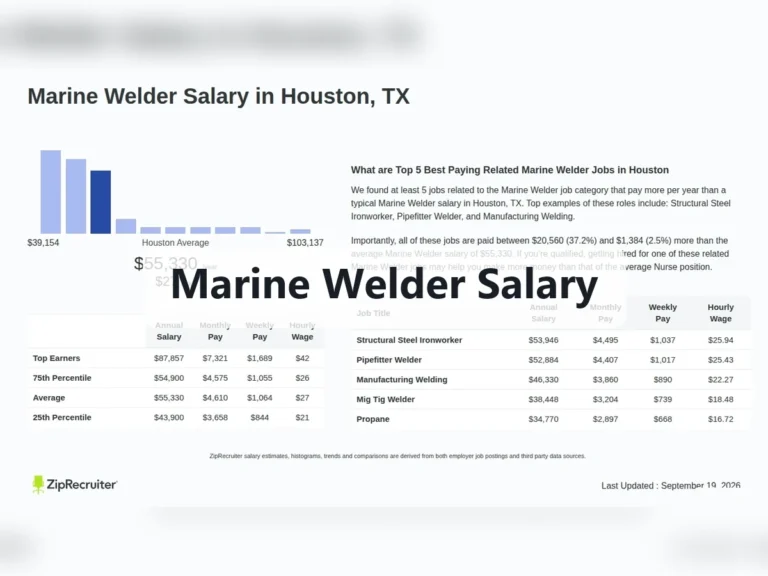
A practical planning range for many U S workers is approximately 40 000 to 100 000 per year Entry-level workers may earn near the lower end while building.
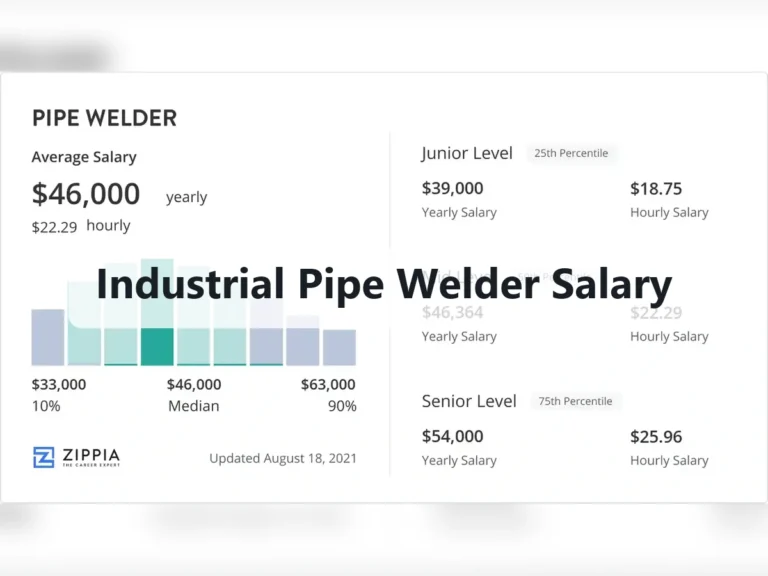
- Entry level: Often around $40,000 to $60,000 when work is local, seasonal, or supervised.
- Experienced inland: Commonly about $55,000 to $85,000 when the diver can handle varied inspections, repairs, and maintenance.
- Offshore or specialized: Frequently $75,000 to $100,000 or more when rotations, overtime, risk, and technical demands are substantial.
- Top-end possibility: Higher totals are possible, but they usually reflect unusual schedules, premium assignments, extensive overtime, or senior responsibility rather than a guaranteed base wage.
These figures are best used as planning ranges not promises A worker who earns a high rate during a busy six-month period may finish the year with less.
What Actually Determines an Underwater Welder’s Income?
The strongest salary differences come from the type of work rather than the word “welder” in the title. Underwater construction, ship repair, bridge inspection, salvage, offshore energy, nuclear-facility support, and municipal infrastructure each have different budgets, schedules, hazards, and qualification requirements.
Experience helps but it is not simply a matter of counting years Employers value a diver who can prepare equipment correctly read drawings communicate with the surface team.
- Work setting: Offshore and heavy industrial projects often pay more than routine local maintenance because travel, logistics, and risk are greater.
- Technical range: Welding, burning, nondestructive testing, rigging, inspection, and hydraulic-tool skills can improve assignment options.
- Availability: Workers who can travel or accept rotating schedules may qualify for more work than those limited to one metro area.
- Documentation: Current credentials, dive logs, medical clearance, and verifiable project history make premium work easier to access.
Experience and responsibility
A beginner normally works under close supervision and may perform support tasks, equipment preparation, surface tending, basic inspection, or simpler repairs. That stage is valuable because commercial diving is team-based, and employers need evidence that a new diver understands procedures before assigning complex underwater welding.
As experience grows, a diver may take on more difficult conditions, supervise newer workers, operate specialized tools, interpret inspection requirements, or coordinate with a dive supervisor and client representative. Pay often rises when the worker reduces risk and keeps the project moving, not merely because the worker can strike an arc underwater.
Location and local demand
Coastal regions with ports, shipyards, offshore activity, and marine construction may offer more opportunities. Inland markets can still support strong careers through dams, water-treatment facilities, bridges, power plants, aggregate operations, and commercial diving contractors, but the number and type of assignments may be different.
Cost of living also affects whether a wage is attractive. A higher hourly rate in an expensive coastal market may not provide more purchasing power than a lower rate in a smaller inland community. Compare the complete compensation package with housing, travel, taxes, insurance, and time away from home.
Type of welding and inspection work
Underwater welding may involve wet welding where the arc operates directly in the water or specialized dry or hyperbaric welding where the work area is enclosed and water.
Many commercial divers also perform work that is not welding. Ultrasonic testing, visual inspection, cutting, rigging, concrete repair, anode replacement, photography, and marine construction can make a worker more useful across projects. A broader skill set can reduce downtime between welding assignments.
How Pay Structures Work for Commercial Divers
The advertised rate is only one part of compensation. Underwater welders may be employees, temporary workers, union members, or independent contractors. Each arrangement changes how benefits, taxes, equipment, travel, and downtime affect take-home pay.
Hourly pay is easy to compare when the schedule is stable, but dive work may not provide a normal forty-hour week. A project can involve preparation, travel, weather delays, equipment checks, standby periods, and demobilization. Ask which of those hours are paid before comparing two offers.
- Base rate: Confirm whether the quoted amount applies to dive time only, all scheduled hours, or a full workday.
- Overtime: Ask when overtime begins and whether long hitches, weekends, or extended rotations receive premium pay.
- Allowances: Separate wages from per diem, lodging, travel reimbursement, meals, and offshore or hazard differentials.
- Downtime: Find out whether weather delays, standby, training, and travel between sites are paid.
Hourly, daily, and project rates
An hourly wage is most useful when the employer controls a predictable schedule and pays for required preparation. A daily rate can look more attractive, but you need to know how many hours the day includes, whether the rate applies during standby, and whether the worker covers transportation or lodging. This distinction matters when answering “how much does a underwater welder get paid”.
Project rates require even more caution. A fixed amount may reward speed and efficiency, but it can also shift schedule risk to the diver. Delays caused by weather, permits, visibility, equipment, or the client may reduce the effective hourly income if the contract does not address them.
Overtime and rotation schedules
Many higher annual totals come from long workdays, extended rotations, nights, weekends, or emergency callouts. That income can be real, but it should not be confused with a permanent base salary. A worker may earn substantially more during a busy season and then have fewer available assignments afterward.
Rotation schedules can also reduce commuting costs because the employer may provide lodging near the worksite. On the other hand, time away from home can affect childcare, relationships, health, and recovery. Treat the schedule as part of compensation, not as a minor footnote.
Benefits and contractor costs
An employee package may include health insurance, retirement contributions, paid training, workers’ compensation coverage, and paid time off. A contractor may receive a larger gross rate but pay for insurance, accounting, transportation, tools, certifications, and periods without work.
To compare offers, estimate annual net value rather than multiplying the highest quoted rate by forty hours and fifty-two weeks. A simple comparison should include expected paid hours, overtime, allowances, benefits, travel costs, taxes, and realistic gaps between projects.
Offshore, Inland, and Specialized Underwater Welding Pay
Where the work happens strongly influences earnings. Offshore jobs may involve oil and gas facilities, wind farms, subsea construction, platform maintenance, or vessel support. Inland work may involve bridges, dams, locks, reservoirs, treatment plants, power facilities, and local marine contractors.
Offshore compensation often reflects difficult logistics and extended time away. A diver may need to travel by helicopter or vessel, work in changing weather, follow strict client procedures, and live on a rotation. Those conditions can raise the total package, but they also make the work less accessible to beginners.
- Offshore: Higher potential earnings, longer rotations, stricter logistics, and greater dependence on project cycles.
- Inland commercial: More varied local work and potentially easier home life, though rates and project volume vary by region.
- Shipyard and port: Regular marine repair opportunities may provide useful experience, with pay shaped by union status, employer scale, and workload.
- Emergency or specialty: Short-notice assignments may pay a premium but require immediate availability and strong readiness.
Why offshore work can pay more
Offshore work is expensive to organize. Vessels, cranes, communications, decompression systems, safety teams, permits, and specialized equipment must be coordinated before a diver enters the water. A qualified worker who can operate effectively within that system contributes to a high-cost project where delays can be expensive.
Premium pay is not automatic, however. Some offshore jobs offer a strong daily rate but limited annual rotations. Others include travel days or standby in the rotation without paying the same amount for every day.
Read the schedule and compensation language carefully.
Why inland work may still be financially attractive
Local or regional work can reduce travel expenses and make it easier to maintain a steady schedule. A diver may build experience across inspections, repairs, construction, and utility projects while staying close to home. Consistency can matter more than a headline rate.
Inland work may also provide a practical entry route. New divers can develop safe habits, learn how commercial crews function, and build a documented history before competing for offshore positions. The best first job is not always the one with the highest initial number.
Training, Certifications, and Skills That Raise Earning Potential
Underwater welding is not a shortcut into commercial diving. Employers generally expect recognized commercial-diving training, medical fitness for diving, and the ability to meet applicable workplace and project requirements. Welding qualifications may be required separately, especially when the work must meet a particular code or client specification.
Training choices should be evaluated by outcomes rather than marketing language. Compare the school’s curriculum, hands-on dive time, equipment exposure, instructor experience, employer relationships, graduation record, total cost, and what credentials graduates actually receive.
- Commercial-diving foundation: Learn surface-supplied diving, communications, equipment procedures, emergency response, and safe team operations.
- Welding capability: Build strong surface-welding fundamentals before treating underwater welding as a specialty.
- Inspection skills: Add visual inspection, measurement, reporting, and testing knowledge where the local market values it.
- Physical readiness: Maintain the fitness, medical clearance, and recovery habits needed for demanding work.
Credentials versus real capability
A certificate can help you meet an employer’s screening requirements, but it does not replace judgment. Supervisors need to trust that a diver will inspect equipment, communicate clearly, recognize changing conditions, and stop when a job is no longer safe. Keep these limitations in mind when considering “how much does a underwater welder get paid”.
Useful additional skills may include rigging, hydraulic tools, burning, pipe work, blueprint reading, nondestructive testing, confined-space procedures, and first aid. The best combination depends on the employers and projects in the region where you intend to work.
The cost of entering the field
Commercial-diving education can require a significant upfront investment. Tuition is only one cost; include housing, transportation, protective equipment, medical examinations, certifications, and living expenses while training. Financing a program makes the future wage more important because loan payments continue during slow periods.
Before enrolling, contact several employers and ask what entry-level qualifications they actually require. This does not guarantee a job, but it can reveal whether a program’s training matches the market you plan to enter.
Risks, Limitations, and the Reality Behind the Salary
Underwater welding combines electrical work, diving, heavy equipment, pressure, limited visibility, currents, cold, entanglement hazards, and industrial environments. The compensation reflects skill and working conditions, but no salary makes unsafe procedures acceptable.
Income can also be physically and financially uneven. A diver may be highly paid while assigned to a project but have unpaid time between contracts, restricted availability after an injury, or difficulty continuing the work indefinitely. Consider the career’s long-term sustainability before using a high-income example as your personal forecast.
- Follow the dive plan: Do not improvise around communications, gas supply, tending, decompression, or emergency procedures.
- Respect welding controls: Electrical isolation, grounding, equipment inspection, and surface-team coordination are essential.
- Track exposure: Cold, fatigue, noise, pressure changes, and repetitive heavy work can affect performance and health.
- Value stop-work authority: A reputable employer should support stopping for unsafe conditions rather than rewarding unnecessary risk.
Physical demands and career length
The job can involve lifting, awkward positions, long periods in cold water, repetitive tool use, and stressful conditions. A worker who protects hearing, joints, cardiovascular health, and recovery capacity may be better positioned to remain employable over time.
Some experienced divers eventually move into supervision, inspection, project coordination, estimating, safety, training, or marine operations. Planning for those options can make the career more resilient if full-time diving becomes less practical.
Seasonality and project gaps
Weather, permits, budgets, environmental restrictions, vessel availability, and maintenance cycles can delay projects. A high annual estimate should therefore be based on realistic utilization: how many weeks you expect to work, not how much you could earn during the busiest possible week.
Keep an emergency fund and avoid assuming overtime will always be available. Ask employers how often crews experience gaps, whether workers are retained between projects, and how much advance notice is typical.
How to Evaluate an Underwater Welder Job Offer
When comparing offers, start by converting every option into an estimated yearly picture. Write down the base rate, expected paid hours, overtime rules, rotation length, travel days, allowances, benefits, deductions, and likely unpaid gaps. This prevents a daily rate from hiding a weak overall package.
Also evaluate the quality of the work. A slightly lower starting wage may be worthwhile if it provides supervised dive experience, credible project documentation, welding practice, and a path to better assignments. A high rate with poor safety practices can damage both your health and your future employability.
- Ask about actual schedules: Request a typical month, not just the maximum available hours.
- Clarify pay triggers: Determine whether preparation, travel, standby, weather delays, and demobilization are compensated.
- Review expenses: Identify who pays for lodging, meals, transportation, equipment, medical renewals, and certifications.
- Check advancement: Ask what qualifications or performance milestones lead to higher rates.
- Calculate gross annual pay: Multiply the realistic paid schedule by the base and overtime rates.
- Add dependable extras: Include guaranteed allowances and employer-paid benefits, but exclude uncertain bonuses.
- Subtract work-related costs: Account for travel, equipment, insurance, training renewals, taxes, and unpaid gaps.
- Compare the lifestyle: Consider rotations, physical demands, commute, family obligations, and recovery time.
- Assess the learning value: Decide whether the job builds skills that qualify you for better work later.
Questions to ask before accepting
Ask whether the position is hourly, salaried, daily, or project-based. Confirm the expected dive environment, typical water conditions, tools used, supervision structure, schedule, travel requirements, and advancement process.
It is also reasonable to ask how the company handles equipment maintenance, medical emergencies, training, and safety reporting. An employer that avoids clear answers about pay or safety deserves additional scrutiny.
FAQ: How Much Does a Underwater Welder Get Paid?
Can an underwater welder make six figures?
Yes, some experienced workers can reach or exceed $100,000 in a strong year, particularly through offshore work, overtime, specialized assignments, or long rotations. It is not a guaranteed base salary for every underwater welder.
The key question is whether the amount is repeatable. Review the number of paid weeks, overtime dependence, travel costs, and project gaps before treating six figures as a normal expectation.
Do underwater welders get paid more than regular welders?
They can, because the work requires commercial-diving ability in addition to welding skill and may involve greater logistics, hazards, and specialized equipment. However, a commercial welder with steady year-round hours and strong benefits may have a better overall financial situation than a diver with irregular premium assignments.
What is the starting pay for an underwater welder?
Starting pay commonly falls toward the lower end of the broad U.S. range, often around $40,000 to $60,000 annually when work is available consistently. Actual entry pay depends on location, training, welding ability, employer type, and whether the worker is assisting on commercial-diving projects or performing more advanced work.
Does offshore underwater welding always pay more?
No. Offshore work often has higher earning potential, but the annual result depends on how many rotations are offered, whether travel and standby are paid, and how much time passes between projects. A local job with steady hours can produce more dependable yearly income.
Are underwater welders paid hourly or by the day?
Both arrangements are common, along with project rates and salaries. Always ask which activities count as paid time and whether the quoted rate includes overtime, lodging, meals, travel, equipment, or other expenses.
What qualifications help an underwater welder earn more?
Commercial-diving training, strong surface-welding fundamentals, documented dive experience, relevant welding qualifications, inspection skills, rigging ability, and a safe work record can improve earning potential. The most valuable credentials are the ones recognized by employers serving your target market.
Is underwater welding a stable career?
It can provide a solid career, but stability varies by region, specialty, employer, weather, and project cycles. Divers who develop multiple commercial skills and remain open to related inspection, construction, supervision, or marine-operations roles may have more consistent options.
Conclusion
So, how much does a underwater welder get paid? A realistic U.S. planning range is roughly $40,000 to $100,000 per year, with higher totals possible for experienced offshore and specialized workers. The final result depends on paid project time, overtime, location, qualifications, benefits, travel, and the costs of maintaining a commercial-diving career.
Because the work carries serious safety and lifestyle demands, compare a complete employment package rather than chasing the largest advertised rate. Training quality, employer safety practices, predictable scheduling, and transferable skills can matter as much as first-year pay.
Before paying for training or accepting an offer, build a one-year income estimate using realistic paid weeks, all expenses, overtime assumptions, and the credentials employers in your target region actually request.