Welding DVD Training: Essential Information and Useful Advice
A new welder can spend hours watching a bead form and still be unsure why the joint looks weak, uneven, or contaminated. A well-made instructional disc can slow that process down, show the torch or electrode from a useful angle, and connect a visible technique to the result on the metal.
Welding DVD training remains useful for beginners, hobbyists, maintenance workers, and experienced welders who want a structured refresher without relying on a constant internet connection. It is not a substitute for supervised practice, but it can make practice more deliberate and less confusing.
I will explain what this type of training includes, how to judge its quality, which welding processes it can cover, and where its limits matter. The goal is to help you choose a worthwhile program and use it safely and effectively.
What Welding DVD Training Includes
Welding DVD training is recorded instruction distributed on one or more physical discs. A program may demonstrate equipment setup, joint preparation, machine adjustments, welding positions, torch or electrode movement, defect identification, and basic shop safety. Some programs focus on one process, while others provide a broad introduction to several methods.
The strongest programs combine spoken explanation with close visual demonstrations. A viewer should be able to see the work angle, travel direction, arc length, filler addition, and finished weld profile. Diagrams, cross-sections, captions, and repeated demonstrations can make technical concepts easier to remember.
Training discs commonly address one or more of these processes:
- Shielded metal arc welding (SMAW), commonly called stick welding, which uses a flux-coated consumable electrode.
- Gas metal arc welding (GMAW), commonly called MIG welding, which feeds a continuous wire electrode.
- Gas tungsten arc welding (GTAW), commonly called TIG welding, which uses a nonconsumable tungsten electrode and often a separate filler rod.
- Flux-cored arc welding (FCAW), which uses a tubular wire containing flux and may use external shielding gas.
- Oxyfuel cutting, brazing, or basic metal preparation, which may appear in broader fabrication courses.
DVDs are usually designed for sequential viewing, although useful programs allow chapters to be selected independently. A learner might watch the setup section first, practice it, and then return to a specific segment about starts, stops, corners, or weld defects.
Who Benefits From a Welding DVD?
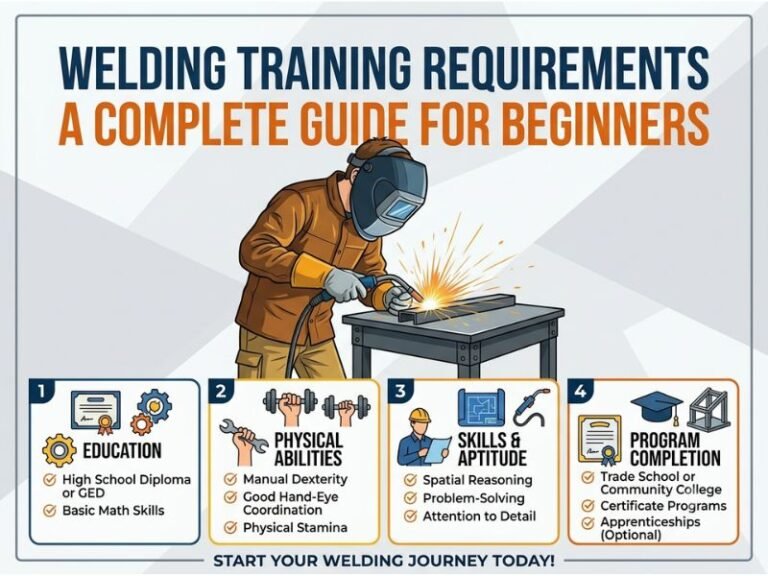
Beginners often benefit most because a disc can introduce vocabulary and shop procedures before the first hands-on session. Learning what a ground clamp, electrode holder, contact tip, tungsten, shielding gas, and welding hood do can reduce confusion at the machine.
Hobby welders can use a program to organize informal learning. Instead of collecting disconnected short videos, a structured course may present joint design, settings, technique, and inspection in a more logical order. That structure is especially helpful for people building a small home workshop.
Experienced welders may also find value in a refresher. A program can review a less familiar process, explain a different joint position, or help a supervisor prepare an introductory demonstration. However, advanced welders should check the publication date and technical depth before expecting specialized instruction.
DVD training is also practical for classrooms, correctional education programs, libraries, and shops with limited internet access. A physical copy can be replayed at a predictable quality and shared under the provider’s licensing terms. It can also serve as a pre-class resource before an instructor evaluates hands-on work.
I would not recommend treating a DVD as a complete qualification program. Welding skill depends on controlled practice, feedback, equipment condition, material identification, and the requirements of the job. A disc can explain these factors, but it cannot observe every movement or confirm that a weld meets a particular code.
What a Quality Program Should Teach
A useful program should begin with safe preparation rather than immediately showing an arc. The opening lessons should identify the machine, cables, work clamp, controls, consumables, ventilation needs, and personal protective equipment. They should also explain the hazards of electricity, ultraviolet radiation, fumes, hot metal, sparks, compressed gas, and fire.
Equipment and setup
Good instruction explains how to connect equipment correctly and how settings relate to the work. Depending on the process, that may include amperage, voltage, wire-feed speed, polarity, shielding gas flow, tungsten selection, electrode diameter, and material thickness.
A responsible program does not present one setting as correct for every machine. It explains that recommended ranges depend on the process, consumable, base metal, joint design, position, and manufacturer instructions. A learner should be directed to the machine manual and consumable data rather than encouraged to copy a number blindly.
Joint preparation and fit-up
Weld quality starts before the arc. The training should cover cleaning, removing paint or coatings, deburring edges, selecting a joint type, aligning parts, controlling gaps, and using suitable clamps. It should make clear that oil, rust, moisture, mill scale, and unknown coatings can affect safety and weld integrity.
Basic joint types include butt, lap, tee, corner, and edge joints. A strong lesson explains why joint geometry influences penetration, access, heat input, and the amount of filler metal needed. Even a simple demonstration of poor fit-up compared with careful fit-up can teach an important practical lesson.
Technique and visual control
The viewer should see more than a bright arc. The camera angle needs to show the leading edge of the weld pool and the relationship between the electrode, torch, filler, and workpiece. Useful explanations cover travel angle, work angle, arc length, travel speed, weaving, pauses, starts, stops, and crater filling.
The instructor should connect technique to visible results. Excessive travel speed may produce insufficient fusion or an undersized bead. Excessive heat or slow travel can cause burn-through, excessive reinforcement, distortion, or undercut. The exact result depends on the process and material, so examples should be presented as diagnostic guidance rather than universal rules.
Inspection and defects
Welding instruction should show acceptable and unacceptable examples. Common visible problems include porosity, undercut, overlap, spatter, incomplete fusion, inconsistent bead width, arc strikes, crater cracks, and excessive reinforcement. A useful program explains likely causes and corrective actions.
Visual appearance alone cannot prove that a weld is sound. Internal defects may require nondestructive testing, and acceptance criteria may come from a drawing, welding procedure specification, employer requirement, or applicable code. A disc should make that distinction clear.
How to Use a Welding DVD Effectively
Passive viewing produces limited improvement. I recommend treating each chapter as preparation for a specific practice session rather than watching the entire program once and moving on.
- Preview the full program. Note the processes, materials, positions, and skill level covered. Mark chapters that match the equipment available for practice.
- Study safety and setup first. Confirm ventilation, protective equipment, fire control, electrical connections, and material preparation before striking an arc.
- Watch one technique at a time. Focus on a single variable, such as travel speed or work angle, instead of trying to correct everything at once.
- Practice on scrap. Use clean, identified material that is appropriate for the process. Record the machine settings and the visual result.
- Replay difficult sections. Slow-motion playback can help with movement, but it does not replace normal-speed observation of arc behavior and puddle control.
- Inspect the practice weld. Look for continuity, fusion at the toes, crater treatment, porosity, undercut, distortion, and consistency. Use destructive testing only when it can be done safely.
- Seek qualified feedback. An instructor, experienced supervisor, or welding educator can identify problems that a beginner may not notice.
Keeping a practice log improves the learning loop. I suggest recording material type and thickness, process, consumable, polarity, settings, joint position, gas information when applicable, and observations about the finished weld. The log turns vague impressions into comparisons that can guide the next attempt.
Practice should progress from simple to complex. Flat-position beads on clean plate can come before fillet welds, out-of-position work, thinner materials, pipe, or critical joints. Difficulty should increase only after basic control is reasonably consistent.
How to Choose the Right Training DVD
The title alone does not reveal whether a program is useful. Before buying or borrowing a disc, I would evaluate the content, instructor, production quality, technical scope, and compatibility with current equipment.
Match the process to the goal
Choose a program that teaches the process intended for practice. A person preparing to use a wire-feed machine needs GMAW or FCAW instruction, not a general disc devoted primarily to TIG. A program covering several processes may be convenient, but broad coverage can mean less depth in each one.
Check the stated materials and positions. A beginner working with mild steel may not need advanced aluminum or stainless steel instruction at the start. Someone preparing for a fabrication job should look for the joint types and positions used in that workplace.
Check the technical date and standards
Older media can still explain foundational principles, but machine interfaces, consumables, safety practices, and code references may change. Review the publication date and look for a current companion manual or update notice. Any reference to standards should be verified against the current edition and the requirements of the employer or training institution.
A program should not imply that its completion automatically grants certification. Welder qualification normally involves a defined test, specified materials and positions, and evaluation under the applicable procedure or standard. Training content can prepare a learner, but the testing organization determines qualification.
Evaluate the visuals and audio
Welding is difficult to learn when glare hides the puddle or the camera remains too far away. Look for sample footage, screenshots, chapter descriptions, or reviews that indicate whether the arc and work area are visible. Clear narration matters because the viewer needs to understand what the instructor is doing and why.
Captions, diagrams, close-ups, multiple camera angles, and chapter markers add real value. A disc that simply shows long, uninterrupted welds may be entertaining but may not explain enough for skill development.
Consider playback and access
Confirm that the format works with the available player. Some modern computers do not include optical drives, and regional or copy-protection issues may affect playback. A downloadable version, streaming access, or printed manual may be more practical if the disc cannot be used conveniently.
Libraries, schools, and businesses should also review licensing terms. A personal purchase may not automatically permit public screening, classroom duplication, or network distribution.
DVD Training Compared With Other Learning Options
A DVD offers a fixed, organized presentation and dependable offline access. It can be replayed without searching through unrelated videos, and its chapters may provide a clear progression from setup to technique. Physical media is also useful in a shop where internet access is unreliable or where online viewing is restricted.
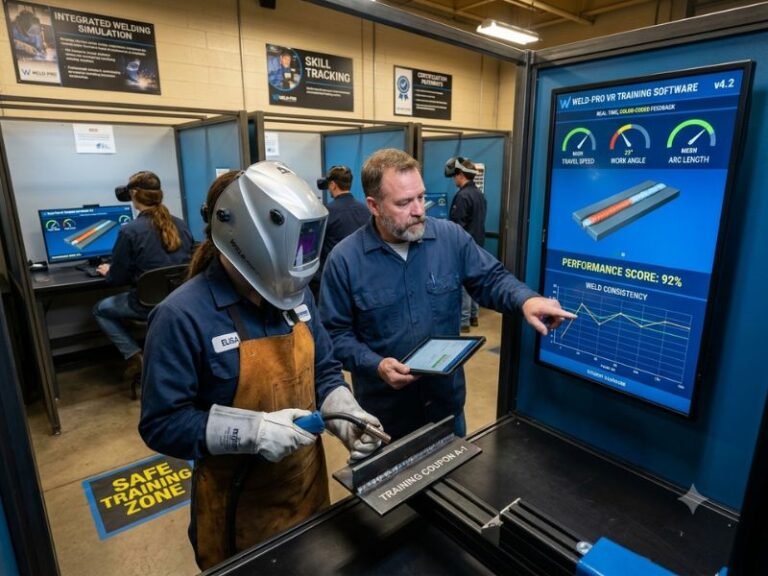
Online video platforms offer more current material and a larger range of instructors. They make it easier to compare techniques and find a demonstration of an unusual joint or material. Their weaknesses include inconsistent quality, missing context, advertisements, broken links, and advice that may not fit the viewer’s equipment or safety conditions.
Books and manuals are valuable for terminology, diagrams, procedure details, and reference tables. They cannot show puddle movement as directly as video, but they may provide information that a disc covers only briefly. A thoughtful learner can use video for visual technique and written references for specifications and review.
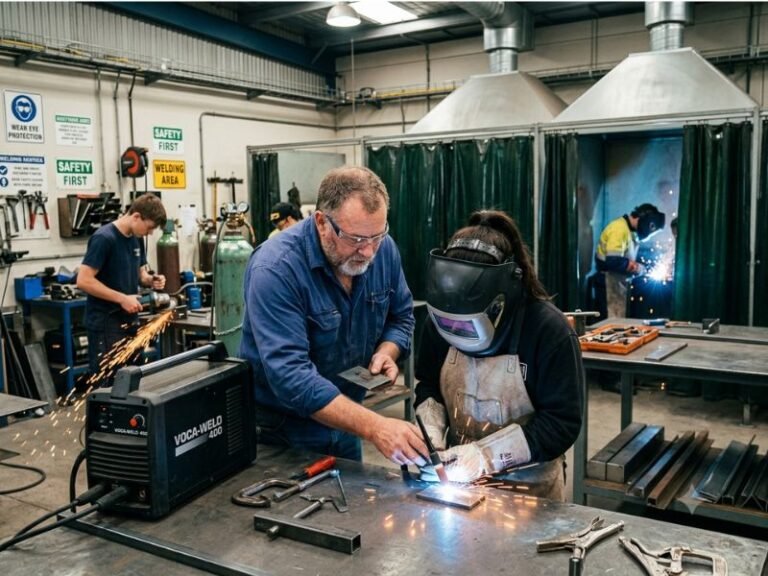
In-person instruction remains the strongest option for correcting physical technique. An instructor can observe posture, torch or electrode control, preparation, and safety behavior in real time. Hands-on training may cost more and require a fixed schedule, but direct feedback is difficult to replace.
For many learners, the best arrangement is combined study: use a disc or online lesson to preview the task, practice under safe conditions, and obtain qualified in-person feedback. The appropriate mix depends on the learner’s experience, equipment, budget, and access to instruction.
Safety Limits of Video-Based Instruction
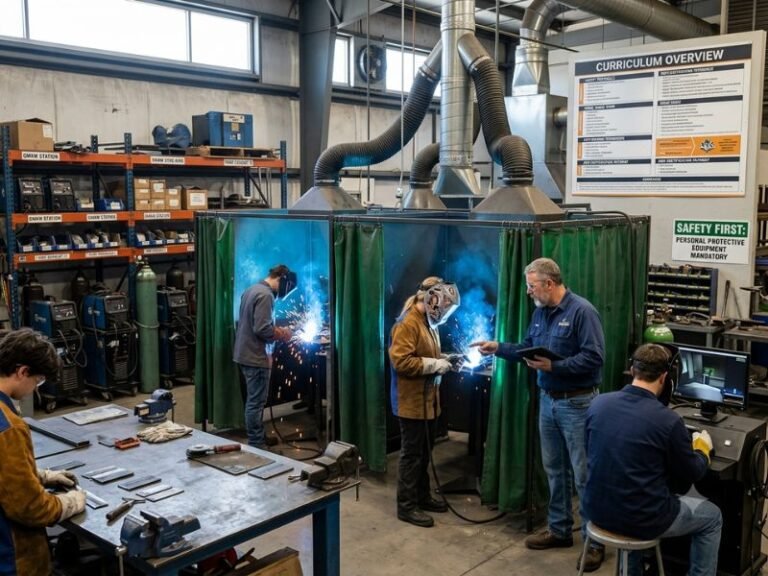
A screen cannot verify the condition of a work area. Before practice, remove combustible materials, control sparks, inspect cables and hoses, secure gas cylinders properly, and provide suitable ventilation. Follow the equipment manufacturer’s instructions and local workplace requirements.
Wear the protective equipment appropriate to the process and task. Typical protection may include a correctly rated welding helmet, safety glasses, flame-resistant clothing, welding gloves, hearing protection, and protective footwear. Clothing should cover exposed skin without loose synthetic fabric that can melt.
Fumes deserve special attention. Coatings, galvanized metal, stainless steel, painted surfaces, and unknown materials may create dangerous exposures. Cleaning or grinding a surface does not automatically make every hazard disappear. If the material or coating is unknown, stop and obtain reliable safety information before heating it.
Never weld a container, drum, tank, pipe, or enclosed object unless it has been properly evaluated and prepared by a qualified professional. Residues and vapors can ignite or explode even when a container appears empty. Video instruction cannot assess a particular object’s history or condition.
Fire prevention is part of welding preparation, not an afterthought. Inspect the area for openings through which sparks can travel, keep suitable fire-extinguishing equipment available, and follow required fire-watch procedures. Hot metal can remain hazardous after the arc stops, so mark or isolate it and allow adequate cooling.
Common Mistakes to Avoid
Buying by title alone
A disc labeled “complete welding course” may devote only a few minutes to each process. I would read the chapter list and description before assuming that it teaches the exact work required. Specific coverage is usually more useful than an impressive title.
Copying machine settings blindly
Settings shown in a demonstration apply to that machine, consumable, material, joint, and position. Copying them without checking the equipment manual can produce poor results or unsafe operation. Use the example to understand relationships, then adjust within appropriate manufacturer guidance.
Ignoring preparation
Beginners sometimes focus on hand movement while leaving rust, oil, paint, or poor fit-up uncorrected. This makes it hard to determine whether a problem comes from technique or preparation. Clean, properly aligned practice pieces provide more useful feedback.
Watching without practicing
Recognition is not the same as control. A viewer may understand what a steady travel speed looks like and still struggle to maintain it. Short viewing-and-practice cycles create more useful repetition than a single marathon session.
Judging quality by appearance only
A smooth bead can still have inadequate fusion, porosity, or an unsuitable profile. Conversely, a visually rough practice weld may reveal a correctable technique issue rather than a complete failure. Use the relevant inspection method and acceptance criteria instead of relying only on shine or uniform color.
Trying advanced work too soon
Pipe, overhead welding, thin sheet, aluminum, and code work can introduce additional variables. Attempting them before basic control is established may create frustration and unsafe habits. Build skill in stages and get qualified supervision for higher-risk or production-critical work.
Frequently Asked Questions About Welding DVD Training
Is Welding DVD training suitable for a complete beginner?
Yes, if the program starts with safety, equipment identification, setup, and basic terminology. A beginner should select instruction that explains the process clearly and then combine it with supervised hands-on practice. A disc alone cannot confirm safe behavior or correct technique.
Can Welding DVD training replace a welding class?
No. It can supplement a class or provide foundational preparation, but an instructor offers direct observation, immediate correction, equipment guidance, and structured practice. A class may also provide access to qualified testing or employer-recognized training that a commercial disc does not provide.
Which welding process should a beginner study first?
The best starting process depends on the intended work and available equipment. Stick welding is useful for certain outdoor and heavy-steel applications, MIG is often approachable for basic fabrication, and TIG offers precise control but generally requires more coordination. The training should match the process available for safe practice.
How can I tell if a DVD demonstrates correct technique?
Look for clear explanations of preparation, safety, settings, angles, travel speed, puddle control, and defect correction. The instructor should acknowledge that results vary with equipment and material. Current references, visible close-ups, and a connection between technique and weld quality are positive signs.
Does finishing a welding DVD course provide certification?
Usually not. Watching or completing a commercial program may provide education or a certificate of completion, but that is different from passing a formal welder qualification test. The employer, testing facility, school, or governing standard determines what credentials are accepted.
Can an old welding DVD still be useful?
Yes, for stable fundamentals such as joint types, arc behavior, and basic terminology. Use additional current sources for safety requirements, machine instructions, consumable data, and standards. Avoid relying on outdated guidance when it conflicts with current manufacturer or regulatory information.
What should I do after watching a welding DVD?
Create a practice plan based on one technique at a time. Prepare the work area, use suitable scrap, record settings, inspect the results, and replay the relevant chapter when a problem appears. Seek feedback from a qualified instructor before applying the skill to structural, pressure-containing, automotive, or otherwise critical work.
Conclusion
Welding DVD training can be a convenient and focused way to learn terminology, observe technique, and prepare for hands-on practice. I consider it most valuable when the content is process-specific, safety-conscious, visually clear, and used alongside current manuals and qualified feedback. Choose a program for the work you intend to perform, practice deliberately, and treat the disc as a learning tool rather than proof of qualification.