Can I MIG Weld with Just Co2: What to Know and Why It Matters
When I talk to aspiring welders or even seasoned hobbyists, a common question often surfaces, especially when they’re looking to save a few dollars on consumables: “Can I MIG weld with just CO2?” It’s a question rooted in a practical desire for efficiency and cost-effectiveness, and it touches on a fundamental aspect of MIG welding gas choices. While pure CO2 is indeed a viable shielding gas for MIG welding, the full answer is more nuanced than a simple yes or no.
Many assume that because CO2 is a component in common mixed gases, it must be universally interchangeable. However, using pure CO2 instead of an argon-CO2 blend introduces distinct differences in arc characteristics, weld appearance, and the overall welding experience. Understanding these differences is crucial for anyone considering this approach, whether they’re working on automotive repairs in a home garage or fabricating light steel structures.
My goal with this article is to demystify the use of pure CO2 for MIG welding. I’ll explain the technical reasons behind its performance, compare it directly with argon-CO2 mixes, and provide practical advice on when and how to use it effectively. By the end, you’ll have a clear understanding of the benefits, drawbacks, and specific applications where pure CO2 shines, helping you make an informed decision for your next welding project.
Understanding MIG Welding Shielding Gas
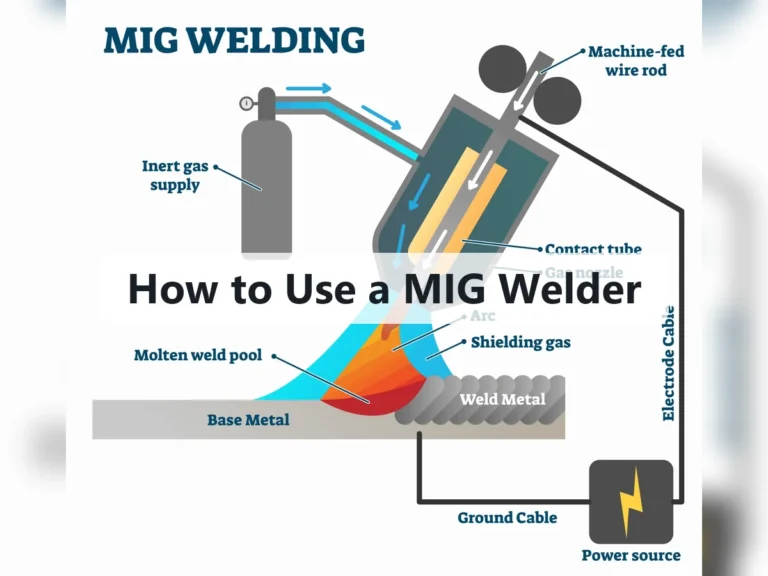
Before diving into the specifics of CO2, it’s important to grasp the fundamental role of shielding gas in MIG (Gas Metal Arc Welding, or GMAW). The primary purpose of shielding gas is to protect the molten weld pool and the electrode wire from atmospheric contamination. Oxygen and nitrogen in the air will react with the hot metal, leading to porosity, brittleness, and a weakened weld. The shielding gas creates an inert or semi-inert envelope around the arc and weld puddle, preventing these detrimental reactions.
Different shielding gases and gas mixtures offer varying properties that influence the welding process. These properties include arc stability, penetration profile, bead appearance, spatter levels, and the transfer mode of the molten metal. The choice of shielding gas is not arbitrary; it’s carefully selected based on the type of metal being welded, the thickness of the material, the desired weld quality, and the specific application.
Common shielding gases include:
- Argon (Ar): An inert gas, primarily used for welding non-ferrous metals like aluminum and stainless steel. It produces a stable arc and minimal spatter.
- Carbon Dioxide (CO2): A reactive gas, commonly used for welding carbon steel. It’s cost-effective but can produce a harsher arc and more spatter.
- Argon-CO2 Blends: The most common choice for MIG welding carbon steel, offering a balance of arc stability, penetration, and reduced spatter.
- Argon-Oxygen Blends: Less common for MIG, but sometimes used for spray transfer on stainless steel.
- Helium (He): An inert gas, often mixed with argon for increased heat input and penetration, especially on thicker materials or non-ferrous metals.
Each gas or blend has a unique impact on the welding process, and understanding these effects is key to achieving high-quality welds.
Can I MIG Weld with Just CO2? The Direct Answer
To directly address the question, can I MIG weld with just CO2? Yes, absolutely. Pure carbon dioxide (CO2) is a perfectly viable and widely used shielding gas for MIG welding, particularly for carbon steel. In fact, it’s one of the oldest and most common choices for this application, especially in industrial settings where cost-effectiveness and deep penetration are priorities.
However, while it’s possible, it’s essential to understand that using pure CO2 will result in a different welding experience and weld characteristics compared to using an argon-CO2 blend. It’s not simply a cheaper alternative that performs identically. The differences are significant enough to influence your technique, the quality of your welds, and the types of projects for which it is best suited.
For many years, pure CO2 was the standard for MIG welding mild steel, especially before argon-CO2 blends became widely popular and accessible. It’s still a go-to for specific applications, particularly when welding thicker materials or in situations where cost is a primary concern. So, while you can certainly do it, knowing the “why” and “how” behind its use is what truly matters.
The Science Behind CO2 as a Shielding Gas
The reason pure CO2 behaves differently from argon or argon-CO2 blends lies in its molecular structure and chemical reactivity. Unlike argon, which is an inert gas and does not react with the weld pool, CO2 is a reactive gas. When heated by the welding arc, the CO2 molecule (CO2) dissociates into carbon monoxide (CO) and atomic oxygen (O).
This dissociation and subsequent recombination process within the arc column has several key effects:
- Heat Generation: The dissociation and recombination absorb and release energy, contributing to a hotter arc. This increased heat helps to break down surface contaminants and provides deeper penetration.
- Arc Characteristics: The reactive nature of CO2 leads to a stiffer, harsher arc compared to the smooth, stable arc produced by argon or argon-rich blends. This stiffer arc can be more challenging to control, especially for beginners.
- Oxidation: The presence of free oxygen in the arc can lead to some oxidation of the molten metal. To counteract this, MIG wires designed for CO2 or CO2-rich blends contain deoxidizers (such as manganese and silicon) that react with the oxygen to form slag, which floats to the surface of the weld pool.
- Globular Transfer: Pure CO2 primarily promotes globular transfer mode, especially at lower voltage settings. In globular transfer, molten metal droplets detach from the electrode wire and fall into the weld pool, often irregularly and with significant spatter. While spray transfer is possible with CO2 at higher voltages and wire feed speeds, it’s less stable and harder to achieve than with argon-rich blends.
Understanding these fundamental chemical and physical interactions helps explain the practical differences you’ll experience when welding with pure CO2.
Advantages of Using Pure CO2 for MIG Welding
Despite some of its challenges, pure CO2 offers several distinct advantages that make it a valuable shielding gas choice for specific applications:
Cost-Effectiveness
This is arguably the biggest draw for many welders. Pure CO2 is significantly cheaper than argon or argon-CO2 mixtures. For hobbyists, small shops, or anyone on a tight budget, the savings on gas can be substantial over time. This makes it an attractive option for projects where cost is a primary concern and the aesthetic demands are less stringent.
Deeper Penetration
The reactive nature of CO2 and the associated arc characteristics result in a hotter arc and deeper penetration into the base metal. This is particularly beneficial when welding thicker materials, as it helps ensure good fusion and strength. For structural welding or heavy fabrication, this deep penetration can be a significant advantage.
Wider Operating Window for Thicker Materials
Because of its deeper penetration capabilities, CO2 can be more forgiving when welding thicker sections of mild steel. It allows for a broader range of voltage and wire feed speed settings while still achieving adequate penetration, which can be helpful in less-than-ideal conditions or when working with less precise equipment.
Good for Outdoor or Drafty Environments
The higher density of CO2 compared to argon means it provides a more robust shield against atmospheric contamination, especially in environments with slight drafts or breezes. While no shielding gas can completely overcome strong winds, CO2 offers a bit more resilience in less-than-ideal conditions, making it suitable for some outdoor or open-shop work.
Excellent for Mild Steel
Pure CO2 is very well-suited for welding mild steel, which is its primary application. It provides the necessary shielding and arc characteristics to produce strong, reliable welds on this common material, especially when using appropriate welding wire containing deoxidizers.
Disadvantages and Challenges of Pure CO2
While the advantages are compelling, especially for cost, it’s crucial to be aware of the drawbacks and challenges associated with using pure CO2:
Increased Spatter
This is perhaps the most common complaint about pure CO2. The globular transfer mode it primarily promotes leads to a significant amount of spatter. These small molten metal droplets fly off the weld pool and stick to the workpiece, nozzle, and surrounding areas. This means more post-weld cleanup, which can negate some of the initial cost savings if extensive grinding or chipping is required.
Harsher, Less Stable Arc
The arc produced by pure CO2 is generally stiffer and less stable than an arc with argon-rich blends. This can make it more challenging to control the weld pool, especially for beginners. It requires a steadier hand and more practice to achieve smooth, consistent beads. The arc can also be noisier and feel more aggressive.
Rougher Bead Appearance
Weld beads created with pure CO2 tend to have a rougher, less aesthetically pleasing appearance compared to the smooth, uniform beads achievable with argon-CO2 mixes. If cosmetic appearance is important for your project, pure CO2 might not be the best choice without significant post-weld finishing.
Limited Transfer Modes
Pure CO2 primarily operates in globular transfer mode. While spray transfer is technically possible at very high voltage and wire feed speed settings, it’s much harder to achieve and maintain stably than with argon-CO2 blends. Short-circuit transfer is also possible but can be very spattery. This limits the versatility of CO2 for different material thicknesses and positions.
Not Suitable for Non-Ferrous Metals
Pure CO2 is reactive and contains oxygen, making it completely unsuitable for welding non-ferrous metals like aluminum, stainless steel, or copper alloys. The oxygen would cause severe oxidation, porosity, and embrittlement in these materials, leading to weak and unacceptable welds.
More Smoke and Fumes
Due to the reactive nature and the formation of deoxidizer byproducts, welding with pure CO2 can generate more smoke and fumes than welding with argon-rich blends. Adequate ventilation and fume extraction are always important in welding, but even more so with CO2.
Comparing Pure CO2 to Argon-CO2 Blends
To truly understand when and why you might choose pure CO2, it’s helpful to see a direct comparison with the most common alternative for mild steel: argon-CO2 blends (typically 75% Argon / 25% CO2, or 80/20, 90/10).
| Feature | Pure CO2 (100% CO2) | Argon-CO2 Blend (e.g., 75/25 Ar/CO2) |
|---|---|---|
| Cost | Lower (more economical) | Higher (more expensive) |
| Arc Stability | Harsher, less stable | Smoother, more stable |
| Penetration | Deeper, hotter arc | Good, but generally less than pure CO2 |
| Spatter | High amount | Low to moderate amount |
| Bead Appearance | Rougher, less aesthetic | Smoother, cleaner, better aesthetics |
| Transfer Modes | Primarily globular (some short-circuit, limited spray) | Versatile (short-circuit, globular, spray, pulsed spray) |
| Material Suitability | Excellent for mild steel (thicker sections) | Excellent for mild steel (all thicknesses), some stainless |
| Post-Weld Cleanup | More extensive due to spatter | Less extensive |
| Fumes/Smoke | Generally more | Generally less |
As you can see, the choice often comes down to a trade-off between cost and performance. If you prioritize cost savings and deep penetration for mild steel, and you’re willing to manage spatter and a rougher bead, pure CO2 is a strong contender. If you need versatility, a cleaner weld, less spatter, and a smoother arc, an argon-CO2 blend is usually the preferred option, assuming the budget allows.
Practical Tips for MIG Welding with Pure CO2
If you decide to use pure CO2 for your MIG welding projects, here are some practical tips to help you achieve the best results and mitigate some of its inherent challenges:
1. Choose the Right Welding Wire
Always use an ER70S-6 or similar mild steel MIG wire. These wires contain higher levels of deoxidizers (manganese and silicon) specifically formulated to scavenge oxygen from the weld pool when using CO2 or CO2-rich blends. Using an ER70S-3 wire, which has fewer deoxidizers, can lead to porosity and weaker welds with pure CO2.
2. Adjust Your Settings
Pure CO2 runs hotter than argon-CO2 mixes. You might need to adjust your voltage and wire feed speed settings. Start with the manufacturer’s recommendations for CO2, if available, or begin slightly lower on voltage than you would with a mixed gas and adjust upwards. The goal is to find a balance that minimizes spatter while maintaining good penetration and arc stability.
3. Use a Drag Technique
For most applications with CO2, a drag (pulling) technique is generally preferred over a push technique. Pulling the gun allows the arc to stay ahead of the weld puddle, providing better penetration and a slightly flatter bead profile. It also helps to keep the shielding gas focused on the molten metal.
4. Maintain a Shorter Stick-Out
A shorter electrode stick-out (the length of wire extending from the contact tip) can help stabilize the arc and reduce spatter. Aim for about 3/8″ to 1/2″ (9-12mm). Too long a stick-out can lead to an unstable arc and more spatter.
5. Cleanliness is Key
While CO2’s reactive nature helps burn off some contaminants, starting with clean metal is always crucial. Remove rust, paint, oil, and scale from the workpiece before welding. This will help reduce porosity and improve weld quality.
6. Manage Spatter
Spatter is inevitable with pure CO2, but you can manage it:
- Anti-Spatter Spray: Apply anti-spatter spray to your nozzle, workpiece, and surrounding areas before welding. This makes spatter much easier to remove.
- Nozzle Maintenance: Clean your nozzle frequently to prevent spatter buildup, which can obstruct gas flow and lead to poor shielding.
- Grinding/Chipping: Be prepared for post-weld cleanup. A chipping hammer and wire brush are essential tools.
7. Ensure Adequate Ventilation
As mentioned, CO2 welding can produce more fumes and smoke. Always weld in a well-ventilated area or use a fume extractor to protect your respiratory health.
8. Practice, Practice, Practice
The arc characteristics of pure CO2 require a bit more finesse. Spend time practicing on scrap metal to get a feel for the arc, the sound, and how to control the weld pool. Developing a consistent technique will significantly improve your results.
When to Choose Pure CO2 vs. Argon-CO2 Blends
Making the right choice between pure CO2 and an argon-CO2 blend depends heavily on your specific needs and priorities. Here’s a breakdown to help you decide:
Choose Pure CO2 When:
- Cost is the absolute top priority: If budget constraints are severe and you’re welding mild steel, CO2 is the most economical option.
- Welding thicker mild steel: Its deeper penetration is advantageous for structural components, heavy machinery, or any application where maximum penetration on thicker sections is desired.
- Weld appearance is not critical: For projects where the weld will be hidden, ground down, or painted over, the rougher bead and spatter are less of a concern. Think utility trailers, farm equipment repairs, or internal structural welds.
- Working in slightly drafty conditions: The denser CO2 can offer a marginal advantage in maintaining shielding integrity compared to lighter argon blends.
- You have experience managing spatter and a harsher arc: If you’re an experienced welder who can adapt your technique, the challenges of CO2 are manageable.
Choose Argon-CO2 Blends (e.g., 75/25 Ar/CO2) When:
- Weld appearance is important: For visible welds on automotive body panels, furniture, railings, or any project requiring a clean, smooth finish, the blend is superior.
- Minimizing post-weld cleanup is a priority: Less spatter means less grinding, chipping, and wire brushing, saving time and effort.
- Welding thinner materials: The smoother arc and better control make it easier to weld thin gauge mild steel without burn-through.
- You need versatility in transfer modes: Blends allow for stable short-circuit, globular, and spray transfer, offering more flexibility for different material thicknesses and welding positions.
- Welding out-of-position: The smoother arc and better puddle control of blends make overhead, vertical, and horizontal welding easier.
- Welding stainless steel (with specific blends): While pure CO2 is a no-go for stainless, specific argon-CO2 blends (often with lower CO2 percentages, like 90/10 or 98/2) are used for MIG welding stainless steel.
- You are a beginner: The more stable and forgiving arc of an argon-CO2 blend makes it much easier to learn and achieve consistent results.
Ultimately, the best gas depends on balancing your project requirements, skill level, and budget. Many hobbyists start with a 75/25 argon-CO2 blend because of its versatility and ease of use, then might experiment with pure CO2 once they gain more experience and understand its specific applications.
Safety Considerations for CO2 Welding
Regardless of the shielding gas you choose, welding always involves safety risks. When using pure CO2, some considerations are particularly important:
Ventilation
As mentioned, CO2 welding can produce more fumes. Ensure excellent ventilation to prevent the buildup of welding fumes, which can contain harmful particulates and gases. A fume extractor is highly recommended, especially in enclosed spaces.
CO2 Displacement of Oxygen
Carbon dioxide is heavier than air. In confined spaces, a leak from a CO2 cylinder can displace oxygen, creating an asphyxiation hazard. Always store and use CO2 cylinders in well-ventilated areas. Never enter a confined space where CO2 might have accumulated without proper atmospheric monitoring and ventilation.
Cylinder Handling
CO2 cylinders are stored under high pressure. Always secure cylinders upright to prevent them from falling. Use a cylinder cart for transport. Never tamper with cylinder valves or regulators. Ensure your regulator is rated for CO2 pressure.
Standard Welding PPE
Always wear appropriate Personal Protective Equipment (PPE):
- Welding Helmet: With the correct shade lens to protect your eyes from intense UV and IR radiation.
- Welding Gloves: To protect hands from heat, sparks, and UV radiation.
- Flame-Resistant Clothing: Long sleeves and pants made of cotton, denim, or leather to prevent burns.
- Safety Glasses: Worn under your helmet or when chipping spatter.
- Closed-Toe Shoes: Preferably leather work boots.
Never underestimate the importance of safety. A brief moment of carelessness can lead to serious injury.
FAQ: Using Pure CO2 for MIG Welding
Is pure CO2 better than mixed gas for MIG welding?
Neither is inherently “better”; they are different. Pure CO2 offers deeper penetration and lower cost, making it ideal for thicker mild steel where appearance isn’t critical. Mixed gas (e.g., 75/25 Ar/CO2) provides a smoother arc, less spatter, and a cleaner bead, making it better for thinner materials, out-of-position welding, and when cosmetic appearance is important.
What kind of wire do I use with 100% CO2 MIG welding?
You should use an ER70S-6 mild steel MIG wire. This wire contains higher levels of deoxidizers (manganese and silicon) which are necessary to counteract the oxygen present in the pure CO2 shielding gas, preventing porosity and ensuring a strong weld.
Can I use pure CO2 to weld aluminum or stainless steel?
No, absolutely not. Pure CO2 is a reactive gas and contains oxygen. It will cause severe oxidation, porosity, and embrittlement when welding non-ferrous metals like aluminum or stainless steel, leading to weak and unacceptable welds. For aluminum, pure argon is required. For stainless steel, specific argon-CO2 blends (typically 90/10 or 98/2 Ar/CO2) or argon-helium blends are used.
Why does pure CO2 cause more spatter?
Pure CO2 primarily promotes globular transfer mode, where larger, irregular droplets of molten metal detach from the electrode wire and fall into the weld pool. This process is less controlled than spray transfer (common with argon-rich blends) and results in significantly more spatter.
Do I need a special regulator for CO2?
Yes, you need a regulator specifically designed for CO2. CO2 expands significantly when released from the cylinder, and it can also freeze in standard argon regulators. A CO2 regulator often includes a built-in heater to prevent the regulator from freezing, especially during continuous use. Ensure your regulator is rated for the high pressure of CO2 cylinders.
Can I use a CO2 fire extinguisher for welding gas?
No, I strongly advise against using a CO2 fire extinguisher for welding. Fire extinguishers are designed for emergency use, not as a continuous welding gas supply. They lack the necessary pressure regulation for welding, and the CO2 inside may not be welding-grade pure, potentially introducing contaminants into your weld.
Conclusion
So, to bring it all together, the answer to “can I MIG weld with just CO2” is a resounding yes, especially for mild steel. It’s a cost-effective and deep-penetrating option that has been used successfully for decades in various applications. However, it’s not a direct substitute for argon-CO2 blends without understanding its unique characteristics.
I hope this article has provided a clear picture of when pure CO2 is an excellent choice and when an argon-CO2 blend might be more appropriate. By understanding the advantages of cost savings and deep penetration, alongside the challenges of increased spatter and a harsher arc, you can make an informed decision tailored to your specific project needs and skill level. Remember to always prioritize safety, use the correct welding wire, and adjust your technique to get the best results from this versatile shielding gas.