Welding Training Software: Features, Benefits & Complete Guide
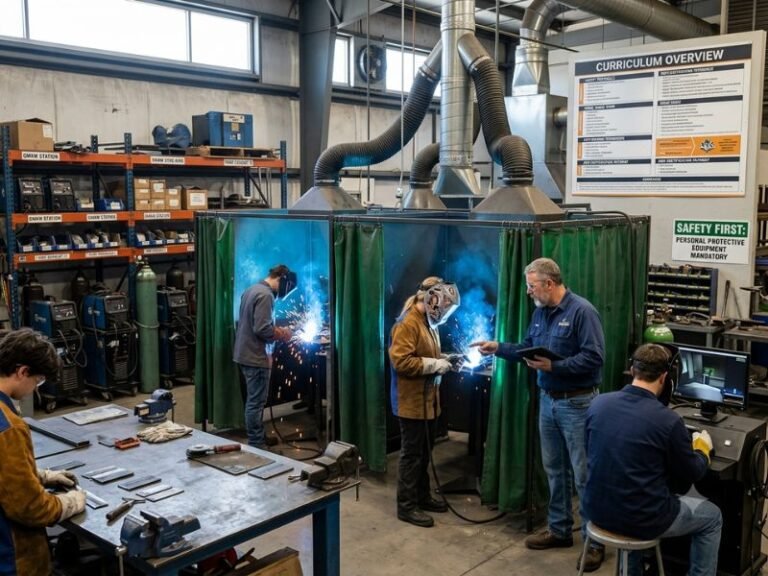
Welding education has changed significantly with the introduction of digital technology. Traditional welding training has always depended on hands-on practice with real equipment, but modern welding training software now provides an additional way to develop knowledge, improve techniques, and prepare students for real-world welding environments.
Welding training software uses simulation, virtual learning, and performance analysis tools to help beginners and experienced welders understand welding processes more effectively. These programs allow users to practice welding techniques, learn equipment operation, and receive feedback in a controlled digital environment before working with actual materials.
Technical schools, vocational training centers, and manufacturing companies are increasingly using welding simulation software to improve training efficiency. These tools help reduce material waste, increase safety, and provide students with more opportunities to practice important skills.
While software cannot completely replace hands-on welding experience, it works as a valuable training supplement. By combining digital practice with real workshop training, learners can develop stronger technical knowledge and better confidence.
In this complete guide, we will explore what welding training software is, how it works, its key features, benefits, limitations, and how it is shaping the future of welding education. Understanding these tools can help students, instructors, and companies choose better methods for developing skilled welding professionals.
What Is Welding Training Software?
Welding training software is a digital learning tool designed to help students, instructors, and professionals learn welding concepts, practice techniques, and improve skills through computer-based training systems. These programs use simulation, interactive lessons, and performance analysis features to create a more effective learning experience.
Unlike traditional welding education that depends entirely on physical equipment and materials, welding software allows users to explore welding processes in a virtual environment. Students can learn about welding principles, equipment settings, safety procedures, and different welding methods before moving into real workshop practice.
Modern welding training software is commonly used by vocational schools, technical colleges, welding training centers, and industrial companies. Educational institutions use these tools to support classroom lessons and prepare students for practical sessions. Companies use them to train employees, improve safety awareness, and maintain consistent skill standards.
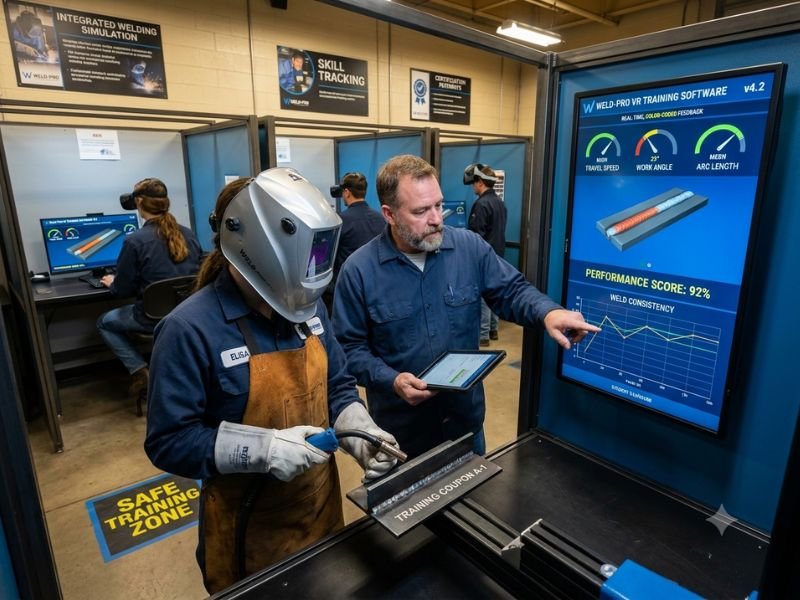
Most welding training software focuses on creating a realistic learning environment. Users can practice welding movements, adjust virtual equipment settings, and understand how different factors affect weld quality. Some advanced systems can analyze performance and provide feedback on areas such as torch angle, travel speed, and welding technique.
Welding training software is available in different forms. Some welding programs focus mainly on welding theory and education, while others use advanced simulation technology, virtual reality, and motion tracking to create a more realistic experience.
Although these tools provide many advantages, they are designed to support hands-on training rather than replace it. Welding is a physical skill that requires practice with real machines, materials, and workplace conditions. The most effective approach combines digital learning with practical workshop experience.
Why Is Welding Training Software Important?
Welding training software has become increasingly important because the welding industry requires skilled professionals who can work safely, accurately, and efficiently. Traditional welding training can be expensive and time-consuming because it requires equipment, materials, workspace, and instructor supervision.
Digital training solutions help overcome some of these challenges by providing additional learning opportunities before students begin practical welding work. This allows learners to understand concepts and develop basic knowledge in a safer and more controlled environment.
One major benefit of welding software is improved safety. Beginners often need time to understand welding equipment, procedures, and potential hazards. Simulation-based training allows students to practice important steps without immediate exposure to heat, sparks, fumes, and electrical risks.
Welding training software also helps reduce training costs. In traditional practice, students use metal materials, welding consumables, and machine time during every exercise. Virtual practice reduces material waste and allows learners to repeat tasks without additional resource costs.
Another important advantage is faster skill development. Students can practice the same technique multiple times and receive immediate feedback. This repetition helps improve understanding and prepares learners for real workshop activities.
For instructors, welding software provides better ways to track student progress. Many systems record performance data, allowing trainers to identify weaknesses and provide targeted guidance.
Companies also benefit from these tools because they can provide standardized training for employees. Workers can learn procedures consistently, improve safety awareness, and develop skills before working on important production projects.
As welding technology continues to advance, training software will become an increasingly valuable part of modern welding education. It creates a bridge between theoretical learning and practical skill development, helping prepare the next generation of welding professionals.
Types of Welding Training Software
Welding training software is available in different forms depending on the learning goals, skill level, and training environment. Some programs focus on teaching welding theory, while others provide realistic simulation experiences that allow users to practice welding techniques digitally.
Different types of software are used by students, instructors, vocational schools, and industrial companies to improve welding education and workforce development.
Welding Simulation Software
Welding simulation software creates a virtual environment where users can practice welding techniques without using real materials or equipment. These systems are designed to replicate real welding conditions and help learners understand how different actions affect weld quality.
Simulation software allows students to practice processes such as MIG, TIG, Stick, and Flux-Cored welding in a controlled environment. Users can adjust welding parameters, select materials, and perform virtual welding tasks similar to real workplace situations.
One of the main advantages of simulation software is that students can repeat exercises multiple times without consuming welding materials. This helps beginners develop confidence and understand welding fundamentals before moving to physical equipment.
Advanced simulation systems can also analyze performance factors such as welding speed, torch movement, arc control, and positioning. This feedback helps students identify mistakes and improve their techniques.
Virtual Reality Welding Training Software
Virtual reality welding training software takes simulation-based learning further by creating a more immersive training experience. These systems use VR headsets, motion tracking devices, and specialized controllers to simulate real welding movements.
With VR welding training, students can practice body position, hand movement, welding angles, and workplace procedures in a realistic digital environment.
The biggest advantage of VR training is that it provides a hands-on feeling without the risks and costs associated with early welding practice. Students can experience realistic welding scenarios while instructors monitor their progress.
Virtual reality systems are becoming more common in technical schools and industrial training programs because they help bridge the gap between classroom learning and real welding operations.
Welding Theory Learning Software
Welding theory software focuses on teaching the knowledge required to understand welding processes. These programs are useful for beginners who need to learn the fundamentals before starting practical work.
Theory-based software may include lessons about welding principles, materials, equipment, safety procedures, welding symbols, and industry standards.
These tools are especially useful for classroom instruction because students can learn complex concepts through videos, animations, and interactive lessons.
Welding Assessment Software
Welding assessment software is designed to evaluate student performance and track skill development. These systems help instructors measure progress and identify areas where students need improvement.
Assessment tools can analyze welding techniques, compare performance results, and generate training reports. This allows instructors to provide more personalized guidance.
For companies, assessment software can help evaluate employee skills and maintain consistent training standards across different locations.
How Welding Training Software Works
Welding training software works by combining digital simulation, interactive learning, and performance analysis to create a structured training environment. The exact process depends on the type of software, but most systems follow similar principles.
The user typically begins by selecting a welding process, material type, and training exercise. The software then creates a virtual welding environment where the learner can practice different techniques.
During the simulation, the system tracks user actions and compares them with recommended welding methods. Some advanced programs use sensors or motion tracking technology to measure hand movement and welding position.
The software can analyze important welding factors such as torch angle, travel speed, arc length, and consistency. After completing an exercise, users receive feedback showing which areas need improvement.
This immediate feedback is one of the biggest advantages of digital welding training. Instead of waiting for an instructor to identify problems, students can understand their mistakes and correct them during practice.
Many welding training systems also include progress tracking features. Instructors can review student performance, monitor improvement, and adjust training plans based on individual needs.
For industrial companies, welding software can be used to train employees on specific procedures before they begin actual production work. This helps reduce errors and improve workplace safety.
By combining realistic practice with detailed feedback, welding training software provides an effective way to support modern welding education and skill development.
Key Features of Welding Training Software
Modern welding training software includes various features designed to improve learning, skill development, and performance evaluation. These features help students understand welding techniques more effectively and allow instructors to provide better training support.
The quality of a welding training system depends on how accurately it can simulate real welding conditions and how effectively it can measure user performance.
Realistic Welding Simulation
One of the most important features of welding training software is realistic simulation. Advanced programs recreate welding environments with accurate tools, materials, and working conditions.
Students can practice different welding processes and understand how changes in technique affect the final weld. The simulation environment helps learners become familiar with welding procedures before using real equipment.
Realistic simulation is especially useful for beginners because it reduces the pressure and risk associated with early practice. Students can learn basic movements and equipment handling in a safe digital environment.
Performance Feedback System
A strong feedback system is another important feature of welding training software. The software analyzes user performance and provides information about mistakes and areas that need improvement.
The system may evaluate factors such as welding speed, torch angle, work position, and consistency. This allows students to understand exactly what they need to improve.
Immediate feedback helps learners develop better techniques because they can make corrections during practice instead of repeating the same mistakes.
Support for Multiple Welding Processes
Professional welding training software often supports different welding processes to provide a complete learning experience.
Depending on the system, users may practice:
- MIG welding techniques
- TIG welding methods
- Stick welding processes
- Flux-Cored welding operations
Supporting multiple processes allows students to explore different welding methods and prepare for various career paths.
Progress Tracking and Training Reports
Progress tracking features allow both students and instructors to monitor improvement over time. The software can record completed exercises, performance results, and skill development.
For instructors, these reports provide valuable information about student strengths and weaknesses. They can use this data to adjust lessons and provide additional support where needed.
For companies, training reports help evaluate employee skills and ensure workers meet required standards.
Interactive Learning Materials
Many welding training software programs include interactive lessons, videos, animations, and technical information to support learning.
These resources help explain complex welding concepts in a simple way. Students can review lessons multiple times and learn at their own pace.
Interactive materials are especially useful for understanding welding theory, equipment operation, and safety procedures.
Benefits of Using Welding Training Software
Welding training software provides several advantages for students, instructors, educational institutions, and companies. By combining technology with traditional training methods, these tools make welding education more efficient and accessible.
Improves Learning Speed and Understanding
One major benefit of welding training software is that it helps students understand welding concepts faster. Digital simulations allow learners to visualize techniques and practice repeatedly without waiting for workshop availability.
Students can experiment with different settings and observe how changes affect welding results. This improves technical understanding and helps build confidence before working with real equipment.
Repeated practice is especially valuable for beginners because welding requires coordination and muscle memory. Software provides additional opportunities to practice important movements.
Reduces Training Costs
Traditional welding training requires large amounts of materials, electricity, equipment usage, and maintenance. Welding software helps reduce some of these costs by providing virtual practice opportunities.
Students can complete basic exercises digitally before using real materials, which reduces waste and improves resource efficiency.
For training centers and companies, this can make welding education more affordable while allowing more students or employees to participate.
Improves Safety Awareness
Safety is a critical part of welding education. Training software allows students to learn procedures and understand hazards before entering a real welding environment.
Virtual training can introduce users to equipment handling, workplace situations, and safety practices without exposing beginners to immediate risks.
This early preparation helps students develop safer habits before they begin practical welding work.
Supports Flexible Learning
Welding training software provides more flexibility compared to traditional classroom-only methods. Students can review lessons, practice concepts, and improve their understanding outside regular training hours.
This makes digital training useful for vocational schools, working professionals, and companies that need flexible employee training solutions.
When combined with hands-on practice, software-based learning creates a more complete and effective welding education system.
Welding Training Software vs Traditional Welding Training
Both welding training software and traditional hands-on training play important roles in developing skilled welders. While traditional training provides real equipment experience, software-based learning adds flexibility, safety, and additional practice opportunities.
The most effective welding education approach often combines both methods to create a balanced learning experience.
Advantages of Traditional Welding Training
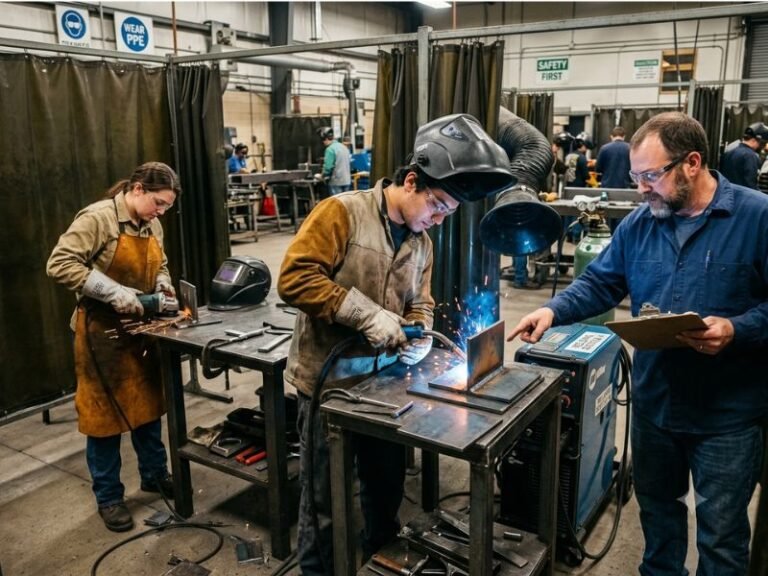
Traditional welding training focuses on practical experience using real welding machines, materials, and workshop environments. This type of training allows students to develop physical skills that are essential for professional welding work.
Working with real equipment helps students understand factors that cannot always be fully simulated, such as material behavior, heat control, machine response, and workplace conditions.
Instructor supervision is another major advantage of traditional training. Experienced trainers can observe students directly, correct mistakes, and provide practical guidance during welding exercises.
Hands-on training also helps students build confidence because they experience the real challenges they will face in professional welding environments.
Advantages of Welding Training Software
Welding training software provides several benefits that support traditional education. One of the biggest advantages is the ability to practice repeatedly without using large amounts of materials.
Students can perform the same exercise multiple times, analyze mistakes, and improve their technique before moving to real equipment.
Software-based training also provides immediate feedback. Digital systems can identify issues such as incorrect torch angle, poor movement control, or inconsistent welding speed.
Another advantage is safety. Beginners can learn important concepts and procedures in a controlled environment before working with heat, sparks, and electrical equipment.
Why Combining Both Methods Works Best
Although welding software offers many benefits, it cannot completely replace hands-on training. Welding is a physical skill that requires practice with real materials and equipment.
The best approach is to use software as a learning support tool and combine it with practical workshop experience.
Students can first learn concepts through simulation, practice techniques digitally, and then apply those skills using real welding machines. This approach helps reduce mistakes and improves overall learning efficiency.
For training centers and companies, combining digital tools with traditional instruction creates a more complete training system that improves safety, reduces costs, and produces better-prepared welders.
Popular Applications of Welding Training Software
Welding training software is used in different environments, including educational institutions, manufacturing companies, and professional training centers. These applications help improve welding education and workforce development.
Use in Vocational Schools and Technical Colleges
Vocational schools and technical colleges use welding training software to support classroom instruction and practical learning. These tools help students understand welding concepts before entering workshops.
Instructors can use software to introduce welding processes, demonstrate techniques, and evaluate student progress. This allows students to develop basic knowledge before working with expensive equipment and materials.
Digital training also helps schools manage limited resources. When many students need practice, simulation software provides additional learning opportunities without increasing material costs.
Use in Welding Training Centers
Specialized welding training centers use software to provide advanced learning experiences for students preparing for professional careers.
These centers often combine simulation technology with hands-on workshops to create comprehensive training programs.
Software allows students to practice welding positions, understand equipment settings, and prepare for certification tests before completing practical evaluations.
Use in Manufacturing Companies
Manufacturing companies use welding training software to train employees and improve production quality. Companies can introduce workers to specific welding procedures before assigning them to important projects.
Digital training helps businesses maintain consistent skill standards among employees and reduce production errors.
Companies can also use software to evaluate employee abilities, identify training needs, and improve workplace safety.
Use in Corporate Safety Training
Some organizations use welding software as part of employee safety programs. Workers can learn proper procedures, understand workplace risks, and practice decision-making in simulated environments.
This type of training helps create safer workplaces by preparing employees before they encounter real production situations.
As technology continues to improve, welding training software will become even more common across education and industry because it provides an efficient way to support skill development.
How Welding Training Software Helps Certification Preparation
Welding certification is an important step for many professionals because it proves that a welder has the required skills to meet industry standards. Welding training software can support certification preparation by helping students practice techniques, understand requirements, and improve consistency before taking official tests.
Although software cannot replace actual certification examinations, it can provide valuable preparation before students complete practical welding tests.
Practicing Welding Techniques
Certification tests require welders to demonstrate accurate technique and proper control. Welding training software allows students to practice important movements and improve their skills before working on test materials.
Simulation systems can help learners understand welding positions, equipment settings, and proper procedures. By practicing repeatedly, students can develop better coordination and confidence.
This preparation is especially helpful for beginners who need additional practice before attempting certification tests.
Understanding Welding Positions and Procedures
Many welding certifications require candidates to perform welds in specific positions and follow defined procedures. Training software can introduce students to these requirements through virtual exercises.
Learners can practice different welding positions and understand how changes in position affect welding techniques.
Software can also help students learn about welding parameters, material selection, and procedure requirements that are important for certification success.
Improving Consistency and Reducing Mistakes
Consistency is one of the most important factors in professional welding. Certification tests evaluate whether a welder can produce reliable and quality welds.
Welding software helps students identify mistakes and improve their technique through detailed feedback. By understanding problems early, learners can avoid repeating the same errors during practical testing.
Supporting Instructor Evaluation
For training centers, welding software provides additional tools for monitoring student progress. Instructors can review performance data and identify areas where students need more practice.
This allows trainers to provide targeted guidance and create better preparation plans for certification candidates.
By combining software practice with real welding experience, students can become better prepared for certification requirements and professional welding careers.
Limitations of Welding Training Software
While welding training software offers many advantages, it also has limitations. Digital tools are valuable for education and practice, but they cannot completely replace real welding experience.
Understanding these limitations helps students, schools, and companies use software more effectively.
Cannot Replace Hands-On Welding Experience
The biggest limitation of welding software is that it cannot fully recreate the experience of working with real materials and equipment.
Actual welding involves factors such as heat, metal behavior, machine response, and physical working conditions that are difficult to simulate completely.
Students still need practical workshop training to develop the physical skills required for professional welding.
Requires Technology Investment
Advanced welding simulation systems can require expensive hardware, software licenses, computers, or virtual reality equipment.
For small training centers or individual learners, the cost of implementing advanced systems may be a challenge.
However, many organizations consider this investment valuable because software can improve training efficiency and reduce long-term material costs.
Limited Real-World Conditions
Although modern software can create realistic simulations, it cannot reproduce every workplace situation.
Professional welders may work in challenging environments involving unusual positions, weather conditions, restricted spaces, or complex projects.
Real-world experience remains necessary to prepare welders for these situations.
Dependence on Proper Instruction
Welding software is most effective when used with proper guidance. Without instructor support, students may misunderstand techniques or fail to recognize important mistakes.
A skilled instructor can combine software feedback with practical knowledge to create a more complete learning experience.
Welding training software should be viewed as a supporting tool that improves education rather than a complete replacement for traditional welding training. The best results come from combining digital learning with hands-on practice.
How to Choose the Right Welding Training Software
Choosing the right welding training software is important because different programs offer different features, simulation quality, and learning capabilities. Schools, training centers, and companies should evaluate their specific needs before investing in a digital welding training solution.
A suitable software program should provide realistic training, useful feedback, and support the welding processes required by the users.
Evaluate Simulation Quality
The realism of the simulation is one of the most important factors when selecting welding training software. A good system should accurately represent welding movements, equipment operation, materials, and working conditions.
High-quality simulation helps students develop better understanding because the virtual experience feels closer to real welding tasks.
Programs with realistic graphics, accurate motion tracking, and proper welding analysis generally provide better learning outcomes.
Check Supported Welding Processes
Different industries require different welding skills, so users should choose software that supports the processes they need.
Some programs may focus mainly on MIG welding, while others include multiple processes such as TIG, Stick, and Flux-Cored welding.
Before choosing software, organizations should consider their training goals and select a system that matches the welding methods their students or employees need to learn.
Look at Feedback and Assessment Features
A good welding training system should provide detailed feedback about user performance.
The software should help identify problems related to:
- Welding angle
- Travel speed
- Position control
- Technique consistency
Strong assessment features allow students to understand their weaknesses and improve more effectively.
For instructors, detailed reports make it easier to monitor progress and provide personalized training support.
Consider Hardware Requirements
Welding training software may require different types of hardware depending on its features. Basic learning programs may work on standard computers, while advanced simulation and VR systems may require specialized equipment.
Organizations should consider hardware costs, maintenance requirements, and technical support before making a decision.
Compare Cost and Long-Term Value
The price of welding training software varies depending on features, licensing options, and technology level. While advanced systems may require a larger initial investment, they can provide long-term benefits through reduced material waste and improved training efficiency.
The best choice is not always the cheapest option. Users should consider the overall value, including learning quality, support services, and future training needs.
Future of Welding Training Software
The future of welding training software is closely connected with advances in artificial intelligence, virtual reality, automation, and digital learning technology. As industries continue to demand highly skilled welders, training systems are becoming more advanced and interactive.
Future software solutions will likely provide more realistic simulations, personalized learning experiences, and better performance analysis.
Artificial Intelligence-Based Training
Artificial intelligence is expected to play a larger role in welding education. AI-powered systems can analyze student performance, identify mistakes, and provide customized recommendations.
Instead of providing general feedback, future software may create personalized training plans based on each learner’s strengths and weaknesses.
This can help students improve faster by focusing on specific areas that need development.
Advanced Virtual Reality Experiences
Virtual reality technology will continue improving welding simulations. Future VR systems may provide even more realistic environments, improved motion tracking, and better interaction with virtual tools.
Students may be able to practice complex welding tasks in highly realistic digital workplaces before entering actual industrial environments.
This can improve safety and reduce the learning curve for new welders.
Cloud-Based Welding Training Platforms
Cloud technology may make welding training software more accessible. Cloud-based platforms can allow students and companies to access training materials, performance data, and learning resources from different locations.
This can be especially useful for organizations with multiple training centers or remote employees.
Better Performance Analytics
Future welding software will likely provide more advanced data analysis. Detailed performance tracking can help instructors understand how students learn and identify the most effective training methods.
Companies may also use analytics to evaluate workforce skills and improve employee development programs.
As welding technology continues to evolve, training software will become an increasingly important part of modern welding education. By combining digital innovation with hands-on practice, these systems can help create better-prepared welding professionals for the future.
Final Thoughts: Is Welding Training Software Worth Using?
Welding training software has become an important tool in modern welding education by providing a safer, more flexible, and efficient way to learn welding concepts and improve skills. As technology continues to develop, these digital solutions are helping students, instructors, and companies create better training experiences.
For beginners, welding software provides an opportunity to understand basic welding principles before working with real equipment. It allows learners to practice important concepts, explore different welding processes, and build confidence in a controlled environment.
For experienced welders, these tools can support skill improvement, certification preparation, and learning about new welding technologies. The ability to review techniques, analyze performance, and receive detailed feedback makes software a valuable addition to professional development.
However, welding training software should not be considered a complete replacement for traditional hands-on training. Real welding experience is still essential because professional welders need to understand material behavior, equipment response, and real workplace conditions.
The most effective approach is combining digital learning with practical workshop experience. Students can use software to develop knowledge and practice techniques before applying those skills with actual welding machines and materials.
For schools, training centers, and companies, investing in welding training software can provide long-term benefits by improving safety, reducing material waste, and creating more consistent training programs.
As welding industries continue adopting automation and advanced manufacturing technologies, digital training tools will become even more valuable. Welding training software represents the future of welding education by connecting traditional skills with modern technology and helping prepare the next generation of skilled welding professionals.