Filler Metal vs Base Metal: Key Differences for Strong Welds
Base metal is the material you are welding, while filler metal is the added wire or rod that helps form the joint. In most arc welding jobs, both melt at the seam and harden into a weld bead, the finished line of joined metal.
The difference sounds simple until you’re staring at a rack of steel wire, stainless rods, and aluminum filler. The pieces on your workbench might look nearly identical after grinding, yet their alloy (metal blend) and thickness can call for very different filler materials. Choose the wrong one, and even a smooth bead can hide a weak joint.
I check the metal grade before reaching for a filler rod because appearance tells you very little about what’s actually in the steel. Have you ever wondered why a clean-looking weld can crack or rust sooner than the metal around it?
Say you’re joining 1/8-inch mild-steel angle for a shop cart. Common steel welding wire may be a good fit, but that same spool isn’t suitable for an aluminum bracket. Small differences in material can change how a finished repair holds up.
I’ll explain how these metals work together, which filler materials suit common welding jobs, and what makes a joint reliable. There’s one detail inside the molten weld that many new welders overlook.
Filler Metal vs Base Metal: What’s the Difference?
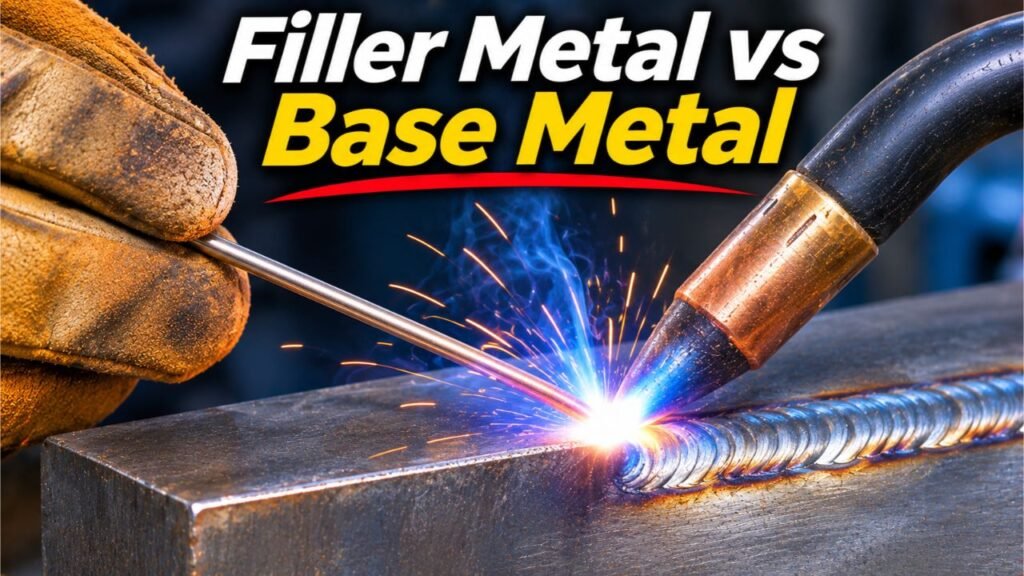
Base metal forms the original workpiece, while filler metal supplies added material to the joint. Both influence the finished weld, but they have different jobs before the arc starts.
| Feature | Base Metal | Filler Metal |
| Main purpose | Forms the parts being joined | Adds metal to help build the joint |
| Common forms | Plate, pipe, sheet, tubing, castings | Welding wire, rods, coated electrodes |
| Typical examples | A36 steel, 304 stainless, 6061 aluminum | ER70S-6, E7018, ER308L, ER4043 |
| Where it comes from | Existing workpiece or repair part | Wire spool, electrode package, filler rod |
| Welding behavior | Joint edges melt during fusion welding | Added metal melts into the joint |
| Selection factors | Grade, thickness, service requirements | Compatibility, strength, process, properties |
| Always required? | Yes, there’s material being joined | No, some welds use no added filler |
Base Metal Is the Material Being Joined
Base metal, also called parent metal, is the original material you want to weld. It might be a steel frame, an aluminum panel, a stainless pipe, or a broken cast-iron component.
Its grade matters more than its appearance. For example, low-carbon steel, commonly called mild steel, behaves differently during welding than hardened alloy steel.
The thickness and condition matter as well. A clean 1/4-inch steel plate allows a different welding approach than a thin automotive body panel.
Filler Metal Adds Material to the Joint
Filler metal enters the joint as wire, a rod, or a consumable electrode. Its job is to add enough suitable metal to create the required weld shape and properties.
For example, when welding a mild-steel gate with ER70S-6 wire, the gate tubing is the base material. The wire feeding through the welding gun is the filler.
The filler must suit the base metal and the conditions the finished part will face.
That brings up a useful question: if the starting materials have different jobs, what exactly makes up the finished weld?
Key Takeaways:
- The workpiece determines the starting material.
- Added wire or rod supplies extra weld material.
- Material grade matters more than appearance.
How Base Metal and Filler Metal Form a Weld
In a typical fusion weld, heat melts the joint edges and any added filler into a shared pool. As that liquid metal cools, it forms the solid connection between the parts.
The final metal isn’t always chemically identical to either material you started with.
The Weld Pool Is Where Both Metals Meet
The weld pool is the small area of liquid metal created by welding heat.
During MIG welding, for example, the electric arc melts the continuously fed wire and the edges of the workpieces. The liquid metal flows together before cooling.
If you’re learning to control this process, knowing what a weld pool is helps you recognize when the joint edges are actually melting.
A related term is fusion, meaning the metals have melted and joined at their contact surfaces.
A bead that sits on top of a plate without bonding properly suffers from lack of fusion. It may look acceptable from above while having a weak connection underneath.
I’ve found that watching how the puddle meets both edges tells more about the joint than simply judging the bead’s height. A tall bead isn’t proof of a sound weld.
What Is Weld Metal?
Weld metal is the material that melted during welding and then solidified. When filler is used, it generally contains material from both the original workpiece and the added wire or rod.
The mixing changes the final composition through a process called dilution.
For example, stainless filler deposited onto carbon steel picks up some iron and other elements from the steel beneath it. This can change the chemistry and corrosion resistance of the weld.
That is why weld metal composition and dilution matter when working with different alloys.
Next to the melted area lies the heat-affected zone (HAZ). This is base metal that became hot enough for its properties or structure to change without melting.
In some alloys, the HAZ becomes the weak link even when the deposited metal is sound.
How Different Welding Processes Supply Filler
Not every welding method introduces filler in the same way.
- MIG welding (GMAW): Gas metal arc welding uses a continuous consumable wire electrode that carries current and supplies filler.
- Stick welding (SMAW): Shielded metal arc welding uses a flux-coated electrode. Its metal core melts into the joint while the coating provides shielding and forms protective slag.
- Flux-cored welding (FCAW): A tubular wire containing flux supplies the deposited metal and helps protect the arc.
- TIG welding (GTAW): Gas tungsten arc welding uses a tungsten electrode that isn’t intended to melt. A separate filler rod can be added by hand.
For a steel fabrication frame, MIG welding might supply filler automatically as the gun travels along the seam. TIG welding gives the operator direct control over each addition of filler.
Key Takeaways:
- The finished deposit may have a blended composition.
- Fusion at the joint edges matters more than bead height.
- The HAZ can affect joint performance without melting.
How to Choose the Right Filler Metal for Your Base Metal
Start with the base metal’s grade, then choose a compatible filler classification for the welding process and service conditions. Matching the metals doesn’t always mean using identical chemical compositions.
Match the Metal Type and Alloy
Different materials call for different filler choices.
Common examples include:
- Mild steel: ER70S-6 solid wire is widely used for MIG welding. E7018 is a common low-hydrogen stick electrode where the procedure permits it.
- 304 or 304L stainless steel: ER308L is a common filler choice for suitable welding applications. The L indicates a low-carbon classification.
- 6061 aluminum: ER4043 and ER5356 are commonly considered, depending on strength, service temperature, corrosion conditions, and finishing requirements.
- Stainless steel joined to carbon steel: ER309L is frequently selected for suitable dissimilar-metal joints because its alloy composition helps account for mixing with carbon steel.
These examples are starting points, not universal substitutions.
Suppose you’re repairing a stainless cover and fabricating a mild-steel bracket. Both materials may look silver after cleaning, but using the same filler without checking the grades is a poor shortcut. Their corrosion behavior and required deposit properties differ.
For cast iron, specialized steel, or an unidentified alloy, I recommend identifying the material and checking a qualified procedure or manufacturer guidance before selecting a filler.
Compare Strength and Service Conditions
Does a stronger filler automatically make a stronger weld?
No. The joint can still fail because of poor fusion, excessive stress, unsuitable weld geometry, or changes in the surrounding base metal.
A filler may be selected to match, exceed, or fall below the base metal’s specified strength, depending on the design.
Consider a steel bracket exposed to repeated vibration. Its reliability depends on more than the filler metal’s tensile strength, which measures resistance to being pulled apart.
Other factors include:
- Ductility: How much the weld can deform before breaking.
- Toughness: Its ability to resist fracture, especially under impact or cold conditions.
- Corrosion resistance: How well the joint withstands moisture and chemicals.
- Cracking resistance: How the filler and base metal respond to welding and cooling.
For structural connections, pressure components, and other critical work, follow the applicable welding procedure specification (WPS). This document identifies approved materials, welding settings, and other requirements.
Choose a Filler Size That Suits the Job
Filler diameter affects how easily you can control the weld.
For example, 0.030-inch ER70S-6 wire is a common choice for general mild-steel MIG fabrication. Thinner sheet metal may call for smaller wire, while thicker material may need a larger size and a suitable welding setup.
The filler metal selection guidance gives practical examples of matching wire sizes and materials to different projects.
My preference is to use a clearly labeled filler rather than an unidentified rod from a mixed storage bin. It removes one variable before the job even starts.
Pro Tip: Check the classification printed on the spool or electrode package, not just the product name. Two wires sold for similar projects can have different chemical compositions and performance requirements.
Key Takeaways:
- Identify the alloy before choosing wire or rod.
- Consider the part’s working conditions, not strength alone.
- Filler size must fit the material and process.
Why Welding Current and Joint Preparation Matter
Correct filler selection won’t produce a sound joint if the welding heat or joint preparation is wrong. The machine must supply enough heat for proper fusion without damaging the workpiece.
Amperage Controls How Much Metal Melts
Amperage is the amount of electrical current flowing through the welding circuit. Its relationship to welding heat and penetration depends on the process.
In stick and TIG welding, the operator commonly sets welding current directly. In many MIG setups, wire-feed speed strongly influences current.
Too little effective heat can leave the joint edges unmelted. Too much heat can cause burn-through, particularly on thin material.
For a clearer explanation of amperage in welding, it’s helpful to learn how current affects different welding processes.
Clean the Metal Before Starting
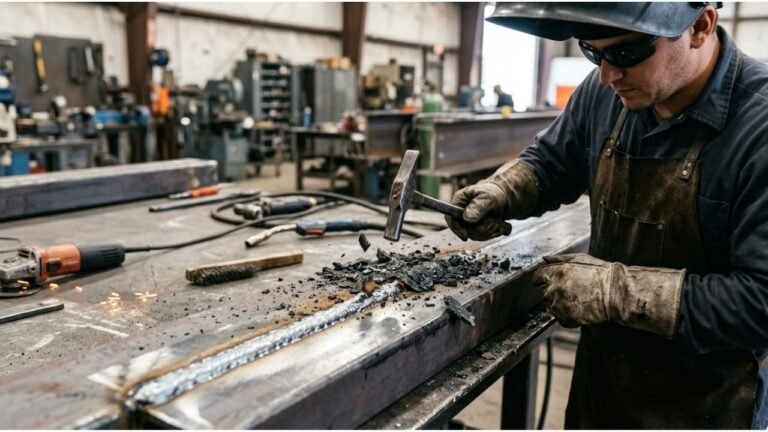
Surface preparation matters because rust, heavy scale, oil, paint, and oxides can interfere with weld quality.
Before striking an arc, wear a properly rated welding helmet, flame-resistant clothing, gloves, and suitable eye protection. Control welding fumes with appropriate ventilation or local fume extraction, and remove nearby fire hazards. Coated or unknown metals require extra care because hazardous fumes may be released.
For a simple mild-steel joint, prepare the edges to clean metal and fit the pieces according to the joint design.
Are you welding thick plate with a narrow groove? Proper beveling, which means cutting an angled edge to provide access for welding, may be needed to reach the joint root.
The root is the deepest part of the joint where fusion must be achieved.
Common Mistakes That Cause Weak or Poor-Looking Welds
The most common problems come from using incompatible materials, poor settings, or inadequate preparation. Even a correctly classified filler can perform badly under those conditions.
Using the Wrong Filler Alloy
A filler meant for mild steel isn’t a general replacement for stainless or aluminum filler.
Incorrect alloy selection can affect corrosion resistance, cracking behavior, and strength.
The risk is greater when welding dissimilar metals. Their chemical compositions can interact in ways that require a specially selected filler.
Using Incorrect Voltage or Wire-Feed Settings
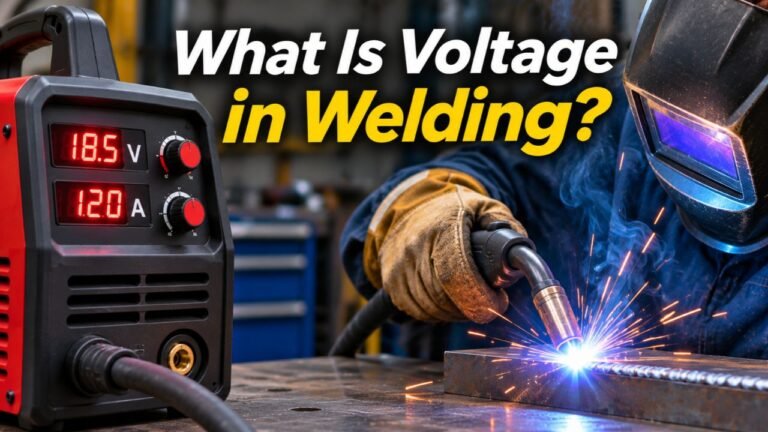
In MIG welding, voltage strongly affects arc length and bead profile, while wire-feed speed affects current and how much filler enters the arc.
An unsuitable balance can produce an unstable arc, poor bead shape, or excessive metal transfer outside the weld.
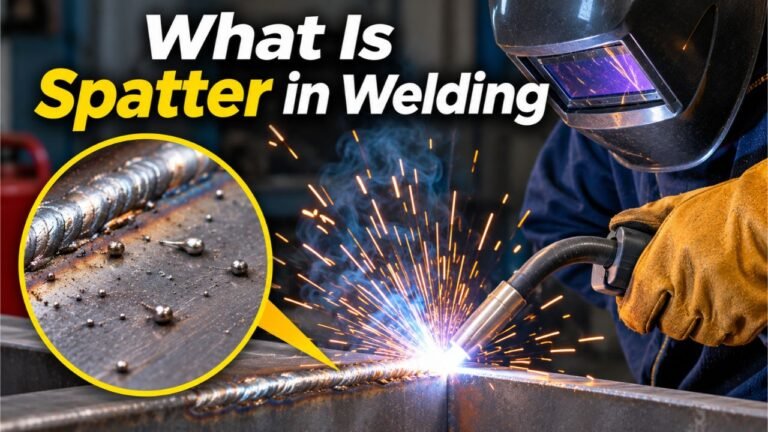
Ever had a welding gun that crackles harshly and throws droplets everywhere?
Those droplets are called spatter, and they can result from several causes, including unsuitable settings or shielding conditions. Learning what welding spatter is helps separate normal metal transfer from a problem worth correcting.
Before adjusting the machine at random, learn how welding voltage works and check the equipment manufacturer’s settings chart.
Mistaking a Smooth Bead for Good Penetration
A smooth surface doesn’t prove that the weld has reached the required depth.
Penetration describes how far the fusion extends into the original material.
For example, a tall bead on thick steel can look impressive while failing to reach the joint root. The problem may remain hidden until the weld is inspected or loaded.
I’ve learned to pay close attention to the joint fit-up and puddle behavior rather than trying to make every weld look extra wide. More deposited metal doesn’t automatically correct a weak root.
Skipping a Test Weld on Scrap Material
A short practice weld on matching scrap helps you check machine behavior and handling before working on the finished part.
Use an offcut with the same grade and thickness, if available. Compare bead shape, arc stability, and how the metal responds to heat.
Important Tip: For critical work, a practice bead and visual check aren’t substitutes for the tests or inspections required by the welding procedure.
Key Takeaways:
- A tidy surface can hide poor fusion.
- Arc behavior can reveal setting problems.
- Practice welds help remove guesswork before fabrication.
Can You Weld Base Metal Without Filler Metal?
Yes. Some welding methods join base materials without adding filler, using the original material to form the connection.
This is called autogenous welding.
Autogenous TIG Welding
In certain TIG applications, closely fitted metal edges can melt together without adding a separate rod.
Thin stainless-steel sheet is one example where an approved autogenous technique may be suitable.
Because the joint receives no extra metal, edge fit-up and heat control become especially demanding. The method won’t suit every joint design or load requirement.
Other Welding Methods Without Added Filler
Resistance spot welding commonly joins overlapping metal sheets by applying electrical resistance heating and pressure through electrodes.
Some laser welding operations also join components without filler, depending on the material and joint design.
Would skipping filler save money on an ordinary structural repair?
Usually, that isn’t the right reason to choose the method. The welding process must meet the joint’s requirements first. A procedure designed for added filler shouldn’t be changed simply to use less material.
FAQs about filler metal vs base metal
Can I use a strip of base metal as filler metal?
Sometimes, clean strips cut from known base material can be used in suitable noncritical welding applications. But this isn’t a direct replacement for classified filler wire. The strip’s chemistry, cleanliness, and dimensions must suit the process. Critical or code-controlled welding requires the filler specified by the approved procedure.
What does ER70S-6 mean on welding wire?
ER70S-6 is an American Welding Society classification for solid carbon-steel welding wire. ER identifies electrode or rod use, 70 refers to a 70,000 PSI minimum tensile-strength classification under specified testing conditions, S indicates solid wire, and 6 identifies a chemical composition group. These markings help distinguish suitable consumables.
Is every welding electrode made of filler metal?
No. Some electrodes melt and become part of the weld, while others mainly carry electrical current. A tungsten electrode used for TIG welding is a nonconsumable type, meaning it isn’t intended to melt into the joint. Electrode selection and filler selection are separate decisions in that process.
Does brazing use filler metal and base metal?
Yes, but brazing works differently from fusion welding. During brazing, the filler melts while the base materials remain solid. When the joint has suitable clearance and surface condition, the liquid filler can flow between closely fitted surfaces through capillary action. Brazing filler selection depends on different temperature and service requirements.
Why can filler metal and base metal have different colors after welding?
Different alloys and surface oxides can produce different appearances. Aluminum welds may show a different shade after anodizing, a controlled process that thickens the protective oxide layer. Stainless welds may show heat tint around the joint. Color differences alone don’t prove a welding defect.
How can I identify an unknown base metal before welding?
Start with stock markings, purchase records, engineering drawings, or the part manufacturer’s information. A magnet or spark test can offer clues for some metals, but neither proves an exact alloy grade. When material identity affects safety or code compliance, obtain reliable identification through suitable testing or a qualified professional.
Choose the Filler That Fits the Job, Not Just the Appearance
A reliable weld begins with knowing what material is actually on the workbench. Once that information is clear, selecting a suitable filler becomes far less confusing.
I recommend treating filler selection as part of joint planning rather than something to decide after switching on the welding machine. It’s a small habit that can prevent a lot of unnecessary grinding, rework, and wasted material.
For ordinary mild-steel fabrication, common classified consumables often provide practical choices. Specialized alloys, mixed-metal joints, and safety-critical repairs deserve a more deliberate approach.
Don’t judge compatibility by how similar two metals look or how smoothly a bead lays down. The finished connection has to perform under real working conditions.
Your next step is simple: identify the base metal grade, then check the matching filler classification and welding procedure before making the first tack. That’s the foundation of a dependable weld.