Welding Training Jobs: How to Start a Successful Welding Career
Welding is one of the most valuable skilled trades, offering career opportunities across construction, manufacturing, automotive, aerospace, shipbuilding, and many other industries. However, completing a welding training program is only the first step. The next challenge is finding the right welding training jobs where you can apply your skills, gain experience, and build a long-term career.
Many employers look for welders who have practical hands-on experience, knowledge of welding techniques, safety training, and industry certifications. Whether you are a beginner looking for your first welding job or someone planning to advance into specialized roles, understanding available career paths can help you make better decisions.
In this guide, I will explain the different types of welding training jobs available after completing a program, the skills and certifications employers require, where to find opportunities, expected salary ranges, and how you can grow from an entry-level welder into an experienced welding professional. By following the right career path, welding training can become the foundation for a stable and rewarding skilled trade career.
What Are Welding Training Jobs?
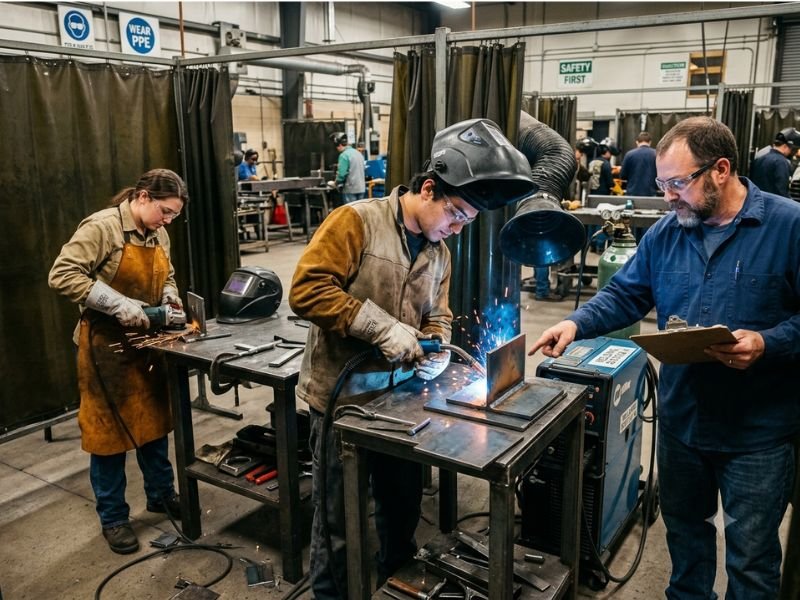
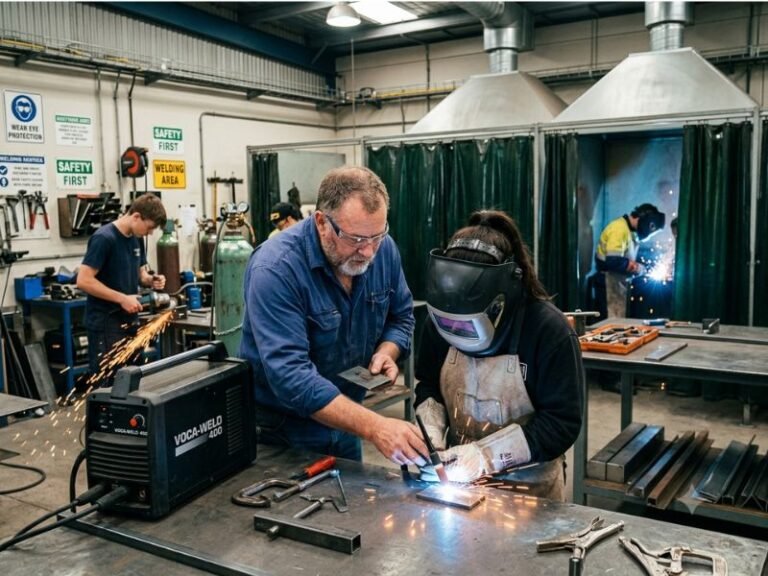
Welding training jobs are employment opportunities designed for individuals who have completed basic or advanced welding education and want to start building professional experience. These jobs allow new welders to apply the techniques they learned during training while developing the practical skills needed for long-term success in the welding industry.
Unlike experienced welding positions that often require years of field experience, welding training jobs usually focus on helping beginners transition from classroom learning to real workplace environments. Many of these roles include on-the-job learning, supervision from experienced welders, and opportunities to improve welding accuracy and productivity.
Common welding training job positions include:
- Welding apprentice
- Entry-level welder
- Welding helper
- Fabrication assistant
- Junior production welder
- Welding technician trainee
These positions are available in many industries, including construction, manufacturing, automotive, energy, marine, and industrial fabrication.
How Welding Training Prepares You for Employment
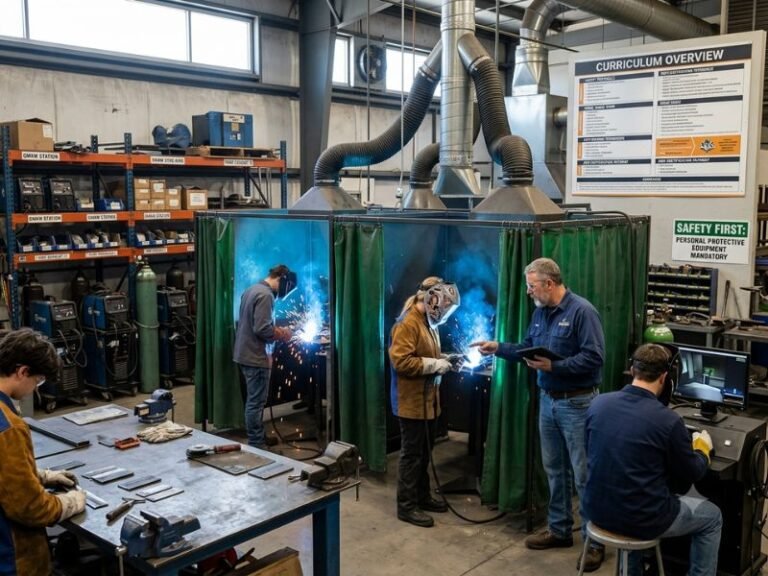
A good welding training program teaches more than just how to create a weld. It prepares students for the daily responsibilities and challenges they will face in professional workplaces.
During training, students typically learn:
Welding Techniques
Professional welders need knowledge of different welding processes because each industry uses specific methods. Training programs commonly cover:
- MIG welding (Gas Metal Arc Welding): Widely used in manufacturing and fabrication because it is fast and suitable for many metals.
- TIG welding (Gas Tungsten Arc Welding): Used for precision work where high-quality welds are required.
- Stick welding (Shielded Metal Arc Welding): Common in construction and outdoor welding projects.
- Flux-cored arc welding: Popular in heavy fabrication and structural welding.
Learning multiple welding methods increases job opportunities because employers often prefer welders who can work with different equipment and materials.
Blueprint Reading and Welding Symbols
Many welding jobs require the ability to understand technical drawings before starting a project. Training programs teach students how to read:
- Welding blueprints
- Fabrication drawings
- Welding symbols
- Measurements and specifications
This skill helps welders produce accurate work according to engineering requirements.
Metal Preparation and Equipment Handling
Before welding begins, proper preparation is essential. Welders learn how to:
- Cut and clean metal surfaces
- Select appropriate welding settings
- Set up welding machines
- Choose correct electrodes and filler materials
- Inspect equipment before use
Proper preparation improves weld quality and reduces mistakes during production.
Welding Safety Training
Safety is a major part of professional welding. Training programs teach students how to work safely around:
- High temperatures
- Welding fumes
- Electrical equipment
- Compressed gases
- Fire hazards
Employers value welders who understand safety procedures because safe workers help reduce workplace accidents and production problems.
Why Employers Value Trained Welders
Companies prefer hiring trained welders because proper training improves both productivity and work quality. A trained welder can usually adapt faster to workplace requirements and follow industry standards more effectively.
Some reasons employers value trained welders include:
Better Weld Quality
Training helps welders understand proper techniques, reducing common problems such as:
- Cracks
- Porosity
- Weak joints
- Incorrect weld penetration
High-quality welding is important because poor welds can cause equipment failures and safety issues.
Increased Workplace Safety
Welding involves heat, electricity, chemicals, and heavy equipment. Trained welders understand safety practices and know how to prevent common workplace hazards.
Faster Workplace Adaptation
New welders with formal training often require less basic instruction because they already understand:
- Welding equipment operation
- Industry terminology
- Safety requirements
- Basic production procedures
This allows employers to integrate them into teams more quickly.
Opportunity for Career Advancement
Welding training provides a foundation for future career growth. After gaining experience, welders can move into higher-level positions such as:
- Certified welder
- Pipe welder
- Welding inspector
- Welding supervisor
- Welding instructor
For many people, welding training jobs are the first step toward a stable and specialized career in the skilled trades.
Types of Jobs Available After Welding Training
After completing welding training, graduates can choose from a wide range of job opportunities depending on their skills, certifications, and career goals. Some positions are designed for beginners, while others require additional experience or specialized training.
The welding industry offers opportunities in construction, manufacturing, transportation, energy, and industrial production. Understanding the different job roles can help new welders choose the career path that matches their interests.
Entry-Level Welder Jobs
Entry-level welding jobs are the most common starting point for individuals who have recently completed a welding training program. These positions allow new welders to gain practical experience while working under the guidance of experienced professionals.
Common Entry-Level Welding Positions
Welding Helper
A welding helper supports experienced welders by preparing materials, organizing tools, and assisting with basic workplace tasks.
Typical responsibilities include:
- Cleaning and preparing metal surfaces
- Moving materials and equipment
- Setting up welding areas
- Assisting with measurements
- Maintaining a clean and safe workspace
This role helps beginners understand real-world welding operations before taking on more complex responsibilities.
Apprentice Welder
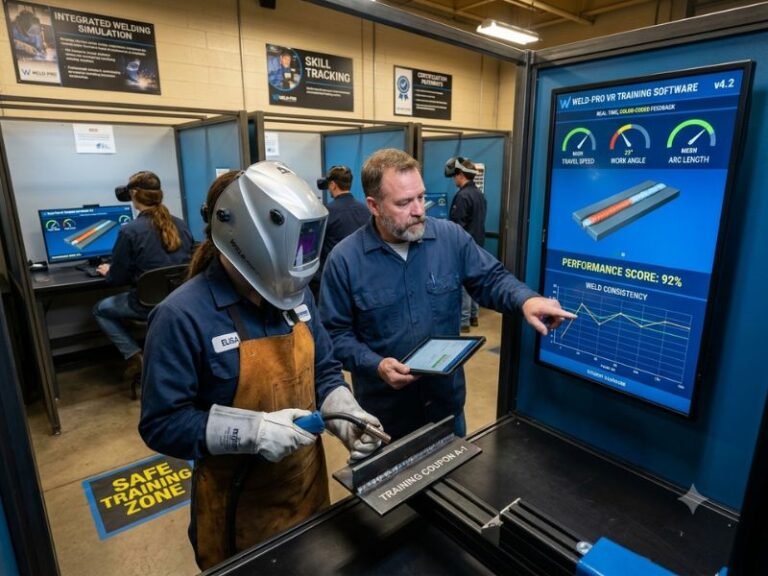
A welding apprenticeship combines practical work experience with continued learning. Apprentices work alongside skilled welders and gradually take on more advanced welding tasks.
During an apprenticeship, welders learn:
- Advanced welding techniques
- Industry standards
- Workplace procedures
- Quality control practices
- Equipment maintenance
Apprenticeships are valuable because they provide both income and professional development while building experience.
Junior Welder
A junior welder is usually someone who has completed basic training and can perform simple welding tasks with limited supervision.
Responsibilities may include:
- Performing basic welds
- Following welding instructions
- Preparing materials
- Inspecting completed work
- Maintaining welding equipment
This position helps new welders improve their speed, accuracy, and confidence.
Production Welder
Production welders work mainly in manufacturing environments where welding is part of a larger production process.
Common workplaces include:
- Automotive factories
- Equipment manufacturers
- Metal fabrication shops
- Industrial production facilities
Production welders often perform repeated welding tasks while following specific quality standards and production schedules.
Certified Welder Jobs
Certified welder jobs are available for welders who have demonstrated their skills through professional testing and certification programs. Certification can improve employment opportunities because it shows employers that a welder meets recognized industry standards.
Many companies prefer certified welders because they can trust their ability to produce consistent and reliable welds.
Common Certified Welding Positions
Structural Welder
Structural welders work on metal structures used in construction and industrial projects.
Typical projects include:
- Buildings
- Bridges
- Steel frameworks
- Industrial facilities
Structural welders commonly use:
- Stick welding
- Flux-cored welding
- MIG welding
They must understand blueprints, safety procedures, and structural welding requirements.
Pipe Welder
Pipe welding is one of the most specialized areas of welding. Pipe welders work on systems that transport liquids, gases, and other materials.
Industries hiring pipe welders include:
- Oil and gas
- Power generation
- Chemical processing
- Manufacturing plants
Pipe welders often need advanced skills in:
- TIG welding
- Pipe fitting
- Welding positions
- Code requirements
Because pipe welding requires precision and specialized knowledge, experienced pipe welders often have access to higher-paying opportunities.
Industrial Welder
Industrial welders work in large-scale manufacturing and production environments. They may build or repair:
- Heavy machinery
- Industrial equipment
- Metal components
- Manufacturing systems
These jobs require strong technical skills and the ability to follow detailed specifications.
Fabrication Welder
Fabrication welders combine welding skills with metalworking knowledge. They are responsible for creating finished metal products from raw materials.
Their tasks may include:
- Cutting metal pieces
- Measuring materials
- Assembling components
- Welding finished structures
- Checking product quality
Fabrication welding jobs are available in many industries, making them a popular career choice for trained welders.
Certified welding jobs provide better career opportunities because they allow welders to specialize, earn higher wages, and move toward advanced positions such as welding inspector, supervisor, or welding instructor.
Best Industries for Welding Training Jobs
Welding skills are required in many industries because metal fabrication and repair are essential for construction, manufacturing, transportation, and infrastructure development. After completing welding training, choosing the right industry can help you build experience, improve your skills, and create better career opportunities.
Different industries require different welding techniques, certifications, and levels of expertise. Some industries are suitable for beginners, while others require advanced training and specialized experience.
Construction Welding Jobs
Construction is one of the largest industries hiring trained welders. Construction welders work on projects involving steel structures, buildings, bridges, and industrial facilities.
Common construction welding jobs include:
- Structural welder
- Steel welder
- Construction welding technician
- Fabrication welder
Construction welders are responsible for joining metal components used in large structures. Their work must meet strict safety and quality standards because welding defects can affect the strength and stability of a structure.
Typical responsibilities include:
- Reading construction blueprints
- Preparing steel materials
- Performing structural welds
- Inspecting completed welds
- Following safety procedures
Common welding processes used in construction include:
- Stick welding (SMAW)
- Flux-cored arc welding (FCAW)
- MIG welding (GMAW)
Construction welding can provide excellent career growth because experienced welders can move into roles such as welding supervisor, welding inspector, or project specialist.
Manufacturing Welding Jobs
Manufacturing is another major employer of trained welders. Many factories and production facilities require welders to build machinery, equipment, vehicles, and metal products.
Common manufacturing welding positions include:
- Production welder
- Manufacturing welder
- Robotic welding operator
- Welding technician
Manufacturing welders often work with specific production systems where accuracy, speed, and consistency are important.
Their responsibilities may include:
- Setting up welding machines
- Following production drawings
- Welding metal components
- Checking weld quality
- Maintaining equipment
Industries that hire manufacturing welders include:
- Automotive manufacturing
- Heavy equipment production
- Agricultural equipment
- Industrial machinery
- Metal product manufacturing
As manufacturing becomes more automated, welders with knowledge of robotic welding systems and modern equipment can find additional career opportunities.
Automotive Welding Jobs
The automotive industry depends heavily on welding for vehicle production and repair. Welders in this field work with different metals and advanced manufacturing technologies.
Automotive welding jobs may involve:
- Vehicle frame welding
- Component assembly
- Metal fabrication
- Repair welding
Skills that can help automotive welders include:
- MIG welding knowledge
- Precision measurement
- Knowledge of automated welding systems
- Quality inspection skills
Automotive welding can be a good option for welders interested in technology and advanced manufacturing processes.
Energy and Industrial Welding Jobs
The energy sector offers some of the most specialized welding opportunities. Welders in this industry work on systems that require extremely strong and reliable welds.
Industries include:
- Oil and gas
- Power plants
- Renewable energy
- Industrial processing facilities
Common job roles include:
- Pipe welder
- Industrial maintenance welder
- Pressure vessel welder
These positions often require advanced certifications because weld failures in energy systems can create serious safety risks.
Skills needed include:
- Pipe welding techniques
- Blueprint interpretation
- Welding code knowledge
- Advanced inspection awareness
Entry-Level Welding Jobs After Training
For new welders, getting the first job is an important step toward building a successful welding career. Entry-level welding positions help beginners gain real workplace experience while improving their technical abilities.
Most employers understand that newly trained welders are still developing their skills. Therefore, many companies provide additional workplace training and supervision.
Welding Apprentice
A welding apprentice position is one of the best starting points for beginners. Apprentices learn by working with experienced welders while completing practical tasks.
During an apprenticeship, beginners can improve:
- Welding accuracy
- Machine setup skills
- Workplace safety knowledge
- Understanding of industry standards
Apprentices often start with basic responsibilities and gradually move toward more complex welding tasks as their skills improve.
Benefits of welding apprenticeships include:
- Paid work experience
- Professional mentorship
- Industry connections
- Opportunity for full-time employment
Welding Helper
A welding helper is another common entry-level position. This role allows beginners to understand how professional welding workplaces operate.
Typical duties include:
- Preparing materials
- Cleaning metal surfaces
- Organizing tools
- Assisting welders
- Maintaining a safe workspace
Although welding helpers may not perform advanced welding tasks immediately, the position provides valuable experience and helps build a foundation for future welding roles.
Production Welder Trainee
Many manufacturing companies hire welding trainees who have completed basic training programs.
Production welder trainees usually learn:
- Company welding procedures
- Equipment operation
- Quality requirements
- Production processes
With experience, trainees can become independent welders and move into higher-paying positions.
Fabrication Assistant
Fabrication assistants work in welding shops and manufacturing facilities where metal components are created.
Their responsibilities may include:
- Measuring materials
- Cutting metal
- Preparing parts
- Assisting with assembly
- Supporting welding operations
This role is useful for beginners who want to develop both welding and metal fabrication skills.
Requirements for Getting Welding Jobs After Training
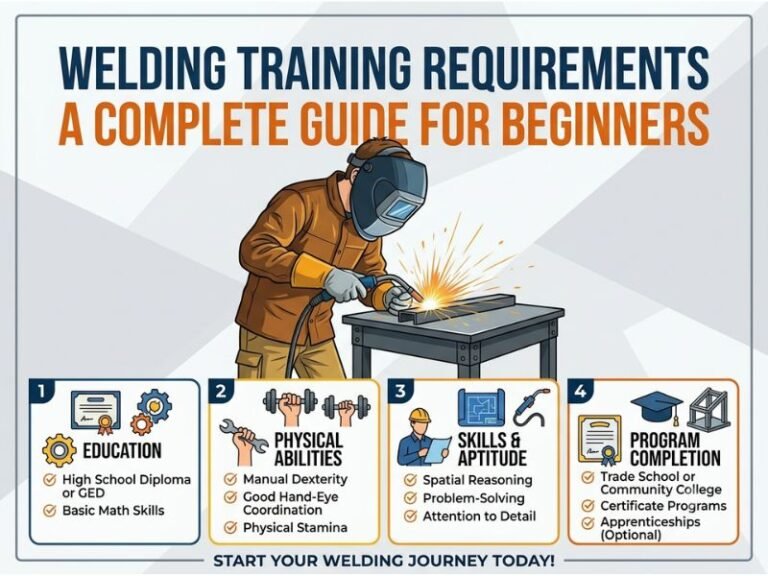
Completing a welding training program gives you the basic knowledge needed to enter the industry, but employers usually look for additional skills and qualifications before hiring a welder. The exact requirements depend on the job type, industry, and level of responsibility.
A successful welding career usually requires a combination of technical ability, certifications, safety knowledge, and professional skills.
Welding Skills
Strong welding skills are the most important requirement for getting hired. Employers want welders who can produce accurate, strong, and consistent welds while following project specifications.
Important welding skills include:
Knowledge of Different Welding Processes
Professional welders should understand how to operate different welding systems, including:
- MIG welding
- TIG welding
- Stick welding
- Flux-cored arc welding
Having experience with multiple welding methods increases job opportunities because different industries use different welding processes.
Equipment Setup and Operation
A trained welder should know how to properly prepare and operate welding equipment.
This includes:
- Adjusting machine settings
- Selecting correct electrodes or filler materials
- Checking equipment condition
- Maintaining welding tools
Proper equipment setup helps improve weld quality and reduces production errors.
Blueprint Reading
Many welding jobs require the ability to understand technical drawings and welding instructions.
Welders should know how to read:
- Blueprints
- Welding symbols
- Measurements
- Material specifications
This skill allows welders to complete projects according to engineering requirements.
Weld Inspection and Quality Control
Professional welders must understand how to identify common welding problems.
They should be able to recognize:
- Cracks
- Porosity
- Poor penetration
- Incorrect weld size
- Surface defects
Quality control knowledge helps ensure that finished products meet industry standards.
Welding Certifications
Although some entry-level welding jobs do not require certification, having professional credentials can significantly improve employment opportunities.
Certifications demonstrate that a welder has proven skills and understands industry requirements.
Common welding certifications include:
AWS Certified Welder
The American Welding Society (AWS) Certified Welder credential is widely recognized in the welding industry. It verifies that a welder can successfully complete specific welding tests according to established standards.
Benefits include:
- Better job opportunities
- Increased employer confidence
- Ability to qualify for specialized positions
Certified Welding Inspector (CWI)
The Certified Welding Inspector certification is designed for experienced welding professionals who want to move into inspection and quality control roles.
CWI professionals inspect welds, review procedures, and ensure projects meet required standards.
Industry-Specific Certifications
Some industries require additional certifications based on their safety and quality requirements.
Examples include:
- Pipe welding qualifications
- Structural welding certifications
- Industrial welding certifications
Choosing certifications based on your career goals can help you move into higher-level welding positions.
Safety Training
Safety knowledge is essential for every welding job because welders work with extreme heat, electricity, fumes, and heavy equipment.
Most employers expect welders to understand workplace safety procedures.
Important safety training areas include:
Personal Protective Equipment (PPE)
Welders must know how to properly use:
- Welding helmets
- Gloves
- Protective clothing
- Safety glasses
- Respiratory protection
Using the correct protective equipment reduces the risk of injuries.
Fire Prevention
Welding creates sparks and high temperatures that can cause fires if proper precautions are not followed.
Safety training teaches welders how to:
- Handle flammable materials
- Maintain safe work areas
- Use fire protection equipment
Hazard Awareness
Professional welders should understand risks related to:
- Welding fumes
- Electrical hazards
- Gas cylinders
- Confined spaces
Strong safety knowledge helps protect both the welder and coworkers.
Soft Skills Employers Look For
Technical ability is important, but employers also value professional skills that help welders work effectively as part of a team.
Important soft skills include:
Attention to Detail
Welding requires precision. Small mistakes can affect the strength and safety of a finished product.
Communication Skills
Welders need to communicate with:
- Supervisors
- Engineers
- Fabricators
- Other team members
Clear communication helps prevent mistakes and improves workplace efficiency.
Problem-Solving Ability
Welders often need to solve problems related to:
- Material preparation
- Equipment settings
- Welding defects
- Project requirements
Reliability and Professionalism
Employers prefer workers who:
- Arrive on time
- Follow safety rules
- Complete tasks properly
- Take responsibility for their work
Developing these skills along with technical welding abilities can greatly improve your chances of getting hired after training.
How to Find Welding Training Jobs
Finding your first welding job after completing training requires a combination of preparation, networking, and active job searching. Many new welders make the mistake of waiting for opportunities instead of actively connecting with employers and industry professionals.
The good news is that welding skills are needed in many industries, and trained welders can find opportunities through multiple channels.
Apply Through Welding Schools and Training Centers
Many welding schools and training programs provide career support after graduation. These institutions often have connections with local employers looking for trained welders.
Welding schools may help students with:
- Job placement assistance
- Resume preparation
- Interview training
- Employer connections
- Apprenticeship opportunities
Some companies regularly recruit graduates directly from welding programs because they know these candidates already have basic technical training and safety knowledge.
When choosing a welding training program, consider whether the school offers:
- Industry partnerships
- Career services
- Hands-on training
- Certification preparation
A strong connection between a training center and local employers can make the transition from student to professional welder much easier.
Use Online Job Platforms
Online job websites are another effective way to find welding training jobs. Many companies post entry-level and experienced welding positions online.
Popular job platforms include:
- Indeed
- Glassdoor
- Trade-specific job boards
When searching, use specific keywords such as:
- Entry-level welder
- Welding apprentice
- Welding trainee
- Fabrication assistant
- MIG welder
- TIG welder
- Production welder
A strong online job profile should include:
- Welding training completed
- Certifications earned
- Welding processes you know
- Hands-on project experience
- Safety training
Adding specific skills helps employers quickly understand your qualifications.
Contact Local Welding Companies
Many welding jobs are filled through direct communication with employers. Visiting local welding shops, fabrication companies, and contractors can create opportunities that may not appear online.
When contacting companies:
- Prepare a professional resume
- Bring copies of certifications
- Explain your training background
- Ask about apprentice or trainee positions
Small welding businesses often value motivated beginners who are willing to learn and improve.
Building relationships with local employers can lead to opportunities even when companies are not actively advertising job openings.
Join Apprenticeship Programs
Welding apprenticeships are one of the best ways to gain professional experience while earning income.
An apprenticeship combines:
- Classroom education
- Hands-on workplace training
- Mentorship from experienced welders
During an apprenticeship, beginners learn how welding is performed in real production environments.
Benefits of apprenticeship programs include:
- Practical experience
- Industry connections
- Improved welding skills
- Higher chances of permanent employment
Many successful welders begin their careers through apprenticeship programs because they provide a structured path from beginner to professional.
Welding Training Jobs Salary Expectations
The salary potential for welding training jobs depends on several factors, including experience level, location, industry, certifications, and welding specialization.
Beginners usually start with lower wages while they develop their skills, but earnings can increase significantly as they gain experience and complete advanced certifications.
Factors That Affect Welding Salaries
Experience Level
Experience is one of the biggest factors affecting welding income.
Entry-level welders may earn less because they are still developing speed and technical skills. Experienced welders with specialized abilities often qualify for higher-paying positions.
Welding Specialization
Different welding careers have different earning potential.
Generally, specialized roles such as:
- Pipe welding
- Underwater welding
- Aerospace welding
- Welding inspection
can offer higher income opportunities because they require advanced skills and training.
Industry Type
The industry where a welder works also affects salary.
Industries that often offer competitive wages include:
- Oil and gas
- Shipbuilding
- Aerospace
- Industrial construction
- Heavy manufacturing
Certifications
Professional certifications can improve earning potential because they show employers that a welder meets recognized skill standards.
Certified welders may have access to:
- Better job opportunities
- Higher-paying positions
- Specialized projects
Salary Progression for Welders
Beginner Welders
New welders usually start in positions such as:
- Welding helper
- Apprentice welder
- Entry-level production welder
At this stage, the main goal is gaining experience and improving technical skills.
Experienced Welders
After gaining several years of experience, welders can move into positions with more responsibility, such as:
- Certified welder
- Structural welder
- Pipe welder
- Fabrication specialist
These roles usually provide better earning opportunities.
Advanced Welding Professionals
Highly experienced welders can move into advanced careers, including:
- Welding inspector
- Welding supervisor
- Welding instructor
- Welding engineer
These positions combine technical expertise with leadership, inspection, or training responsibilities.
Career Growth Opportunities After Welding Training
Welding training is not only a pathway to becoming a welder; it can also open doors to many advanced career opportunities. With experience, additional certifications, and continued learning, welders can move into specialized positions with greater responsibility and higher earning potential.
The welding industry provides a clear career progression path for professionals who want to continue improving their skills.
Typical Welding Career Path
A common career progression looks like this:
Welding Student
↓
Welding Apprentice
↓
Entry-Level Welder
↓
Certified Welder
↓
Specialized Welder
↓
Welding Supervisor or Inspector
↓
Welding Manager or Instructor
Each stage allows welders to gain more experience, develop advanced skills, and take on more complex responsibilities.
Certified Welder
After gaining basic experience, many welders pursue certification to improve their career opportunities.
Certified welders often work on:
- Structural projects
- Industrial equipment
- Manufacturing systems
- Specialized fabrication work
Certification can help demonstrate professional ability and may allow welders to qualify for more advanced positions.
Specialized Welding Careers
Many experienced welders choose to specialize in specific areas of the industry.
Pipe Welder
Pipe welding is a highly skilled field that requires precision and advanced techniques.
Pipe welders often work in:
- Oil and gas facilities
- Power plants
- Chemical plants
- Industrial construction
Because pipe systems require strong and reliable welds, experienced pipe welders are in demand.
Underwater Welder
Underwater welding combines welding skills with commercial diving knowledge.
Underwater welders may work on:
- Offshore structures
- Ships
- Bridges
- Marine equipment
This career requires specialized training and strict safety qualifications.
Robotic Welding Technician
As manufacturing becomes more automated, robotic welding technicians are becoming increasingly valuable.
These professionals work with:
- Robotic welding systems
- Automated equipment
- Production programming
Knowledge of both welding and technology can create additional career opportunities.
Welding Inspector
Experienced welders can transition into inspection roles where they focus on ensuring welding quality and compliance.
A welding inspector may be responsible for:
- Examining completed welds
- Identifying defects
- Reviewing welding procedures
- Ensuring compliance with industry standards
This career path is ideal for welders who enjoy quality control and technical analysis.
Many welding inspectors obtain certifications such as Certified Welding Inspector (CWI) to improve their professional qualifications.
How to Improve Your Chances of Getting a Welding Job
Getting welding training is the first step, but building a successful career requires continuous improvement and professional development. Employers prefer welders who demonstrate strong skills, dedication, and a willingness to learn.
Build a Strong Welding Portfolio
A welding portfolio can help demonstrate your abilities to potential employers, especially when applying for your first job.
A good welding portfolio may include:
- Photos of completed welding projects
- Different types of welds you have performed
- Training certificates
- Welding test results
- Fabrication projects
A portfolio gives employers visual evidence of your practical experience and attention to detail.
Gain Hands-On Experience
Practical experience is one of the most important factors in developing welding skills.
Ways to gain experience include:
- Welding apprenticeships
- Internships
- School training projects
- Entry-level welding positions
- Fabrication shop experience
Even small projects can help improve your confidence and technical ability.
Employers often value candidates who have actively practiced welding beyond classroom instruction.
Continue Learning Advanced Skills
The welding industry continues to change with new technologies, materials, and equipment. Successful welders continue learning throughout their careers.
Advanced skills that can improve job opportunities include:
- Advanced TIG welding
- Pipe welding techniques
- Robotic welding operation
- Welding inspection
- Blueprint interpretation
- Welding code knowledge
Continuing education helps welders remain competitive and qualify for better positions.
Improve Your Resume
A professional welding resume should clearly show your qualifications.
Important information to include:
- Welding training completed
- Certifications
- Welding processes you know
- Industry experience
- Safety training
- Technical skills
A clear and focused resume makes it easier for employers to understand your abilities and determine whether you are a good fit for the position.
Common Mistakes New Welders Should Avoid
Starting a welding career can be exciting, but many beginners make mistakes that slow down their progress or limit their job opportunities. Understanding these common mistakes can help new welders build better habits and develop professionally.
Ignoring Safety Rules
Safety should always be a priority in welding. Some beginners focus only on improving their welding skills and overlook workplace safety procedures.
Common safety mistakes include:
- Not wearing proper personal protective equipment (PPE)
- Ignoring ventilation requirements
- Handling equipment incorrectly
- Failing to inspect tools before use
- Not following workplace safety guidelines
Welding involves risks such as burns, eye injuries, fumes, electrical hazards, and fire dangers. Professional welders understand that safe work practices are just as important as technical skills.
Developing strong safety habits early can help protect your health and improve your reputation with employers.
Not Practicing Enough
Welding is a skill that improves through regular practice. Some beginners complete training but do not spend enough time improving their technique.
Lack of practice can lead to problems such as:
- Inconsistent weld quality
- Poor machine control
- Slow work speed
- Difficulty passing welding tests
Successful welders continue practicing even after getting their first job. Regular practice helps improve:
- Welding accuracy
- Speed
- Confidence
- Ability to work with different materials
Avoiding Certifications
Some new welders believe that training alone is enough to build a successful career. While practical skills are important, certifications can provide additional advantages.
Without certifications, welders may miss opportunities in industries that require verified qualifications.
Certifications can help by:
- Proving welding ability
- Increasing employer confidence
- Improving job opportunities
- Supporting career advancement
Choosing certifications that match your career goals can make it easier to qualify for specialized welding positions.
Poor Workplace Communication
Technical skills are important, but professional communication also plays a major role in career success.
New welders sometimes struggle because they:
- Do not ask questions when unsure
- Fail to communicate problems
- Ignore instructions from supervisors
- Have difficulty working with teams
Good communication helps prevent mistakes and creates a better working environment.
Professional welders should be willing to:
- Listen carefully
- Accept feedback
- Report issues quickly
- Work effectively with coworkers
Not Learning Beyond Basic Welding
The welding industry continues to evolve with new technology and processes. Welders who stop learning may have fewer opportunities for career growth.
Beginners should continue improving their knowledge of:
- New welding equipment
- Advanced techniques
- Industry standards
- Safety procedures
- Quality requirements
Continuous learning helps welders stay competitive and qualify for better positions.
Are Welding Training Jobs a Good Career Choice?
Welding training jobs can be an excellent career choice for individuals who enjoy hands-on work, problem-solving, and creating products with their skills. Welding is a valuable trade used across many industries, which creates ongoing demand for trained professionals.
For people who want a career without spending many years in traditional education, welding training provides a faster pathway into the workforce.
Advantages of a Welding Career
Strong Job Demand
Welders are needed in many industries, including:
- Construction
- Manufacturing
- Automotive
- Energy
- Shipbuilding
- Aerospace
Because many industries depend on metal fabrication, skilled welders continue to have employment opportunities.
Multiple Career Paths
Welding offers many different career options. A person can start as an entry-level welder and later move into specialized or leadership positions.
Possible career paths include:
- Certified welder
- Pipe welder
- Welding inspector
- Welding supervisor
- Welding instructor
- Welding engineer
This flexibility allows professionals to choose a career direction based on their interests.
Good Earning Potential
While beginners may start with entry-level wages, experienced and specialized welders can earn significantly higher incomes.
Advanced skills, certifications, and experience can lead to opportunities in industries that offer competitive salaries.
Opportunity for Advancement
Welding is not limited to performing basic welding tasks. Experienced professionals can move into positions involving:
- Management
- Inspection
- Training
- Engineering support
- Quality control
Career growth depends on gaining experience and continuing education.
Challenges of Welding Careers
Although welding offers many benefits, it also comes with challenges.
Common challenges include:
- Working in hot environments
- Physical demands
- Exposure to welding fumes
- Need for continuous skill improvement
- Strict safety requirements
People considering welding careers should understand both the benefits and responsibilities involved.
Overall, welding training jobs provide a practical pathway to a stable career for individuals who are willing to develop their skills, follow safety practices, and continue learning throughout their professional journey.
Frequently Asked Questions About Welding Training Jobs
What Jobs Can I Get After Welding Training?
After completing welding training, you can apply for various entry-level and professional welding positions. Beginners often start as welding helpers, apprentices, or production welders where they can gain practical experience.
With additional experience and certifications, welders can move into specialized roles such as pipe welding, structural welding, fabrication welding, or welding inspection. The type of job available depends on your training, skills, certifications, and the industry you choose.
Do I Need Certification to Get a Welding Job?
Certification is not always required for every entry-level welding position, but it can improve your chances of getting hired. Many employers prefer certified welders because certification shows that you have demonstrated your skills through testing.
Certifications such as AWS Certified Welder can help you qualify for more advanced positions and increase your career opportunities. For specialized fields like welding inspection or pipe welding, additional certifications may be necessary.
How Long Does It Take to Get a Welding Job After Training?
The time required to get a welding job depends on your training program, skill level, location, and job market. Some graduates find entry-level opportunities immediately after completing their training, while others may need additional practice or certification before getting hired.
Building a strong resume, applying to multiple employers, and gaining hands-on experience through apprenticeships can help speed up the job search process.
Can Beginners Get Welding Jobs?
Yes, beginners can get welding jobs after completing basic training. Many companies hire new welders for apprentice, trainee, and helper positions.
Entry-level jobs allow beginners to learn workplace procedures, improve their welding skills, and gain the experience needed to move into higher-level positions.
Is Welding a Good Career in the Future?
Welding continues to be a valuable career because many industries depend on skilled welders. Construction, manufacturing, energy, and infrastructure projects all require welding professionals.
As technology changes, welders who learn advanced techniques, automation, and inspection skills can find even more opportunities for career growth.
Conclusion
Welding training jobs provide an important starting point for anyone interested in building a career in the skilled trades. Completing a welding program helps develop the technical knowledge, safety awareness, and practical skills needed to enter the workforce.
New welders can begin with entry-level roles such as apprentices, welding helpers, or production welders and gradually advance into specialized careers through experience and certifications. Industries such as construction, manufacturing, automotive, and energy continue to create opportunities for trained welding professionals.
Success in welding depends on continuous learning, strong work habits, and a commitment to quality and safety. By gaining hands-on experience and improving technical skills, welders can build a stable and rewarding career with many opportunities for advancement.