Welding Certification: The Complete Guide for Beginners
Whether you’re just starting your welding career or looking to qualify for higher-paying jobs, earning a welding certification is one of the smartest investments you can make. While welding skills are developed through training and hands-on experience, certification provides independent proof that you can perform welds to recognized industry standards. For many employers, it’s more than just a credential—it’s evidence that you have the knowledge, technical ability, and consistency needed to work safely and produce high-quality welds.
The demand for qualified welders remains strong across industries such as construction, manufacturing, energy, shipbuilding, aerospace, and infrastructure. According to the American Welding Society (AWS), the United States is expected to face a shortage of more than 320,000 welding professionals by 2029, creating significant opportunities for trained and certified welders. As experienced workers retire and new infrastructure projects continue to grow, employers are increasingly seeking candidates who already hold recognized welding certifications.
Certification can also have a direct impact on your career growth. Many employers require certified welders for code-regulated work involving structural steel, pressure vessels, pipelines, and critical infrastructure. Certain certifications may also help you qualify for specialized roles with greater responsibility and higher earning potential, making them a valuable long-term investment in your career.
However, choosing the right certification isn’t always straightforward. There are certifications for different welding processes, positions, industries, and career paths. You may come across AWS certifications, ASME qualifications, 6G pipe welding certifications, Certified Welding Instructor (CWI) credentials, International Welding Engineer (IWE) programs, and many others. Understanding which certification matches your experience level and career goals is essential before investing your time and money.
This guide is designed to simplify the entire process. You’ll learn what welding certification is, why it matters, the different types of certifications available, eligibility requirements, training pathways, certification costs, exam formats, renewal requirements, and how to choose the certification that best fits your career. We’ll also provide an overview of each major certification category and link to dedicated in-depth guides, making this the central resource for anyone planning to become a certified welder or advance their professional qualifications.
What Is Welding Certification?
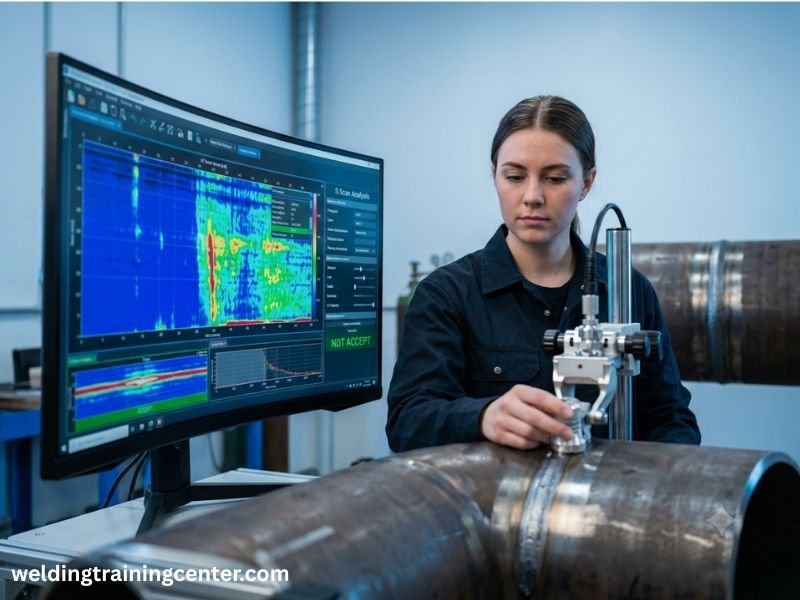
A welding certification is an official credential that verifies a welder has demonstrated the skills and knowledge required to produce welds that meet specific industry standards. Rather than simply completing a training course, certified welders must successfully pass qualification tests that evaluate their ability to perform welds according to established welding procedures, codes, and quality requirements.
Think of welding certification as proof of competency. It gives employers confidence that you can consistently produce safe, high-quality welds in real-world working conditions. In many industries—such as structural steel, pipeline construction, pressure vessels, shipbuilding, and power generation—certification is often required before a welder can work on regulated projects.
How Does Welding Certification Work?
Although certification requirements vary depending on the organization and type of certification, the process generally follows the same path:
- Complete welding training or gain practical experience.
- Practice the required welding process and positions.
- Meet the certification eligibility requirements.
- Take a practical welding qualification test (and, in some cases, a written exam).
- Have the test weld inspected and evaluated according to the applicable code or standard.
- Receive certification if you successfully meet the required acceptance criteria.
The exact testing procedure depends on the certification you’re pursuing, but the goal is always the same—to verify that you can produce welds that meet industry expectations.
What Does a Welding Certification Prove?
A welding certification demonstrates that you can:
- Follow approved welding procedures.
- Produce quality welds consistently.
- Work safely with welding equipment.
- Understand welding standards and specifications.
- Meet employer and industry requirements.
- Perform welding in specific positions, materials, or processes.
Instead of relying solely on work experience, employers can use certification as an objective measure of your technical ability.
Who Issues Welding Certifications?
Several organizations around the world develop welding standards and certification programs. Each serves different industries, applications, or regions.
Some of the most recognized certification bodies include:
- American Welding Society (AWS)
- American Society of Mechanical Engineers (ASME)
- International Institute of Welding (IIW)
- National and regional certification organizations
- Employer or industry-specific qualification programs
Each organization has its own certification requirements, testing procedures, and renewal policies, which we’ll introduce later in this guide.
Why Certification Matters
Completing a welding training program teaches you how to weld, but certification proves that you can perform those skills to an accepted professional standard. That’s why many employers prefer—or even require—certified welders when hiring for safety-critical or code-regulated work.
Whether you’re seeking your first welding job or looking to advance into specialized industries, earning the right certification can improve your credibility, expand your career opportunities, and help you stand out in a competitive job market.
Welding Certification vs. Welding License vs. Welding Training
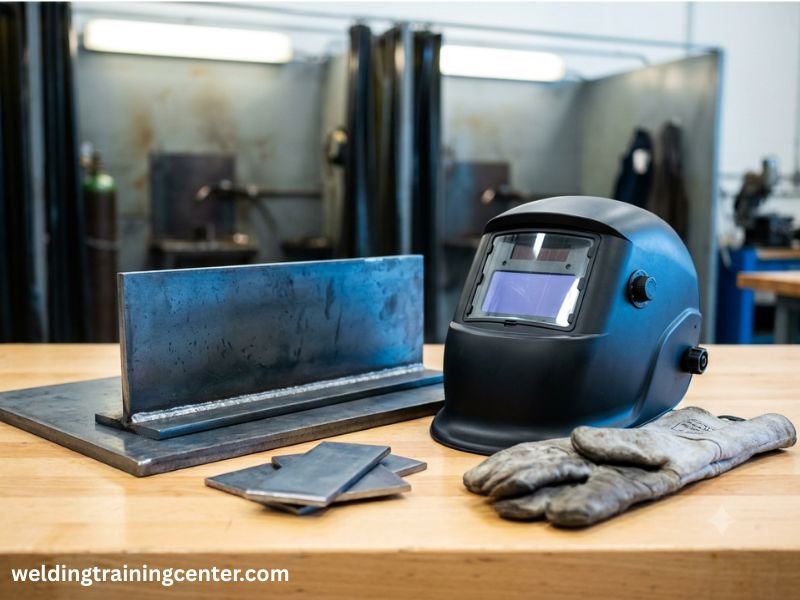
Many people use the terms welding certification, welding license, and welding training interchangeably, but they refer to three different things. Understanding the difference is important because each serves a unique purpose in your welding career.
In simple terms, training teaches you the skills, certification proves your abilities, and a license—where applicable—gives you legal permission to perform certain types of work in a specific location.
Welding Training
Welding training is the educational process of learning how to weld. It can be completed through a trade school, community college, technical institute, apprenticeship, or employer-sponsored program.
During training, you’ll learn:
- Welding fundamentals
- Welding safety
- Blueprint reading
- Welding processes
- Equipment setup
- Hands-on welding practice
- Basic inspection techniques
At the end of a training program, you may receive a training certificate showing that you completed the course. However, this certificate is not the same as a professional welding certification.
Welding Certification
A welding certification verifies that you can produce welds that meet a specific code or industry standard. Instead of simply attending classes, you must successfully pass qualification tests that evaluate your practical welding skills and, in some cases, your technical knowledge.
Certification demonstrates that you:
- Meet established welding standards
- Can perform specific welding procedures
- Produce acceptable weld quality
- Have proven your skills through testing
Many employers require certified welders for structural, pipeline, pressure vessel, aerospace, and other safety-critical applications.
Welding License
A welding license is different from certification. Rather than proving your welding skills, a license is typically a legal or regulatory requirement issued by a government authority or local jurisdiction that allows you to perform certain types of welding work.
Not every country, state, or municipality requires welding licenses. In many regions, employers rely primarily on recognized welding certifications instead.
Depending on where you work, a license may be required for:
- Public infrastructure projects
- Government contracts
- Contractor registration
- Specialized regulated work
Always check the regulations in your local area, as licensing requirements vary widely.
Training Certificate vs. Welding Certification
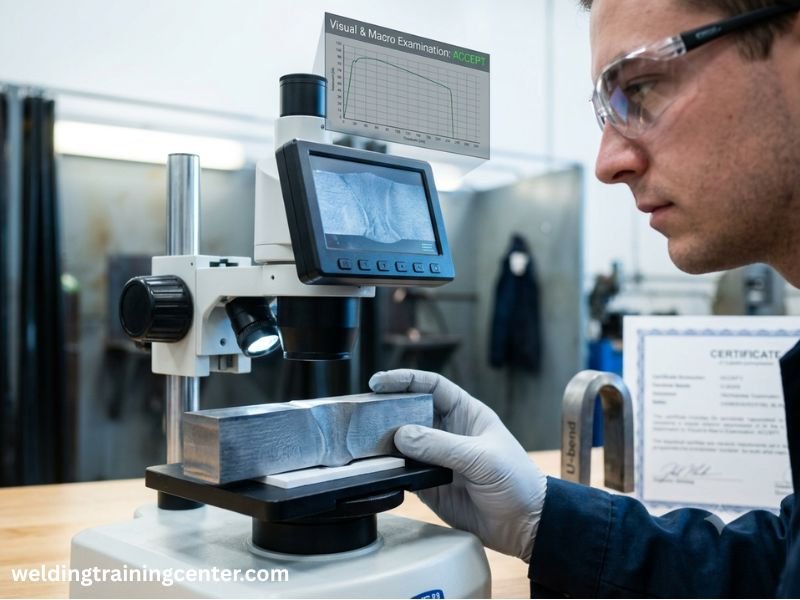
This is one of the most common areas of confusion among beginners.
A training certificate simply confirms that you completed a welding course or training program. It shows attendance and successful completion of the curriculum but doesn’t necessarily prove that you can perform welds to an industry standard.
A welding certification, on the other hand, is earned by passing a qualification test that measures your actual welding ability.
For example:
- You can graduate from a welding school with a training certificate.
- Later, you may take a certification test to become a certified welder.
Many welders earn both—a training certificate from their school and one or more professional certifications recognized by employers.
Quick Comparison
| Feature | Welding Training | Welding Certification | Welding License |
| Purpose | Learn welding skills | Verify welding competency | Legal authorization (where required) |
| Issued By | Schools or training providers | Certification organizations | Government or regulatory authority |
| Requires Practical Test | Usually part of training | Yes | Depends on local regulations |
| Recognized by Employers | Yes | Highly valued and often required | Only where licensing laws apply |
| Career Benefit | Builds foundational skills | Improves employability and advancement | Allows work in regulated jurisdictions |
Understanding these differences helps you plan your career more effectively. For most people, the journey follows a logical progression: complete welding training, earn one or more professional certifications, and obtain any required licenses if your location or employer requires them. This combination provides the strongest foundation for a successful and long-lasting welding career.
Why Welding Certification Is Important
Earning a welding certification is about much more than adding a credential to your resume. It demonstrates that your skills have been tested against recognized industry standards and that you can consistently produce quality welds in real-world working conditions. For employers, certification reduces hiring risk. For welders, it can lead to better job opportunities, higher earning potential, and long-term career growth.
Whether you’re entering the industry for the first time or looking to advance into specialized fields, certification can provide a significant competitive advantage.
Increases Your Employment Opportunities
Many employers prefer—or require—certified welders when hiring. Certification gives hiring managers confidence that you’ve already demonstrated the skills needed to perform welding work safely and correctly.
Holding a recognized certification can make your application more competitive, especially when applying for positions in industries with strict quality standards.
Builds Employer Confidence
Every employer wants welders who can produce consistent, high-quality work. Certification serves as an independent verification of your abilities, reducing the need for employers to rely solely on resumes or previous work experience.
In many cases, a certified welder may require less initial skills testing during the hiring process because their qualifications have already been evaluated.
Opens the Door to Specialized Careers
Some welding jobs require more than basic welding knowledge. Industries such as pipeline construction, pressure vessel manufacturing, aerospace, nuclear power, and structural steel often require welders to hold specific certifications before they can work on regulated projects.
As your career progresses, additional certifications can help you qualify for more technical and specialized positions.
May Increase Your Earning Potential
While certification doesn’t automatically guarantee a higher salary, it can improve your earning potential over time. Certified welders often qualify for positions with greater responsibility, more complex welding procedures, and specialized industries that typically offer higher compensation.
Combined with experience and continuous training, certification can become an important factor in long-term salary growth.
Demonstrates Commitment to Professional Development
Certification shows that you’re serious about your profession. It demonstrates a willingness to improve your skills, meet industry standards, and invest in your career.
Many employers value this commitment because it often reflects a strong work ethic and a focus on producing quality workmanship.
Supports Career Advancement
As you gain experience, certifications can help you move beyond entry-level welding positions. Many experienced welders eventually pursue careers as:
- Pipe Welders
- Welding Inspectors
- Welding Supervisors
- Welding Instructors
- Welding Engineers
- Quality Control Specialists
- Robotic Welding Technicians
Additional certifications often provide the knowledge and qualifications needed for these advanced career paths.
Improves Workplace Safety and Quality
Certification isn’t just about making good-looking welds. It also emphasizes proper welding procedures, code compliance, quality control, and safe work practices.
Certified welders are trained to follow approved welding procedures, understand material requirements, and recognize defects before they become costly or dangerous problems.
Provides International Career Opportunities
Many internationally recognized certifications are respected by employers around the world. If you’re interested in working overseas or for multinational companies, earning globally recognized credentials can make it easier to demonstrate your qualifications across different markets.
A Valuable Investment in Your Career
Unlike tools or equipment that wear out over time, the knowledge and skills you gain while preparing for certification continue to benefit you throughout your career. Certification can improve your professional reputation, expand your employment opportunities, and create a foundation for continuous learning and specialization.
For anyone planning a long-term career in welding, certification isn’t simply an optional achievement—it’s one of the most valuable investments you can make in your future.
Who Should Get Welding Certified?
A welding certification isn’t just for experienced professionals. Whether you’re entering the trade, changing careers, or looking to qualify for more advanced positions, certification can help validate your skills and improve your employment opportunities.
The right certification depends on your experience level, career goals, and the type of welding work you plan to perform. Below are the groups that can benefit the most from becoming certified.
Beginner Welders
If you’re new to welding, earning your first certification can give you a competitive advantage when applying for entry-level jobs. While many employers hire graduates from welding schools, a recognized certification demonstrates that your skills have been tested against industry standards—not just classroom requirements.
Many beginners complete a welding training program first and then pursue certification to strengthen their resume.
Students Completing Welding Training
Students graduating from trade schools, technical colleges, or apprenticeship programs are among the most common candidates for welding certification.
Taking a certification exam shortly after completing training allows you to:
- Validate your newly acquired skills
- Improve your job prospects
- Stand out from other graduates
- Meet employer hiring requirements
For many students, certification is the natural next step after finishing their welding education.
Professional Welders
Experienced welders can also benefit from additional certifications throughout their careers. As industries adopt new technologies and quality standards, many employers expect welders to maintain current qualifications or earn certifications for specific welding processes and applications.
Additional certifications can help experienced professionals qualify for higher-paying and more specialized positions.
Pipe and Structural Welders
Pipe welding and structural welding often involve strict codes and quality requirements. Employers in these industries frequently require welders to hold certifications that demonstrate they can consistently produce code-compliant welds in challenging positions.
If your career goal is to work on pipelines, pressure vessels, bridges, buildings, or industrial construction projects, certification is often essential.
Welding Inspectors and Quality Professionals
Professionals who inspect welds or oversee welding quality also benefit from specialized certifications. These credentials demonstrate expertise in evaluating weld quality, interpreting welding codes, and ensuring compliance with industry standards.
Certification is especially valuable for those pursuing careers in quality assurance, inspection, or welding supervision.
Welding Instructors
Teaching welding requires more than technical skill—it also requires the ability to train, mentor, and evaluate future welders. Many educational institutions and training providers prefer instructors who hold recognized certifications alongside practical industry experience.
Instructor certifications can strengthen your qualifications if you plan to move into education or workforce development.
Employers and Companies
Certification isn’t only beneficial for individual welders. Many companies encourage or sponsor certification because it helps improve product quality, workplace safety, customer confidence, and compliance with industry codes.
Organizations with certified welding personnel may also have an advantage when bidding on projects that require qualified welders.
Is Certification Mandatory?
Not every welding job requires certification. Some entry-level manufacturing and fabrication positions hire welders based on practical skills and provide additional training after employment.
However, certification becomes increasingly important as you move into specialized industries, pursue leadership roles, or work on projects governed by national or international welding codes.
When Is the Best Time to Get Certified?
For most people, the ideal time to pursue certification is after completing a quality welding training program and gaining enough practical experience to confidently pass the required qualification tests.
Waiting too long can mean missing job opportunities, while attempting certification before developing solid welding skills may make passing the exam more difficult.
Whether you’re a student, an experienced welder, or someone planning a long-term career in the skilled trades, earning the right welding certification can help demonstrate your abilities, increase your credibility, and create new opportunities for career advancement.
Types of Welding Certifications
Not all welding certifications are the same. Some verify your ability to perform a specific welding process, while others qualify you for specialized industries, leadership roles, or international career opportunities. Choosing the right certification depends on your experience, career goals, and the type of work you want to perform.
In this section, we’ll introduce the major categories of welding certifications. Each overview provides a general understanding of the certification and links to a dedicated guide where you can explore eligibility requirements, training, exams, costs, and career benefits in detail.
AWS Welding Certifications
The American Welding Society (AWS) offers some of the most widely recognized welding certifications in the industry. AWS certifications are accepted by many employers across construction, manufacturing, fabrication, energy, shipbuilding, and other industrial sectors.
AWS provides certifications for welders, inspectors, educators, and welding professionals, each designed to verify specific skills and qualifications. If you’re planning to build a long-term welding career, AWS certification is often one of the first credentials to consider.
ASME Welding Certifications
The American Society of Mechanical Engineers (ASME) develops welding standards used in industries such as power generation, pressure vessels, boilers, refineries, and industrial piping. Welders working on ASME code-regulated projects must demonstrate that they can perform welds according to strict engineering and safety requirements.
ASME-related training is especially valuable for professionals working in heavy industry and high-pressure applications.
6G Welding Certification
Among all welding qualifications, the 6G welding certification is considered one of the most challenging and respected. It tests a welder’s ability to weld pipe in a fixed position, requiring a high level of precision, control, and technical skill.
Because of its difficulty, 6G certification is highly valued in industries such as pipeline construction, oil and gas, power generation, and industrial fabrication.
Welding Training Certificate
A welding training certificate is different from a professional welding certification. It confirms that you’ve successfully completed a welding course or training program but doesn’t necessarily prove that you’ve passed an industry-recognized qualification test.
Training certificates are an important milestone for beginners and often serve as the first step toward earning professional certifications later in their careers.
Welding Training and Certification
Many people are unsure about the relationship between welding training and welding certification. While training teaches the knowledge and practical skills required to become a welder, certification verifies that you can perform those skills according to recognized industry standards.
Understanding how these two stages work together can help you build a clear roadmap from beginner to certified professional.
Certified Welding Instructor (CWI) Training
Some experienced welders choose to move beyond production work and into education or workforce development. Certified Welding Instructor training prepares professionals to teach welding techniques, evaluate student performance, and deliver structured welding education.
Instructor credentials can strengthen your qualifications if you’re interested in training future welders or working for technical schools and training centers.
International Welding Engineer (IWE)
The International Welding Engineer (IWE) qualification is designed for engineering professionals responsible for welding design, quality management, production planning, and technical supervision. It combines engineering principles with advanced welding technology and is recognized in many countries around the world.
This pathway is best suited for engineers seeking leadership roles in manufacturing, construction, and industrial production.
International Welding Specialist (IWS)
The International Welding Specialist (IWS) qualification focuses on the technical supervision and coordination of welding activities. It bridges the gap between skilled welders and welding engineers by providing deeper knowledge of welding processes, quality control, materials, and production management.
IWS certification is an excellent option for experienced welders looking to advance into supervisory or technical support roles.
Each certification serves a different purpose, and no single credential is the “best” for every welder. The right choice depends on your current experience, the industry you want to work in, and your long-term career goals. In the next section, we’ll walk through the step-by-step process of how to get welding certified, from choosing the right training program to passing your certification exam.
How to Get Welding Certified
Becoming a certified welder isn’t as complicated as many beginners think. While the exact process varies depending on the certification organization and the type of certification you’re pursuing, most welders follow the same general path—from learning the fundamentals to passing a practical qualification test.
Whether you’re aiming for your first certification or preparing for a specialized credential, the steps below will help you understand the journey.
Step 1: Learn the Fundamentals of Welding
If you’re new to the trade, your first step should be developing a solid foundation in welding. Most beginners do this by enrolling in a welding training program offered by a trade school, technical college, apprenticeship, or vocational training center.
During training, you’ll learn:
- Welding safety
- Welding processes
- Equipment setup
- Blueprint reading
- Welding symbols
- Metal preparation
- Hands-on welding practice
Building strong fundamental skills will make certification preparation much easier.
Step 2: Choose the Right Certification
Not every certification is designed for the same career path. Before registering for an exam, determine which certification aligns with your goals.
For example:
- General fabrication and manufacturing
- Structural welding
- Pipe welding
- Pressure vessel welding
- Welding inspection
- Welding instruction
- Engineering and technical supervision
Choosing the right certification early helps you focus your training and practice on the skills you’ll actually be tested on.
Step 3: Gain Hands-On Practice
Certification exams evaluate practical welding ability, so regular practice is essential. Spend time working with the welding process, materials, and welding positions required for your chosen certification.
Focus on improving:
- Arc control
- Travel speed
- Weld penetration
- Consistency
- Joint preparation
- Position welding
- Weld appearance
The more experience you gain before the exam, the greater your chances of passing on your first attempt.
Step 4: Meet the Eligibility Requirements
Some entry-level certifications are open to beginners, while advanced certifications may require previous welding experience, documented work history, formal training, or educational qualifications.
Before applying, carefully review the eligibility requirements for your chosen certification program to ensure you meet all prerequisites.
Step 5: Register for the Certification Exam
Once you’re ready, submit your application through the appropriate certification body or approved testing center.
Registration may involve:
- Completing an application form
- Paying examination fees
- Selecting a testing location
- Scheduling an examination date
- Providing required documentation
Some training schools and employers also coordinate certification testing for their students or employees.
Step 6: Complete the Certification Test
Most welding certifications include a practical welding performance test, while some also require written examinations covering welding theory, safety, codes, or technical knowledge.
During the practical test, you’ll typically be evaluated on:
- Welding procedure compliance
- Weld quality
- Joint preparation
- Technique
- Defect control
- Overall workmanship
After testing, your welds are inspected according to the applicable code or certification standard.
Step 7: Receive Your Certification
If you successfully meet the required acceptance criteria, you’ll receive your welding certification. This credential demonstrates that you’ve met the performance standards established by the certification organization.
Many employers view certification as evidence that you’re ready to perform welding work according to recognized industry requirements.
Step 8: Maintain Your Certification
Earning your certification isn’t always the end of the process. Some certifications require periodic renewal, continuity records, or requalification to remain valid.
Depending on the certification, maintaining your credential may involve:
- Documenting continued welding activity
- Completing renewal paperwork
- Paying renewal fees
- Retesting if required
- Meeting updated certification requirements
Keeping your certification current helps maintain your professional credibility and ensures you’re eligible for future employment opportunities.
Certification Is a Career Milestone
Becoming certified is one of the most valuable achievements in a welder’s career. While the process requires preparation, practice, and commitment, the rewards often include stronger job prospects, greater professional credibility, and access to more specialized and higher-paying opportunities.
In the next sections, we’ll take a closer look at welding certification requirements, costs, exam formats, and renewal processes, so you’ll know exactly what to expect before starting your certification journey.
Welding Certification Requirements
Before applying for a welding certification, you need to make sure you meet the eligibility requirements. The exact requirements vary depending on the certification organization, the type of certification, and the industry you’ll be working in. Entry-level performance certifications generally have fewer prerequisites, while advanced certifications for inspectors, instructors, and engineers often require additional education or professional experience.
The good news is that most beginner welding certifications are accessible to anyone who has developed the necessary welding skills through training or practical experience.
Looking for a detailed eligibility checklist? Read our complete guide on Welding Certification Requirements to learn about age limits, experience requirements, required documents, and qualification standards.
Basic Eligibility Requirements
Most welding certification programs require applicants to:
- Meet the minimum age requirement (where applicable)
- Demonstrate the necessary welding skills
- Follow the applicable welding procedure
- Complete the required qualification test
- Provide any required application documents
Unlike many professional licenses, beginner welding certifications usually don’t require a college degree.
Do You Need Welding Training?
Although formal welding training isn’t always mandatory, it is highly recommended. Training provides the technical knowledge and hands-on practice needed to pass certification exams with confidence.
Many candidates earn their certification after completing a:
- Trade school program
- Technical college course
- Community college program
- Apprenticeship
- Employer-sponsored training program
Experienced welders may also qualify through practical work experience without attending a formal school, depending on the certification.
Experience Requirements
Requirements differ depending on the certification.
For example:
- Entry-level welder certifications may require little or no professional experience.
- Advanced certifications often require documented work experience.
- Instructor, inspector, and engineering certifications usually have more extensive eligibility requirements.
Always review the specific requirements for the certification you’re pursuing before applying.
Required Skills
Certification exams evaluate your ability to perform welding according to established standards. Before scheduling your test, you should be comfortable with:
- Welding safety
- Equipment setup
- Joint preparation
- Proper welding technique
- Reading welding procedures
- Producing consistent weld quality
- Identifying common welding defects
The stronger your practical skills, the greater your chance of passing the certification exam on your first attempt.
Documents You May Need
Depending on the certification provider, you may be asked to submit:
- Completed application form
- Government-issued identification
- Training records (if required)
- Employment or work experience documentation
- Previous certifications (for advanced credentials)
- Examination fees
Some organizations may require additional paperwork for specialized certifications.
Physical Requirements
Welding is a physically demanding profession, and certification tests often involve working in realistic welding positions.
Candidates should generally be able to:
- Wear appropriate PPE
- Stand for extended periods
- Handle welding equipment safely
- Maintain proper body positioning during welding
- Produce welds under test conditions
Certain employers may also require medical or vision examinations before hiring, although these are typically employment requirements rather than certification requirements.
Requirements Vary by Certification
One of the most important things to remember is that there isn’t a single set of welding certification requirements. Organizations such as AWS, ASME, and international certification bodies each have their own eligibility criteria, examination procedures, and renewal policies.
Before investing your time and money, carefully review the official requirements for the certification that best matches your career goals.
Meeting the eligibility requirements is the first step toward earning a recognized welding certification. Once you’re qualified to apply, the next questions most candidates ask are “How much does certification cost?” and “How long does the process take?” I’ll answer both in the following sections.
Welding Certification Cost
The cost of earning a welding certification varies depending on the certification organization, the type of certification, your location, and whether you need additional training before taking the exam. Some entry-level performance certifications are relatively affordable, while advanced certifications for inspectors, instructors, or engineers can require a much larger investment.
Instead of focusing only on the exam fee, it’s important to consider the total cost of becoming certified, including training, testing, equipment, and renewal expenses.
Want a complete price breakdown? Read our detailed guide on Welding Certification Cost, where we compare certification fees, training expenses, renewal costs, and money-saving tips.
What Determines the Cost?
Several factors influence the overall cost of welding certification, including:
- Certification organization
- Type of certification
- Experience level
- Training requirements
- Testing location
- Number of welding processes
- Certification renewal requirements
Advanced certifications generally cost more than entry-level performance qualifications because they often involve additional training, written exams, or experience requirements.
Common Expenses to Expect
When budgeting for certification, you may encounter costs such as:
- Training program tuition
- Certification exam fees
- Practical test fees
- Written examination fees
- Study materials
- Welding coupons or test materials
- Personal protective equipment (PPE)
- Travel expenses (if testing at another location)
- Certification renewal fees
Not every candidate will pay all of these costs, but they should be considered when planning your certification journey.
Can Your Employer Pay?
Many employers recognize the value of certified welders and may cover part or all of the certification costs.
Employer support may include:
- Exam fee reimbursement
- Paid certification training
- On-site testing
- Continuing education support
- Certification renewal assistance
If you’re already employed as a welder, ask your supervisor or HR department whether financial assistance is available.
Financial Aid and Funding Options
Students and new welders may also be able to reduce certification costs through:
- Trade school financial aid
- Government workforce grants
- Veterans’ education benefits
- Apprenticeship programs
- Employer-sponsored training
- Workforce development initiatives
These programs vary by country and region, so it’s worth exploring local funding opportunities before paying out of pocket.
Is Welding Certification Worth the Cost?
For most welders, the answer is yes. While certification requires an upfront investment, it can improve your employment prospects, help you qualify for specialized positions, and support long-term career advancement.
Rather than viewing certification as an expense, many professionals see it as an investment in their future earning potential and professional credibility.
The total cost will depend on your chosen certification and career path, but selecting the right certification can provide value for years to come. In the next section, we’ll look at how long it typically takes to earn a welding certification and the factors that influence the timeline.
How Long Does It Take to Get a Welding Certification?
One of the most common questions aspiring welders ask is, “How long does it take to get certified?” The answer depends on several factors, including your current skill level, the certification you’re pursuing, whether you already have welding experience, and how much time you dedicate to training and practice.
For someone who already has strong welding skills, earning a basic performance certification may take only a short period once they’re ready for the qualification test. On the other hand, beginners usually need to complete welding training and gain sufficient hands-on experience before attempting the certification exam.
Want a complete timeline? Read our detailed guide on How Long Does Welding Certification Take? to compare certification timelines for beginners, experienced welders, and advanced professional credentials.
Beginners Usually Need Training First
If you’re new to welding, certification isn’t the first step—learning the trade is. Most beginners spend time developing their skills through:
- Trade schools
- Community colleges
- Technical institutes
- Apprenticeships
- Employer-sponsored training
Once you’ve mastered the required welding techniques and can consistently produce quality welds, you’ll be ready to take a certification test.
Experienced Welders Can Get Certified Faster
If you’ve already been working as a welder, the process is often much shorter. Experienced professionals may only need time to prepare for the specific welding procedure and schedule their qualification test.
However, success still depends on your ability to meet the requirements of the certification standard and produce acceptable test welds.
Certification Type Matters
Not every certification requires the same amount of preparation.
For example:
- Entry-level performance certifications generally have a shorter preparation period.
- Specialized certifications may require additional training and practice.
- Inspector, instructor, and engineering certifications often involve education, documented work experience, and written examinations in addition to practical assessments.
The more advanced the certification, the longer the overall process is likely to be.
Factors That Affect the Timeline
Several variables influence how quickly you can become certified, including:
- Previous welding experience
- Skill level
- Training program length
- Certification requirements
- Practice time
- Test availability
- Number of certifications you’re pursuing
Some candidates focus on earning a single certification, while others work toward multiple qualifications to expand their career opportunities.
Don’t Rush the Process
Although it’s natural to want certification as quickly as possible, rushing into an exam before you’re fully prepared can lead to unsuccessful test results and additional costs for retesting.
Taking extra time to refine your technique, practice under realistic conditions, and understand the applicable welding procedures often increases your chances of passing on the first attempt.
Focus on Long-Term Success
The goal isn’t simply to earn a certification as fast as possible—it’s to become a skilled welder who can consistently perform high-quality work. A solid foundation of training, practice, and experience will serve you throughout your career, long after you’ve received your certification.
Next, we’ll explore how welding certification exams work, including the practical tests, written assessments, inspection methods, and what you can expect on exam day.
Welding Certification Exams: What to Expect
Earning a welding certification requires more than completing a training program—you must prove your skills by passing a certification exam. Depending on the certification you’re pursuing, the exam may include a practical welding test, a written examination, or both.
The primary goal of every certification exam is to verify that you can produce welds that meet the applicable welding code, specification, or industry standard under controlled testing conditions.
Want a complete exam guide? Read our detailed article on Welding Certification Tests to learn about exam formats, preparation tips, scoring, and common reasons candidates fail.
Practical Welding Test
For most welder certifications, the practical test is the most important part of the examination.
During the test, you’ll be required to complete one or more welds using a specified:
- Welding process
- Base material
- Joint design
- Welding position
- Filler material
- Welding procedure
Unlike classroom projects, every part of the test follows strict qualification requirements. Your completed weld must meet the acceptance criteria established by the applicable welding code.
Written Examination
Some certifications also include a written exam to evaluate your technical knowledge.
Topics may include:
- Welding safety
- Welding symbols
- Welding terminology
- Welding procedures
- Metallurgy fundamentals
- Welding codes and standards
- Inspection methods
- Quality control
Advanced certifications for inspectors, instructors, and engineers typically place greater emphasis on theoretical knowledge than entry-level performance certifications.
Weld Inspection
After completing the practical test, your welds are inspected to determine whether they meet the required quality standards.
Depending on the certification, inspections may include:
- Visual inspection
- Bend testing
- Macro examination
- Radiographic (X-ray) testing
- Ultrasonic testing
- Other approved testing methods
The inspection process is designed to identify defects that could affect the strength, safety, or reliability of the weld.
Common Reasons Candidates Fail
Even skilled welders can fail a certification exam if they overlook basic requirements.
Some of the most common reasons include:
- Poor joint preparation
- Incorrect welding parameters
- Inconsistent travel speed
- Improper electrode or torch angle
- Lack of fusion
- Incomplete penetration
- Excessive porosity
- Undercut or overlap
- Failure to follow the welding procedure specification (WPS)
Most failures are preventable with proper preparation and enough hands-on practice before exam day.
How to Improve Your Chances of Passing
Success starts well before the exam.
Here are a few proven ways to prepare:
- Practice using the same welding process you’ll be tested on.
- Become familiar with the required welding position.
- Follow the correct welding procedure specification (WPS).
- Practice under realistic testing conditions.
- Ask experienced instructors to evaluate your welds.
- Improve consistency rather than speed.
- Review welding theory and safety principles.
Many candidates benefit from mock qualification tests before taking the official examination.
Don’t Be Discouraged by the Exam
Certification exams are designed to verify professional competency—not to trick candidates. If you’ve completed quality training, practiced consistently, and understand the required welding procedures, you’ll be well prepared for the test.
Even if you don’t pass on your first attempt, many certification programs allow you to retest after additional practice.
Passing a welding certification exam is an important milestone that demonstrates your skills to employers and opens the door to new career opportunities. After earning your certification, it’s equally important to understand how long it remains valid and what you’ll need to do to keep it active, which we’ll cover in the next section.
How Long Is a Welding Certification Valid?
Earning a welding certification is a major achievement, but it’s important to understand that many certifications are not valid forever. Depending on the certification organization, the type of certification, and the applicable welding code, you may need to renew your certification, maintain continuity records, or requalify periodically to keep your credentials active.
If you allow a certification to expire, you may lose your qualification status and need to complete additional testing before returning to certified welding work.
Want a complete renewal guide? Read our in-depth article on Welding Certification Renewal to learn about validity periods, continuity requirements, renewal fees, and when retesting is necessary.
Why Do Welding Certifications Expire?
The purpose of certification is to verify that a welder can consistently perform quality welds. Since welding skills can decline without regular practice, many certification organizations require proof that certified welders continue to perform the welding processes for which they were qualified.
Renewal requirements help ensure that certified professionals maintain their skills and remain familiar with current industry standards.
What Affects Certification Validity?
The length of time a certification remains valid depends on several factors, including:
- Certification organization
- Type of certification
- Applicable welding code
- Employer requirements
- Continuity documentation
- Renewal policies
Each certification body establishes its own rules, so it’s important to review the requirements for your specific credential.
Continuity Records
Many welder performance certifications require welders to demonstrate that they have continued performing the qualified welding process during a specified period.
Continuity records may include documentation showing:
- Ongoing welding activity
- Employer verification
- Qualified welding processes used
- Dates of welding work
Keeping accurate records can help prevent unnecessary retesting and maintain your certification status.
When Is Retesting Required?
Retesting may be necessary if:
- Your certification expires.
- Required continuity records are not maintained.
- You want to qualify for a different welding process.
- You’re seeking certification in a new welding position or material.
- An employer requires additional qualifications.
In these situations, you’ll typically need to complete another welding qualification test before regaining certified status.
Tips for Keeping Your Certification Active
Maintaining your certification is usually much easier than earning it for the first time.
Here are a few best practices:
- Track your certification expiration dates.
- Keep copies of all certification documents.
- Maintain accurate continuity records.
- Complete renewal paperwork on time.
- Stay active in the welding processes you’re certified to perform.
- Continue developing your skills through additional training.
Being proactive helps ensure your credentials remain valid when new job opportunities arise.
Certification Is an Ongoing Commitment
Professional welding is a career built on continuous learning and skill development. Renewing your certification and keeping your qualifications current demonstrates professionalism, reliability, and a commitment to industry standards.
Rather than viewing renewal as an inconvenience, think of it as an opportunity to maintain your credibility and stay competitive in an evolving industry.
In the next section, we’ll explore the highest-paying welding certifications and discuss which credentials can help you qualify for specialized careers with greater earning potential.
Highest-Paying Welding Certifications
Not all welding certifications lead to the same career opportunities or earning potential. While every certification can improve your employability, certain credentials are especially valuable because they qualify welders for highly specialized industries where precision, safety, and technical expertise are critical.
It’s important to remember that a certification alone doesn’t guarantee a high salary. Your income will also depend on your experience, skill level, location, employer, industry, and willingness to work in demanding environments. However, earning the right certification can significantly expand your career options and position you for higher-paying roles.
1. 6G Pipe Welding Certification
The 6G welding certification is widely regarded as one of the most respected performance qualifications in the welding industry. Because it demonstrates the ability to weld pipe in one of the most challenging positions, employers in pipeline construction, refineries, power plants, and industrial facilities often place a high value on this credential.
Many experienced pipe welders pursue 6G certification to qualify for complex, code-regulated projects.
2. AWS Certifications
The American Welding Society (AWS) offers several certifications that are recognized throughout the welding industry. Depending on your career path, AWS credentials can help you qualify for positions in manufacturing, construction, structural steel, fabrication, and quality assurance.
AWS certifications are often preferred by employers because they verify welding competency according to widely accepted industry standards.
3. ASME Welding Qualifications
Industries that manufacture or maintain pressure vessels, boilers, industrial piping, and power generation equipment frequently require welders to work according to ASME codes.
Holding ASME-related qualifications can help welders access highly regulated industries where quality standards are exceptionally strict.
4. Certified Welding Inspector (CWI)
Many experienced welders eventually transition from production welding into inspection and quality assurance. Becoming a Certified Welding Inspector (CWI) allows professionals to inspect welds, verify code compliance, review documentation, and oversee welding quality.
Inspection roles typically involve greater responsibility and often offer strong long-term career growth.
Learn more: Certified Welding Instructor Training
5. International Welding Engineer (IWE)
The International Welding Engineer (IWE) qualification is intended for engineering professionals responsible for welding design, production planning, technical supervision, and quality management.
It is particularly valuable for engineers seeking leadership positions in large manufacturing, construction, and industrial organizations operating internationally.
6. International Welding Specialist (IWS)
The International Welding Specialist (IWS) qualification is designed for experienced welding professionals who supervise welding operations and coordinate production activities.
It combines practical welding knowledge with technical expertise, making it a valuable credential for supervisory and management positions.
Which Certification Pays the Most?
There isn’t a single certification that guarantees the highest salary. Instead, the highest-paying opportunities are usually found where advanced skills, difficult working conditions, and strict industry standards intersect.
In general, certifications tend to offer the greatest earning potential when combined with careers in:
- Pipeline construction
- Oil and gas
- Power generation
- Aerospace
- Shipbuilding
- Nuclear facilities
- Industrial construction
- Welding inspection
- Robotic and automated manufacturing
Specialized experience in these industries often has a greater impact on earnings than the certification itself.
Choose Certifications That Match Your Career Goals
Rather than chasing the highest-paying certification, focus on the credential that aligns with the type of work you want to do. A certification that supports your long-term career path will usually provide better opportunities than simply selecting the one with the highest average salary.
As your experience grows, you can continue earning additional certifications to expand your expertise, qualify for new industries, and increase your earning potential over time.
Can You Get Welding Certified Online?
As online education becomes more popular, many people wonder whether it’s possible to earn a welding certification entirely online. The short answer is partially. While you can complete many theoretical aspects of welding education through online courses, you cannot earn most professional welding performance certifications without demonstrating your practical welding skills in person.
Because welding is a hands-on trade, certification organizations require candidates to prove they can produce quality welds under controlled testing conditions. No online course can fully replace that practical assessment.
Want to learn more? Read our complete guide on Online Welding Certification to understand what can be completed online, what requires in-person testing, and how hybrid training programs work.
What You Can Learn Online
Online welding courses are an excellent way to build foundational knowledge before entering the workshop. Many training providers offer digital lessons covering:
- Welding fundamentals
- Welding safety
- Welding terminology
- Welding symbols
- Blueprint reading
- Metallurgy basics
- Welding codes and standards
- Equipment setup
- Inspection concepts
These courses help students understand the theory behind welding and prepare for classroom instruction or certification exams.
What Must Be Done in Person?
Professional welding certifications require candidates to demonstrate their practical skills. This means you’ll typically need to complete an in-person welding qualification test at an approved testing facility or training center.
Practical assessments often include:
- Preparing welding joints
- Setting up welding equipment
- Performing welds according to a welding procedure specification (WPS)
- Completing welds in required positions
- Having completed welds inspected and evaluated
Since these tasks involve physical welding, they cannot be replaced by online testing.
Hybrid Welding Training Programs
Many modern welding schools now offer hybrid programs that combine online learning with hands-on lab sessions.
A typical hybrid program may include:
- Online classroom lectures
- Digital assignments and quizzes
- Video demonstrations
- Virtual welding simulations
- Scheduled in-person workshop training
- Practical certification preparation
This approach allows students to study theory at home while still gaining the practical experience required for certification.
Are Online Welding Certifications Legitimate?
Be cautious when you see websites advertising “100% online welding certification.” In many cases, these programs provide a course completion certificate rather than an industry-recognized welding certification.
Before enrolling, verify:
- Who issues the credential
- Whether it’s recognized by employers
- If practical testing is included
- Whether the program prepares you for an official certification exam
A training certificate can be valuable, but it is not the same as a professional welding certification.
Is Online Learning Worth It?
Absolutely—when used correctly. Online learning is an excellent way to study welding theory, prepare for certification exams, and reinforce classroom instruction. However, becoming a skilled and certified welder still requires extensive hands-on practice under the guidance of qualified instructors.
The best approach is to combine online education with quality practical training. This gives you the flexibility of digital learning while ensuring you develop the real-world skills employers expect from certified welders.
In the next section, we’ll cover the most common mistakes people make when pursuing welding certification and how you can avoid them to save time, money, and frustration.
Common Mistakes to Avoid When Getting Welding Certified
Earning a welding certification requires time, preparation, and practical skill. However, many candidates make avoidable mistakes that lead to failed exams, additional expenses, or choosing the wrong certification for their career goals.
By understanding these common pitfalls before you begin, you can increase your chances of passing your certification exam on the first attempt and make smarter decisions throughout the certification process.
1. Choosing the Wrong Certification
One of the biggest mistakes is pursuing a certification without considering your career goals.
For example, someone planning to work in structural steel fabrication may need a different certification than someone interested in pipeline welding, aerospace manufacturing, or welding inspection.
Before enrolling in any training or exam, research which certification is most valued in your target industry.
2. Skipping Professional Training
Although formal welding training isn’t always required, trying to earn certification without proper instruction often makes the process much more difficult.
Quality training helps you:
- Learn correct welding techniques
- Understand welding codes
- Improve weld quality
- Develop safe work habits
- Practice under instructor supervision
A strong training foundation significantly improves your chances of passing the certification exam.
3. Not Practicing Enough
Reading books and watching videos won’t make you a certified welder. Certification exams evaluate practical welding skills, and those skills only improve through consistent hands-on practice.
Spend enough time practicing the:
- Welding process
- Material type
- Joint configuration
- Welding position
- Procedure you’ll be tested on
The more closely your practice matches the actual test conditions, the better prepared you’ll be.
4. Ignoring the Welding Procedure Specification (WPS)
Many certification exams require candidates to follow a specific Welding Procedure Specification (WPS).
Failing to follow the required parameters—such as amperage, filler metal, travel speed, or welding technique—can result in an unsuccessful test even if the weld appears visually acceptable.
Always review the WPS carefully before beginning the exam.
5. Underestimating the Written Exam
Some certifications include written examinations covering welding theory, safety, codes, inspection, and metallurgy.
Candidates who focus only on practical welding may overlook this portion of the exam.
Reviewing technical knowledge alongside practical skills helps ensure you’re fully prepared.
6. Choosing a Low-Quality Testing Center
Not all training centers provide the same level of instruction or exam preparation.
Before registering, research:
- Instructor qualifications
- Facility reputation
- Equipment quality
- Student reviews
- Industry recognition
- Certification pass rates
Choosing a reputable training provider can make a significant difference in your learning experience.
7. Letting Your Certification Expire
Some welders earn certification but forget to maintain it.
Missing renewal deadlines or failing to maintain required continuity records can cause your certification to lapse, forcing you to complete additional testing before becoming qualified again.
Keeping track of renewal dates helps protect your professional credentials.
8. Focusing Only on Cost
Choosing the cheapest certification program isn’t always the smartest decision.
Instead of comparing tuition alone, consider:
- Quality of instruction
- Hands-on training hours
- Modern equipment
- Certification preparation
- Employer recognition
- Job placement support
A slightly higher investment in quality training can produce much better long-term career results.
9. Expecting Certification Alone to Guarantee a Job
Certification is an important credential, but employers also value practical experience, professionalism, reliability, and a strong work ethic.
Continue developing your skills after certification by gaining experience, learning new welding processes, and earning additional qualifications throughout your career.
10. Stopping After Your First Certification
Your first certification should be viewed as the beginning of your professional development—not the finish line.
As your career progresses, consider expanding your qualifications with additional certifications in areas such as:
- Pipe welding
- Welding inspection
- Robotic welding
- Specialized industry certifications
- International qualifications
- Advanced welding processes
Continuous learning keeps your skills current and opens the door to new career opportunities.
Build Your Certification Strategy for Long-Term Success
The most successful welders don’t simply earn one certification and stop learning. They treat certification as part of a long-term career development plan, continually improving their skills as technology, industry standards, and employer requirements evolve.
By avoiding these common mistakes, you’ll save time, reduce unnecessary costs, and build a stronger foundation for a successful welding career. The right preparation, combined with quality training and ongoing professional development, will help you get the most value from every certification you earn.
Frequently Asked Questions (FAQs)
1. What is a welding certification?
A welding certification is an industry-recognized credential that verifies a welder can perform specific welding procedures according to established codes and quality standards. It is typically earned by passing a practical welding qualification test and, in some cases, a written examination.
2. Is a welding certificate the same as a welding certification?
No. A welding training certificate confirms that you completed a welding course, while a welding certification proves that you’ve successfully passed a qualification test demonstrating your welding skills. Employers generally place more value on professional certifications than course completion certificates.
3. Do I need welding school before getting certified?
Not always. Some certification programs allow experienced welders to take the qualification test without attending a formal welding school. However, beginners are strongly encouraged to complete professional welding training before attempting certification.
4. Which welding certification is best?
There isn’t a single “best” certification for everyone. The right choice depends on your career goals. AWS certifications are widely recognized across many industries, while specialized certifications such as 6G pipe welding or ASME qualifications are better suited for specific career paths.
5. How much does welding certification cost?
Certification costs vary depending on the certification organization, training requirements, testing fees, and your location. In addition to the exam fee, you may also need to budget for training, study materials, equipment, and renewal costs.
6. How long does it take to become certified?
The timeline depends on your experience level and the certification you’re pursuing. Experienced welders may qualify for certification relatively quickly, while beginners typically need to complete training and gain sufficient hands-on practice before taking the exam.
7. Can I get welding certified online?
You can study welding theory through online courses, but most professional welding certifications require an in-person practical welding test. Hands-on skills must be demonstrated under controlled testing conditions.
8. Do welding certifications expire?
Many welding certifications require renewal or continuity documentation to remain valid. The renewal process depends on the certification organization and the specific credential you hold.
9. Can beginners earn a welding certification?
Yes. Many entry-level certifications are designed for beginners who have completed a welding training program and developed the necessary practical skills.
10. Is welding certification required for every welding job?
No. Some entry-level welding positions don’t require certification. However, many employers prefer certified welders, and certification is often mandatory for code-regulated work involving pipelines, structural steel, pressure vessels, and other critical applications.
11. Does welding certification increase salary?
Certification alone doesn’t guarantee a higher salary, but it can improve your employment opportunities and help you qualify for specialized positions that often offer better pay. Experience, skill level, industry, and location also play important roles in determining earnings.
12. Which industries require certified welders?
Certified welders are commonly employed in industries such as:
- Construction
- Manufacturing
- Oil and gas
- Pipeline construction
- Shipbuilding
- Aerospace
- Power generation
- Heavy equipment manufacturing
- Structural steel fabrication
Some of these industries require certifications that comply with specific welding codes and standards.
13. What happens if I fail a welding certification test?
If you don’t pass your certification exam, you’ll typically have the opportunity to retest after additional practice or training. Many candidates successfully earn certification on a later attempt after improving their welding technique and correcting the issues identified during testing.
14. How can I prepare for a welding certification exam?
The best preparation includes completing quality welding training, practicing the required welding process and positions, studying the applicable welding procedures, reviewing welding theory, and taking mock qualification tests whenever possible.
15. Is welding certification worth it?
For most welders, yes. Certification validates your skills, improves your professional credibility, increases your competitiveness in the job market, and can open the door to specialized career opportunities with greater long-term earning potential.
Final Thoughts
A welding certification is more than just a credential—it’s proof that your skills meet recognized industry standards. Whether you’re entering the trade, advancing your career, or pursuing a specialized role, the right certification can help you stand out in a competitive job market and build trust with employers.
However, certification isn’t a one-time achievement. The most successful welders continue learning throughout their careers by earning new certifications, mastering advanced welding processes, and staying up to date with evolving industry standards. This commitment to continuous improvement not only increases career opportunities but also helps maintain the quality and safety expected in professional welding.
This guide serves as the central hub for welding certification on our website. From here, you can explore our in-depth guides on AWS training courses, ASME welding training, 6G welding certification training, welding training certificates, Certified Welding Instructor (CWI) training, International Welding Engineer (IWE) training, International Welding Specialist (IWS) training, and other certification-related topics to find the pathway that best aligns with your career goals.
Whether you’re earning your first certification or preparing for an advanced qualification, investing in the right training, gaining hands-on experience, and choosing certifications that match your long-term objectives will help you build a rewarding and successful career in the welding industry.