Paid Welding Training: Complete Guide to Get Paid While Learning
One of the biggest misconceptions I see is that you have to pay thousands of dollars to learn welding. While traditional welding schools are a great option for many people, they’re not the only path into the trade. In fact, some employers, apprenticeship programs, unions, and workforce organizations will pay you while you learn, allowing you to gain valuable hands-on experience without taking on significant education costs.
As I’ve researched welding training programs across the United States, I’ve found that paid welding training is becoming an increasingly attractive option for beginners, career changers, and anyone who wants to earn an income while building practical skills. Instead of graduating with debt, many trainees finish their programs with real job experience, industry connections, and a clear path to full-time employment.
According to the American Welding Society (AWS), the United States will need hundreds of thousands of new welding professionals in the coming years as experienced welders retire and demand for skilled trades continues to grow. At the same time, registered apprenticeship programs reported by the U.S. government continue to expand across construction, manufacturing, shipbuilding, and other skilled trades, creating more opportunities for paid, work-based training.
In this guide, I’ll explain how paid welding training works, who offers these programs, what you can expect to earn during training, the admission requirements, and how to improve your chances of getting accepted. I’ll also compare paid training with traditional welding schools so you can decide which path best fits your career goals.
You Can Read Also : Free Welding Training: How to Learn Welding Skills Without Paying
What Is Paid Welding Training?

Paid welding training is a type of workforce development program that allows you to earn a paycheck while learning welding skills. Instead of paying tuition to attend a traditional welding school, you’re employed—or sponsored—by a company, union, government agency, or apprenticeship program that provides structured training alongside paid work.
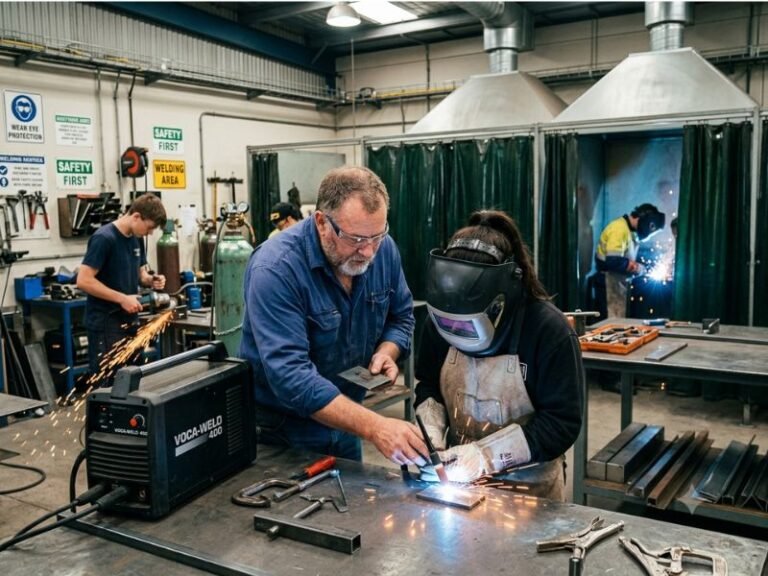
In most programs, you’ll split your time between classroom instruction and hands-on practice. You’ll learn essential welding techniques, workplace safety, blueprint reading, metal fabrication basics, and equipment operation while gaining real-world experience on actual projects. As your skills improve, your responsibilities typically increase, and so does your pay.
From my research, one of the biggest advantages of paid welding training is that it combines education, practical experience, and income into a single career pathway. Rather than graduating and then searching for your first job, many trainees already have valuable work experience by the time they complete the program.
However, not all paid welding training programs are the same. Some are offered through registered apprenticeships, while others are sponsored directly by employers, labor unions, military transition programs, or workforce development organizations. Training length, wages, eligibility requirements, and certification opportunities can vary depending on the provider.
If your goal is to start a welding career without taking on significant education costs, paid welding training can be one of the most practical paths to enter the industry. It allows you to develop in-demand skills, earn an income from day one, and build experience that employers value.
How Does Paid Welding Training Work?

Although every program has its own structure, most paid welding training programs follow a similar process. Instead of simply enrolling in a school, you’ll typically apply for a position where training is combined with real work experience.
Here’s how the process usually works:
Submit an Application
The first step is finding a paid welding training opportunity through an employer, apprenticeship program, union, trade organization, or workforce development agency. You’ll complete an application and provide any required documents, such as your resume or proof of education.
Complete the Selection Process
Many programs require applicants to pass an interview, basic aptitude assessment, drug screening, physical examination, or background check. Since paid training positions are often competitive, employers want to ensure candidates are committed to learning the trade.
Begin Classroom and Hands-On Training
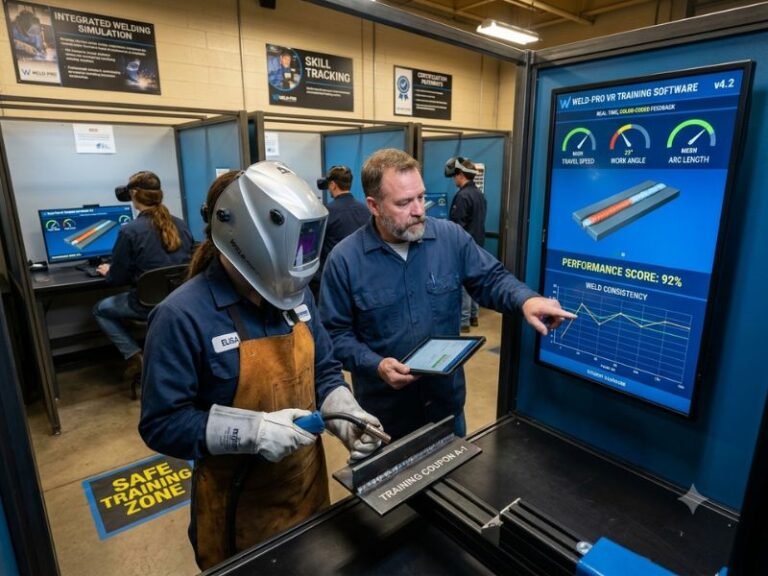
Once accepted, you’ll start learning both welding theory and practical skills. Depending on the program, training may include welding safety, blueprint reading, welding processes, equipment setup, metal preparation, and quality control.
Work Under Experienced Professionals
One of the biggest advantages of paid training is learning from experienced welders. You’ll gradually take on more responsibilities while receiving guidance, feedback, and practical instruction in a real work environment.
Earn While You Learn
Unlike traditional welding schools, you’ll usually receive a paycheck throughout the training period. Entry-level wages vary by employer, location, and program, but many organizations increase your pay as you gain skills and complete training milestones.
Transition to Full-Time Employment
Many paid welding training programs are designed to prepare you for long-term employment. If you successfully complete the program and meet performance expectations, you may receive a full-time job offer with higher pay and additional responsibilities.
From what I’ve researched, this “learn while you earn” model is one of the biggest reasons paid welding training has become so popular. It allows you to build practical experience, develop valuable skills, and earn an income at the same time—something traditional classroom-only programs often can’t offer.
Types of Paid Welding Training Programs
Not all paid welding training programs operate the same way. Some are offered directly by employers looking to hire and train new welders, while others are sponsored by labor unions, apprenticeship organizations, or government workforce programs.
Understanding these options can help you choose the training path that best matches your career goals.
Employer-Sponsored Welding Training
Many manufacturing companies, fabrication shops, shipyards, and industrial employers hire entry-level workers and provide paid, on-the-job welding training. These programs are designed to teach company-specific welding procedures, safety standards, and production methods while you earn a regular paycheck.
Paid Welding Apprenticeships
A welding apprenticeship combines classroom instruction with paid on-the-job training. Apprentices work alongside experienced welders, gradually developing their skills while earning a wage that often increases as they progress through the program.
This is one of the most common and respected ways to start a welding career.
Union Welding Training
Many labor unions offer paid apprenticeship programs for aspiring welders. These programs typically include structured training, competitive wages, excellent benefits, and clear career advancement opportunities. Union training is especially common in industries such as construction, pipefitting, ironworking, and shipbuilding.
Government & Workforce Development Programs
Federal, state, and local workforce development agencies may offer financial assistance or paid training opportunities for eligible individuals. Some programs are designed for unemployed workers, veterans, recent graduates, or people changing careers, helping them develop welding skills while preparing for long-term employment.
Military Transition Programs
Some military transition and veteran employment programs include paid welding training to help service members move into civilian careers. Depending on the program, participants may receive financial assistance, job placement support, and industry-recognized training while preparing for employment in manufacturing, construction, or other skilled trades.
Each of these training pathways has its own eligibility requirements, benefits, and career opportunities. Before applying, compare multiple programs to find the one that best fits your experience level, career goals, and preferred work environment.
Who Can Apply for Paid Welding Training?
One of the best things about paid welding training is that many programs are designed for entry-level applicants. You don’t always need previous welding experience to get accepted, although meeting certain qualifications can improve your chances.
Depending on the employer or training provider, eligible applicants may include:
- High school students or recent graduates
- Adults starting a new career
- Individuals with little or no welding experience
- Veterans transitioning to civilian employment
- Manufacturing or construction workers looking to upskill
- Trade school graduates seeking hands-on experience
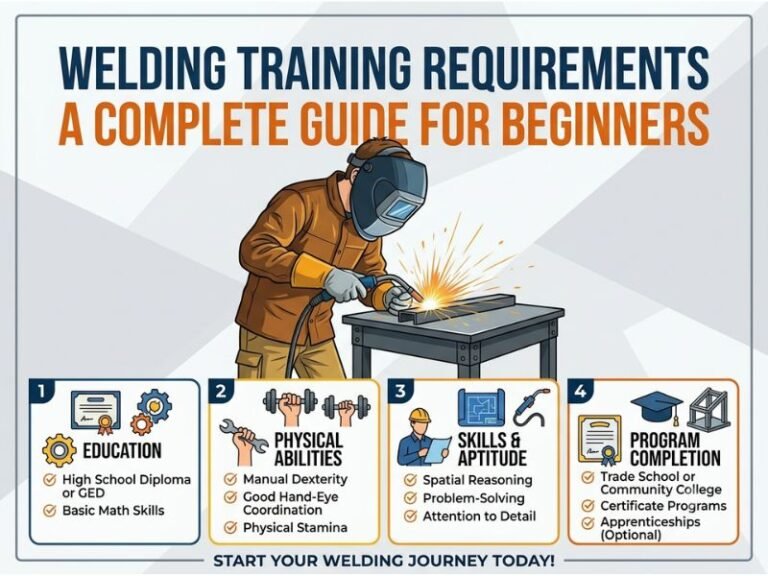
While requirements vary, many paid welding training programs ask applicants to meet some basic qualifications, such as:
- Be at least 18 years old (some programs accept applicants who are 16 or 17 with additional requirements)
- Hold a high school diploma or GED
- Be legally authorized to work
- Pass a drug screening or background check if required
- Meet the physical demands of welding, including standing for long periods, lifting materials, and working in various environments
From my research, employers are often more interested in your attitude, work ethic, reliability, and willingness to learn than your existing welding skills. If you show that you’re motivated, dependable, and eager to build a career in the skilled trades, you may be a strong candidate—even if you’ve never struck an arc before.
What Skills Will You Learn During Paid Welding Training?
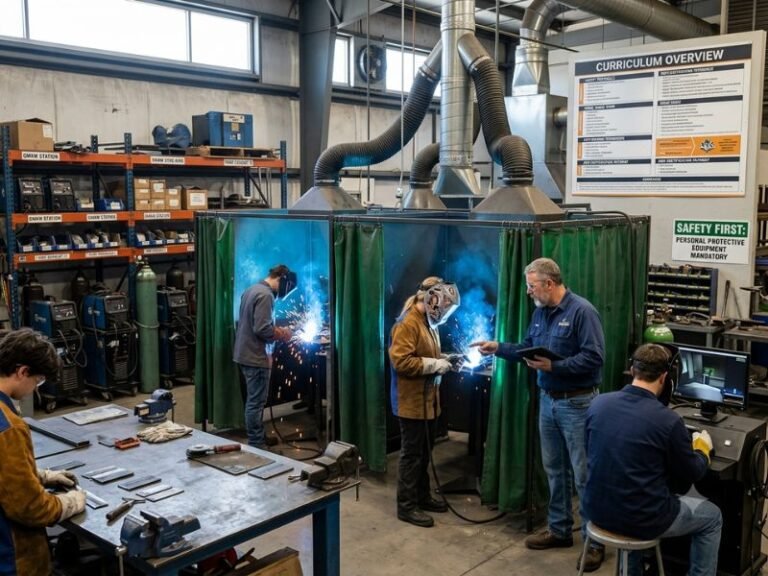
Although every paid welding training program has its own curriculum, most are designed to help beginners develop the core skills needed for an entry-level welding career. You’ll typically receive a combination of classroom instruction and hands-on practice, allowing you to apply what you learn in real work environments.
During training, you may learn:
- MIG welding fundamentals
- TIG welding basics
- Stick (SMAW) welding techniques
- Flux-cored arc welding (FCAW)
- Welding safety and PPE requirements
- Metal preparation and joint fit-up
- Blueprint and welding symbol reading
- Measuring and layout techniques
- Basic fabrication skills
- Welding machine setup and adjustment
- Weld inspection and quality control basics
- Equipment maintenance and safe operation
The exact skills you’ll develop depend on the employer and the type of work they perform. For example, a shipyard may focus on structural welding, while a manufacturing company may emphasize production welding or robotic welding systems.
In my opinion, one of the biggest advantages of paid welding training is that you’re not just learning how to weld—you’re also learning how to work safely, efficiently, and professionally in a real workplace. Those habits are just as valuable as technical welding skills and can make a significant difference when starting your career.
How Much Do You Get Paid During Welding Training?
One of the biggest advantages of paid welding training is exactly what the name suggests—you earn an income while developing valuable trade skills. Instead of paying tuition and waiting until graduation to start earning, you’re typically paid throughout your training period.
Your wages will depend on several factors, including:
- Location
- Employer
- Industry
- Type of training program
- Experience level
- Union or non-union employment
In most cases, trainees start with an entry-level wage. As they gain experience, complete training milestones, and demonstrate their skills, many employers increase their hourly pay.
| Training Stage | Typical Pay |
| Entry-Level Trainee | $18–$25 per hour |
| Mid-Program Trainee | $22–$30 per hour |
| After Completing Training | $25–$40+ per hour |
These figures are general estimates and can vary significantly depending on the employer, industry, and region.
In addition to hourly wages, some employers may offer benefits such as:
- Health insurance
- Paid vacation
- Retirement plans
- Overtime opportunities
- Tool allowances
- Tuition reimbursement
- Performance bonuses
From what I’ve researched, the highest-paying paid welding training opportunities are often found in industries such as shipbuilding, pipeline construction, energy, heavy manufacturing, and industrial fabrication. While pay shouldn’t be the only factor when choosing a program, it’s worth comparing both the starting wage and the long-term career opportunities before applying.
Companies That Offer Paid Welding Training
Many companies across the United States invest in training new welders because skilled workers are in high demand. While not every employer has a formal paid training program, many hire entry-level candidates and provide structured on-the-job training.
Some well-known employers that have offered welding training or apprenticeship opportunities include:
| Company | Industry | Paid Training Opportunities |
| Lincoln Electric | Welding Equipment Manufacturing | Training programs and entry-level opportunities |
| General Dynamics Electric Boat | Shipbuilding | Apprenticeships and paid welding training |
| HII Newport News Shipbuilding | Shipbuilding | Paid apprentice and trainee programs |
| General Dynamics NASSCO | Shipbuilding | Welding apprenticeships and entry-level training |
| Caterpillar | Heavy Equipment Manufacturing | On-the-job training for production welders |
| John Deere | Manufacturing | Entry-level welding positions with training |
| Union Apprenticeship Programs | Construction & Industrial Trades | Paid apprenticeship training |
| Local Fabrication Shops | Metal Fabrication | Employer-sponsored welding training |
Keep in mind that hiring needs and training opportunities change throughout the year. Some companies recruit continuously, while others only open applications during specific hiring periods.
From my research, I recommend looking beyond large, well-known companies. Many regional manufacturers, fabrication shops, construction contractors, and industrial employers offer excellent paid welding training programs with strong career growth opportunities. In some cases, smaller employers provide more hands-on experience because trainees work closely with experienced welders from day one.
Before applying, review each company’s training structure, starting pay, benefits, certification opportunities, and long-term career path—not just the hourly wage. The best program is often the one that helps you build lasting skills and advance your career.
Paid Welding Training vs. Traditional Welding School
If you’re trying to decide between a paid welding training program and a traditional welding school, the right choice depends on your budget, career goals, and preferred learning style. Both paths can lead to a successful welding career, but they offer different advantages.
| Feature | Paid Welding Training | Traditional Welding School |
| Tuition | Usually free | Tuition required |
| Earn While Learning | Yes | No (in most cases) |
| Hands-On Experience | Extensive, on real job sites | Practice in a training environment |
| Classroom Instruction | Included | Primary focus, with shop training |
| Industry Experience | Gained during training | Typically gained after graduation |
| Job Opportunities | Often available after completion | Must apply for jobs after graduating |
| Training Length | Varies by employer or apprenticeship | Usually 6–24 months |
| Best For | People who want to earn while learning | Those seeking structured classroom education |
Neither option is universally better. It depends on what matters most to you.
If your priority is to start earning immediately, avoid student debt, and gain real-world experience, paid welding training is often the better choice.
On the other hand, if you want a more structured learning environment with access to multiple welding processes before entering the workforce, a traditional welding school may be a better fit.
In my opinion, many aspiring welders focus too much on the cost of training and not enough on the career opportunities that follow. Before making a decision, compare the quality of the training, the skills you’ll develop, job placement rates, and the long-term career path—not just the upfront price. The best program is the one that prepares you for a successful and sustainable welding career.
Benefits of Paid Welding Training
Paid welding training has become increasingly popular because it combines education, hands-on experience, and income into one career pathway. Instead of choosing between learning and earning, you can often do both at the same time.
Here are some of the biggest advantages:
Earn While You Learn
The most obvious benefit is that you receive a paycheck during training. Rather than paying tuition upfront, you can gain valuable skills while earning money to support yourself.
Graduate With Real-World Experience
Many employers prefer candidates who already have practical experience. Paid training allows you to work on real projects under the guidance of experienced welders, making you more competitive in the job market.
Reduce or Avoid Student Debt
Traditional welding schools can cost several thousand dollars. With paid training, you may avoid those education expenses while still developing the skills needed for a successful career.
Learn From Experienced Professionals
Working alongside skilled welders gives you the opportunity to learn techniques, workplace habits, and problem-solving skills that are difficult to replicate in a classroom alone.
Build Industry Connections
During your training, you’ll meet supervisors, instructors, and experienced tradespeople who can become valuable mentors or professional contacts as your career grows.
Better Employment Opportunities
Many paid training programs are designed to prepare workers for long-term employment. If you perform well during training, there’s often a good chance you’ll be offered a full-time position after completing the program.
From my perspective, the greatest advantage of paid welding training isn’t just the paycheck—it’s the opportunity to start building your career from day one. By the time many trainees finish their program, they’ve already developed practical skills, gained workplace experience, and established relationships that can help them succeed in the welding industry.
Potential Drawbacks of Paid Welding Training
While paid welding training offers many advantages, it isn’t the perfect fit for everyone. Understanding the potential challenges can help you decide whether this career path matches your goals and expectations.
Competitive Admission
Many paid training programs receive far more applications than available positions. You may need to complete interviews, aptitude tests, physical exams, or background checks before being accepted.
Limited Training Locations
Not every city or state has employer-sponsored welding training programs. Depending on where you live, you may need to relocate or travel to find the best opportunities.
Lower Starting Pay
Although you’re earning money during training, your starting wage may be lower than that of experienced welders. As your skills improve and you complete the program, your pay typically increases.
Training Agreements
Some employers ask trainees to commit to working for the company for a certain period after completing the program. Leaving early could mean repaying part of the training costs or losing certain benefits, so it’s important to read the agreement carefully.
Specialized Training
Employer-sponsored programs often focus on the specific welding processes and equipment used by that company. While you’ll gain valuable experience, you may receive less exposure to other welding methods than you would in a comprehensive welding school.
Physically Demanding Work
Paid welding training usually takes place in real working environments rather than classrooms. That means you’ll spend long hours standing, lifting materials, working in hot conditions, and following strict safety procedures.
In my opinion, these drawbacks shouldn’t discourage you from considering paid welding training—they’re simply factors to evaluate before applying. If you understand the program’s expectations and choose one that aligns with your career goals, the long-term benefits often outweigh the initial challenges.
How to Find Paid Welding Training Near You
Finding a paid welding training program requires some research because opportunities can vary significantly depending on your location, industry demand, and local employers.
Here are some of the best places to look:
Search Employer Career Pages
Many manufacturing companies, shipyards, fabrication shops, and industrial contractors post trainee and apprenticeship positions directly on their career websites.
Search for job titles such as:
- Welding trainee
- Welding apprentice
- Entry-level welder
- Welder helper
- Welding apprentice program
- Paid welding training
Large employers often have dedicated training pathways for people who are new to the trade.
Check Registered Apprenticeship Programs
Registered apprenticeship programs are one of the most reliable ways to find paid welding training.
These programs combine:
- Paid employment
- Classroom instruction
- Hands-on training
- Progressive wage increases
- Industry-recognized skills
You can find apprenticeship opportunities through government workforce websites, trade organizations, and local apprenticeship offices.
Contact Local Welding Schools
Many welding schools have partnerships with employers and may know about companies offering paid training opportunities.
Even if a school does not provide paid programs directly, their career services department may help connect students with employers looking for entry-level welders.
Explore Union Training Programs
Local trade unions often provide paid apprenticeship opportunities for welding-related careers.
Examples include:
- Pipefitters unions
- Ironworkers unions
- Boilermakers unions
- Shipyard trade unions
These programs often provide structured training, benefits, and clear advancement paths.
Use Online Job Platforms
Job websites can also be useful when searching for paid welding opportunities.
Try searching terms like:
- “paid welding training”
- “welding apprentice”
- “welder trainee”
- “company sponsored welding training”
Set up job alerts so you can apply quickly when new positions become available.
You can Visit here for finding online paid welding training opportunity.
6. Visit Local Manufacturing and Fabrication Companies
Many smaller companies do not advertise formal training programs online but still hire beginners and train them on the job.
Local:
- Fabrication shops
- Construction companies
- Agricultural equipment manufacturers
- Machine shops
- Metalworking businesses
can be excellent places to start.
From my research, one of the biggest mistakes beginners make is only looking for programs with the exact title “paid welding training.” Many employers provide paid learning opportunities through entry-level welder positions or apprenticeships without using those exact words.
Be flexible with your search terms, contact employers directly, and focus on companies that value training and career development.
How to Increase Your Chances of Getting Accepted Into Paid Welding Training
Paid welding training programs can be competitive, especially with more people entering skilled trades as a career option. While previous welding experience can help, many employers are willing to train motivated beginners who demonstrate the right attitude and commitment.
Here are some practical ways to improve your chances of getting accepted:
Learn Basic Welding Concepts
You don’t need to become an expert before applying, but understanding basic welding terminology can make a strong first impression.
Before an interview, learn about:
- Common welding processes (MIG, TIG, Stick, FCAW)
- Welding safety practices
- Basic welding equipment
- Personal protective equipment (PPE)
- Common welding applications
Showing that you have already taken an interest in welding demonstrates motivation.
Build Basic Mechanical Skills
Many employers value candidates who are comfortable working with tools and equipment.
Skills that can help include:
- Measuring and layout
- Using hand tools
- Reading basic drawings
- Metal cutting and preparation
- General workshop safety
Even experience from automotive repair, construction, farming, or DIY projects can be valuable.
Create a Strong Resume
Even for entry-level positions, your resume should highlight qualities employers look for.
Include:
- Previous work experience
- Mechanical skills
- Technical training
- Safety certifications
- Problem-solving abilities
- Reliability and teamwork experience
Focus less on what you don’t know and more on your willingness to learn.
Earn Entry-Level Certifications
Although many paid training programs provide certifications during training, having basic credentials can improve your application.
Helpful options may include:
- OSHA safety training
- Basic welding courses
- Blueprint reading classes
- Trade school introductory programs
These show employers that you’re serious about entering the welding profession.
Prepare for the Interview
Employers often look for candidates who are:
- Dependable
- Safety-focused
- Hardworking
- Willing to learn
- Comfortable with physical work
Be prepared to explain why you want to become a welder and what interests you about the trade.
Be Open to Different Opportunities
Your first welding opportunity may not be your ideal position. Entry-level roles such as welding helper, production trainee, or apprentice can provide valuable experience and lead to better opportunities.
In my opinion, the most important factor employers look for in beginners is not perfection—it’s commitment. Welding is a skill that takes time to develop, and companies are often willing to invest in people who show discipline, curiosity, and a genuine desire to improve.
Is Paid Welding Training Worth It?
For many people starting a welding career, paid welding training can be one of the most practical ways to enter the industry. It provides something traditional education often cannot offer at the same time: real workplace experience and income while learning.
However, whether it is the right choice depends on your personal situation, career goals, and learning preferences.
Paid Welding Training Is a Good Choice If You:
- Want to start earning money while learning
- Prefer hands-on training over classroom-only education
- Want to avoid significant education costs
- Learn better by working alongside experienced professionals
- Are interested in entering the workforce quickly
- Want real industry experience before applying for advanced positions
For someone who is motivated and ready to work hard, paid training can provide a strong foundation for a long-term welding career.
Traditional Welding School May Be Better If You:
- Want a structured classroom environment
- Prefer learning multiple welding processes before employment
- Need more time to practice before entering a workplace
- Want access to specialized equipment and instructors
- Plan to continue into advanced welding education
A welding school can also be valuable for people who want to explore different areas of welding before choosing a specific career path.
My Perspective on Choosing the Right Path
Based on my research into welding education and career pathways, I believe the best training option is the one that matches your goals—not necessarily the cheapest or fastest option.
A successful welding career is built on more than just completing a training program. Employers value practical skills, safety awareness, reliability, and the ability to continue learning.
Paid welding training can be an excellent starting point because it allows you to develop technical skills while gaining professional experience. However, you should carefully research each program, compare the training quality, understand the expectations, and choose an opportunity that supports your long-term career growth.
If you are serious about becoming a welder and want a pathway that combines learning with employment, paid welding training is definitely an option worth exploring.
Frequently Asked Questions About Paid Welding Training
Can I get paid to learn welding?
Yes, many employers, apprenticeship programs, and workforce organizations offer opportunities where you can earn money while learning welding skills. These programs combine classroom instruction with hands-on workplace training, allowing beginners to develop practical experience while receiving a paycheck.
Do I need welding experience to apply for paid welding training?
No, many paid welding training programs are designed for beginners. While previous welding experience can be helpful, employers often focus more on your willingness to learn, work ethic, reliability, and ability to follow safety procedures.
How long does paid welding training last?
The length of paid welding training varies depending on the program. Employer-sponsored training may last several weeks to several months, while formal apprenticeship programs can take multiple years to complete because they include extensive classroom instruction and on-the-job experience.
Do paid welding training programs provide certification?
Some programs provide industry-recognized certifications, while others focus primarily on skill development and workplace experience. The certifications available depend on the employer, training provider, and type of welding work involved.
Common certifications may include:
- Welding process certifications
- Safety certifications
- Employer-specific qualifications
- Industry-recognized welding credentials
Is paid welding training completely free?
In many cases, you do not pay tuition because the employer or organization covers the training costs. However, some programs may require you to purchase personal items such as safety gear, work clothing, or basic tools.
Always review the program details before applying.
What is the difference between paid welding training and a welding apprenticeship?
A paid welding apprenticeship is one type of paid training program that usually follows a structured format with defined learning stages, wage increases, and formal classroom instruction.
Paid welding training is a broader term that can include apprenticeships, employer-sponsored programs, and other learn-and-earn opportunities.
Do companies hire you after completing paid welding training?
Many paid training programs are designed to prepare candidates for long-term employment. If you successfully complete the training, demonstrate good performance, and meet company requirements, you may have the opportunity to move into a full-time welding position.
However, employment is not guaranteed and depends on the employer, available positions, and your performance.
How much can I earn after completing welding training?
Welding salaries vary depending on location, industry, experience level, certifications, and specialization. Welders working in industries such as shipbuilding, aerospace, pipeline construction, and industrial fabrication may have opportunities for higher earnings.
After gaining experience and additional certifications, many welders continue increasing their earning potential throughout their careers.
Is paid welding training a good way to start a welding career?
For many beginners, paid welding training can be an excellent entry point because it provides income, practical experience, and exposure to real workplace conditions.
The best choice depends on your goals, but anyone interested in welding as a career should consider both paid training opportunities and traditional education options before making a decision.
Final Thoughts
Starting a welding career does not always require spending thousands of dollars on education before entering the workforce. Paid welding training provides an alternative pathway that allows you to develop valuable skills, gain real-world experience, and earn an income at the same time.
Throughout this guide, I’ve covered how paid welding training works, the different types of programs available, who can apply, expected wages, benefits, challenges, and how to find opportunities near you.
From my research, the biggest advantage of paid welding training is the combination of practical experience and career development. Welding is a hands-on trade, and many employers value candidates who understand workplace safety, production environments, and professional expectations—not just those who have completed classroom lessons.
However, choosing the right program is important. Before applying, take time to compare the training structure, employer reputation, wage progression, certification opportunities, and long-term career potential. A good training program should not only help you get started—it should help you build a foundation for future growth.
Whether you choose a paid apprenticeship, employer-sponsored training, union program, or traditional welding school, the key to success is the same: continue learning, practice consistently, follow safety standards, and develop your skills over time.
If you’re exploring different ways to enter the welding industry, I recommend also reading my complete guide on Welding Training Programs, where I cover the different education and career pathways available for aspiring welders.