What Does AWS Mean in Welding? Its Role, Standards, and Uses
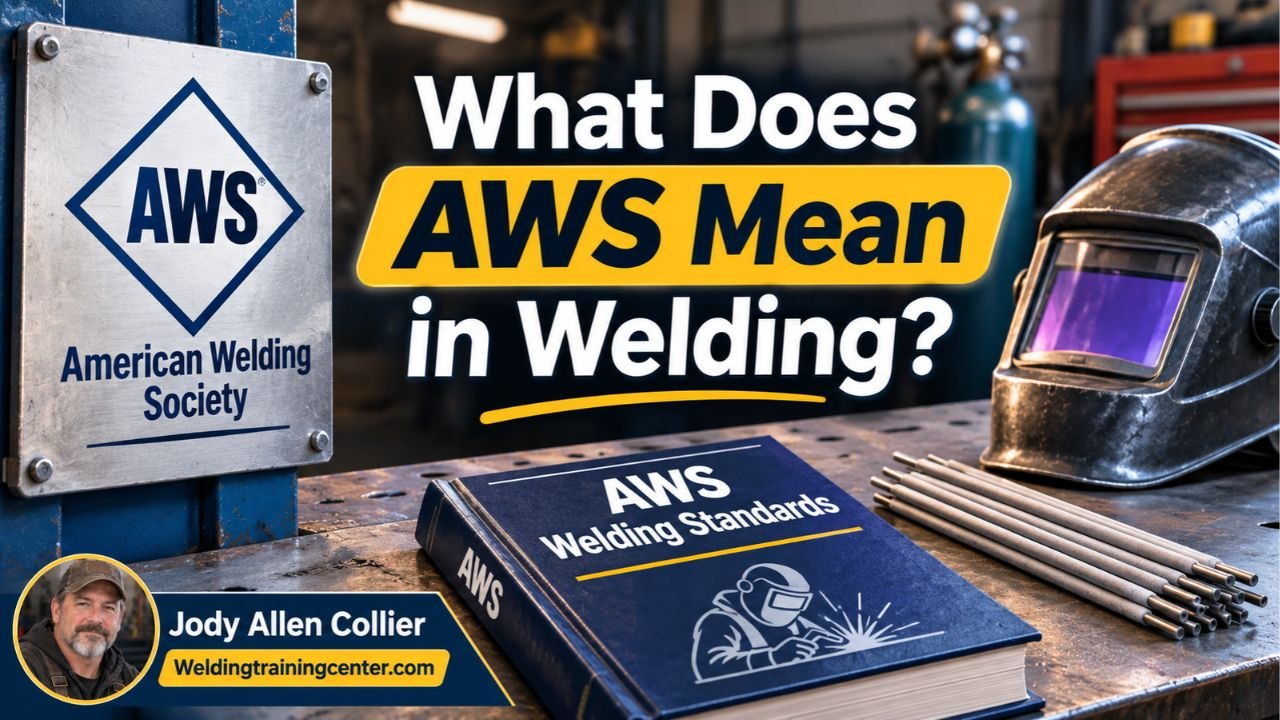
AWS stands for the American Welding Society, a professional organization that publishes welding codes, standards, and guidance used across the industry. In a job, AWS may point to the organization itself, a specific standard, a weld symbol, or a filler-metal classification.
Have you run into “AWS” on a welding drawing, a job posting, or the label on a box of electrodes and wondered whether each use means the same thing? The short answer is no, and that can matter when you’re choosing a process or checking a weld requirement.
I once treated an AWS note on a drawing like general background and moved ahead without checking which standard it named. That left me sorting out a mismatch between the drawing and the work plan, a frustrating bit of extra effort that a quick code check would’ve avoided. It’s a common mistake, not a dumb one.
I wrote this to make the initials useful instead of mysterious, whether you’re learning to weld, reading a print, or trying to understand a work qualification. You’ll see how the organization, standards, symbols, and electrode labels fit together.
Get the meaning right, and you can ask better questions before you weld, buy filler metal, or sign off on a job. Miss the details, and you could follow the wrong procedure, read a symbol incorrectly, or assume a credential covers work that it doesn’t.
This takes about 9 minutes to read. By the end, you’ll be able to:
- Tell what AWS means in different welding contexts.
- Match common AWS standards to the work they cover.
- Read basic AWS filler-metal labels and weld-symbol references.
- Know what to check before relying on a code or qualification.
AWS Meaning Welding: What the Initials Mean and How to Use Them
In welding, AWS means the American Welding Society, an organization that publishes technical standards and supports education, training, and certification. If a drawing says “AWS D1.1,” the note points to a particular structural welding code, not just to the organization in general.
That distinction is practical. A shop may follow an AWS code for a steel structure, while a welder sees AWS on an electrode classification or a training certificate; each use has a different job.
The phrase “AWS approved” can be vague, so check what exactly is approved and by whom. A manufacturer may say a product meets a standard, but the project documents, the relevant code, and the responsible authority determine whether that product and welding plan fit the job.
Here’s a simple way to sort the common uses:
| Where you see AWS | What it usually means | What to check |
|---|---|---|
| Drawing or contract | A required AWS code or standard | Code number, edition, and project requirements |
| Welding procedure | Requirements for making a specific weld | Process, base metal, filler metal, and qualified ranges |
| Filler-metal package | A classification written under an AWS filler-metal standard | Classification, process, and manufacturer instructions |
| Weld symbol reference | A standard for showing weld instructions on drawings | Symbol details and the referenced standard |
| Training or job listing | An AWS course, certification, or qualification requirement | Credential name and the work it covers |
A standard is a published set of technical rules or recommendations for a defined subject. A code usually sets requirements for a specific type of construction or application, though people often use “code” and “standard” loosely in conversation.
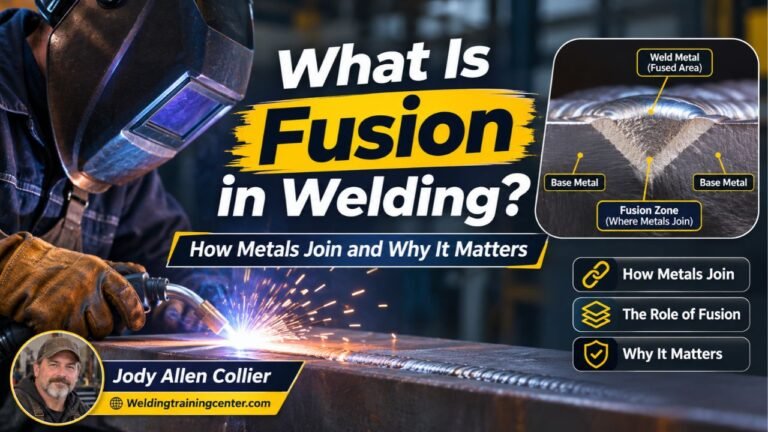
How welding works also helps make the standards easier to follow: the process joins materials through heat, pressure, or both, and the right method depends on the material and job. basic welding principles A code then gives the project a shared set of requirements for making or checking that joint.
Pro Tip: When a note only says “AWS,” ask for the full standard number and edition. “AWS” by itself doesn’t tell you which rules apply.
Which AWS Welding Standards Matter for Your Job?
AWS standards cover different materials, processes, and tasks, so the right one depends on what you’re welding and what the project requires. A steel building, aluminum structure, and welding procedure qualification don’t all use the same standard.
Some frequently encountered documents include:
- AWS D1.1, the structural welding code for steel.
- AWS D1.2, covering structural welding of aluminum.
- AWS D1.3, covering sheet steel.
- AWS D1.4, covering reinforcing steel.
- AWS D1.5, covering bridge welding.
- AWS D1.6, covering structural welding of stainless steel.
- AWS A2.4, covering welding and nondestructive examination symbols.
- AWS A3.0, a standard of welding terms and definitions.
That list is a starting point, not a permission slip to pick a code by material alone. Project specifications, the type of structure, the contract, and governing rules can affect which document applies.
For instance, a shop welding steel parts for a building may need to follow project requirements tied to D1.1. A drawing for a different kind of steel product might point to another standard or code, so the material name alone won’t settle it.
What should you do if a print cites an older edition than the one you’ve seen in training? Use the edition named by the contract or project documents unless the responsible engineer or authority directs otherwise; requirements can change between editions.
The word “code” doesn’t mean every weld must look identical. Standards can set expectations for items such as materials, welder qualification, inspection, and acceptance, while the exact weld details come from the job documents and approved procedures.
Important Tip: Don’t swap in a newer code edition on your own. Confirm the governing edition with the project documents or the person responsible for the work.
How AWS Applies to Symbols, Filler Metal, and Qualifications
AWS can appear in a weld symbol, an electrode classification, a welding procedure, or a credential, and those references answer different questions. Check the full label or document title before treating one as proof of another.
On a drawing, welding symbols communicate details such as weld type, size, length, location, and which side of a joint to weld. AWS welding symbols The drawing’s reference to AWS A2.4 tells you which symbol rules it uses, but it doesn’t replace the project’s other weld instructions.
A2.4 gives a common language for symbols so the drawing can communicate weld requirements without a long paragraph beside every joint. AWS A2.4 symbol rules The symbol still needs to be read in context: a tail, finish mark, or dimension can change what the welder is expected to do.
A filler-metal label has a separate purpose. A classification such as E7018 identifies a type of covered electrode under the relevant AWS classification standard; the characters carry information about strength, position, coating and current, depending on the classification system.
Don’t assume the electrode label tells you the whole procedure. The base metal, required properties, joint design, welding position, and project rules all affect whether that filler metal is suitable.
Welding paperwork has its own terms:
- A WPS, or welding procedure specification, gives the instructions and ranges for making a weld.
- A PQR, or procedure qualification record, documents the test evidence used to qualify a procedure when required.
- A welder performance qualification records the range of welding a person has demonstrated, subject to the governing code and continuity rules.
Those records aren’t interchangeable. A welder can be qualified for certain work without being qualified for every process, material, position, thickness, or code requirement.
I once focused on a familiar filler-metal marking and nearly treated it as the answer to the whole job. Checking the procedure brought the missing details into view, which is why I now read the drawing, WPS, and consumable label as one set rather than isolated clues.
AWS also offers certifications, including welding inspection credentials. A certification can show that someone met a defined credential requirement, but it doesn’t automatically authorize that person to approve every weld or replace the project’s inspection plan.
Welding shorthand can get crowded fast, especially on a print or in a shop note. A quick check of common welding abbreviations can help separate process names, inspection terms, and document labels that look similar at first glance.
If a job posting asks for an AWS credential, what should you check? Read the exact credential name and ask what work it covers; “AWS certified” alone is too broad to tell you which inspection or welding tasks a person is prepared to do.
| Term or marking | What it tells you | What it doesn’t tell you by itself |
|---|---|---|
| AWS D1.1 | A structural steel welding code reference | Whether every project requirement is met |
| AWS A2.4 | The standard used for welding symbols | The full welding procedure |
| WPS | Welding instructions and specified ranges | Whether the welder holds the needed qualification |
| PQR | Supporting procedure qualification record, when required | A welder’s personal qualification |
| E7018 | An electrode classification | That the electrode suits every job |
How to Check an AWS Requirement Before Welding
To check an AWS requirement, identify the referenced document, confirm its edition, and compare its requirements with the drawing and work documents. If those sources conflict or leave a safety-critical detail unclear, stop and ask the responsible supervisor, engineer, or inspector before welding.
Use these steps:
- Read the full reference. Write down the complete code or standard number, including any part or edition named in the documents.
- Check the project documents. Look at the drawing, specifications, WPS, and contract requirements together.
- Match the standard to the work. Confirm that the document covers the material, structure, process, or task at hand.
- Check the people and procedure. Verify that the WPS and welder qualification cover the required work under the governing code.
- Clear up gaps before starting. Ask the person responsible for the job to resolve conflicting or missing requirements.
Why take all five steps when the drawing looks straightforward? A small note can set the applicable code or edition, and guessing can lead to rework or a weld that can’t be accepted.
Different industries may use standards from other organizations alongside AWS documents. A pressure vessel, pipeline, or other regulated job may have requirements beyond an AWS code, so don’t assume one organization’s standard covers the entire project.
A welder qualification is evidence that a welder passed a test for a defined range of work under a particular code or procedure. The range matters: passing a test for one process or position doesn’t mean the qualification automatically covers all welding.
If you’re learning, use the document named by the instructor or training program rather than an online summary or a coworker’s shorthand. If you’re working in a shop, the current approved WPS and project documents should be the place you confirm the specific settings and steps.
Pro Tip: Keep the code number, edition, drawing, and WPS together during review. A note that looks harmless on one page can make sense once you’ve checked the related documents.
FAQs About AWS Meaning Welding
Does AWS stand for American Welding Society?
Yes. AWS stands for the American Welding Society, an organization that publishes welding codes and standards and offers education and certification programs. In shop talk, “AWS” may also refer to a specific document, symbol standard, electrode classification, or credential, so the surrounding code number or label tells you the intended meaning.
Is AWS a welding code?
AWS itself is the organization, not one single welding code. The organization publishes multiple documents, including codes for particular materials or applications and standards for symbols, terms, and filler metals. A project reference such as AWS D1.1 identifies a specific document that may set requirements for the work.
What does AWS D1.1 mean?
AWS D1.1 is the American Welding Society’s structural welding code for steel. A project that cites D1.1 may use it to set requirements for welding and related work, but the drawing, contract, and applicable edition still matter. Check the project documents to confirm the exact requirements rather than relying on the code number alone.
What does AWS mean on an electrode?
AWS on an electrode label usually points to an AWS filler-metal classification standard. The classification gives information about the electrode type, but it doesn’t confirm that the electrode fits a particular joint or procedure. Compare the label with the WPS, base metal, and project requirements before using the electrode.
Does an AWS certification make someone a licensed welder?
No. An AWS credential is not automatically a state or local welding license, and a certification’s meaning depends on its exact name and scope. Some credentials focus on inspection or education, while welder qualification tests relate to a defined range of welding.
Check the job’s requirements and local rules.
What’s the difference between AWS A2.4 and AWS D1.1?
AWS A2.4 covers welding and nondestructive examination symbols, while AWS D1.1 is a structural welding code for steel. A drawing can use A2.4 symbol conventions and also cite D1.1 for construction requirements. The two references serve different purposes, so neither replaces the other.
Make the AWS Reference Work for You
AWS is a useful shortcut only when you know which document, marking, or credential the initials point to. Start with the full reference on the drawing or job paperwork, then check the edition and the scope before you rely on it.
My preference is to treat every AWS reference as a question to verify, not a stamp that settles the whole job. That small pause can save you from using the wrong symbol rule, assuming a filler metal fits, or misunderstanding a qualification.
Your clearest next step is to pull out the drawing and WPS for your current job and match every AWS number between them. If the references don’t line up, ask the responsible person before striking an arc.