Plastic Welding Training: Practical Guide and Important Details
Imagine a cracked bumper on your car, a split in a kayak, or a broken plastic pipe under your sink. For many, these scenarios mean replacement and expense. But what if you could repair them, not just with a temporary patch, but with a bond as strong as, or even stronger than, the original material? This is the power of plastic welding, a skill that transforms damaged plastic into functional, durable items once again.
Plastic welding isn’t just for industrial applications; it’s a valuable trade skill for automotive repair, plumbing, manufacturing, and even intricate hobby projects. It offers a cost-effective and environmentally friendly alternative to discarding and replacing plastic components. However, achieving a strong, seamless weld requires more than just heat; it demands precision, understanding of materials, and proper technique.
If you’re looking to master this versatile skill, understanding the nuances of plastic welding is crucial. This article will delve into what plastic welding entails, why proper training is essential, and what you should look for in a comprehensive plastic welding training program. My goal is to equip you with the knowledge to make informed decisions about pursuing this valuable expertise.
I’ll guide you through the different types of plastic welding, the tools involved, and the benefits of formal instruction. By the end, you’ll have a clear picture of how to embark on your journey to becoming a skilled plastic welder, whether for professional advancement or personal projects.
Understanding Plastic Welding and Its Applications
Plastic welding is a fabrication process that joins thermoplastic materials by heating the plastic surfaces to a molten state and then pressing them together. Unlike adhesive bonding, which introduces a foreign material, welding creates a molecular bond between the two plastic pieces, often resulting in a joint that is as strong as the parent material. This process is fundamentally similar to metal welding but adapted for the unique properties of polymers.
The key to successful plastic welding lies in understanding the specific type of plastic you are working with. Plastics are broadly categorized into thermoplastics and thermosets. Thermoplastics can be repeatedly melted and reshaped, making them ideal for welding. Thermosets, once cured, cannot be melted again without degradation, making them unsuitable for traditional welding methods.
The applications for plastic welding are incredibly diverse:
- Automotive Repair: Repairing bumpers, dashboards, headlight housings, and under-hood components.
- Plumbing and HVAC: Joining plastic pipes, ducts, and tanks for water, chemical, and air systems.
- Manufacturing: Fabricating custom plastic enclosures, prototypes, and industrial components.
- Marine and Recreation: Repairing kayaks, canoes, boat hulls, and ATV plastics.
- Medical Devices: Creating sterile and precise plastic assemblies for medical equipment.
- Construction: Welding geomembranes for liners in landfills, ponds, and roofing.
- Signage and Displays: Assembling acrylic and polycarbonate signs and point-of-purchase displays.
Each application often requires specific techniques and an understanding of the material’s properties, highlighting the importance of specialized training.
Why Formal Plastic Welding Training is Essential
While some basic plastic repairs might seem intuitive, attempting complex plastic welding without proper instruction can lead to weak joints, material degradation, and even safety hazards. Formal plastic welding training provides a structured approach to learning the theoretical knowledge and practical skills necessary for consistent, high-quality results.
Here’s why I believe formal training is indispensable:
Mastering Material Identification
One of the biggest challenges in plastic welding is correctly identifying the type of plastic. Different plastics have different melting points, flow characteristics, and compatibility with welding rods. Welding polypropylene (PP) with a polyethylene (PE) rod, for example, will result in a weak, unreliable bond. Training teaches you various identification methods, from visual inspection and burn tests to more advanced techniques, ensuring you select the correct filler rod and welding parameters.
Understanding Welding Techniques
Plastic welding encompasses several distinct techniques, each suited for different applications and plastic types. A good training program will cover these methods in detail, allowing you to choose the most appropriate one for a given task. I’ll elaborate on these techniques shortly, but knowing when and how to apply hot air, extrusion, or speed welding is critical.
Achieving Strong, Durable Welds
A poorly executed plastic weld might hold initially but will fail under stress or over time. Training emphasizes the factors that contribute to a strong weld, such as proper surface preparation, consistent heat application, correct pressure, and controlled cooling. You’ll learn how to achieve full fusion without burning or degrading the material, ensuring the repair is as robust as the original component.
Preventing Material Damage and Waste
Plastic materials can be expensive, and mistakes can lead to costly waste. Training helps you minimize errors by teaching proper setup, technique, and troubleshooting. You’ll learn how to avoid common pitfalls like overheating, cold welds, and contamination, saving both time and materials.
Ensuring Safety Protocols
Plastic welding involves high temperatures, fumes, and specialized equipment. Proper training includes instruction on safety precautions, personal protective equipment (PPE), ventilation requirements, and safe handling of tools. This knowledge is crucial for protecting yourself and others in the workspace.
Developing Troubleshooting Skills
Not every weld goes perfectly. Training equips you with the ability to diagnose problems, understand why a weld might be failing, and implement corrective actions. This problem-solving skill is invaluable for any professional welder.
Gaining Industry Recognition and Certification
For those seeking professional opportunities, certification from a reputable training program can be a significant advantage. It demonstrates to employers that you possess verified skills and a commitment to quality and safety. Many industries require certified welders for specific applications.
Key Types of Plastic Welding Techniques
As I mentioned, plastic welding isn’t a one-size-fits-all skill. Different techniques are employed based on the plastic type, thickness, joint configuration, and application. A comprehensive plastic welding training course will typically cover several of these methods:
1. Hot Air/Gas Welding
This is perhaps the most common and versatile method, often taught first in training programs. It involves using a specialized hot air gun (or hot gas welder) to heat both the surfaces to be joined and a plastic filler rod. The molten filler rod is then pressed into the joint, creating a bond. Hot air welding is excellent for repairing cracks, fabricating tanks, and joining sheets of plastic. I find it particularly useful for intricate repairs and custom work.
- Tools: Hot air welder, various nozzles, plastic filler rods.
- Applications: Automotive bumpers, water tanks, chemical tanks, piping, geomembranes.
2. Extrusion Welding
Extrusion welding is used for heavy-duty applications and thicker plastic materials. An extrusion welder melts and extrudes a continuous bead of molten plastic filler material directly into the joint while simultaneously heating the parent material. This method creates very strong, thick welds, ideal for large structures and industrial applications where high strength is paramount.
- Tools: Extrusion welder, specific welding shoes, plastic granules or heavy filler rod.
- Applications: Large storage tanks, geomembrane liners, thick-walled pipes, industrial containers.
3. Speed Welding
A variation of hot air welding, speed welding utilizes a specialized “speed nozzle” that guides the filler rod directly into the molten joint. This allows for faster welding speeds and more consistent bead placement, especially on long, straight seams. It’s an efficient method once you’ve mastered the technique, as it requires a steady hand and consistent pressure.
- Tools: Hot air welder, speed nozzles, plastic filler rods.
- Applications: Fabrication of plastic sheets, ductwork, long seams on tanks.
4. Wedge Welding
Primarily used for joining large sheets of geomembranes or other flexible plastic films, wedge welding employs a heated wedge that melts the two plastic sheets as they pass over it. Pressure rollers then press the molten sheets together to form a continuous, strong seam. This method is highly efficient for long, straight welds and often includes a channel for air pressure testing the integrity of the weld.
- Tools: Automatic wedge welder.
- Applications: Landfill liners, pond liners, roofing membranes, tunnel linings.
5. Ultrasonic Welding
This technique uses high-frequency acoustic vibrations to create localized heat at the joint interface between two plastic parts. The vibrations cause the plastic to melt and fuse under pressure. Ultrasonic welding is very fast, clean, and precise, making it ideal for small, intricate parts and high-volume production. It doesn’t require filler material.
- Tools: Ultrasonic welding machine.
- Applications: Medical devices, automotive components (interior), electronic enclosures, toys.
6. Spin Welding
Spin welding is used for joining circular thermoplastic parts. One part is held stationary while the other is rotated at high speed and pressed against it. The friction generates heat, melting the plastic at the interface, and then the rotation stops, allowing the parts to fuse under pressure. This method creates strong, hermetic seals.
- Tools: Spin welding machine.
- Applications: Fluid reservoirs, floats, filter housings, automotive components.
7. Vibration Welding
Similar to spin welding, vibration welding uses frictional heat to join parts, but instead of spinning, one part vibrates against the other under pressure. This method is suitable for a wider range of joint geometries than spin welding and is often used for larger parts.
- Tools: Vibration welding machine.
- Applications: Automotive intake manifolds, instrument panels, appliance components.
8. Laser Welding
Laser welding uses a focused laser beam to melt and fuse plastic parts. It offers high precision, minimal heat input to surrounding areas, and the ability to create very fine, clean welds. It’s often used for delicate or aesthetically critical applications.
- Tools: Laser welding system.
- Applications: Medical devices, micro-electronics, automotive lighting, consumer goods.
While a foundational plastic welding training program might focus on hot air and extrusion welding due to their versatility, specialized courses will delve into these other advanced techniques. Understanding the principles behind each method is key to selecting the right approach for any given project.
What to Look for in a Quality Plastic Welding Training Program
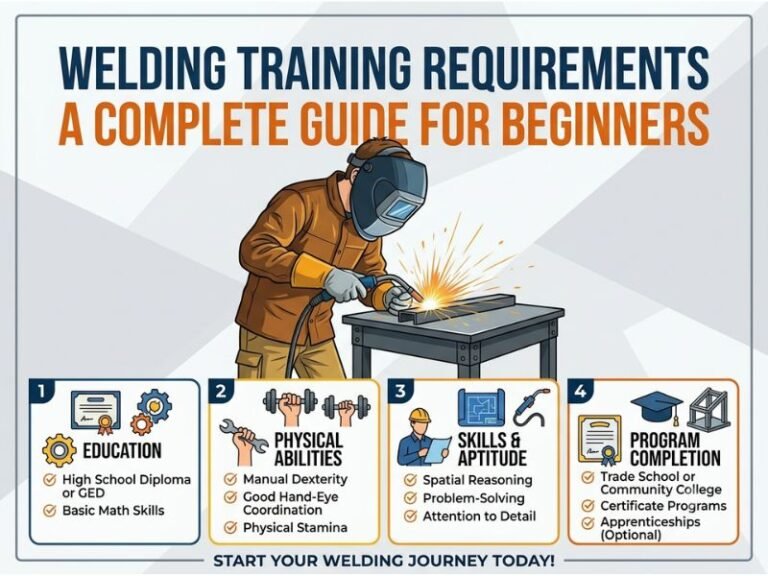
Choosing the right training program is crucial for developing genuine expertise. Not all courses are created equal, and I recommend evaluating several factors before committing. Here’s what I consider important:
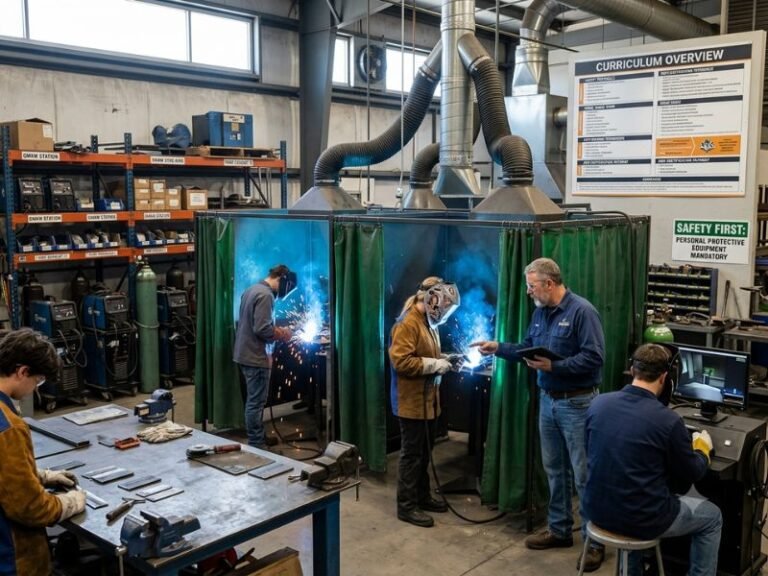
Comprehensive Curriculum
A good program should cover both theoretical knowledge and practical application. Look for a curriculum that includes:
- Plastic Material Science: Understanding different plastic types, their properties, and identification methods.
- Welding Theory: Principles of heat fusion, joint design, and weld strength.
- Equipment Operation: Hands-on training with various welding tools and their maintenance.
- Welding Techniques: In-depth instruction and practice in multiple welding methods (e.g., hot air, extrusion, speed welding).
- Joint Preparation: Proper cleaning, beveling, and fixturing.
- Quality Control: Inspection techniques, common weld defects, and troubleshooting.
- Safety Protocols: Comprehensive instruction on safe practices and PPE.
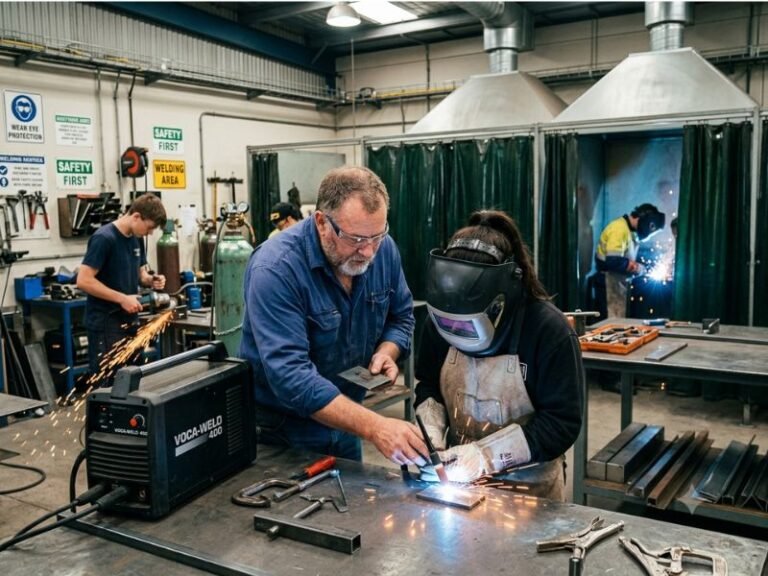
Hands-On Practice and Lab Time
Plastic welding is a skill that can only be mastered through practice. The program should offer ample hands-on lab time, allowing you to perform numerous welds on different plastic types and joint configurations. Look for:
- Individual Workstations: Ensuring each student has access to equipment.
- Variety of Materials: Practice with common plastics like PP, PE, PVC, ABS, and polycarbonate.
- Real-World Scenarios: Opportunities to repair damaged items or fabricate components similar to those found in industry.
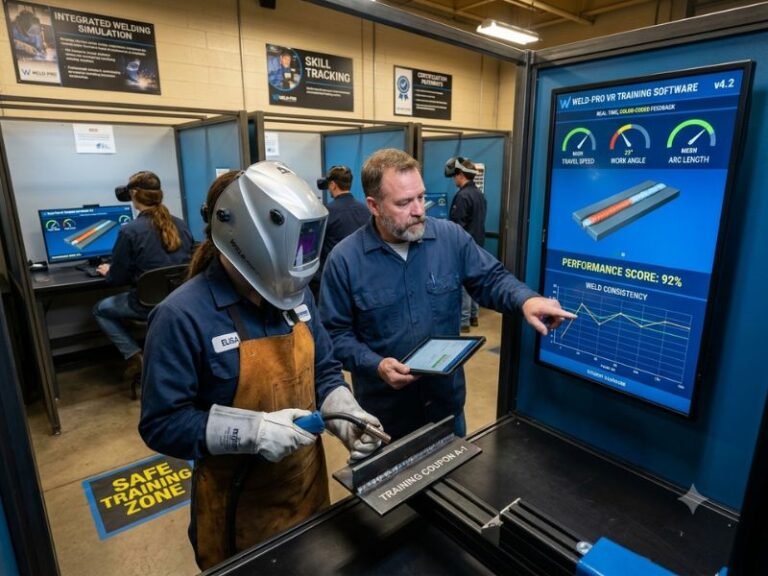
- Instructor Feedback: Direct, constructive criticism on your welding technique.
Experienced and Knowledgeable Instructors
The quality of instruction directly impacts your learning experience. Seek programs taught by instructors with:
- Industry Experience: They should have practical, real-world experience in plastic welding, not just theoretical knowledge.
- Teaching Acumen: The ability to clearly explain complex concepts and demonstrate techniques effectively.
- Patience and Support: A willingness to guide students through challenges and provide individualized attention.
Appropriate Class Sizes
Smaller class sizes generally allow for more personalized attention from instructors and greater access to equipment. Inquire about the student-to-instructor ratio and the maximum class size.
Modern Equipment and Facilities
Training on outdated or poorly maintained equipment won’t prepare you for real-world applications. Ensure the facility is clean, well-equipped with modern welding tools, and has proper ventilation.
Certification and Accreditation
For professional development, look for programs that offer recognized certification upon completion. Accreditation by relevant industry bodies can add significant value to your credentials. Inquire about the specific certifications offered and their industry acceptance.
Location and Accessibility (GEO-Optimization)
Consider the geographical location of the training facility. For those in or near major metropolitan areas, such as Los Angeles, Houston, Chicago, or New York, there might be a wider array of specialized training centers. If you’re in a less populated region, you might need to consider travel or look for programs that offer online components with practical in-person sessions. Many reputable training providers have facilities strategically located to serve various industries, such as automotive repair hubs or manufacturing zones. For instance, a facility near Detroit might specialize in automotive plastics, while one in the Gulf Coast region might focus on industrial piping and geomembranes.
Cost and Value
Compare the cost of different programs against the value they offer. A cheaper course might skimp on lab time or experienced instructors, ultimately providing less benefit. Consider what’s included in the tuition (materials, tools, certification fees) and whether it aligns with your career goals or personal project needs.
Reviews and Testimonials
Look for reviews or testimonials from past students. This can provide insight into the program’s effectiveness, the quality of instruction, and the overall learning environment. A reputable training provider will often showcase success stories.
Choosing Your Path: Online vs. In-Person Training
With the rise of digital learning, you might wonder about the viability of online plastic welding training. Here’s my perspective on the two main formats:
In-Person Training
Pros:
- Hands-On Experience: This is the biggest advantage. You get direct access to equipment, materials, and immediate feedback from instructors. For a skill like welding, this is invaluable.
- Direct Instruction: Instructors can physically demonstrate techniques, correct your posture, and troubleshoot issues in real-time.
- Networking Opportunities: You can connect with fellow students and instructors, potentially leading to job opportunities or collaborative projects.
- Access to Specialized Equipment: Training centers often have a range of advanced welding machines that might be too expensive for an individual to own.
Cons:
- Time Commitment: In-person courses usually have fixed schedules and require travel.
- Higher Cost: Tuition, travel, and accommodation can add up.
- Geographical Limitations: You’re limited to programs available within a reasonable distance or those you’re willing to travel for.
Online Training
Pros:
- Flexibility: Learn at your own pace, on your own schedule, from anywhere.
- Cost-Effective: Often less expensive than in-person courses, with no travel costs.
- Accessibility: Great for those in remote areas or with busy schedules.
Cons:
- Limited Hands-On: This is the major drawback. While some online courses might include practical exercises you can do at home with your own equipment, they can’t replicate the direct supervision and feedback of an in-person instructor.
- Lack of Immediate Feedback: You won’t get real-time corrections on your technique.
- Equipment Investment: To truly practice, you’ll need to purchase your own welding equipment, which can be a significant upfront cost.
- Self-Discipline Required: You need to be highly motivated and disciplined to complete the course material and practice regularly.
My Recommendation: For foundational plastic welding training, I strongly recommend an in-person program. The tactile nature of welding, the need for precise technique, and the immediate feedback from an expert are critical for developing proficiency. Online courses can be excellent for supplementing your knowledge, reviewing concepts, or learning about advanced theoretical topics once you have a solid practical foundation. Some hybrid models, combining online theory with intensive in-person practical sessions, can also be a good compromise.
Common Mistakes to Avoid in Plastic Welding
Even with good training, mistakes can happen. Being aware of common pitfalls can help you avoid them and improve your welding success. I’ve seen these issues repeatedly:
- Incorrect Material Identification: As discussed, this is perhaps the most critical error. Using the wrong filler rod or welding parameters for the plastic type will result in a weak or failed weld. Always verify the plastic type before starting.
- Insufficient Surface Preparation: Dirt, grease, paint, or old adhesive on the plastic surface will prevent proper fusion. Thorough cleaning and sometimes sanding or beveling are essential.
- Improper Heat Setting: Too little heat results in a “cold weld” – a superficial bond that easily breaks. Too much heat can burn the plastic, causing degradation, discoloration, and weakening the material. Finding the right temperature is key.
- Inconsistent Pressure: Applying too little pressure won’t allow the molten plastic to fuse completely. Too much pressure can deform the material or push out too much molten plastic, creating a weak spot.
- Lack of Fusion: This occurs when the parent material and the filler rod (or the two parent materials) don’t fully melt and intermix. It often looks like a good weld on the surface but has no internal strength.
- Overheating/Burning the Plastic: Indicated by discoloration (browning or blackening), bubbling, or a strong acrid smell. Burnt plastic is degraded and cannot form a strong bond.
- Contamination: Introducing foreign particles, oils, or even moisture into the weld area can severely compromise its strength. Keep your workspace and materials clean.
- Rushing the Process: Plastic welding requires patience and precision. Rushing can lead to inconsistent heat, poor rod placement, and weak welds.
- Ignoring Safety Precautions: Failing to wear appropriate PPE (gloves, eye protection, respirator for fumes) can lead to burns, eye injuries, or respiratory issues.
- Not Practicing Enough: Like any skill, plastic welding improves with practice. Don’t expect perfection on your first few attempts. Consistent practice builds muscle memory and refines technique.
A good plastic welding training program will highlight these common mistakes and provide strategies to prevent them, often through practical exercises and troubleshooting guidance.
Career Opportunities and Benefits of Plastic Welding Skills
Acquiring plastic welding skills opens doors to a variety of career paths and offers significant advantages, both professionally and personally. I’ve seen firsthand how this specialized skill can enhance employability and create new opportunities.
Professional Opportunities
- Automotive Technician: Specializing in plastic bumper repair, dashboard restoration, and other plastic component fixes can make you a highly sought-after technician in collision repair centers.
- Plumber/Pipefitter: Welding plastic pipes (like HDPE, PVC, CPVC) for water, gas, and chemical lines is a critical skill in commercial, industrial, and even residential plumbing.
- Fabricator/Manufacturer: Working in industries that produce plastic products, from custom tanks and containers to medical devices and consumer goods, requires skilled plastic welders.
- HVAC Technician: Installing and repairing plastic ductwork and ventilation systems.
- Marine Repair Technician: Repairing fiberglass and plastic components on boats, kayaks, and other watercraft.
- Geomembrane Installer: Specializing in welding large plastic liners for landfills, ponds, and environmental containment projects.
- Sign Maker/Display Fabricator: Assembling acrylic and polycarbonate signs and displays for businesses.
- Entrepreneur/Business Owner: Starting your own plastic repair or fabrication business, offering specialized services to individuals and companies.
Benefits of Having Plastic Welding Skills
- Increased Employability: Specialized skills like plastic welding make you more valuable in the job market, often leading to higher wages.
- Versatility: The ability to work with a wide range of materials and apply different techniques makes you adaptable to various projects and industries.
- Cost Savings: For businesses, repairing plastic components instead of replacing them can lead to significant cost reductions. For individuals, it means saving money on repairs around the home or for personal vehicles.
- Environmental Impact: Repairing and extending the life of plastic items reduces waste and contributes to a more sustainable approach to consumption.
- Problem-Solving: Plastic welding often involves creative problem-solving, which can be very satisfying. You learn to assess damage, identify materials, and devise effective repair strategies.
- Job Satisfaction: There’s a real sense of accomplishment in taking a broken or damaged plastic item and restoring it to full functionality and appearance.
Whether you’re looking to enhance your current trade, start a new career, or simply tackle DIY projects with confidence, plastic welding training provides a robust skill set with tangible benefits.
FAQ About Plastic Welding Training
What types of plastics can be welded?
Generally, only thermoplastics can be welded. These include common plastics like Polypropylene (PP), Polyethylene (PE), Polyvinyl Chloride (PVC), Acrylonitrile Butadiene Styrene (ABS), Polycarbonate (PC), and Acrylic (PMMA). Thermoset plastics, once cured, cannot be re-melted and are not suitable for traditional welding.
How long does plastic welding training typically take?
The duration varies significantly based on the depth and scope of the program. Basic introductory courses might range from 1-3 days, focusing on hot air welding and material identification. More comprehensive professional certification programs can last a week or more, covering multiple techniques and advanced applications. Specialized training for specific industries (e.g., geomembrane welding) might also have different durations.
Do I need prior welding experience to enroll in plastic welding training?
No, most introductory plastic welding training programs are designed for beginners with no prior welding experience. They start with fundamental concepts and gradually build up to more complex techniques. However, a basic understanding of tools and safety is always beneficial.
What equipment will I need if I want to practice at home after training?
For basic hot air welding, you’ll typically need a hot air welder (often called a plastic welder or heat gun with specific nozzles), various plastic filler rods matching common plastic types, a plastic identification kit (or methods), clamps, and safety gear like heat-resistant gloves and eye protection. More advanced techniques require specialized equipment like extrusion welders or ultrasonic machines, which are significant investments.
Is plastic welding difficult to learn?
Like any skilled trade, plastic welding requires practice and patience. The basic principles are straightforward, but achieving strong, aesthetically pleasing welds consistently takes time and dedication. With proper training and hands-on practice, most individuals can become proficient. The challenge often lies in correctly identifying plastics and mastering the nuanced application of heat and pressure.
Can plastic welding training lead to certification?
Yes, many reputable plastic welding training programs offer certification upon successful completion. These certifications can be industry-recognized and demonstrate your competency to potential employers or clients. Always inquire about the specific certification offered and its industry acceptance before enrolling.
What are the safety considerations in plastic welding?
Safety is paramount. Key considerations include wearing appropriate Personal Protective Equipment (PPE) such as safety glasses, heat-resistant gloves, and sometimes a respirator for fumes. Adequate ventilation is crucial to disperse fumes, which can be irritating or harmful depending on the plastic type. Hot tools and molten plastic pose burn risks, and proper handling techniques are always emphasized in training.
Conclusion
Plastic welding is a highly valuable and versatile skill that offers significant advantages across numerous industries and for personal projects. From repairing automotive components to fabricating complex industrial structures, the ability to create strong, durable bonds in plastic materials is both an art and a science. Investing in quality plastic welding training is not just about learning a technique; it’s about gaining a deep understanding of material science, mastering precise application, and ensuring safety and quality in every weld. I believe that with the right instruction and dedicated practice, anyone can develop the expertise to tackle a wide range of plastic repair and fabrication challenges, opening doors to new opportunities and fostering a sense of accomplishment.