Stainless Steel Welding Training: Key Facts and Helpful Guidance
The art and science of welding stainless steel represent a significant skill set within various industries, from food processing and pharmaceuticals to aerospace and architectural design. Unlike common carbon steels, stainless steel presents unique challenges due to its specific metallurgical properties, including its chromium content, which forms a passive layer for corrosion resistance. This inherent characteristic, while beneficial for its application, demands precise techniques and a deep understanding of heat management during the welding process.
Achieving a strong, corrosion-resistant, and aesthetically pleasing weld on stainless steel requires more than just basic welding proficiency. It necessitates specialized knowledge of material grades, filler metal selection, shielding gas optimization, and meticulous preparation. Without proper training, welders often encounter issues like carbide precipitation, distortion, sugaring, or loss of corrosion resistance, all of which can compromise the integrity and longevity of the fabricated component.
Therefore, investing in high-quality stainless steel welding training is not merely an option but a critical step for anyone aiming to excel in this specialized field. This article will guide you through the essential aspects of learning to weld stainless steel, covering the specific processes, the skills you’ll acquire, and how to choose the right training program to advance your career.
Understanding the Unique Challenges of Stainless Steel
Before delving into training specifics, it’s crucial to grasp why stainless steel welding stands apart. Its unique properties dictate specialized approaches.
Heat Sensitivity and Distortion
Stainless steel, particularly austenitic grades, has a higher coefficient of thermal expansion and lower thermal conductivity compared to carbon steel. This means it expands and contracts more significantly with heat and dissipates heat more slowly. The consequence is a much higher propensity for distortion and warping, which can be a major headache for fabricators. Proper technique, including tacking strategies, skip welding, and controlled heat input, is essential to minimize these effects.
Carbide Precipitation and Corrosion Resistance
The defining characteristic of stainless steel is its corrosion resistance, primarily due to the passive chromium oxide layer. However, when certain grades of stainless steel are heated within a specific temperature range (450-850°C or 850-1550°F), chromium can combine with carbon to form chromium carbides at the grain boundaries. This phenomenon, known as sensitization or carbide precipitation, depletes the chromium in the surrounding areas, making the steel susceptible to intergranular corrosion. Training emphasizes techniques to avoid this, such as using low-carbon (L-grade) stainless steels, stabilized grades (e.g., 321, 347), or rapid cooling.
“Sugaring” or Oxidation on the Backside
When welding stainless steel, the side of the weld opposite the arc (the backside or root side) is exposed to atmospheric oxygen at high temperatures. This causes severe oxidation, often referred to as “sugaring” because of its rough, crystalline appearance. Sugaring compromises corrosion resistance and can create stress concentrators. Proper training teaches the critical importance of back purging with an inert gas (typically argon) to protect the root side from oxygen.
Filler Metal Selection
Choosing the correct filler metal is paramount. It must be compatible with the base metal’s grade and intended application, often matching or slightly over-alloyed to compensate for potential element loss during welding. Incorrect filler metal can lead to cracking, reduced corrosion resistance, or mechanical property issues. Training covers the nuances of selecting appropriate consumables.
Key Welding Processes for Stainless Steel
While several welding processes can be used, some are far more common and effective for stainless steel. Your training will likely focus on these.
Gas Tungsten Arc Welding (GTAW / TIG)
TIG welding is often considered the gold standard for stainless steel, especially for critical applications, thin materials, and where aesthetics are important. It offers precise heat control, produces very clean welds with no spatter, and allows for excellent control over the weld puddle. This process is ideal for achieving high-quality, corrosion-resistant joints and is almost always taught extensively in stainless steel welding training programs. The downside is that it’s slower and requires a higher skill level.
Advantages of TIG for Stainless Steel:
- Superior control over heat input, minimizing distortion.
- Excellent control over filler metal deposition.
- Produces very clean, high-quality, spatter-free welds.
- Ideal for thin-gauge materials and root passes.
- Allows for precise control of penetration and bead appearance.
Disadvantages of TIG for Stainless Steel:
- Slower travel speed compared to other processes.
- Requires a high level of operator skill and coordination.
- Equipment can be more expensive.
- Less portable for outdoor or field work without specialized setups.
Gas Metal Arc Welding (GMAW / MIG)
MIG welding can be used for stainless steel, particularly for thicker sections or when higher productivity is required. It’s faster than TIG and generally easier to learn. However, it requires careful selection of shielding gas (typically argon with a small percentage of CO2 or oxygen) and proper parameter settings to avoid issues like porosity or loss of corrosion resistance. Pulsed MIG is often preferred for stainless steel as it offers better heat control and reduces spatter.
Advantages of MIG for Stainless Steel:
- Higher deposition rates and faster travel speeds.
- Easier to learn and operate than TIG.
- Good for thicker materials and production environments.
- Less operator fatigue due to continuous wire feed.
Disadvantages of MIG for Stainless Steel:
- Less precise heat control than TIG, increasing distortion risk.
- More spatter, requiring post-weld cleaning.
- Shielding gas selection is critical and can be more complex.
- Less suitable for very thin materials or critical root passes where TIG excels.
Shielded Metal Arc Welding (SMAW / Stick)
Stick welding can be used for stainless steel, especially in outdoor or field environments where wind might disrupt shielding gas. Specialized stainless steel electrodes are available, designed to provide the necessary alloying elements and protect the weld puddle. However, it produces more spatter and slag, requires more post-weld cleaning, and offers less control over heat input and bead appearance compared to TIG or MIG. It’s generally not the first choice for high-precision or aesthetic applications.
Advantages of Stick for Stainless Steel:
- Highly portable and suitable for outdoor or field work.
- Less sensitive to wind than gas-shielded processes.
- Good for thicker sections and repair work.
Disadvantages of Stick for Stainless Steel:
- Lower quality welds compared to TIG or MIG.
- Significant slag and spatter, requiring extensive post-weld cleaning.
- Less control over heat input and distortion.
- Limited to thicker materials.
What You Will Learn in Stainless Steel Welding Training
A comprehensive training program will cover a blend of theoretical knowledge and hands-on practical skills. Here’s what you can expect to learn:
Metallurgy of Stainless Steel
- Understanding different grades (austenitic, ferritic, martensitic, duplex) and their properties.
- The role of chromium, nickel, molybdenum, and other alloying elements.
- Identifying and mitigating issues like sensitization, hot cracking, and sigma phase formation.
Joint Design and Preparation
- Proper edge preparation (beveling, grinding, cleaning) to ensure full penetration and avoid contamination.
- Fit-up techniques to minimize gaps and misalignment.
- Tacking strategies to control distortion.
Filler Metal and Consumable Selection
- Matching filler metals to base metals for various stainless steel grades.
- Understanding electrode classifications for SMAW and wire types for GMAW/GTAW.
- Selecting appropriate shielding gases (argon, helium, argon/CO2 mixes, argon/oxygen mixes) and their effects on weld quality.
Welding Techniques and Parameters
- TIG Welding: Mastering arc initiation, puddle control, filler rod manipulation, travel speed, and current settings for various joint types and material thicknesses. Emphasis on achieving consistent penetration and bead appearance.
- MIG Welding: Setting voltage, wire feed speed, inductance, and gas flow for different transfer modes (short-circuit, globular, spray, pulsed spray). Techniques for managing heat and spatter.
- SMAW Welding: Proper electrode manipulation, arc length, travel speed, and current settings for stainless steel electrodes.
Distortion Control
- Strategies to minimize warping and shrinkage, including proper clamping, skip welding, back-stepping, and heat sinks.
- Understanding the impact of heat input on distortion.
Back Purging Techniques
- The critical importance of inert gas purging for the root side of welds.
- Methods for effective purging, including damming, trailing shields, and specialized purge equipment.
- Monitoring oxygen levels to ensure optimal purge quality.
Post-Weld Treatment
- Cleaning methods to remove discoloration (heat tint), slag, and spatter.
- Passivation techniques to restore the passive layer and maximize corrosion resistance.
- Grinding and finishing for aesthetic and functional requirements.
Safety Practices
- Specific hazards associated with stainless steel welding fumes (e.g., chromium, nickel).
- Proper ventilation, respiratory protection, and personal protective equipment (PPE).
Choosing the Right Stainless Steel Welding Training Program
Selecting an appropriate training program is crucial for your success. Here are factors to consider:
Accreditation and Reputation
Look for programs accredited by recognized bodies or those with a strong industry reputation. Institutions with strong ties to local industries often provide more relevant training and better job placement opportunities.
Instructor Experience
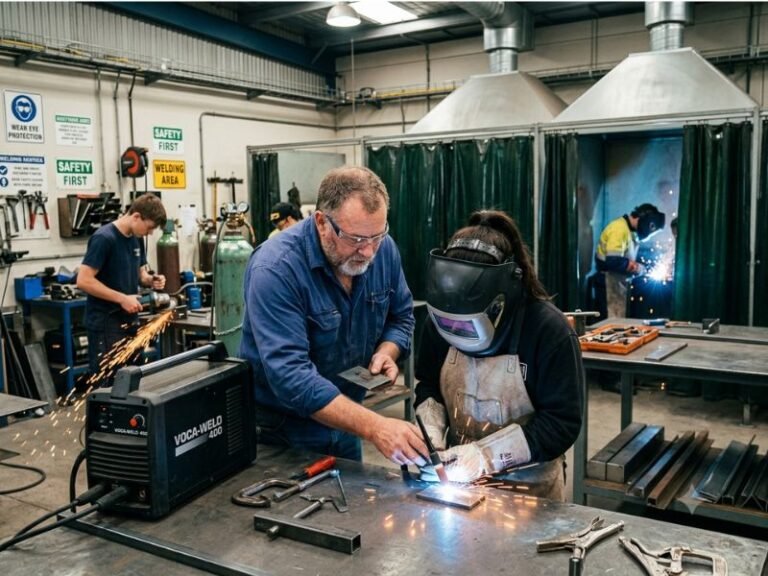
Experienced instructors who have worked extensively with stainless steel in real-world applications can provide invaluable insights and practical tips that go beyond textbook knowledge. They should be certified and able to demonstrate advanced techniques.
Curriculum Depth
Ensure the curriculum covers the essential topics mentioned above, with a strong emphasis on hands-on practice. A good program will dedicate significant time to TIG welding, as it’s paramount for high-quality stainless steel work.
Facilities and Equipment
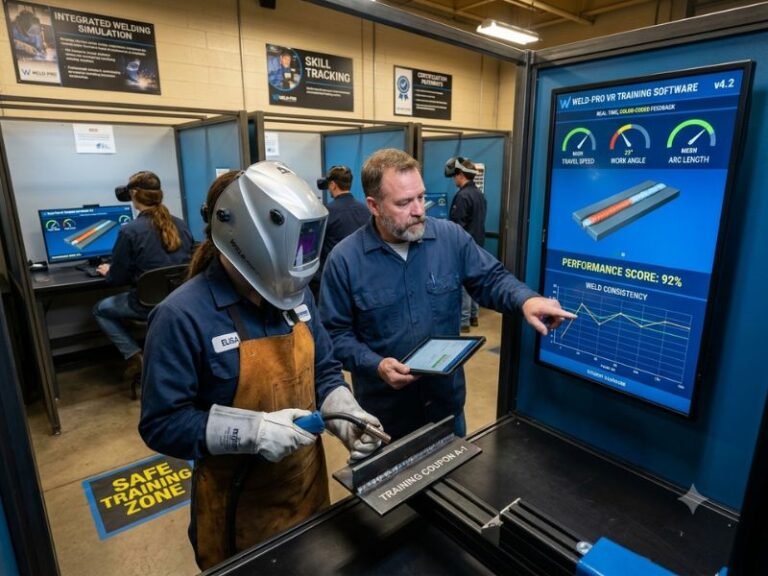
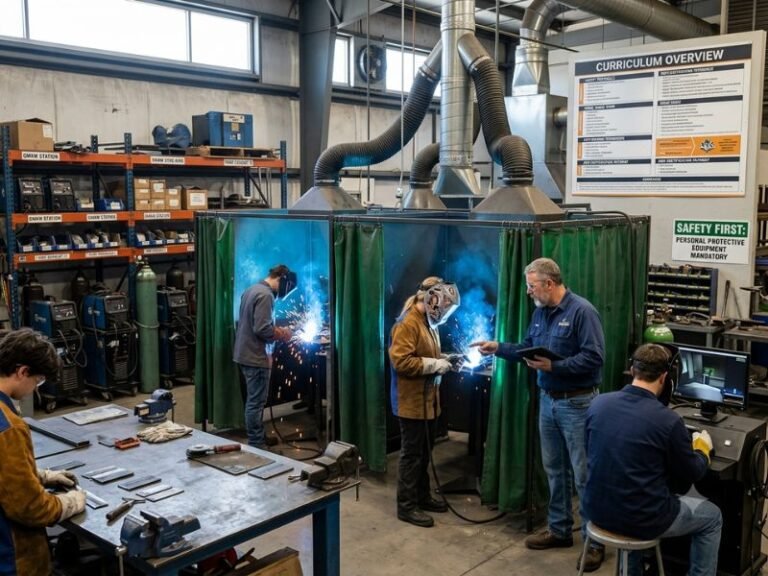
Modern, well-maintained welding booths with up-to-date equipment (TIG, MIG, and potentially orbital welding machines) are essential. Access to various stainless steel grades and joint configurations for practice is also important.
Class Size and Instructor-to-Student Ratio
Smaller class sizes allow for more personalized attention and feedback from instructors, which is critical for developing complex welding skills. I always found that one-on-one guidance made a significant difference in my learning curve.
Certifications Offered
Many employers require specific welding certifications. Look for programs that prepare you for industry-recognized certifications, such as those from the American Welding Society (AWS) or ASME, particularly for specific stainless steel processes and positions.
Location and Schedule
Consider the geographical location and whether the program’s schedule fits your availability (full-time, part-time, evening classes). For those seeking local opportunities, a program with strong local industry connections can be a great asset.
Cost and Financial Aid
Evaluate the overall cost of tuition, materials, and living expenses. Inquire about financial aid options, scholarships, or payment plans that might be available.
Career Opportunities Enhanced by Stainless Steel Welding Skills
Proficiency in stainless steel welding opens doors to numerous specialized and often higher-paying career paths across various industries. Here are some examples:
Food and Beverage Industry
Stainless steel is critical for sanitary applications in food processing plants, breweries, and dairies. Welders here fabricate and repair tanks, pipes, and equipment that must meet stringent hygiene standards, often requiring orbital welding for consistent, smooth internal surfaces.
Pharmaceutical and Biotechnology
Similar to food processing, these industries demand extremely high purity and corrosion resistance. Welders work on cleanroom equipment, bioreactors, and piping systems where even microscopic imperfections can compromise product integrity. TIG welding with extensive back purging is standard.
Aerospace and Aviation
Stainless steel alloys are used in aircraft components, exhaust systems, and engine parts due to their strength and heat resistance. Precision welding, often involving exotic stainless grades, is essential for safety and performance.
Chemical and Petrochemical
For handling corrosive chemicals, stainless steel tanks, pipelines, and heat exchangers are vital. Welders in this sector must understand the specific grades required for different chemical environments and ensure weld integrity against aggressive media.
Architectural and Decorative Fabrication
From modern building facades and handrails to intricate sculptures, stainless steel is prized for its aesthetic appeal and durability. Welders here often focus on achieving visually flawless welds with minimal distortion and precise finishing.
Marine Industry
Stainless steel is used for boat fittings, railings, and components exposed to saltwater environments due to its corrosion resistance. Welders must ensure robust, corrosion-proof joints.
Medical Device Manufacturing
Small, intricate stainless steel components for surgical instruments, implants, and diagnostic equipment often require micro-TIG welding skills and extreme precision.
Boiler and Pressure Vessel Manufacturing
High-pressure applications frequently use stainless steel for its strength at elevated temperatures and corrosion resistance. Welders must adhere to strict codes and standards like ASME.
These roles often require not just welding skill but also an understanding of relevant industry codes, quality control procedures, and the specific demands of the materials being joined. The specialized nature of stainless steel welding means that those with proven expertise are highly sought after.
Common Mistakes to Avoid When Welding Stainless Steel
Even with training, some common pitfalls can still trip up welders. Being aware of these can help you prevent them.
Insufficient Cleaning
Stainless steel must be meticulously clean before welding. Any oil, grease, paint, rust, or even fingerprints can introduce contaminants into the weld, leading to porosity, reduced corrosion resistance, or cracking. I always emphasize the importance of using dedicated stainless steel brushes and grinders to avoid cross-contamination from carbon steel tools.
Lack of Back Purging
As mentioned, failing to adequately back purge the root side of a stainless steel weld is a critical error. This leads to “sugaring,” which severely compromises the weld’s corrosion resistance and can create stress points. Ensure your purge setup is airtight and that inert gas flows consistently.
Excessive Heat Input
Too much heat can lead to several problems: increased distortion, carbide precipitation (sensitization), and excessive heat tint. Proper technique involves using the lowest possible amperage, fastest travel speed, and appropriate interpass temperatures to minimize heat input.
Incorrect Filler Metal
Using the wrong filler metal can lead to a weld that doesn’t match the base metal’s mechanical properties or corrosion resistance. Always double-check the material grade and select a filler that is compatible or slightly over-alloyed.
Poor Shielding Gas Coverage
Inadequate shielding gas flow or exposure to drafts can allow atmospheric oxygen and nitrogen to contaminate the weld puddle, causing porosity and reducing corrosion resistance. Ensure proper gas flow rates, use a large enough cup for TIG, and shield the weld area from drafts.
Improper Post-Weld Cleaning
Leaving heat tint or slag on the weld can compromise its corrosion resistance. Heat tint is an oxide layer that needs to be removed, typically through mechanical brushing, pickling, or electrochemical cleaning, followed by passivation to restore the passive layer.
Ignoring Distortion Control
Underestimating stainless steel’s tendency to distort can lead to warped parts that are difficult or impossible to salvage. Employing proper clamping, tacking, and welding sequences is essential.
Advanced Techniques and Considerations
Once you master the basics, advanced stainless steel welding training might introduce you to more specialized techniques.
Orbital Welding
This automated process is crucial for high-purity applications in industries like pharmaceutical, semiconductor, and food processing. It produces extremely consistent, high-quality, and repeatable welds on pipes and tubes, often without filler metal. Learning orbital welding can significantly boost your career prospects in these niche areas.
Welding Duplex and Super Duplex Stainless Steels
These advanced stainless steel grades offer superior strength and corrosion resistance but are more challenging to weld. They require precise heat input control to maintain the correct balance of austenite and ferrite phases in the weld metal. Specialized training covers the unique metallurgy and welding procedures for these materials.
Pulsed TIG and Pulsed MIG
Pulsed welding techniques offer enhanced control over heat input, penetration, and bead profile. For stainless steel, pulsed TIG can help minimize distortion and achieve excellent root penetration, while pulsed MIG can reduce spatter and improve control over the weld puddle, especially on thinner materials.
Hot Wire TIG
This technique involves preheating the filler wire before it enters the weld puddle, increasing deposition rates while maintaining the precision of TIG welding. It’s used for thicker sections where TIG is preferred but higher productivity is desired.
Laser Welding and Electron Beam Welding
For extremely precise, low-distortion welds on very thin or complex stainless steel components, these high-energy density processes are sometimes employed. While less common in general fabrication, they are vital in specific high-tech sectors.
The Value of Continuous Learning
The field of welding, especially with specialized materials like stainless steel, is constantly evolving. New alloys, welding processes, and equipment are regularly introduced. Therefore, continuous learning is not just beneficial but necessary to stay competitive and proficient.
After completing initial training, I always recommend seeking opportunities for advanced courses, workshops, or certifications in specific areas like orbital welding, welding of duplex steels, or advanced TIG techniques. Attending industry seminars, reading trade publications, and participating in online forums can also keep you updated on best practices and emerging technologies.
Practical experience is, of course, irreplaceable. The more you weld stainless steel, the more intuitive the process becomes. Each new project presents unique challenges that refine your problem-solving skills and deepen your understanding of material behavior.
FAQ Section
What is the best welding process for stainless steel?
For most high-quality, critical, and aesthetic stainless steel applications, Gas Tungsten Arc Welding (GTAW or TIG) is considered the best due to its precise heat control, clean welds, and ability to produce excellent penetration and appearance. Gas Metal Arc Welding (GMAW or MIG) is suitable for thicker sections and higher productivity, especially with pulsed transfer modes.
Why is back purging so important when welding stainless steel?
Back purging is crucial to prevent “sugaring” (oxidation) on the backside of the weld. When the hot root side of a stainless steel weld is exposed to atmospheric oxygen, it forms a rough, crystalline oxide layer that severely compromises corrosion resistance and can lead to structural weaknesses. Purging with an inert gas like argon protects this critical area.
What are the main challenges when welding stainless steel compared to carbon steel?
Stainless steel presents challenges such as higher thermal expansion and lower thermal conductivity, leading to increased distortion. It’s also susceptible to carbide precipitation (sensitization) at certain temperatures, which reduces corrosion resistance. Contamination must be strictly avoided, and specific filler metals and shielding gases are required.
Can I use a regular MIG welder for stainless steel?
Yes, you can use a MIG welder for stainless steel, but it requires specific adjustments. You’ll need stainless steel welding wire, a suitable shielding gas (typically argon with a small percentage of CO2 or oxygen), and proper parameter settings. Pulsed MIG is often preferred for better heat control and reduced spatter compared to conventional MIG.
What certifications are important for stainless steel welding?
Industry-recognized certifications from organizations like the American Welding Society (AWS) are highly valued. Specific certifications might include AWS D1.6 (Structural Welding Code – Stainless Steel) or certifications for specific processes (e.g., TIG, MIG) and joint configurations on stainless steel, often tailored to particular industries like pipe welding or pressure vessels (ASME).
How do I prevent distortion when welding stainless steel?
Preventing distortion involves several strategies: minimizing heat input (using lower amperage, faster travel speed), employing proper tacking techniques, using skip welding or back-stepping sequences, utilizing clamps and heat sinks, and allowing adequate cooling time between passes. Understanding the material’s thermal properties is key.
What is “sensitization” in stainless steel welding?
Sensitization, or carbide precipitation, occurs when certain stainless steel grades are heated within a specific temperature range (450-850°C) during welding. Chromium combines with carbon at the grain boundaries, depleting chromium in those areas and making the steel susceptible to intergranular corrosion. Using low-carbon (L-grade) stainless steels, stabilized grades, or rapid cooling can mitigate this.
Conclusion
Mastering stainless steel welding is a rewarding endeavor that significantly enhances a welder’s skill set and career prospects. It demands a deep understanding of metallurgy, precise technique, and meticulous attention to detail, far beyond what is typically required for carbon steel. From controlling distortion and preventing sensitization to ensuring proper back purging and selecting the correct consumables, each aspect contributes to a high-quality, corrosion-resistant, and durable weld.
By investing in comprehensive stainless steel welding training, you gain the theoretical knowledge and practical experience necessary to tackle the unique challenges presented by this versatile material. This specialized expertise opens doors to diverse and critical industries where precision, purity, and longevity are paramount. As I’ve outlined, choosing the right program and committing to continuous learning will be key to your success in this specialized and in-demand field.