Offshore Welding Training: Complete Guide and Practical Tips
The allure of working offshore as a welder is undeniable for many skilled tradespeople. It promises a unique blend of challenging work, significant earning potential, and the opportunity to contribute to vital global industries like oil and gas, renewable energy, and maritime infrastructure. However, this specialized field demands more than just traditional welding skills; it requires a deep understanding of specific techniques, safety protocols, and environmental considerations unique to marine environments.
Embarking on a career in offshore welding is a serious commitment that necessitates rigorous preparation. It’s not a path for the faint of heart, as the work often involves long shifts, remote locations, and exposure to harsh weather conditions. Yet, for those who thrive in such environments, the rewards can be substantial, both professionally and financially.
Understanding the pathways to this demanding career is crucial. This article will serve as your comprehensive guide, detailing what offshore welding training entails, the essential certifications you’ll need, and the practical steps to take to position yourself for success in this specialized and rewarding sector. I’ll help you navigate the complexities of this career choice, from initial education to advanced specialization, ensuring you have a clear roadmap to achieve your offshore welding aspirations.
My aim is to demystify the process, providing clear insights into the educational requirements, the types of training available, and the career progression you can expect. By the end of this guide, you will have a solid understanding of how to embark on and advance your career in offshore welding, equipped with the knowledge to make informed decisions about your training and professional development.
Understanding the Offshore Welding Environment
Before diving into training specifics, it’s vital to grasp the unique challenges and demands of the offshore environment. Unlike land-based welding, working at sea introduces a host of variables that impact safety, technique, and equipment. These factors directly influence the type of training and skills required for success.
Harsh Environmental Conditions
Offshore welders often work in extreme conditions. This includes exposure to saltwater, high winds, strong currents, and fluctuating temperatures. These elements can corrode equipment, reduce visibility, and make maintaining stable welding conditions incredibly difficult. Training programs must therefore emphasize techniques and equipment suitable for these challenging environments, often including specialized coatings, materials, and welding processes designed to withstand marine exposure.
Unique Safety Protocols
Safety is paramount in any welding operation, but offshore, the stakes are even higher. The presence of highly flammable materials on oil rigs, the confined spaces within vessels, and the inherent dangers of working at heights or underwater necessitate stringent safety protocols. Offshore welding training will heavily focus on emergency procedures, confined space entry, working at height, sea survival, and advanced first aid, often exceeding typical land-based safety standards. Understanding and adhering to these protocols is not just a job requirement; it’s a matter of survival.
Specialized Equipment and Techniques
The equipment used offshore is often designed for durability and specific applications. Welders might use specialized underwater welding gear, remotely operated vehicles (ROVs) for inspection, or advanced non-destructive testing (NDT) equipment. Techniques such as hyperbaric welding (welding in a pressurized environment) or dry habitat welding are common for subsea repairs. Training programs must introduce these tools and methods, ensuring welders are proficient in their use and maintenance.
Logistical Challenges and Remote Work
Offshore sites are typically remote, meaning access to resources, medical facilities, and even basic amenities is limited. Welders must be self-sufficient, capable of troubleshooting minor issues, and prepared for extended periods away from home. This aspect of the job requires a certain mental fortitude and adaptability, which, while not directly taught in a welding course, is an important consideration for anyone pursuing this career path.
Essential Skills for Offshore Welders
Beyond the core welding competencies, a successful offshore welder possesses a specific set of skills that enable them to thrive in this demanding environment. These skills are often honed through specialized training and practical experience.
Advanced Welding Processes
While a foundational understanding of various welding processes is essential, offshore work often demands proficiency in specific advanced techniques. These include:
- Shielded Metal Arc Welding (SMAW): Often called “stick welding,” SMAW is versatile and widely used offshore due to its portability and effectiveness in various weather conditions.
- Gas Tungsten Arc Welding (GTAW): Also known as TIG welding, GTAW provides high-quality welds, crucial for critical applications and specialized materials.
- Flux-Cored Arc Welding (FCAW): FCAW is known for its high deposition rates and ability to work well outdoors, making it suitable for structural offshore applications.
- Submerged Arc Welding (SAW): While less common for field repairs, SAW is used for high-quality, high-speed welding in fabrication shops that produce offshore components.
- Hyperbaric Welding: This highly specialized technique involves welding underwater in a dry or wet environment, often at significant depths. It requires extensive additional training and certification.
A comprehensive offshore welding training program will ensure proficiency in several of these processes, often focusing on those most relevant to the specific industry segment (e.g., oil and gas, wind energy).
Non-Destructive Testing (NDT) Awareness
Offshore structures and pipelines are subject to immense stress, making weld integrity critical. Welders must have at least an awareness of NDT methods like ultrasonic testing, radiographic testing, magnetic particle testing, and penetrant testing. While they may not perform these tests, understanding the principles helps them produce welds that will pass inspection and identify potential issues during the welding process.
Blueprint Reading and Fabrication Knowledge
The ability to accurately read complex blueprints, schematics, and welding symbols is non-negotiable. Offshore welders frequently work on intricate structures and need to understand design specifications, material requirements, and dimensional tolerances. Fabrication knowledge, including fitting and rigging, is also crucial, as welders often participate in the assembly and repair of large components.
Problem-Solving and Adaptability
Offshore environments are unpredictable. Equipment can fail, weather can change rapidly, and unexpected challenges arise. Welders must be adept at problem-solving, thinking on their feet, and adapting their approach to maintain safety and efficiency. This includes troubleshooting welding equipment, making on-the-spot adjustments to techniques, and collaborating effectively with a diverse team.
Physical and Mental Fortitude
Working offshore is physically demanding, involving heavy lifting, working in awkward positions, and enduring long shifts. It also requires significant mental resilience to cope with isolation, high-pressure situations, and the inherent dangers of the job. Training often includes physical assessments to ensure candidates can meet these demands, and mental preparation is an unspoken but vital component.
Pathways to Offshore Welding Training
There isn’t a single, universal path to becoming an offshore welder. Instead, it typically involves a combination of foundational welding education, specialized offshore training, and relevant certifications. I’ll break down the common routes and what each entails.
Foundational Welding Education
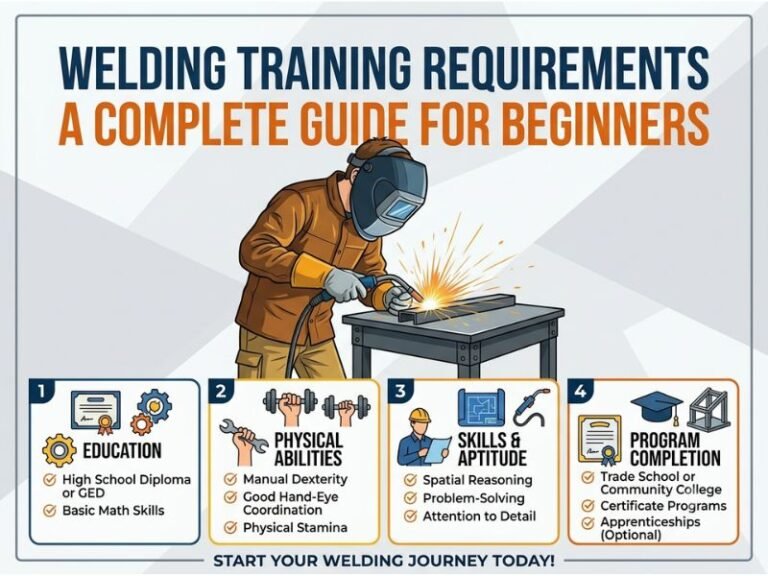
The first step for almost anyone aspiring to be an offshore welder is to acquire solid foundational welding skills. This can be achieved through various avenues:
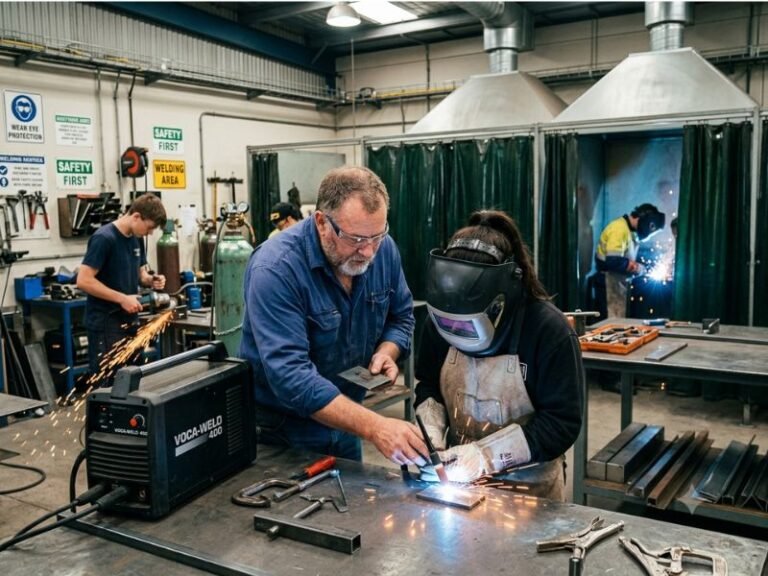
- Vocational Schools or Community Colleges: These institutions offer comprehensive welding programs, typically lasting from six months to two years, resulting in a certificate or associate’s degree. They cover fundamental welding processes (SMAW, GMAW, GTAW, FCAW), blueprint reading, metallurgy basics, and shop safety. This is often the most common and recommended starting point.
- Apprenticeships: A structured apprenticeship program combines on-the-job training with classroom instruction. While less common specifically for offshore, a general welding apprenticeship can provide invaluable practical experience and lead to journeyman status, which is highly respected.
- Military Training: Individuals with welding experience gained in the military often possess a strong work ethic and technical skills that translate well to the offshore environment. Military training can be highly specialized and rigorous.
My advice is to aim for a program that provides a broad base of welding knowledge and practical skills across multiple processes. This versatility will be a significant asset when you pursue more specialized offshore training.
Specialized Offshore Welding Training Programs
Once you have a strong welding foundation, the next crucial step is to enroll in specialized offshore welding training. These programs are designed to bridge the gap between land-based welding and the unique demands of the marine environment. They typically focus on:
- Advanced Welding Techniques: This includes specific procedures for welding different types of steel, exotic alloys, and specialized pipe welding techniques relevant to offshore structures.
- Underwater Welding (Hyperbaric Welding): For those interested in subsea work, this is a highly specialized and intensive course. It covers wet welding (welding directly in water) and dry habitat welding (creating a dry chamber around the weld area underwater). These programs are often lengthy, expensive, and require significant physical fitness.
- Offshore Safety Certifications: A major component of these programs is obtaining mandatory safety certifications. These are critical for anyone working offshore and often include BOSIET (Basic Offshore Safety Induction and Emergency Training), HUET (Helicopter Underwater Escape Training), and various first aid and confined space entry certifications.
- Rigging and Lifting: Understanding safe rigging and lifting practices is essential for working with heavy components on offshore platforms and vessels.
- Fabrication and Repair Specifics: Training often includes practical exercises simulating repairs on offshore structures, pipelines, and vessel components.
These specialized programs are often offered by dedicated maritime training centers or private institutions with strong ties to the offshore industry. Researching the reputation and industry recognition of these schools is vital.
Certifications and Qualifications
Certifications are the bedrock of credibility in the welding industry, and even more so offshore. Beyond your educational credentials, specific certifications validate your skills and adherence to industry standards. Key certifications include:
- AWS (American Welding Society) Certifications: The AWS offers a wide range of certifications, such as Certified Welder (CW) for various processes and materials. These are globally recognized and highly valued.
- API (American Petroleum Institute) Certifications: For those targeting the oil and gas sector, API certifications, particularly for pipeline welding, are often required.
- DNV GL, Lloyd’s Register, or ABS Certifications: These are classification societies that set standards for maritime and offshore structures. Welders working on vessels or platforms classified by these bodies may need specific certifications from them.
- CSWIP (Certification Scheme for Welding and Inspection Personnel): This is an internationally recognized certification scheme, particularly strong in the UK and Europe, that covers welding, inspection, and NDT.
I cannot stress enough the importance of maintaining current certifications. Many offshore roles require certifications to be renewed periodically, often every few years, to ensure ongoing proficiency and adherence to updated standards.
Key Certifications for Offshore Work
Beyond welding-specific qualifications, there are several mandatory safety and survival certifications that virtually every individual working offshore must possess. These are not optional; they are prerequisites for stepping foot on an offshore installation.
Basic Offshore Safety Induction and Emergency Training (BOSIET)
The BOSIET certificate is arguably the most fundamental and widely recognized offshore safety qualification. It’s designed to introduce delegates to the specific safety issues and regimes relevant to offshore installations, and to equip them with the basic emergency response knowledge and skills for traveling to and from offshore installations by helicopter. The course typically covers:
- Helicopter Safety and Escape (HUET): This is a critical component, training individuals on how to escape from a submerged helicopter.
- Sea Survival: Techniques for surviving in the open sea, including the use of life rafts and personal flotation devices.
- Firefighting and Self-Rescue: Basic firefighting techniques and how to use emergency breathing apparatus.
- First Aid: Essential first aid knowledge for common offshore incidents.
BOSIET is typically valid for four years, after which a refresher course (FOET – Further Offshore Emergency Training) is required.
Helicopter Underwater Escape Training (HUET)
While often integrated into BOSIET, HUET can sometimes be taken as a standalone course. Given that helicopters are the primary mode of transport to many offshore platforms, understanding how to react and escape in the event of a ditching is paramount. This training is intense and simulates a helicopter crash into water, requiring participants to escape from a submerged module.
Offshore Medical Certificate
Before working offshore, you will need to pass a stringent medical examination to ensure you are physically and mentally fit for the demanding environment. This typically includes assessments of vision, hearing, cardiovascular health, and general physical condition. The medical certificate must be current and is usually valid for one or two years, depending on the region and specific requirements.
Confined Space Entry
Many welding tasks offshore involve working in confined spaces such as tanks, pipelines, or structural compartments. Training in confined space entry covers hazard identification, atmospheric monitoring, ventilation, rescue procedures, and the use of specialized personal protective equipment (PPE). This is crucial for preventing accidents in oxygen-deficient or hazardous gas environments.
Working at Height
Offshore structures are often tall and require work at significant elevations. Working at height training covers the safe use of fall protection equipment (harnesses, lanyards), ladder safety, scaffold awareness, and rescue techniques for individuals suspended at height. Understanding proper anchorage points and load limits is also a key component.
Other Relevant Certifications
Depending on the specific role and region, other certifications might be required, such as:
- H2S Awareness: For working in areas where hydrogen sulfide gas (a highly toxic gas) may be present.
- Manual Handling: Training on safe lifting and carrying techniques to prevent injuries.
- Dangerous Goods by Air/Sea: For personnel involved in transporting hazardous materials.
I recommend checking the specific requirements of the country or company you plan to work for, as these can vary. It’s always better to be over-certified than under-certified when it comes to offshore safety.
Choosing the Right Offshore Welding Training Program
Selecting the appropriate training program is a critical decision that will significantly impact your career trajectory. With various options available, it’s essential to evaluate them carefully based on several factors.
Accreditation and Reputation
The first and most important consideration is the accreditation of the training institution. Ensure that the program is recognized by relevant industry bodies (e.g., American Welding Society, national maritime authorities, or international classification societies like DNV GL). An accredited program signifies that the curriculum meets established standards and that your qualifications will be recognized by employers. Research the school’s reputation within the offshore industry; speak to alumni if possible, and look for reviews.
Curriculum and Specializations
Review the course curriculum in detail. Does it cover the specific welding processes and safety certifications you need for your desired offshore sector (e.g., oil and gas, wind energy, shipbuilding)? Some programs might specialize in underwater welding, while others focus on topside fabrication and repair. Consider your long-term career goals and choose a program that aligns with those aspirations. A good program will offer a balance of theoretical knowledge and extensive practical, hands-on training.
Instructor Experience
The quality of instruction is paramount. Look for programs taught by instructors with extensive real-world experience in offshore welding. Their practical insights, knowledge of industry best practices, and connections within the industry can be invaluable. Don’t hesitate to ask about the instructors’ backgrounds and qualifications.
Facilities and Equipment
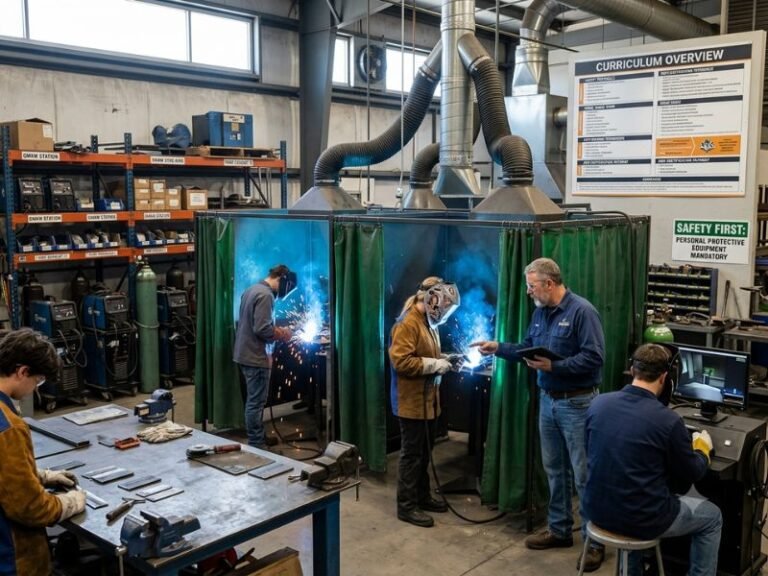
A high-quality offshore welding training program will have state-of-the-art facilities that simulate real-world offshore conditions as closely as possible. This includes modern welding equipment, specialized workshops for pipe welding, and often, a dedicated pool or tank for underwater welding training. Adequate safety equipment and a strong emphasis on practical application are also crucial.
Location and Cost
Offshore welding training programs can be found globally, with prominent centers in the me (e.g., Gulf Coast regions), UK, Norway, and Australia. Consider the logistical aspects of attending a program, including travel, accommodation, and living expenses. The cost of these specialized programs can be substantial, ranging from several thousand to tens of thousands of dollars, especially for underwater welding. Research potential financial aid, scholarships, or employer sponsorship opportunities.
Job Placement Assistance
While not a guarantee, some reputable training centers offer job placement assistance or have strong connections with offshore companies. This can be a significant advantage in securing your first offshore role. Inquire about their success rates for graduates and their network within the industry.
I advise you to contact several different training providers, compare their offerings, and ask detailed questions before making a commitment. This due diligence will ensure you invest your time and money wisely in a program that genuinely prepares you for a successful offshore welding career.
Career Progression and Opportunities
A career in offshore welding is not static; it offers various paths for progression and specialization. Understanding these opportunities can help you plan your training and long-term professional development.
Entry-Level Offshore Welder
Initially, you might start as an entry-level offshore welder or a welder’s helper. This phase is crucial for gaining practical experience in the unique offshore environment, understanding site-specific procedures, and working under the guidance of more experienced professionals. You’ll likely perform routine welding tasks, assist with fabrication, and contribute to general maintenance.
Specialized Welder
With experience, you can specialize in particular areas. This could include:
- Pipe Welder: Focusing on high-pressure pipelines, which requires exceptional precision and adherence to strict codes.
- Structural Welder: Working on the structural integrity of platforms, rigs, or vessels.
- Underwater Welder (Wet or Dry Habitat): This is a highly specialized and lucrative path for those with advanced training and certifications in hyperbaric welding.
- Exotic Materials Welder: Working with specialized alloys like stainless steel, duplex, or super duplex, which are common in corrosive offshore environments.
Each specialization often requires additional training and specific certifications, leading to higher pay and more complex projects.
Lead Welder or Foreman
Experienced and highly skilled welders can advance to lead welder or foreman positions. In these roles, you would be responsible for overseeing a team of welders, ensuring quality control, managing project timelines, and coordinating with other departments. This requires strong leadership, communication, and organizational skills, in addition to expert welding proficiency.
Welding Inspector
Another progression path is to become a certified welding inspector. This role involves ensuring that all welding work meets industry codes, standards, and project specifications. It requires a deep understanding of welding processes, metallurgy, and non-destructive testing (NDT) methods. Certifications from bodies like the American Welding Society (AWS Certified Welding Inspector – CWI) are essential for this role.
Project Management or Supervisory Roles
With extensive experience and further education, some offshore welders transition into project management or broader supervisory roles within offshore construction, maintenance, or fabrication companies. These roles leverage their practical experience while focusing on planning, logistics, and overall project execution.
The Global Nature of Offshore Work
One of the significant advantages of offshore welding is the global demand for skilled professionals. Opportunities exist in major oil and gas regions (e.g., Gulf of Mexico, North Sea, Middle East, West Africa), as well as in the burgeoning offshore wind energy sector (e.g., Europe, Asia-Pacific). Being open to international travel can significantly expand your career prospects and earning potential. However, it also means navigating different national regulations, visa requirements, and cultural norms.
I’ve observed that continuous learning and adapting to new technologies are crucial for long-term success in this field. The offshore industry is constantly evolving, with new materials, welding techniques, and safety standards emerging regularly. Staying current with your skills and certifications will keep you competitive and open doors to advanced opportunities.
Challenges and Considerations in Offshore Welding
While the rewards of offshore welding are significant, it’s important to approach this career with a clear understanding of its inherent challenges. I want to provide a realistic perspective so you can make an informed decision.
Extended Periods Away from Home
One of the most significant challenges is the rotational work schedule, which typically involves weeks or even months offshore followed by a period of time off. This can be taxing on personal relationships and family life. The isolation and remoteness of offshore locations require a certain mental resilience and adaptability. It’s crucial to have a strong support system and strategies for coping with extended periods away.
Physically Demanding Work
Offshore welding is physically arduous. It often involves working in cramped or awkward positions, lifting heavy equipment, and performing tasks in challenging weather conditions. The constant motion of a vessel or platform can also contribute to fatigue. Maintaining a high level of physical fitness is not just recommended; it’s often a job requirement.
High-Pressure and High-Stakes Environment
The nature of offshore operations means that mistakes can have severe consequences, both in terms of safety and financial impact. Welders often work on critical components where precision and quality are paramount. This creates a high-pressure environment where attention to detail and adherence to procedures are non-negotiable. The ability to perform under pressure is a key trait for success.
Strict Safety Regulations and Compliance
As mentioned earlier, offshore environments are governed by extremely strict safety regulations. While these are in place for your protection, they also mean constant vigilance, adherence to protocols, and participation in frequent safety drills and training. Any deviation can lead to serious repercussions.
Exposure to Hazardous Materials
Offshore welders may be exposed to various hazardous materials, including welding fumes, chemicals, and potentially flammable gases. While proper PPE and ventilation are mandated, understanding these risks and following safety procedures diligently is critical for long-term health.
Job Security and Market Fluctuations
The offshore industry, particularly oil and gas, can be subject to market fluctuations driven by global energy prices and economic conditions. This can impact job availability and project pipelines. While the renewable energy sector offers growing opportunities, it’s still wise to be aware of the cyclical nature of the industry.
Continuous Training and Certification Renewal
To remain employable, offshore welders must commit to continuous professional development. This includes renewing safety certifications (like BOSIET/FOET) every few years, updating welding qualifications, and potentially acquiring new skills as technology and industry standards evolve. This ongoing investment of time and money is a necessary part of the career.
I believe that by acknowledging these challenges upfront, you can better prepare yourself for the realities of offshore welding. For those who are well-suited to the demands, these challenges are often outweighed by the professional satisfaction and financial rewards.
FAQ: Offshore Welding Training
What is the typical starting salary for an offshore welder?
Starting salaries for offshore welders can vary significantly based on location, company, specific project, and the welder’s experience and certifications. However, entry-level offshore welders often earn more than their land-based counterparts, with typical ranges from $60,000 to $90,000 annually. Highly specialized welders, especially underwater welders, can command significantly higher wages, often exceeding $100,000-$150,000 per year.
How long does it take to become an offshore welder?
The timeline varies. It typically involves 6 months to 2 years for foundational welding training, followed by several weeks to a few months for specialized offshore safety and welding certifications (like BOSIET and advanced pipe welding). For highly specialized roles like underwater welding, the training can extend for another 6 months to a year. Overall, expect a minimum of 1-3 years of dedicated training and initial experience before securing a significant offshore welding role.
Do I need to be a certified diver to be an underwater welder?
Yes, absolutely. To become an underwater welder, you must first be a fully certified commercial diver. This involves extensive training in diving physics, decompression procedures, underwater navigation, and emergency protocols. Welding training is then added on top of your commercial diving certification, often specializing in wet or dry habitat welding techniques.
Are there opportunities for women in offshore welding?
Yes, the offshore welding industry is increasingly diverse. While historically male-dominated, more women are entering skilled trades, including welding. Companies are actively promoting diversity and inclusion. The key requirements remain skill, certification, physical fitness, and mental fortitude, regardless of gender.
What are the physical requirements for offshore welding training and work?
Offshore welding is physically demanding. You must be able to lift heavy objects, work in confined spaces, at heights, and in challenging weather. Good vision, hearing, and overall cardiovascular health are essential. Most training programs and offshore companies require a stringent medical examination to ensure you are fit for duty and can pass sea survival tests like HUET.
Is offshore welding dangerous?
All welding carries inherent risks, and offshore welding introduces additional hazards due to the marine environment, remote locations, and the presence of flammable materials. However, the industry has extremely strict safety protocols, extensive training requirements, and advanced equipment designed to mitigate these risks. While dangerous, the emphasis on safety aims to make it as safe as possible for trained and compliant personnel.
Can I get offshore welding training online?
While some theoretical components or introductory courses might be offered online, the vast majority of essential offshore welding training and safety certifications require hands-on, in-person instruction. Practical welding skills, working with specialized equipment, and critical safety drills (like HUET or firefighting) cannot be effectively learned remotely. Online components may supplement, but not replace, practical training.
Conclusion
Embarking on a career in offshore welding is a challenging yet profoundly rewarding path for those with the right skills, dedication, and mindset. It demands a robust foundation in welding, coupled with specialized training in marine-specific techniques and an unwavering commitment to safety. The journey requires significant investment in education, certifications, and continuous professional development, but the opportunities for high earning potential and engaging work in vital global industries are substantial.
I’ve aimed to provide a comprehensive overview of what it takes to succeed in this field, from understanding the unique offshore environment to navigating training pathways and career progression. By carefully considering the requirements, embracing continuous learning, and choosing the right offshore welding training, you can position yourself for a fulfilling and impactful career at sea.