Nuclear Welding Training: Clear Overview and Expert Insights
The hum of a welding arc is a familiar sound in many industries, but few fields demand the precision, expertise, and unwavering commitment to safety quite like nuclear power. Working within this sector means contributing to some of the most critical infrastructure on the planet, where every weld is a testament to meticulous training and an understanding of immense responsibility. It’s a career path that offers significant challenges and equally significant rewards, attracting individuals who thrive on high standards and continuous learning. I focus on Nuclear welding training because the practical meaning can change with the situation, goal, and constraints involved.
For those contemplating a specialized trade, the idea of contributing to nuclear energy often sparks curiosity. It’s not just about joining metal; it’s about ensuring the integrity of systems that operate under extreme conditions, where even the smallest imperfection can have far-reaching consequences. This unique environment necessitates a level of skill and knowledge that goes beyond conventional welding practices.
If you’re considering a career that combines advanced technical skill with a profound sense of purpose, understanding the pathway into this specialized field is crucial. I’ll guide you through what it takes to enter this demanding yet rewarding profession. This article will help you understand the specific demands, the training involved, and the career prospects within nuclear welding, ensuring you have a clear picture of this vital trade.
My aim is to demystify the journey into this highly specialized craft, providing insights into the rigorous standards and the comprehensive education required. I want to help you determine if nuclear welding aligns with your career aspirations and what steps you need to take to achieve success in this critical industry.
Understanding Nuclear Welding Training
Nuclear welding training is not merely an advanced course in traditional welding; it’s a comprehensive educational and practical regimen designed to prepare individuals for the unique challenges and stringent requirements of the nuclear energy sector. This field demands an unparalleled level of precision, quality control, and adherence to safety protocols, far exceeding those found in most other industries. When I consider what sets nuclear welding apart, it’s the absolute intolerance for error and the critical nature of the components being joined.
The primary goal of this specialized training is to produce welders who can consistently create welds of exceptional integrity, capable of withstanding extreme temperatures, pressures, radiation exposure, and corrosive environments. These welds are integral to the safe operation of nuclear power plants, research facilities, and naval vessels, making the quality of workmanship a direct determinant of safety and operational reliability.
What Makes Nuclear Welding Unique?
Several factors distinguish nuclear welding from other forms of welding:
- Material Specificity: Nuclear applications often involve exotic alloys and specialized materials like stainless steels, nickel-based alloys, and zirconium alloys, each with unique welding characteristics and sensitivities. Training focuses heavily on understanding these materials and their metallurgical properties.
- Code Compliance: The industry operates under incredibly strict regulatory codes and standards, primarily those set by the American Society of Mechanical Engineers (ASME), specifically Section III (Nuclear Components) and Section IX (Welding and Brazing Qualifications). Welders must not only be proficient in their craft but also deeply knowledgeable about these codes.
- Inspection and Quality Assurance: Every weld in a nuclear facility undergoes rigorous inspection, often involving non-destructive examination (NDE) methods such as radiographic testing, ultrasonic testing, magnetic particle testing, and liquid penetrant testing. Training includes understanding these inspection methods and how to produce welds that will pass them.
- Safety and Radiation Awareness: Working in a nuclear environment means understanding radiation safety protocols, contamination control, and emergency procedures. Welders receive specific training on how to work safely in controlled areas.
- Documentation: Meticulous documentation of every weld, including procedures, materials, and welder qualifications, is a standard requirement. Trainees learn the importance of record-keeping and traceability.
Core Curriculum Components
A typical nuclear welding training program will cover a broad spectrum of topics, blending theoretical knowledge with extensive hands-on practice:
- Advanced Welding Processes: While many programs start with a foundation in common processes, they quickly advance to specialized techniques critical for nuclear applications. These often include:
- Gas Tungsten Arc Welding (GTAW/TIG): Valued for its precision and clean welds, especially on thin materials and root passes.
- Shielded Metal Arc Welding (SMAW/Stick): Used for its versatility and ability to weld in various positions, particularly for thicker sections and fill passes.
- Flux-Cored Arc Welding (FCAW): Sometimes used for higher deposition rates, though less common in primary nuclear components.
- Submerged Arc Welding (SAW): Employed for high-speed, high-quality welds on thick plates in specific applications.
- Metallurgy and Material Science: In-depth study of how different metals react to heat, how to prevent defects like cracking and porosity, and the properties of various alloys used in nuclear construction.
- Blueprint Reading and Welding Symbols: Advanced interpretation of engineering drawings and welding symbols specific to nuclear component fabrication.
- Welding Codes and Standards: Detailed instruction on ASME Boiler and Pressure Vessel Code Sections III and IX, as well as other relevant industry standards.
- Non-Destructive Examination (NDE) Principles: An understanding of how welds are inspected and what constitutes an acceptable weld according to NDE criteria.
- Quality Control and Quality Assurance: Training on the systems and procedures used to ensure the highest quality in every stage of the welding process.
- Safety Protocols: Comprehensive training on general industrial safety, specific welding hazards, and nuclear-specific safety measures, including radiation protection.
- Practical Application and Qualification: Extensive hands-on practice, culminating in rigorous qualification tests to specific ASME procedures, often involving multiple positions and material types.
The intensity and depth of this training reflect the critical role nuclear welders play. It’s a commitment to excellence that underpins the safety and efficiency of the entire nuclear industry.
Pathways to Becoming a Nuclear Welder
Embarking on a career as a nuclear welder requires a structured approach to education and certification. It’s not a field one simply “falls into”; rather, it demands intentional steps and a dedication to mastering a highly specialized craft. When I advise aspiring welders, I always emphasize that the journey is rigorous but ultimately rewarding for those who commit.
Foundational Welding Education
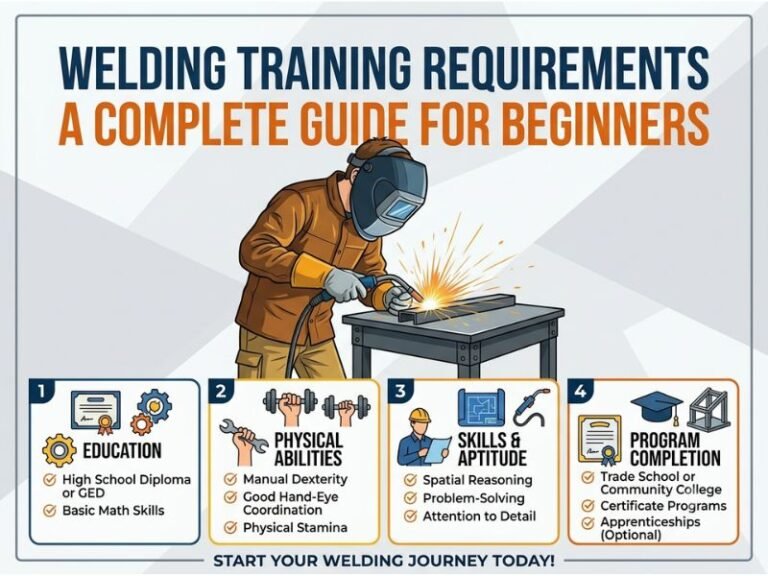
Before specializing in nuclear welding, most individuals first establish a strong foundation in general welding. This typically involves:
- Vocational Schools or Community Colleges: Many aspiring welders begin by attending accredited vocational programs or community college courses. These programs usually last from six months to two years and provide comprehensive training in various welding processes (SMAW, GTAW, GMAW, FCAW), blueprint reading, and basic metallurgy. They are excellent for developing the essential manual dexterity and theoretical understanding.
- Apprenticeships: Some individuals enter the trade through apprenticeships with unions or private companies. These programs combine on-the-job training with classroom instruction, allowing apprentices to earn a wage while learning. While not always specifically nuclear-focused from the start, a general welding apprenticeship can provide a solid base.
- High School Programs: A growing number of high schools offer welding programs that can give students a head start, providing basic skills and an introduction to the trade.
My recommendation is always to achieve a strong, broad welding foundation first. This ensures you have the fundamental skills that are transferable and will make the specialized nuclear training much more effective.
Specialized Nuclear Welding Programs
Once a strong general welding foundation is in place, the next step is to pursue specialized nuclear welding training. These programs are designed to bridge the gap between general welding proficiency and the exacting standards of the nuclear industry.
- Dedicated Nuclear Welding Schools: Several specialized institutions and private welding schools offer programs specifically tailored for nuclear applications. These programs are intensive, often lasting anywhere from a few months to over a year, depending on the depth of coverage and the starting skill level of the students. They focus heavily on ASME codes, advanced material handling, and the specific welding processes (primarily GTAW and SMAW) used in nuclear facilities.
- Union Training Centers: Major welding unions, such as the United Association (UA) of Plumbers, Pipefitters, Welders, & HVACR Techs, offer advanced training and qualification programs for their members, often including nuclear-specific certifications. These are typically for experienced welders looking to specialize further.
- Employer-Specific Training: Some large nuclear contractors or power generation companies may offer in-house training and qualification programs for their employees. This usually occurs after an individual has been hired based on their foundational welding skills and aptitude.
Key Certifications and Qualifications
Certification is paramount in nuclear welding. It’s not enough to simply be a good welder; you must demonstrate proficiency through standardized tests. The most critical certifications are tied to the ASME Boiler and Pressure Vessel Code:
- ASME Section IX Welder Performance Qualification (WPQ): This is the cornerstone. Welders must pass specific performance tests for each welding process, material type (e.g., carbon steel, stainless steel, nickel alloys), filler metal, joint design, and welding position they will be performing. These qualifications are typically administered by an Authorized Inspector or a certified welding inspector (CWI) representing the employer or a third-party agency.
- ASME Section III Knowledge: While Section IX covers performance, understanding Section III (Nuclear Components) is crucial for knowing the design, fabrication, and inspection requirements for nuclear pressure vessels, piping, pumps, and valves.
- AWS Certified Welding Inspector (CWI): While not a welding qualification itself, having a CWI on staff is essential for employers to qualify and oversee their welders. Some experienced nuclear welders may pursue CWI certification later in their careers.
- Radiation Safety Training: Often a separate certification or module within nuclear welding programs, this covers understanding radiation hazards, dose limits, and safe work practices in radiological environments.
I cannot overstate the importance of these certifications. They are the gatekeepers to employment in the nuclear sector, demonstrating to employers and regulators that a welder possesses the necessary skills and knowledge to perform critical work safely and to the highest standards.
Prerequisites for Specialized Training
Before enrolling in a specialized nuclear welding program, applicants typically need to meet certain prerequisites:
- High School Diploma or GED: A basic educational foundation is usually required.
- Strong General Welding Skills: Demonstrated proficiency in at least one or two core welding processes (e.g., GTAW, SMAW), often evidenced by prior certifications or a portfolio of work.
- Mechanical Aptitude: A natural ability to work with tools and understand mechanical principles.
- Good Hand-Eye Coordination and Dexterity: Essential for precise welding.
- Physical Stamina: Welding can be physically demanding, requiring prolonged standing, bending, and working in confined spaces.
- Drug-Free Status: The nuclear industry has a zero-tolerance policy for drug use, and pre-employment and random drug testing are standard.
- Clean Background Check: Due to security concerns, a thorough background check is mandatory for anyone working in nuclear facilities.
The path to becoming a nuclear welder is challenging, but for those with the right aptitude and dedication, it leads to a highly respected and stable career with significant impact.
Key Skills and Qualities for Nuclear Welders
Beyond the technical training and certifications, a successful nuclear welder possesses a specific set of skills and personal qualities that are crucial for thriving in this demanding environment. When I think about the individuals who excel in this field, it’s clear they bring more than just a steady hand to the job.
Technical Skills
While covered in training, it’s worth reiterating the paramount importance of these technical proficiencies:
- Mastery of Specific Welding Processes: Primarily GTAW (TIG) and SMAW (Stick) are essential. This means not just being able to perform them, but mastering them to a level of consistent, defect-free execution across various positions (1G, 2G, 3G, 4G, 5G, 6G) and material thicknesses.
- Advanced Blueprint and Specification Interpretation: The ability to accurately read complex engineering drawings, welding procedure specifications (WPS), and understand intricate welding symbols and tolerances specific to nuclear codes.
- Metallurgical Knowledge: A deep understanding of how different metals and alloys behave during welding, including heat input control, interpass temperature management, and pre/post-weld heat treatment requirements to prevent defects and maintain material properties.
- Precision and Attention to Detail: Nuclear welding demands microscopic precision. Every pass, every bead, must be executed flawlessly. This isn’t a job for “good enough.”
- Proficiency in Inspection Methods: While not performing NDE, understanding the principles of radiographic, ultrasonic, magnetic particle, and liquid penetrant testing helps welders produce welds that will pass these stringent inspections.
- Tool and Equipment Proficiency: Expertise in setting up, calibrating, and maintaining welding equipment, as well as using specialized tools for fit-up, grinding, and finishing.
Soft Skills and Personal Qualities
These attributes are often what truly differentiate an adequate welder from an exceptional nuclear welder:
- Unwavering Commitment to Safety: This is non-negotiable. Nuclear welders must adhere to all safety protocols, including radiation safety, confined space entry, and lockout/tagout procedures, without exception. A lapse in safety can have catastrophic consequences.
- Patience and Meticulousness: Nuclear welds often involve multiple passes, intricate joint designs, and time-consuming processes. Rushing is not an option. Patience to perform each step correctly and meticulously is vital.
- Problem-Solving Abilities: Encountering unexpected challenges during a weld is common. The ability to diagnose issues, adjust techniques, and work with supervisors and engineers to find solutions is highly valued.
- Strong Work Ethic and Discipline: The work can be physically demanding and require long hours, often in challenging environments. A disciplined approach to work, including adherence to schedules and procedures, is essential.
- Integrity and Honesty: Given the critical nature of the work, absolute honesty about the quality of one’s work and any potential issues is paramount. There is no room for cutting corners or concealing defects.
- Ability to Follow Procedures Exactly: Nuclear welding is highly proceduralized. Welders must be able to follow detailed Welding Procedure Specifications (WPS) and other work instructions precisely, without deviation.
- Adaptability: Work environments can vary, from shop fabrication to field work, sometimes in confined spaces or at heights. The ability to adapt to different conditions and work setups is important.
- Teamwork and Communication: Welders often work as part of a larger team, coordinating with fitters, inspectors, and other trades. Clear communication and the ability to collaborate effectively are key.
- Continuous Learning Mindset: The nuclear industry is constantly evolving with new materials, techniques, and regulations. A desire to stay updated and continuously improve one’s skills is a hallmark of a successful nuclear welder.
- Stress Management: Working on critical components under intense scrutiny can be stressful. The ability to maintain focus and perform under pressure is a significant asset.
I’ve seen firsthand how these qualities contribute to success. A welder might have incredible technical skill, but without the discipline to follow procedures, the patience for intricate work, and an absolute commitment to safety, they simply won’t thrive in the nuclear sector. It truly is a holistic blend of technical prowess and personal character that defines an expert nuclear welder.
Career Opportunities and Outlook
A career in nuclear welding is often characterized by stability, high demand, and competitive compensation, reflecting the critical nature and specialized skills required. When I consider the long-term prospects, it’s clear that this field offers a robust pathway for skilled tradespeople.
Where Nuclear Welders Work
Nuclear welders find employment in a variety of settings, each with its own specific demands:
- Nuclear Power Plants: This is perhaps the most obvious sector. Welders are crucial for the construction of new plants, maintenance, repairs, and upgrades of existing operational reactors. This includes work on pressure vessels, piping systems, heat exchangers, and other critical components within the reactor containment and balance of plant.
- Naval Shipyards: The construction and maintenance of nuclear-powered submarines and aircraft carriers require an elite force of nuclear welders. This work often involves highly specialized materials and extremely stringent military specifications.
- Nuclear Research Facilities: Laboratories and research centers that develop new nuclear technologies, produce isotopes, or conduct experiments also require skilled welders for specialized equipment fabrication and infrastructure maintenance.
- Fabrication Shops and Manufacturers: Many companies specialize in manufacturing components for the nuclear industry, such as reactor internals, fuel handling equipment, and specialized piping. Welders in these shops perform precision fabrication under strict quality control.
- Decommissioning Projects: As older nuclear facilities are taken offline, decommissioning and dismantling projects also require skilled welders for cutting, sealing, and preparing components for safe removal and disposal.
- Oil and Gas (Specialized Applications): While not strictly “nuclear,” the high-pressure, high-temperature, and corrosive environments in certain oil and gas applications (e.g., offshore platforms, refineries) often demand welders with similar levels of skill and certification in exotic materials, making nuclear-trained welders highly sought after for these roles as well.
Job Demand and Stability
The demand for qualified nuclear welders remains consistently strong for several reasons:
- Aging Workforce: A significant portion of the experienced nuclear workforce, including welders, is nearing retirement. This creates a continuous need for new talent to fill these critical roles.
- New Plant Construction: While the pace varies, there are ongoing projects for new nuclear power plant construction globally, and in some regions, a renewed interest in nuclear energy as a clean power source.
- Maintenance and Refurbishment: Existing nuclear power plants require constant maintenance, repairs, and periodic upgrades (refurbishments) to ensure their safe and efficient operation over their extended lifespans. This work is cyclical but continuous.
- Strict Qualification Requirements: The high bar for entry means there is a limited pool of truly qualified nuclear welders, ensuring that those who achieve the necessary certifications are in high demand.
- National Security (Naval): The strategic importance of nuclear-powered naval vessels ensures a steady demand for welders in this sector, regardless of broader economic fluctuations.
I often tell aspiring welders that while general welding can be cyclical, the nuclear sector offers a level of job stability that is hard to match, precisely because the work is so critical and regulated.
Compensation and Benefits
Nuclear welders are among the highest-paid skilled trades professionals. The specialized nature of the work, the high level of responsibility, and the stringent qualifications contribute to attractive compensation packages.
- Competitive Wages: Entry-level nuclear welders can expect significantly higher starting wages than general welders. With experience and additional qualifications, wages can escalate substantially. Experienced nuclear welders, especially those with multiple certifications and a proven track record, can command six-figure salaries.
- Overtime Opportunities: Maintenance outages and new construction projects often involve extensive overtime, which can significantly boost annual earnings.
- Comprehensive Benefits: Most employers in the nuclear sector offer robust benefits packages, including health insurance, retirement plans (401k, pensions), paid time off, and sometimes relocation assistance.
- Per Diem and Travel Pay: For welders who work on projects requiring travel, per diem allowances and travel expenses are often provided, further enhancing overall compensation.
Career Advancement
A career in nuclear welding offers several avenues for advancement:
- Specialization: Becoming proficient in even more exotic materials or complex welding techniques (e.g., orbital welding, automated welding systems).
- Lead Welder/Foreman: Moving into supervisory roles, overseeing welding teams, scheduling, and ensuring quality control on projects.
- Welding Inspector (CWI): Transitioning from performing welds to inspecting them, ensuring compliance with codes and specifications. This often requires additional certification (AWS CWI).
- Welding Engineer/Technologist: With further education (e.g., an associate’s or bachelor’s degree in welding engineering technology), welders can move into roles involving procedure development, material selection, and quality engineering.
- Training and Instruction: Experienced nuclear welders are highly valued as instructors in vocational schools or company training programs, sharing their expertise with the next generation.
The nuclear welding profession is more than just a job; it’s a career path that demands excellence and rewards it with stability, significant earnings, and the satisfaction of contributing to vital national infrastructure.
Choosing the Right Nuclear Welding Training Program
Selecting the appropriate training program is a critical step in launching a successful career in nuclear welding. With the high stakes involved in this industry, the quality of your education directly impacts your employability and long-term success. I always advise prospective students to be diligent in their research, as not all programs are created equal.
Accreditation and Reputation
The first and most important factor is accreditation. Look for programs accredited by recognized bodies. In the United States, this often means:
- Accrediting Commission of Career Schools and Colleges (ACCSC): For private career schools.
- Council on Occupational Education (COE): For postsecondary occupational education.
- Regional Accreditation: For community colleges and universities.
Accreditation ensures that the program meets certain standards of quality in terms of curriculum, faculty, facilities, and student outcomes. Beyond formal accreditation, consider the school’s reputation within the welding and nuclear industries. Do employers actively recruit from this program? Are alumni successful in the field?
Curriculum and Specialization
Review the curriculum in detail to ensure it aligns with the demands of nuclear welding:
- Focus on ASME Codes: The program must have a strong emphasis on ASME Boiler and Pressure Vessel Code Sections III and IX. This isn’t optional; it’s foundational.
- Advanced Welding Processes: Confirm that the program provides extensive hands-on training in GTAW and SMAW, particularly in all positions (1G through 6G) and on various pipe schedules and diameters.
- Material Science: Does the curriculum cover the metallurgy of stainless steels, nickel alloys, and other exotic materials commonly found in nuclear applications?
- Non-Destructive Examination (NDE) Awareness: While you won’t be an NDE technician, understanding the principles and how NDE affects weld quality is crucial.
- Safety Training: Look for comprehensive safety modules, including general welding safety and specific nuclear safety protocols (e.g., radiation awareness).
- Practical vs. Theoretical Balance: The best programs offer a significant amount of shop time (hands-on practice) alongside classroom instruction. Nuclear welding is a hands-on skill.
Instructor Experience and Facilities
The quality of instruction is paramount:
- Industry Experience: Are the instructors experienced nuclear welders or certified welding inspectors (CWIs) with direct experience in the nuclear sector? Their real-world knowledge is invaluable.
- Certifications: Do the instructors hold relevant certifications (e.g., AWS CWI, ASME qualifications)?
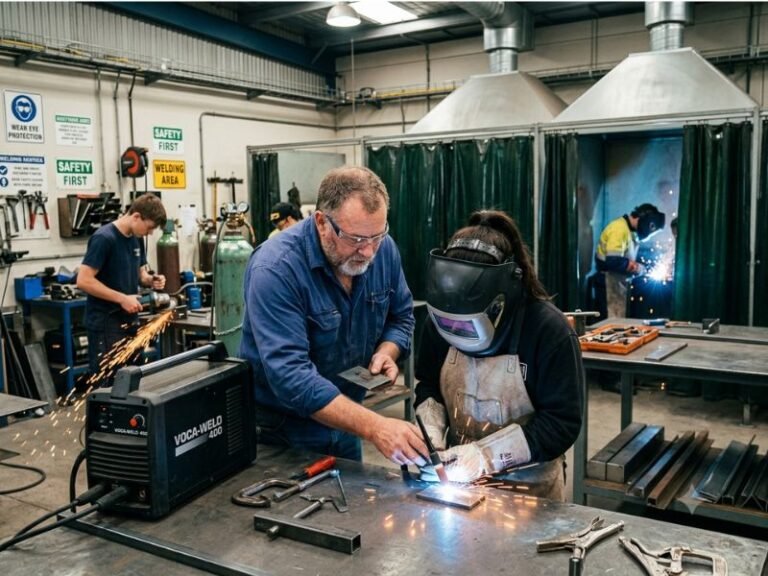
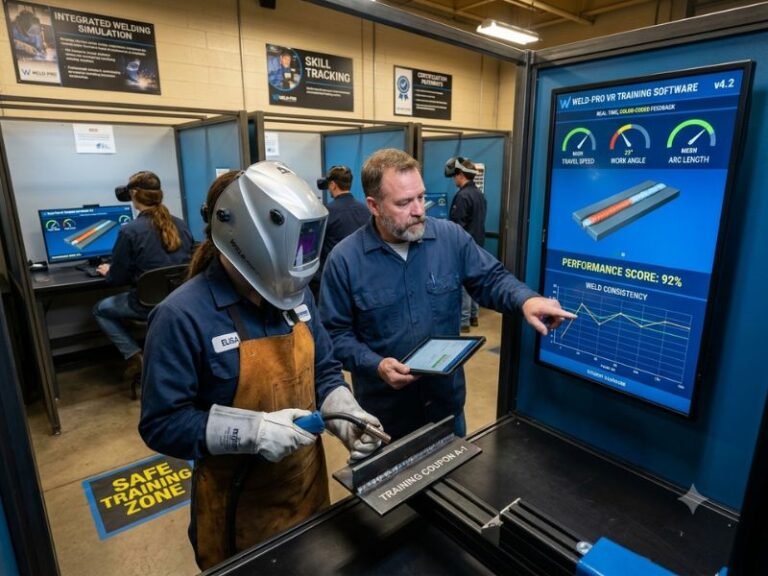
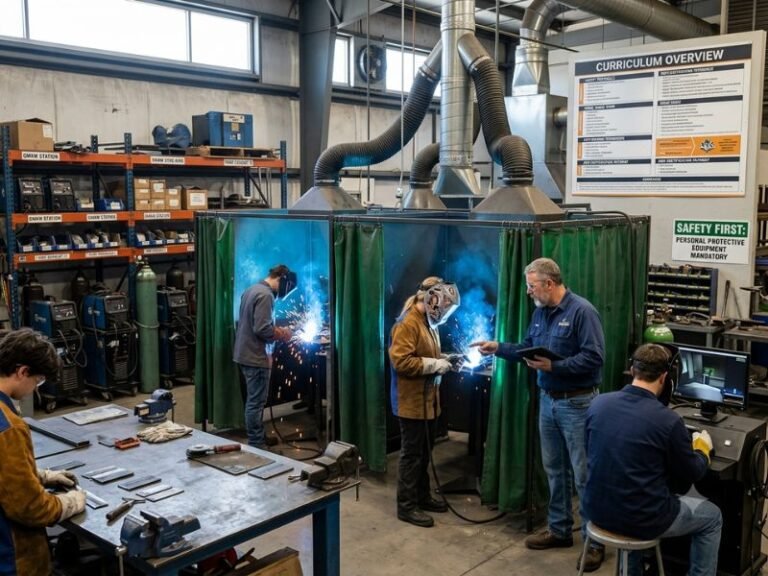
- Modern Facilities: Visit the training facility if possible. Are the welding booths well-equipped? Is the equipment modern and well-maintained? Do they have the specialized tools and materials (e.g., pipe positioners, orbital welding equipment, exotic metal coupons) relevant to nuclear welding?
- Low Student-to-Instructor Ratio: A lower ratio allows for more personalized attention and feedback, which is crucial for mastering complex welding techniques.
Qualification and Certification Opportunities
A key outcome of any nuclear welding program should be the opportunity to earn industry-recognized certifications:
- ASME Section IX Qualifications: Does the program prepare you for and facilitate the testing for multiple ASME Section IX welder performance qualifications? This is often the most direct path to employment.
- AWS Certifications: While ASME is primary for nuclear, AWS certifications (e.g., Certified Welder) can also be valuable for demonstrating foundational skills.
- Employer Connections: Does the school have strong relationships with nuclear contractors, power companies, or shipyards that can lead to job placement opportunities or direct qualification testing?
Cost, Financial Aid, and Location
Practical considerations also play a role:
- Tuition and Fees: Understand the total cost of the program, including tuition, materials, tools, and certification fees.
- Financial Aid: Explore options for federal student aid, scholarships, grants, and veterans’ benefits. Many trade programs qualify for various forms of assistance.
- Location: Consider the program’s location relative to your living situation and potential job markets. Some students may need to relocate for specialized training.
- Housing and Transportation: If relocating, factor in the cost and availability of housing and transportation.
I strongly recommend contacting admissions, speaking with current students or recent graduates, and ideally, visiting the campus. Ask direct questions about job placement rates specifically for nuclear welding roles. The investment in the right training program will pay dividends throughout your career.
Challenges and Considerations in Nuclear Welding
While nuclear welding offers a rewarding career, it’s essential to approach it with a clear understanding of the unique challenges and considerations involved. This isn’t a profession for everyone, and I believe it’s important to be realistic about the demands it places on individuals.
Rigorous Standards and Zero Tolerance for Error
The most significant challenge is the absolute requirement for perfection. In nuclear applications, a weld defect that might be acceptable in other industries can have severe safety and operational consequences. This translates to:
- Intense Scrutiny: Every weld is subject to multiple layers of inspection, often including advanced non-destructive testing. Welders must consistently produce defect-free work.
- High Pressure: The knowledge that your work directly impacts public safety and the integrity of critical infrastructure can create significant pressure.
- Repetitive Qualification: Welders often need to re-qualify periodically or for different projects, materials, or positions, maintaining a continuous state of readiness and proficiency.
Demanding Work Environment
The physical and environmental conditions can be challenging:
- Confined Spaces: Much of the work, especially during outages or in existing facilities, occurs in tight, awkward, and sometimes confined spaces.
- Elevated Temperatures: Welding itself generates heat, and work areas can sometimes be hot, especially in reactor buildings or during pre-heat applications.
- Radiation Exposure: While strictly monitored and minimized, working in operational nuclear facilities involves exposure to radiation. Welders receive training on dose limits and protective measures, but it’s a factor unique to this industry.
- Long Hours and Travel: Project-based work, particularly during plant outages, often requires extended shifts, including nights and weekends. Travel to different plant sites is common for field welders.
- Strict Security: Nuclear facilities have extremely high-security requirements, including extensive background checks, access controls, and constant vigilance.
Continuous Learning and Adaptation
The industry is not static, requiring ongoing professional development:
- Evolving Codes and Technologies: Welding codes, material science, and welding technologies continue to advance. Nuclear welders must stay updated through continuous learning and training.
- New Materials and Procedures: As new reactor designs or materials are introduced, welders may need to learn new techniques and qualify for new procedures.
- Problem-Solving: Each repair or fabrication can present unique challenges that require creative problem-solving within strict procedural guidelines.
Physical and Mental Stamina
The job demands a high level of both physical and mental resilience:
- Physical Demands: Holding awkward positions for extended periods, lifting heavy equipment, and working in protective gear can be physically taxing.
- Mental Focus: Maintaining intense concentration for hours on end, especially during critical welds, is mentally demanding.
- Stress Management: The high-stakes nature of the work requires individuals who can perform under pressure and manage stress effectively.
Security Clearances and Background Checks
Entry into the nuclear industry is contingent on passing stringent background checks and security clearances, which can be a lengthy process. Any history of criminal activity or drug use will likely disqualify an applicant.
I’ve observed that the individuals who thrive in nuclear welding are those who embrace these challenges. They see the rigorous standards not as obstacles, but as a testament to the importance of their work. They are meticulous, disciplined, and possess an unwavering commitment to quality and safety, understanding that their skills contribute directly to a vital and complex industry.
FAQ: Nuclear Welding Training
Here are answers to some common questions I encounter about nuclear welding training.
What is the typical duration of nuclear welding training programs?
The duration can vary significantly. Foundational welding programs typically range from 6 months to 2 years. Specialized nuclear welding programs, which often require prior welding experience, can range from a few months (e.g., 3-6 months for specific certifications) to over a year for more comprehensive advanced training. The total time from starting with no welding experience to being qualified for nuclear work could be 1.5 to 3 years.
Do I need prior welding experience before starting nuclear welding training?
Yes, almost all specialized nuclear welding training programs require a strong foundation in general welding. It’s highly recommended to have completed a reputable general welding program or apprenticeship and to have developed proficiency in processes like GTAW and SMAW before pursuing nuclear-specific training. Some programs might offer a combined foundational and specialized curriculum, but these are typically longer.
What certifications are most important for nuclear welders?
The most critical certifications are those demonstrating compliance with the ASME Boiler and Pressure Vessel Code, specifically Section IX (Welding and Brazing Qualifications). Welders must pass specific performance qualification tests for the welding processes, materials, and positions they will be working on. While not a welding certification, an understanding of ASME Section III (Nuclear Components) is also vital. AWS Certified Welder (CW) certifications can be a good starting point but are usually supplemented by ASME qualifications for nuclear work.
Is nuclear welding dangerous due to radiation?
Working in nuclear facilities does involve exposure to radiation, but it is strictly controlled and monitored. Nuclear welders receive extensive radiation safety training, wear personal dosimeters to track exposure, and adhere to strict protocols to minimize their dose. The industry has a strong safety culture, and exposure limits are well below levels considered harmful. Many tasks are performed in areas with minimal or no radiation.
What is the earning potential for a nuclear welder?
Nuclear welders are among the highest-paid skilled trades professionals. Entry-level qualified nuclear welders can expect significantly higher wages than general welders. With experience, multiple certifications, and a proven track record, experienced nuclear welders can earn six-figure salaries, especially when factoring in overtime and per diem for travel. Compensation reflects the high skill, responsibility, and critical nature of the work.
Are there opportunities for women in nuclear welding?
Absolutely. The nuclear industry, including welding, is actively seeking to diversify its workforce. While historically male-dominated, there is a growing recognition of the value of women in these roles. Skill, dedication, and adherence to standards are the primary criteria for success, regardless of gender. Many organizations and unions offer support and mentorship for women entering the trades.
What is the job outlook for nuclear welders?
The job outlook for highly qualified nuclear welders is consistently strong and stable. An aging workforce, ongoing maintenance and refurbishment of existing nuclear power plants, and some new construction projects create a continuous demand. The specialized skills and stringent qualification requirements mean there is a limited pool of qualified individuals, ensuring those who meet the criteria are highly sought after.
Conclusion
Embarking on a career in nuclear welding is a commitment to excellence, precision, and an unwavering dedication to safety. It’s a path that demands rigorous training, continuous learning, and a specific set of personal qualities that go beyond mere technical skill. For those who are drawn to high-stakes, impactful work, the nuclear industry offers a deeply rewarding and stable profession.
From mastering advanced welding processes and understanding complex metallurgical properties to adhering to the strictest ASME codes and navigating challenging work environments, nuclear welders operate at the pinnacle of their trade. The investment in specialized nuclear welding training opens doors to competitive compensation, comprehensive benefits, and a clear trajectory for career advancement within a critical global industry. If you possess the discipline, meticulousness, and commitment to quality, a career in nuclear welding could be an incredibly fulfilling choice, allowing you to contribute directly to the safe and reliable operation of vital energy infrastructure.